CBSE announces final datesheet for class 10, 12 board exams; to begin from February 17
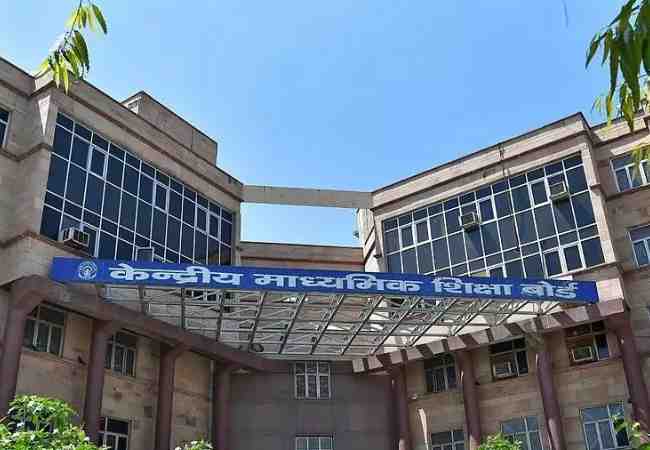
New Delhi (PTI): The Central Board of Secondary Education (CBSE) will conduct class 10 and 12 board exams from February 17, 2026, officials announced on Thursday.
While the class 10 exams will conclude on March 10, class 12 exams will end on April 9, 2026, according to the final datesheet.
This is the first time that the CBSE released the final datesheet nearly 110 days in advance.
The board had announced a tentative datesheet last month. The final datesheet has certain changes including adding an extra day for class 10 exams.
This is the first time that board exams for class 10 will be conducted twice in an academic session. The second edition of class 10 board exam is scheduled from May 15 to June 1, 2026.
"A sufficient gap has been given between two subjects generally offered by a student in both classes. The dates of conduct of entrance examinations meant for the students of Class 12 have been taken into consideration and efforts have been made to complete the examination much before entrance exams.
"This will help the students in better time management for both the Board and entrance examinations," said Examination Controller Sanyam Bhardwaj.
While in class 10, dates for subjects like Data science, French, Urdu, Punjabi, Bengali, Tamil, Retail, Security and Automotive have been altered, in class 12 subjects including Business Studies, Business administration, Psychology and Accountancy have also been changed from the schedule listed in tentative datesheet.
Bhardwaj explained that the date sheet has been prepared by avoiding more than 40,000 subject combinations to ensure that no two subjects' examinations offered by a student fall on the same date.
"To ensure that JEE (Main) and CBSE examinations of the subjects do not coincide, NTA will require the registration number of students of class 11 to be filled in JEE-Main application. Accordingly, all teh schools have been requested to provide registration number of lass 11 to their students applying for the engineering entrance exam," he said.
For class 10, the second phase of Board exams in May will be optional for students who wish to improve their performance. In case a student appears for both phases, the best score of the two will be retained.
Both the examinations will be conducted on the full syllabus meant for the year and the scheme of studies and scheme of examinations will remain the same.
The CBSE has clarified that no separate supplementary exams will be conducted under this system. Instead, the second session of the board exam will serve as the supplementary exam for those who wish to improve their scores.
At present, students have an opportunity to improve their scores in supplementary exams.
Let the Truth be known. If you read VB and like VB, please be a VB Supporter and Help us deliver the Truth to one and all.
Annpurna Devi expresses anguish over girl's rape in TN, urges NCW to act
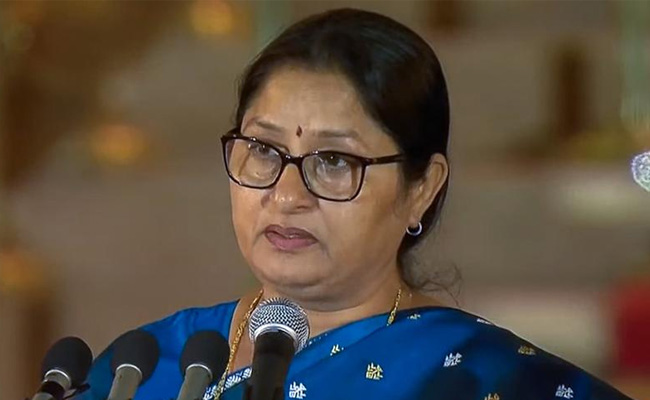
New Delhi (PTI): Union Minister for Women and Child Development Annpurna Devi on Tuesday expressed her anguish over the alleged gang rape of a girl in Tamil Nadu and urged the National Commission for Women to take immediate cognisance of the matter.
In a post on X, Devi said, "Deeply anguished by this horrific incident. I urge the NCW to take immediate cognisance and act swiftly in coordination with the concerned authorities to ensure the strictest action against all culprits."
Devi said, "Justice must be swift and unsparing — the accused must be brought to book without delay," adding, "the safety, dignity, and justice of every daughter of India remain our highest priority."
"We stand firmly with the survivor and her family in this difficult hour," she said.
Reacting to a post by former Tamil Nadu BJP president K Annamalai, who flagged concerns over the law and order situation in the state, Devi said such incidents "expose grave concerns" under the Dravida Munnetra Kazhagam government.
Annamalai, in his post, alleged that a 15-year-old girl from Kanchipuram, who had come to participate in a temple festival near Seyyaru in Tiruvannamalai district, was gangraped.
He said the incident was "deeply shocking and enraging" to him and alleged that such crimes point to a "complete failure" of law and order in Tamil Nadu.
Annamalai demanded immediate arrest of all those involved and the "harshest punishments" for the accused.
He also called for full protection and mental health counselling for the survivor and her family.