Centre asks IAS, IPS, IFS officers to inform it about their stock market related transactions

New Delhi (PTI): The Centre has asked IAS, IPS and IFS officers to intimate it in case the total transactions in stock, share or other investments exceed their six months' basic pay during a calendar year, according to a latest order by the personnel ministry.
This intimation is in addition to similar information that needs to be shared by them under Rule 16 (4) of AIS or All India Services (Conduct) Rules, 1968.
These rules are applicable to the members of three All India Services -- Indian Administrative Service (IAS), Indian Police Service (IPS) and Indian Forest Service (IFS).
"...With a view to enable the administrative authorities to keep a watch over the transactions in any stock, share or other investments etc. in respect of members of All India Services (AIS), it has been decided that an intimation may be sent in the enclosed proforma to the prescribed authority every year, if the total transactions in stock, share or other investments etc. exceed six months' basic pay of government servant during a calendar year," said the order issued to secretaries of all central government ministries.
It referred to Rule 14 (1) of the conduct rules that says "no member of the service shall speculate in any stock, share or other investments but this provision will not apply to occasional investment made through stock-brokers or other persons duly authorised on licence under the relevant law".
The rule further explains that frequent purchase or sale or both of shares, securities or other investments is deemed to be speculation under the sub-rule.
The ministry, in its order dated March 20, further said that since share, securities, debentures, etc are treated as moveable property as per explanation-I under Rule 16 of AIS (Conduct) Rules, 1968, if an individual transaction exceeds two months' basic pay of the member of service as prescribed in Rule 16(4) of ibid rules, "intimation to the prescribed authority would still be necessary".
"Every member of the service shall intimate the government in respect of each transaction, whose value exceeds two months' basic pay of the member of service within a month of the completion of such transaction", reads Rule 16 (4).
Let the Truth be known. If you read VB and like VB, please be a VB Supporter and Help us deliver the Truth to one and all.
Trump says he ‘hasn’t even thought about’ continuing Iran ceasefire
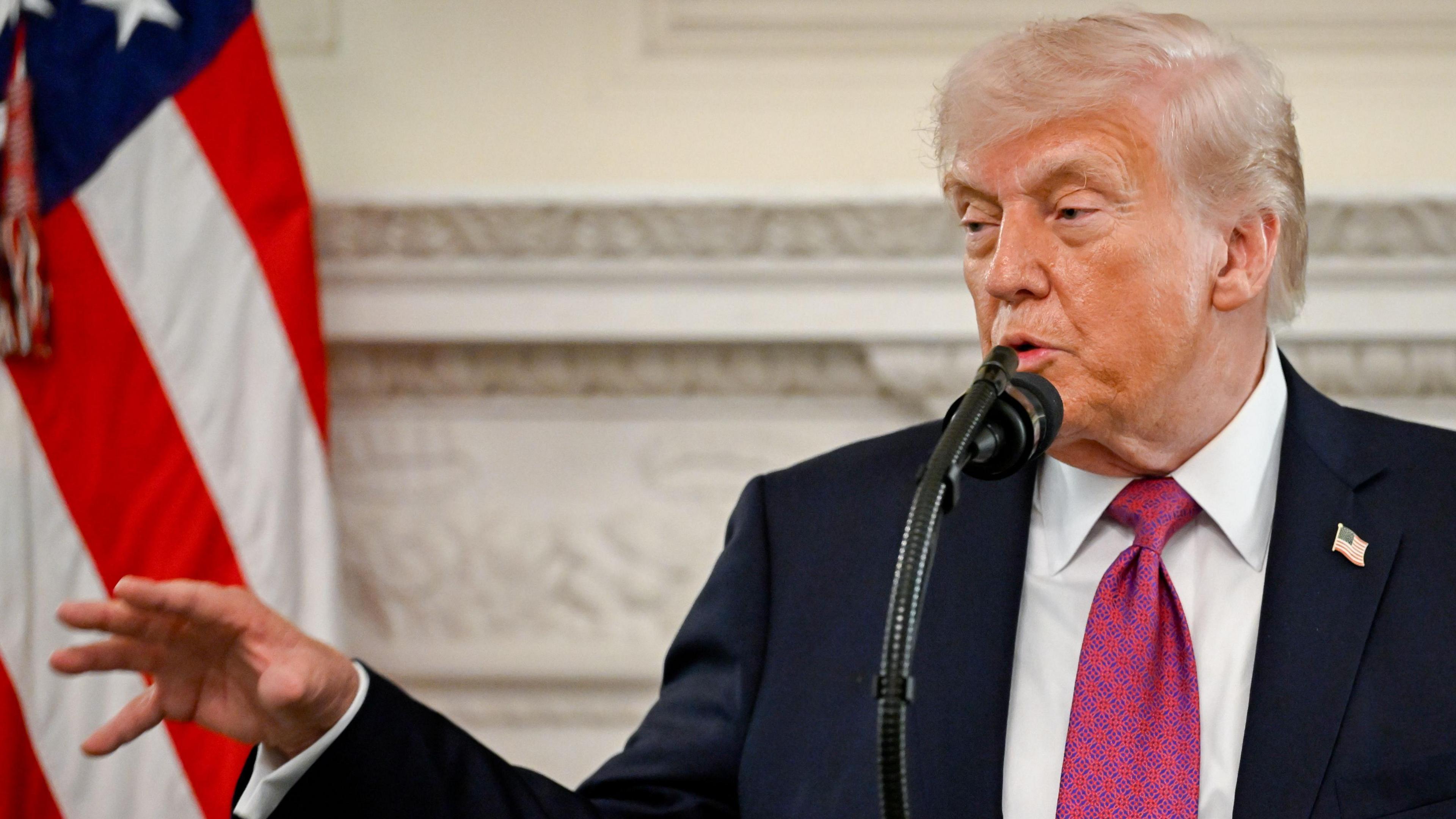
Washington: US President Donald Trump has said he has not yet considered whether he would continue the ceasefire involving Iran, while also claiming the United States holds the advantage in negotiations.
Speaking to reporters, Trump said he was prepared to make a deal with “whoever is running the show” in Iran.
“They are fighting with each other, there’s tremendous infighting. They’re probably fighting for leadership in many cases. I think they’re fighting not to be leader because we knocked out two levels of leaders,” he said.
Trump added, “When they want they can call me. We have all the cards, we’ve won everything.”
Referring to ongoing negotiations, he said, “They gave us a paper that should’ve been better. And, interestingly, immediately when I cancelled it [envoy trip to Pakistan], within 10 minutes we got a new paper that was much better.”
“We talked about they will not have a nuclear weapon, very simple … They offered a lot, but not enough,” he added.
When asked whether he would continue the ceasefire, Trump replied, “I haven’t even thought about it.”
The remarks come as uncertainty remains over the future of the temporary truce and broader negotiations between Washington and Tehran.