Centre's green panel nod to Telangana's Rs 2,121cr dam project on Godavari
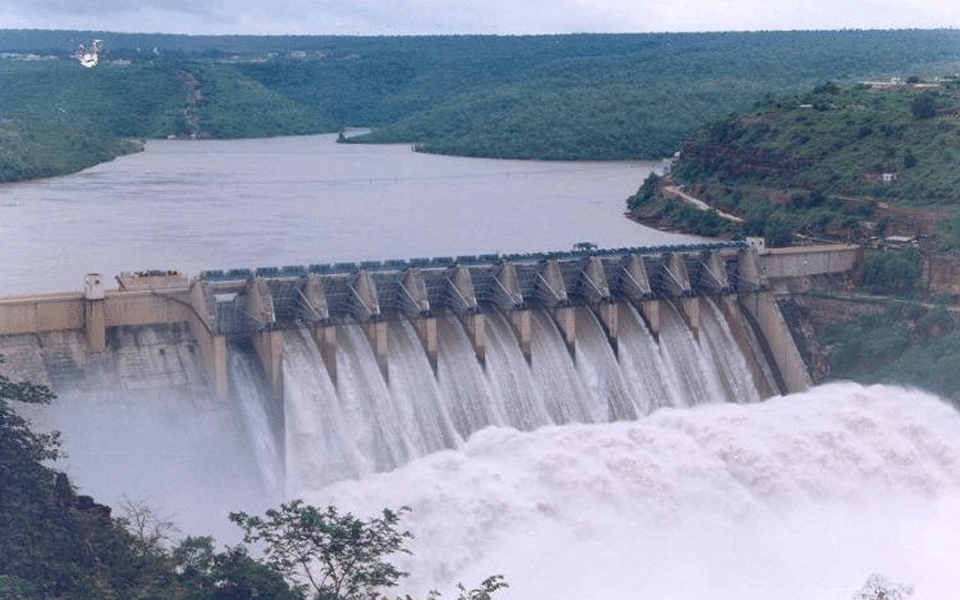
New Delhi, Jun 30: The government's green panel has given the environment clearance (EC) for constructing a dam across Godavari river in Jayashankar Bhupalpally district of Telangana at a cost of Rs 2,121 crore, according to sources.
The proposed P V Narasimha Rao Kanthanapally Sujala Sravanthi Project (PVNRKSSP) involves construction of 23 metre high and 1,132 metre long barrage (dam) across Godavari river and will facilitate irrigation during rabi season benefitting three districts - Jayashankar Bhupalapally, Nalgonda and Khammam.
The central government-constituted green panel called Expert Appraisal Committee (EAC) assesses the projects and makes recommendations, based on which the Union Environment Ministry grants the final EC.
According to the sources, the Telangana government had in December 2018 submitted an application seeking EC for the PVNRKSSP. However, the EAC had deferred its decision for want of additional information.
The state government submitted additional details and the EAC examined the proposal again last month and recommended giving environment clearance, they said.
The green panel has recommended the EC to the proposed project with some conditions, the sources added.
The Telangana government had approved the project with an estimated cost of Rs 2,121 crore way back in February 2017. The project requires 674.18 hectare land, out of which 94 hectare is private land and 580.18 hectare is river bed area.
As per the Godavari Water Disputes Tribunal order (GWDT), the total allocation of water in the Godavari river to the Telangana and Andhra Pradesh is 1,480 TMC.
The net water availability at the proposed barrage site has been worked out to be 407.4 TMC, of which 180 TMC is allocated for Kaleshwaram Irrigation project (peddha), 4.5 TMC for Kaleshwaram LIS (tank filling) and 100 TMC for the proposed PVNRKSSP.
The sources said that the purpose of the proposed barrage is to raise the water level in the river to feed the existing irrigation scheme and canals for irrigating the ayacut, which are not getting sufficient water, and also to meet the drinking water needs of the region.
Let the Truth be known. If you read VB and like VB, please be a VB Supporter and Help us deliver the Truth to one and all.
What is Iran’s 10-point plan? Key demands ahead of US talks in Islamabad
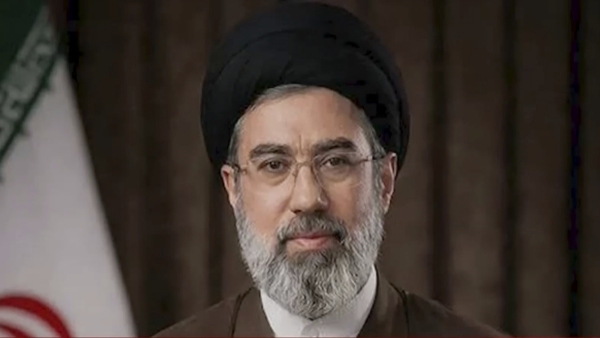
Tehran/Islamabad: Iran has outlined a 10-point plan as the basis for upcoming talks with the United States, expected to begin in Islamabad on April 11, according to a statement from the Iranian Supreme National Security Council.
The plan lays out Tehran’s key political, military and economic demands, and is being seen as a framework for negotiations following the recent escalation in the region.
Strait of Hormuz at the centre
A major focus of the plan is the Strait of Hormuz, a critical global shipping route. Iran has proposed “controlled passage through the Strait of Hormuz in coordination with the Iranian armed forces,” which it says would give the country a unique economic and geopolitical position.
The plan also calls for the “establishment of a safe transit protocol” in the Strait that would guarantee Iran’s dominance under an agreed mechanism.
Call to end conflict
Iran has demanded “the necessity of ending the war against all elements of the axis of resistance,” signalling its expectation that hostilities should stop not only in Iran but also involving allied groups in the region.
US troop withdrawal
Another key demand is the “withdrawal of US combat forces from all bases and deployment points in the region,” indicating Tehran’s long-standing position against American military presence in West Asia.
Sanctions relief and compensation
The plan places strong emphasis on economic measures. It calls for “full payment of Iran’s damages according to estimates,” along with “the lifting of all primary and secondary sanctions and resolutions of the Board of Governors and the Security Council.”
It also seeks “the release of all Iranian assets and properties frozen abroad,” which have been a major point of contention for years.
Binding global guarantee
Finally, Iran has demanded that all these terms be formally recognised through “a binding Security Council resolution,” suggesting it wants international legal backing to ensure enforcement.
What this means
The 10-point plan reflects Iran’s broader push for security guarantees, economic relief and regional influence. The upcoming talks in Islamabad are expected to test how far both sides are willing to negotiate on these demands.