CIIC hosts Anjuman Hami-e-Muslimeen Bhatkal’s president Yunus Kazia
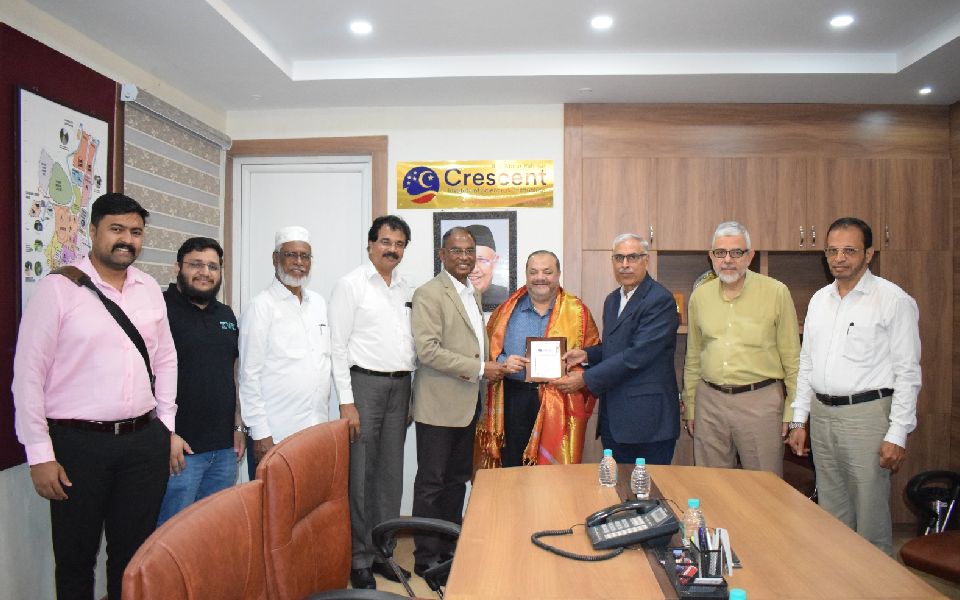
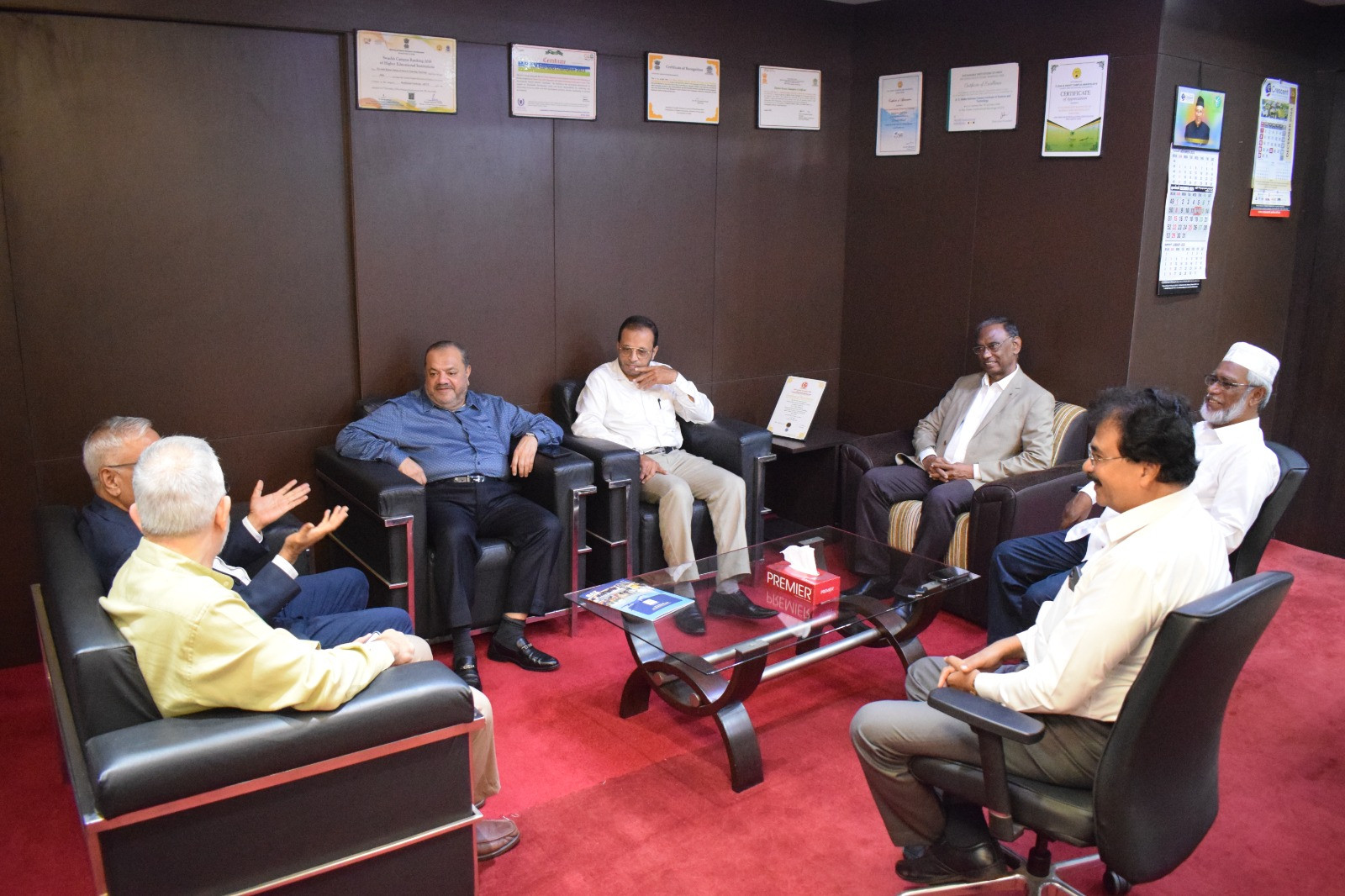
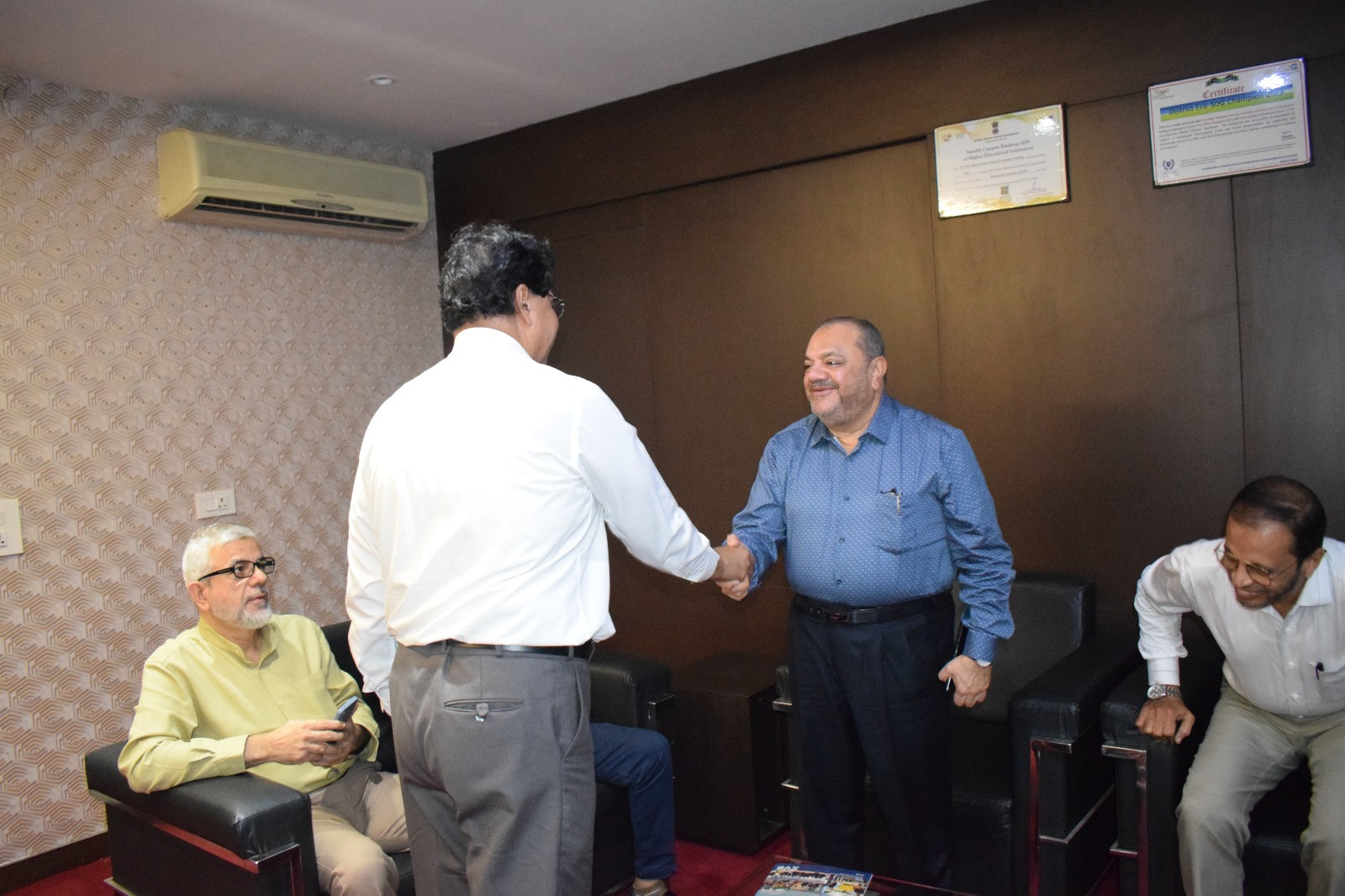
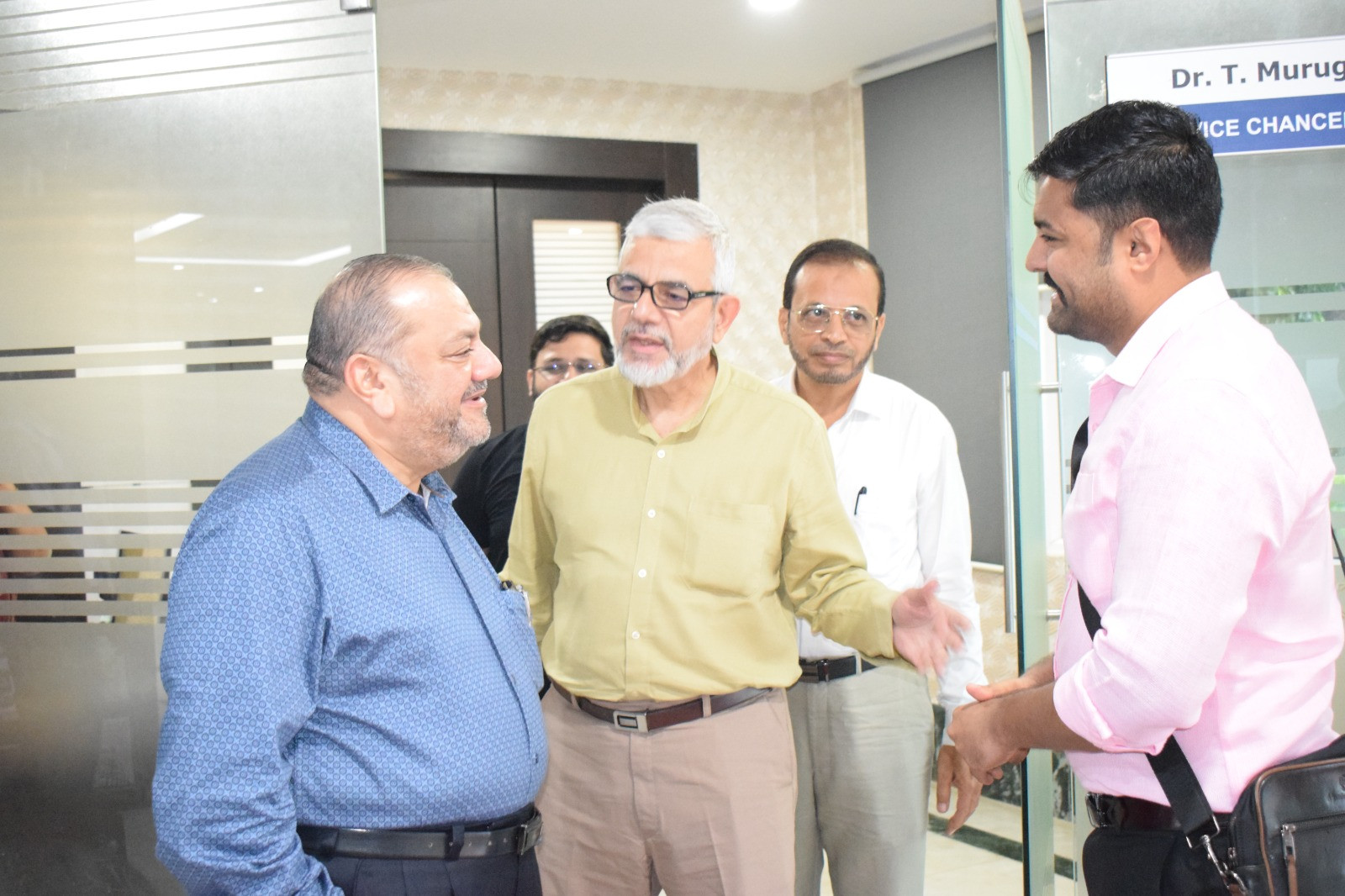
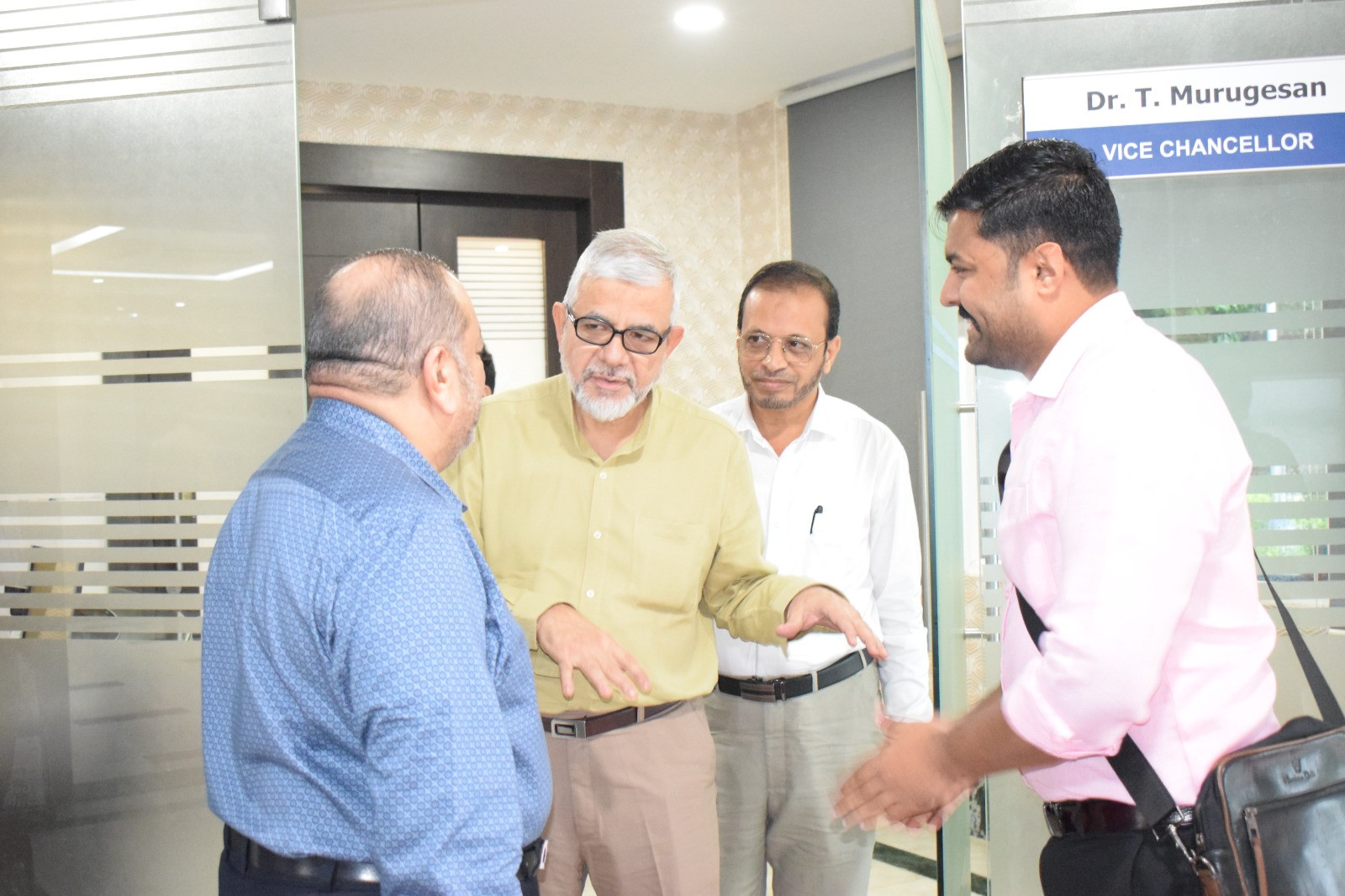
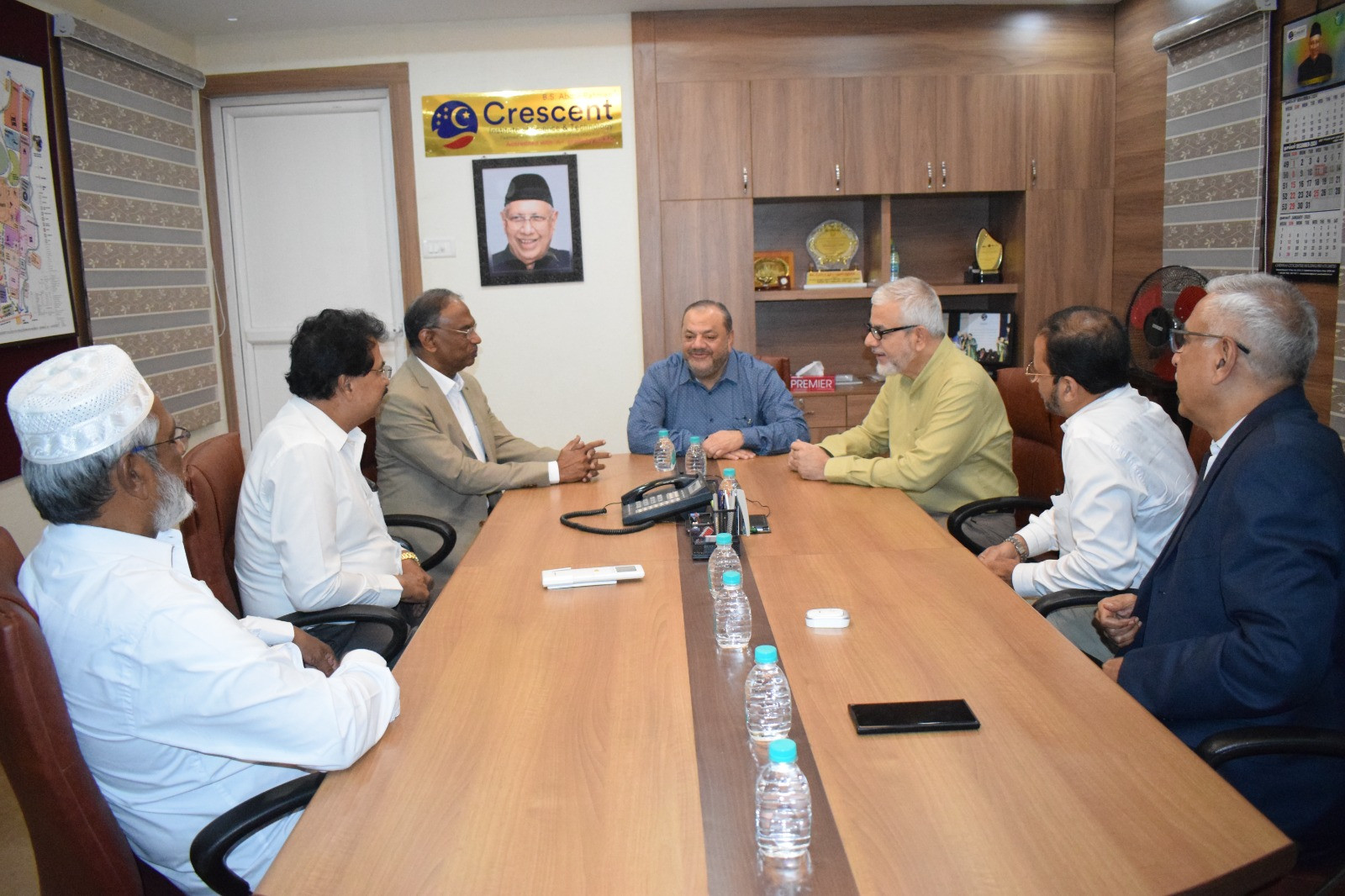
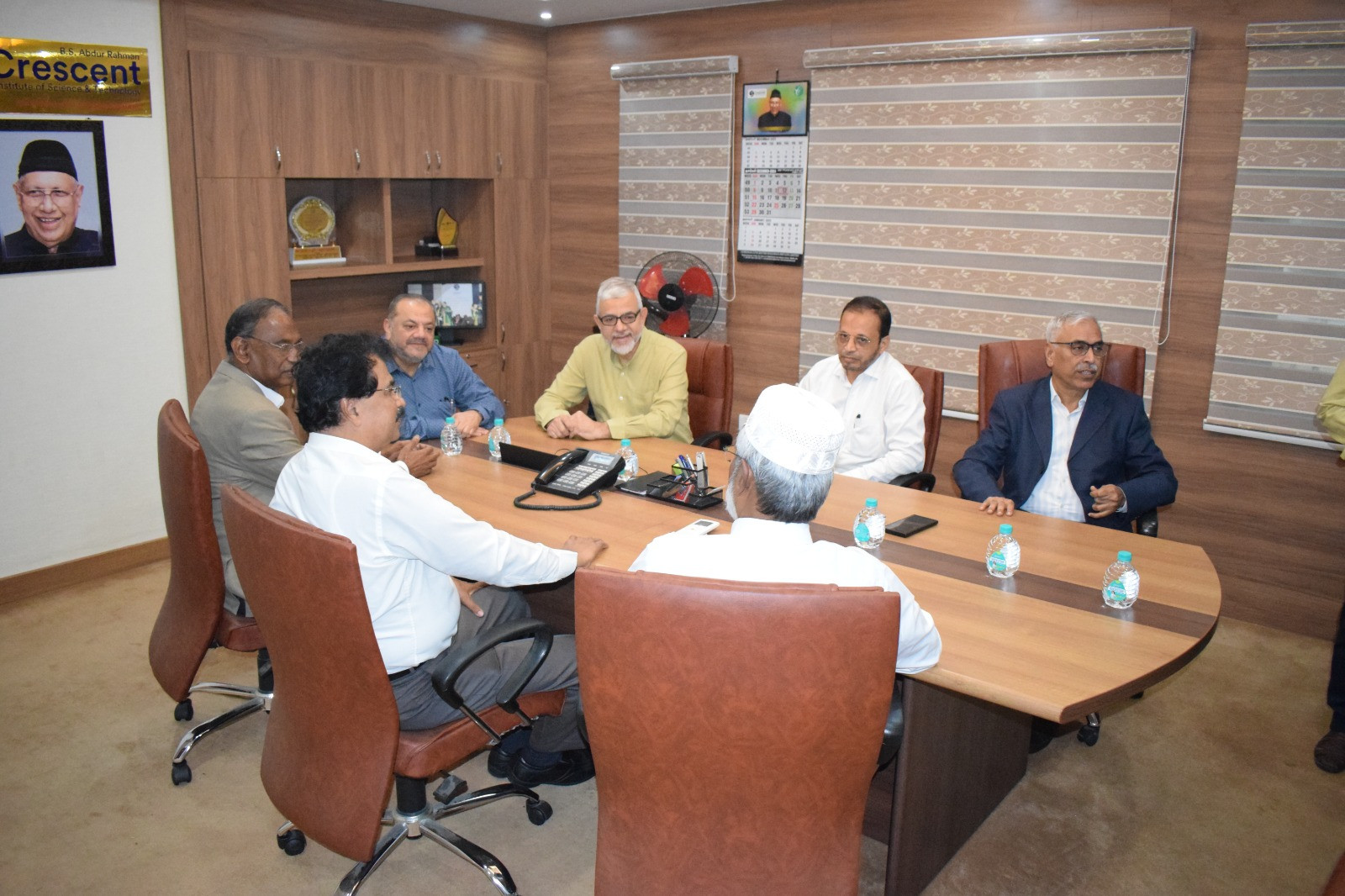
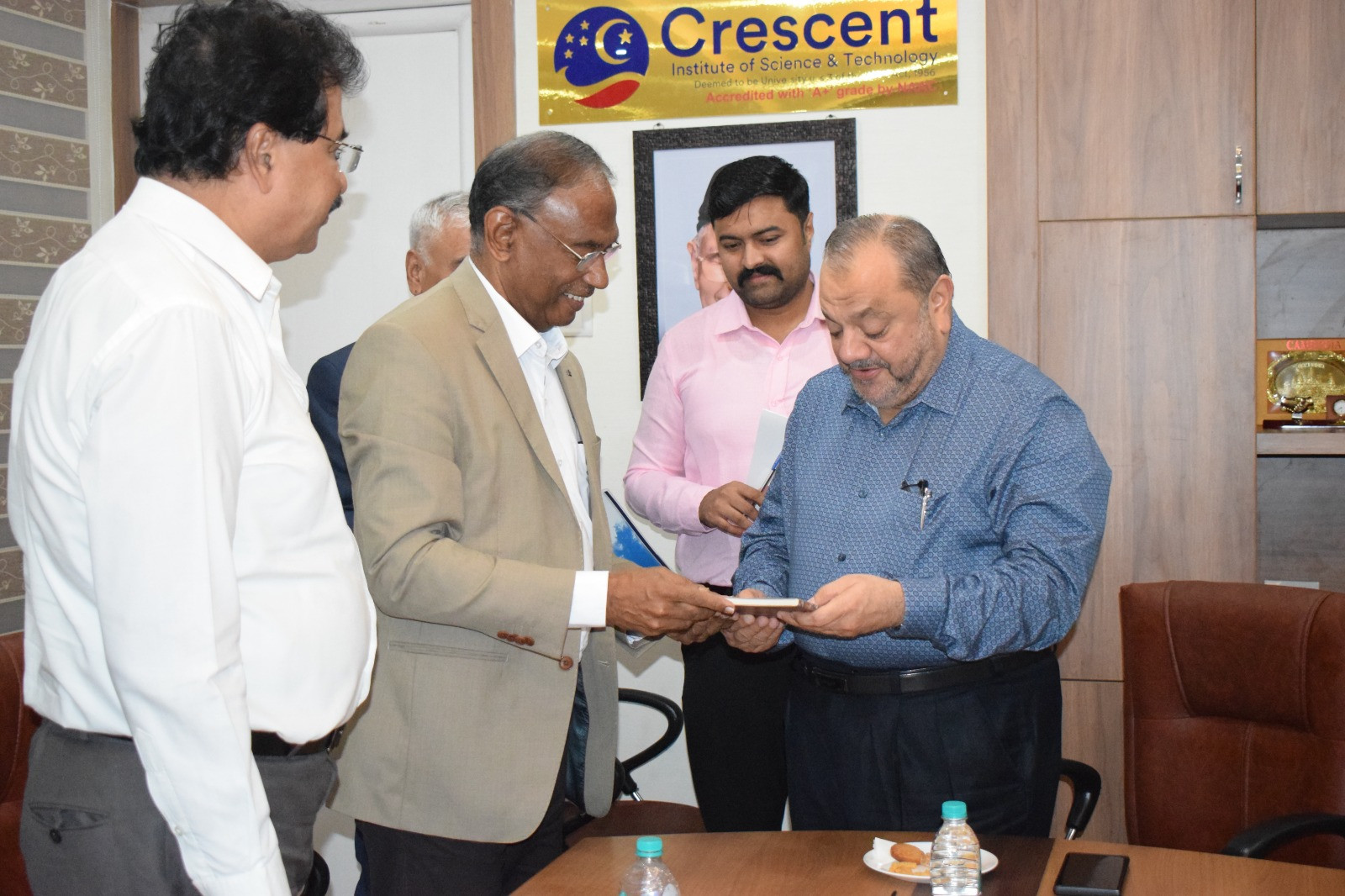
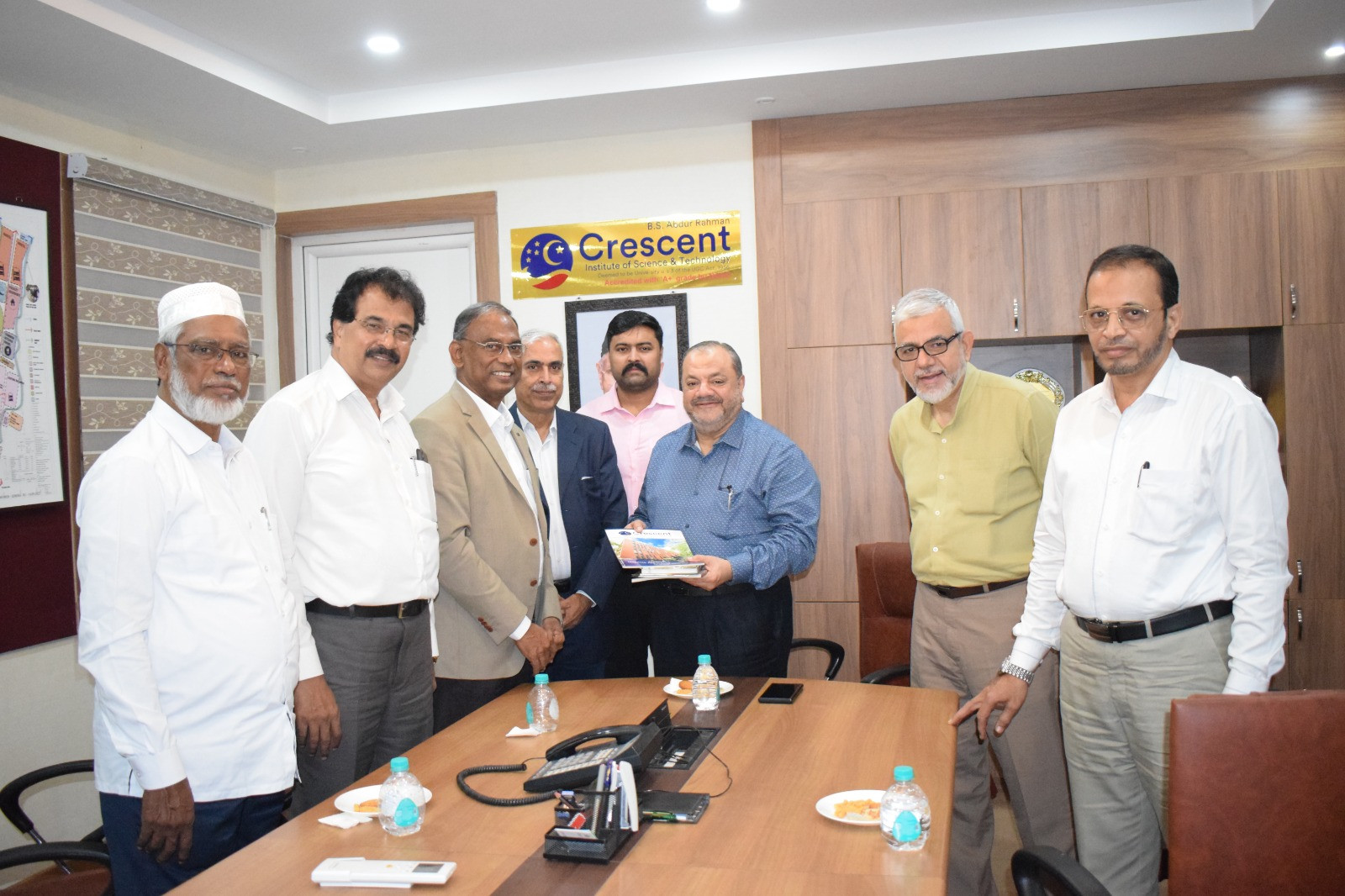
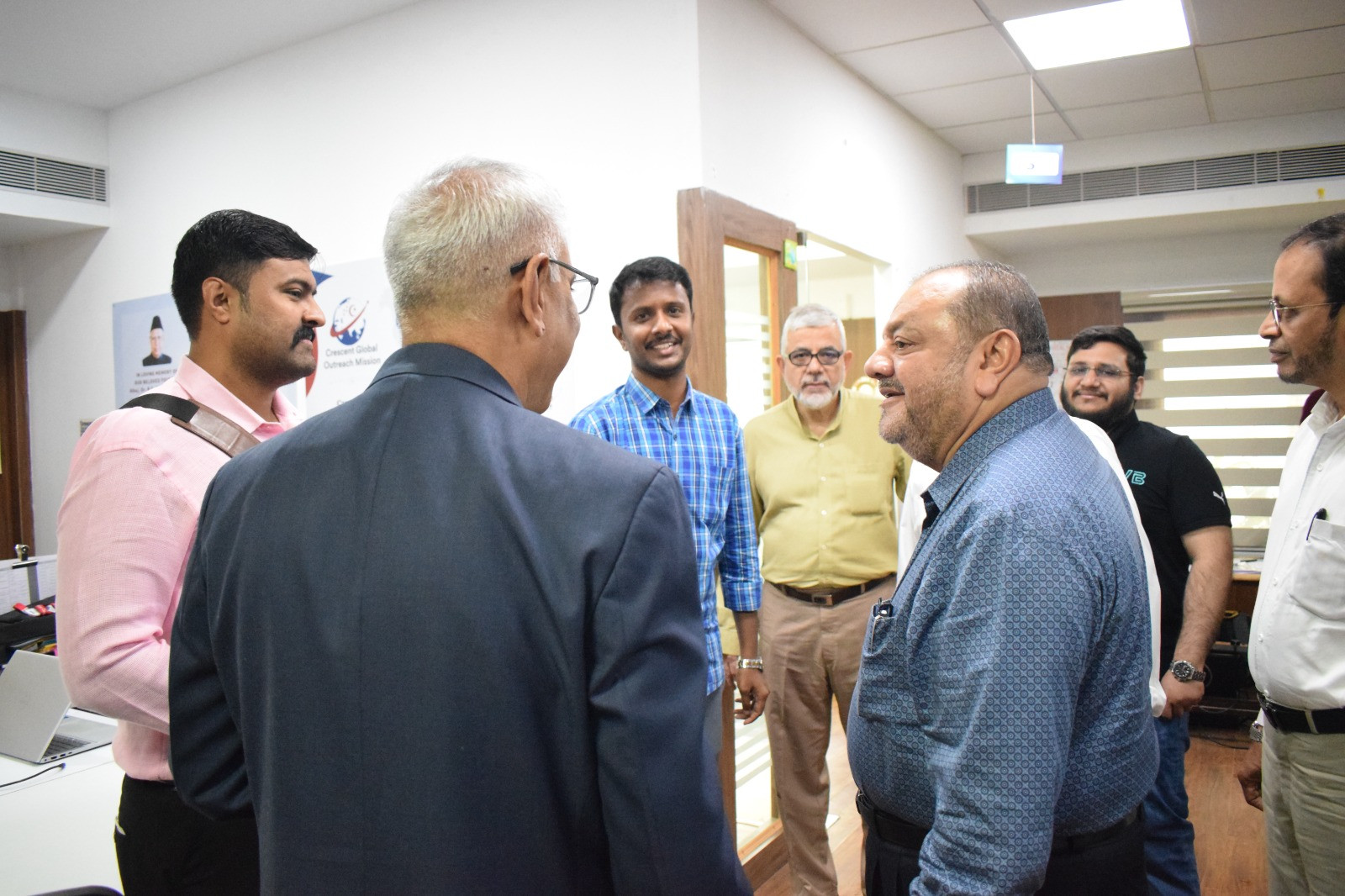
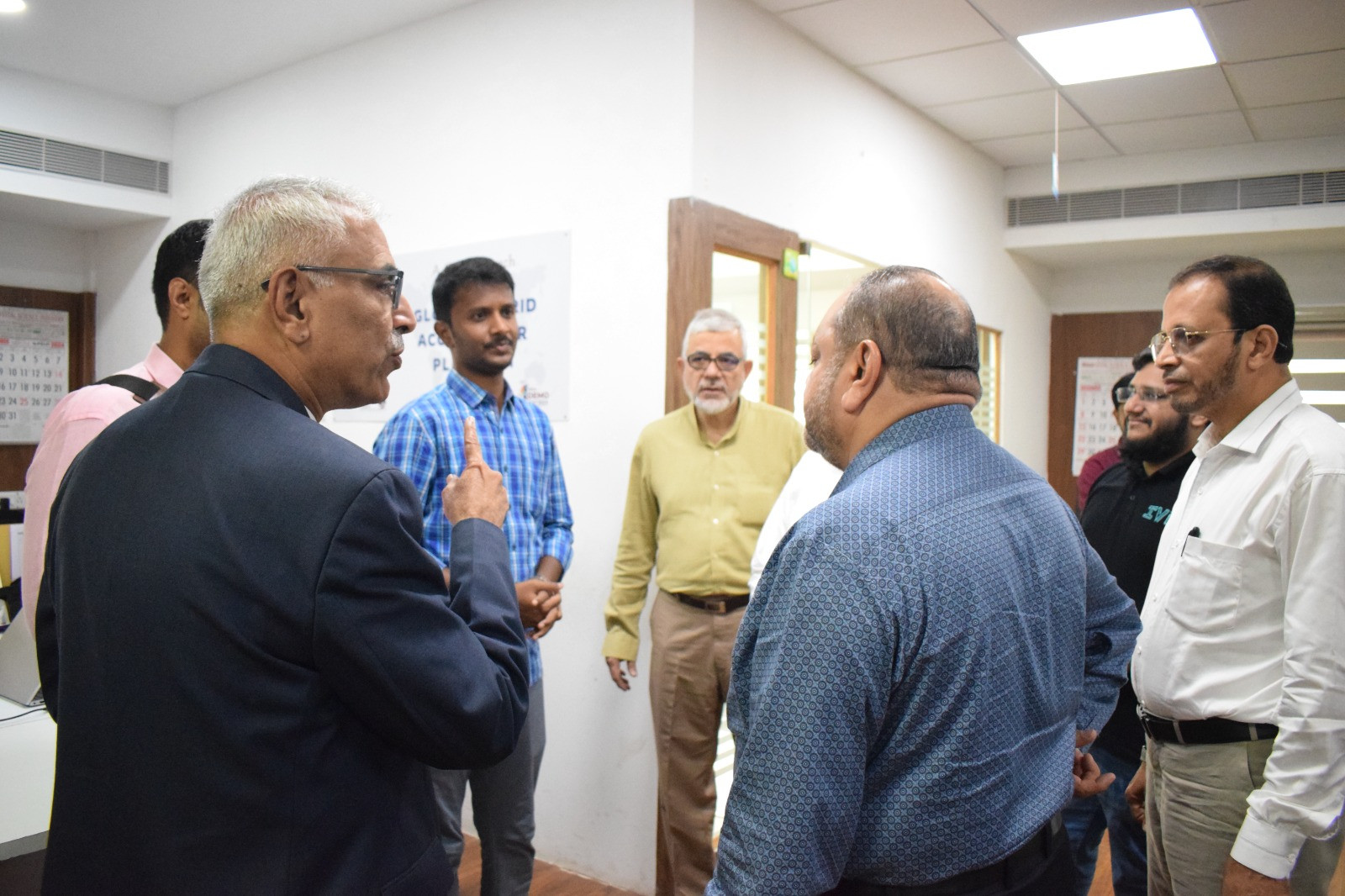
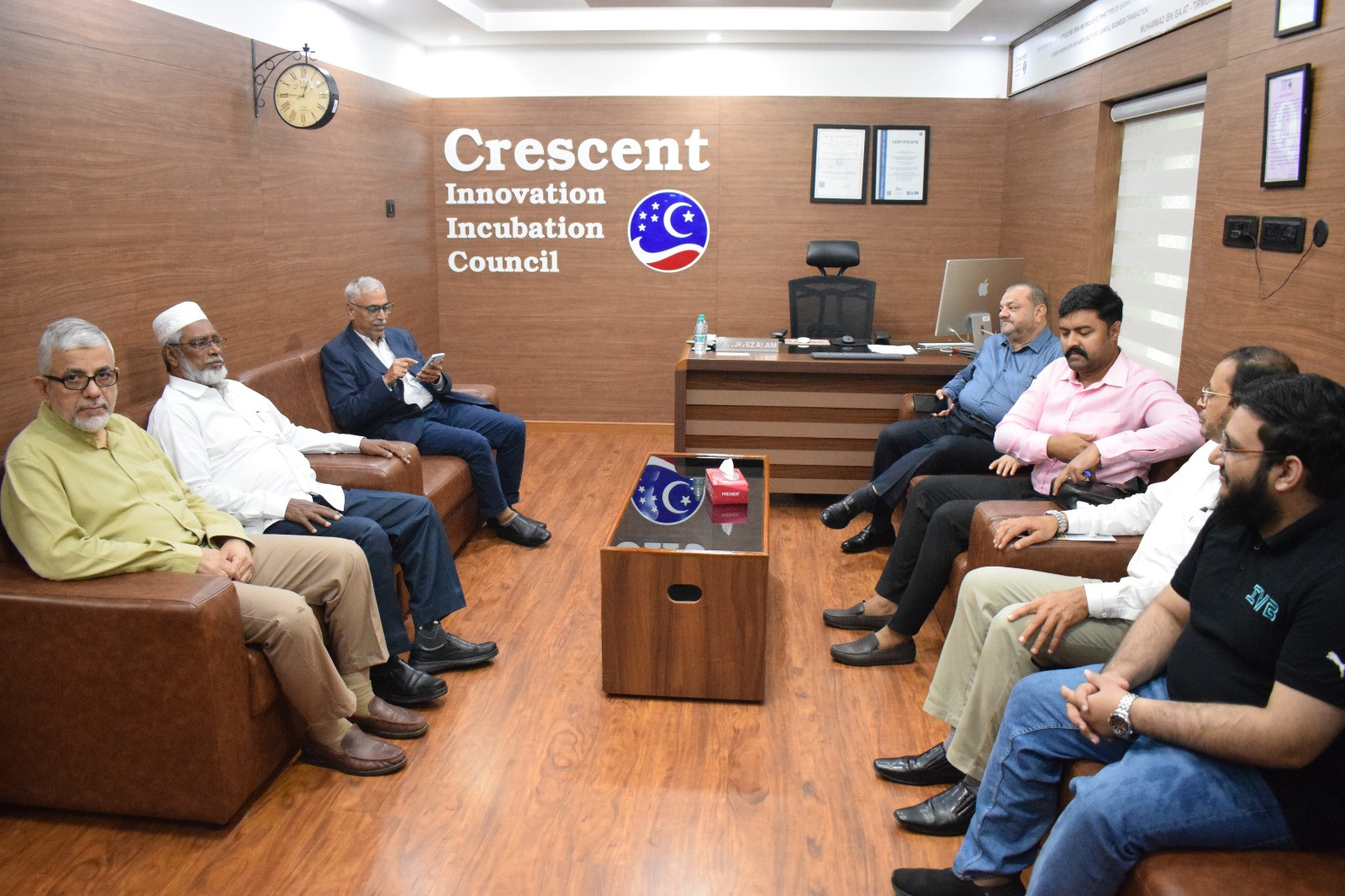
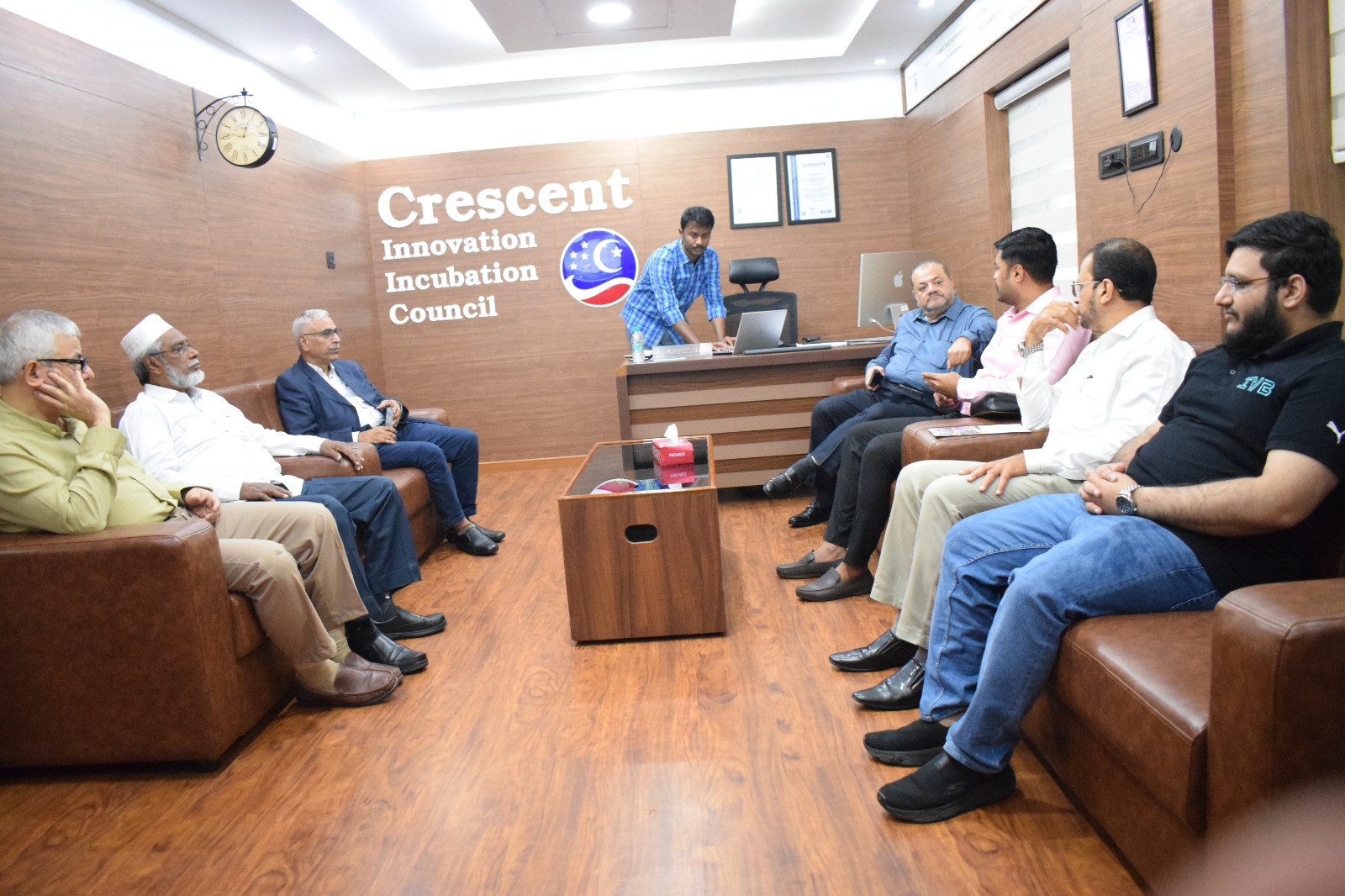
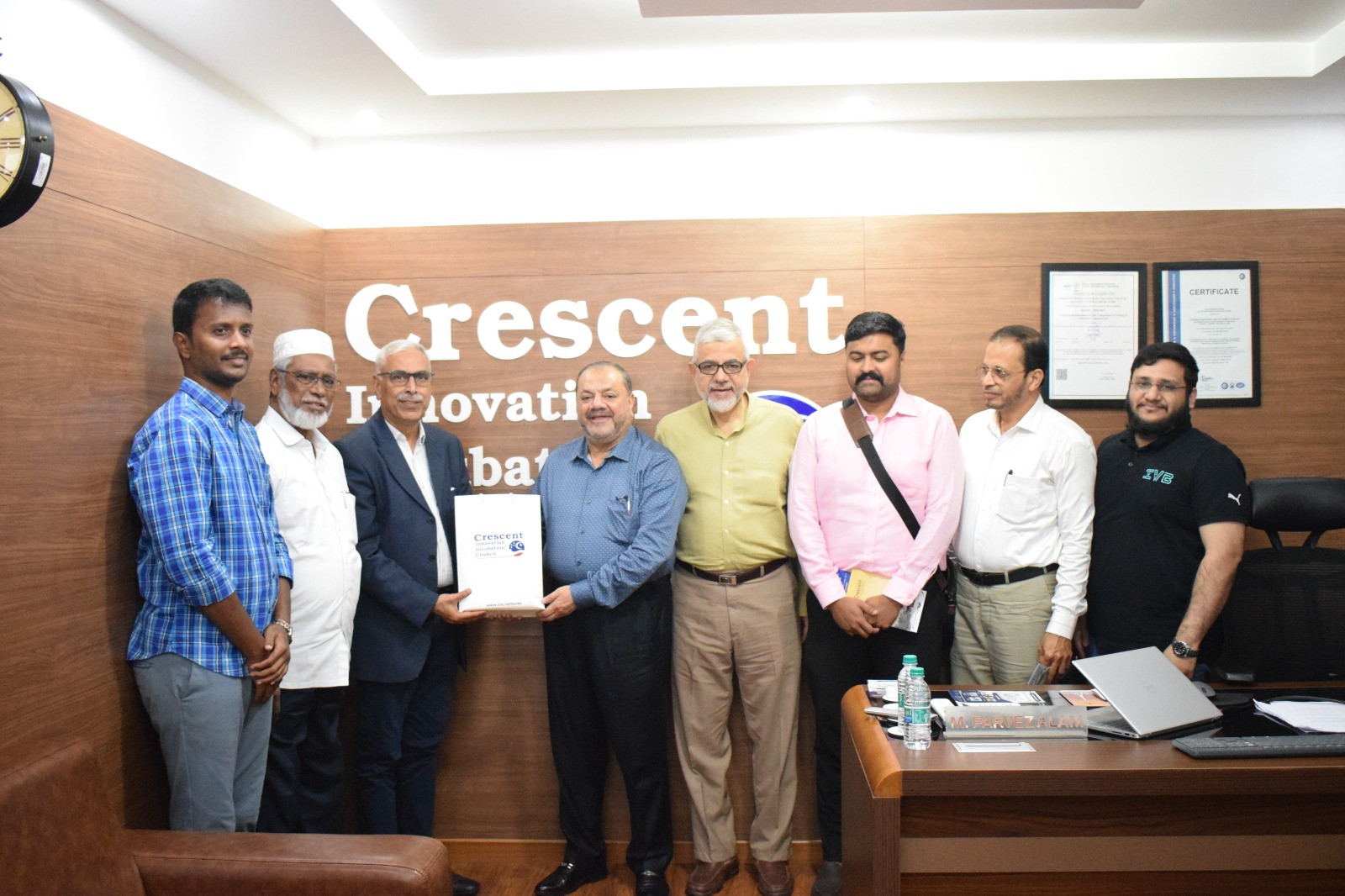
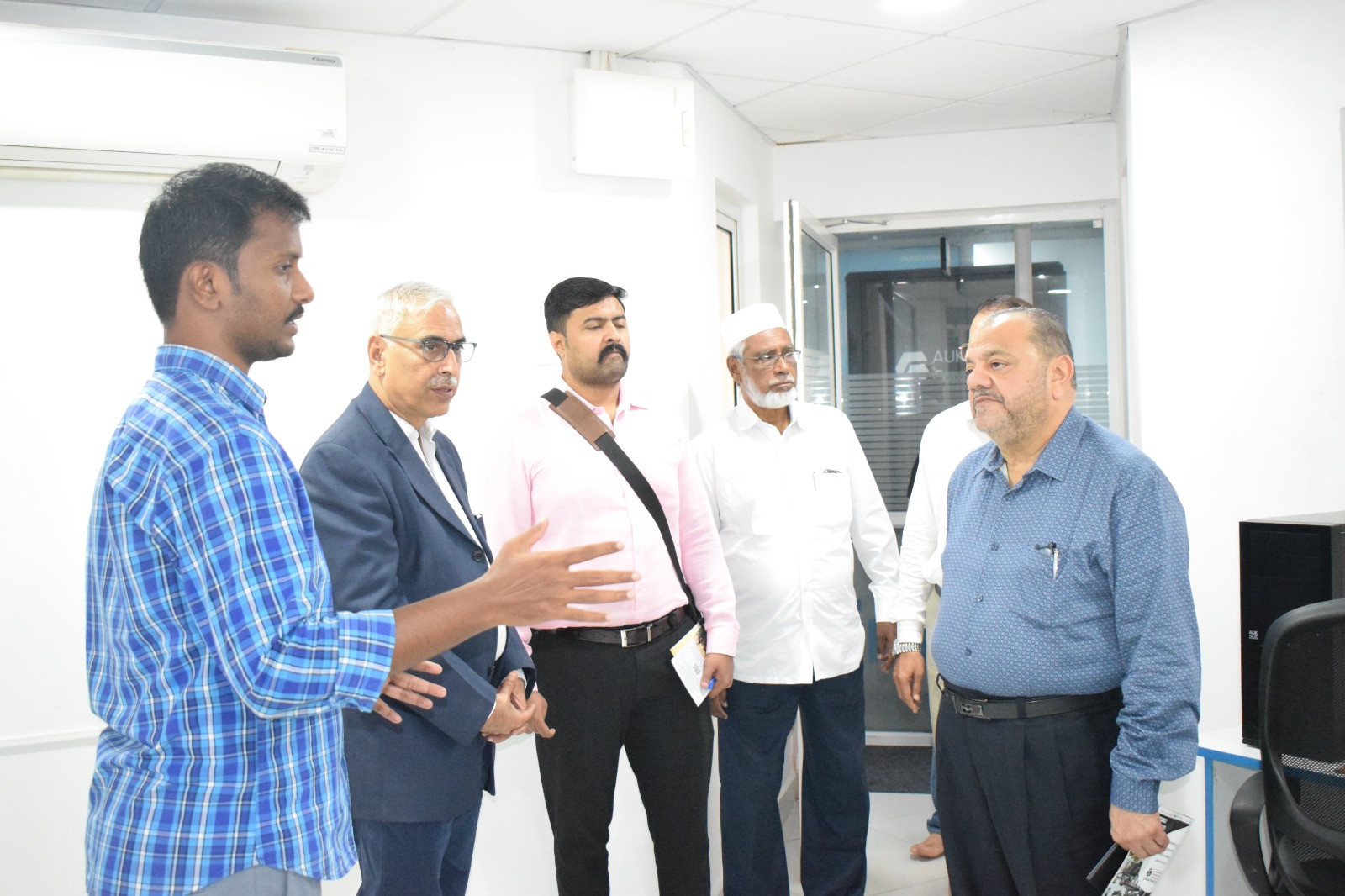
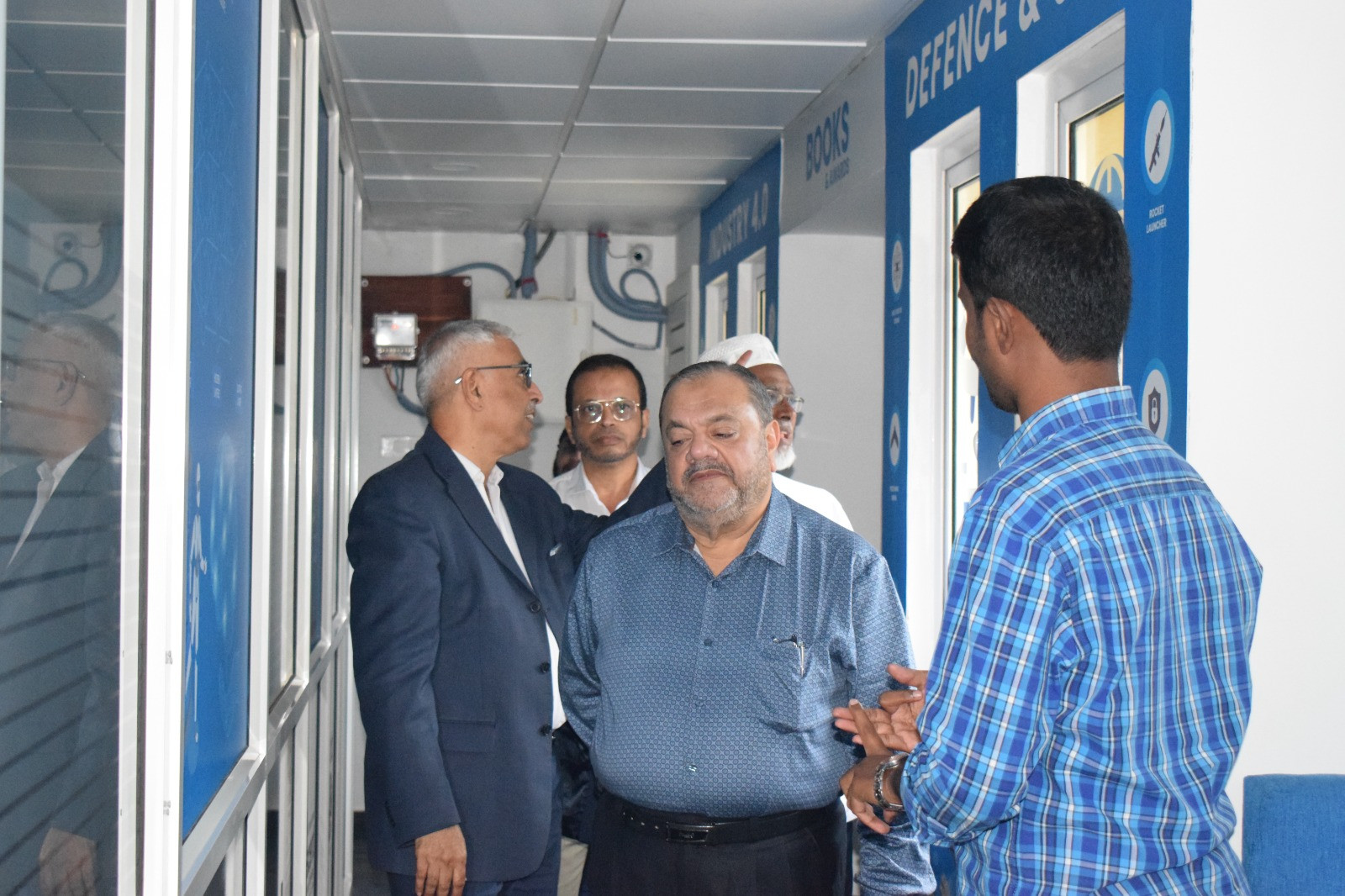
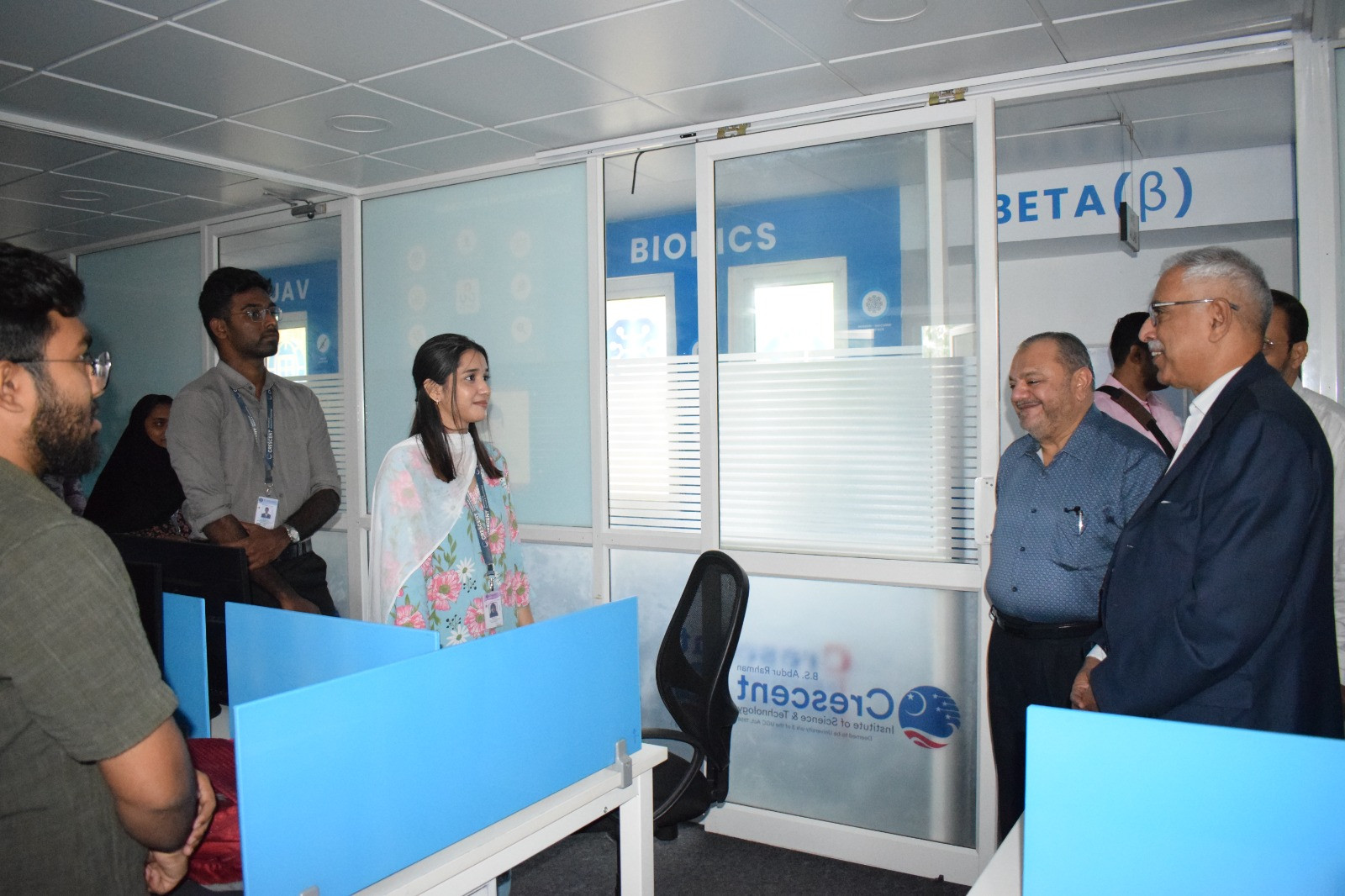
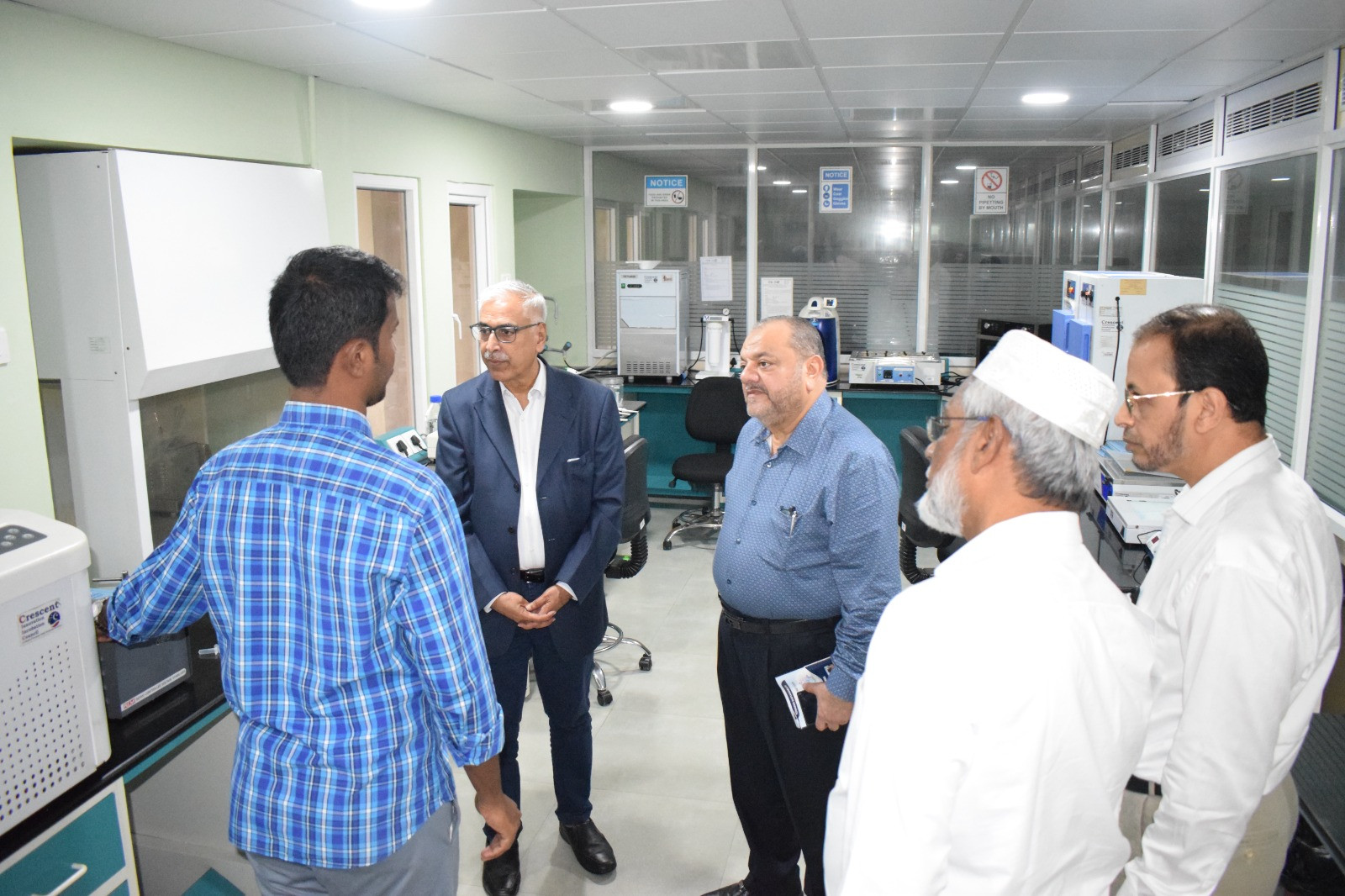
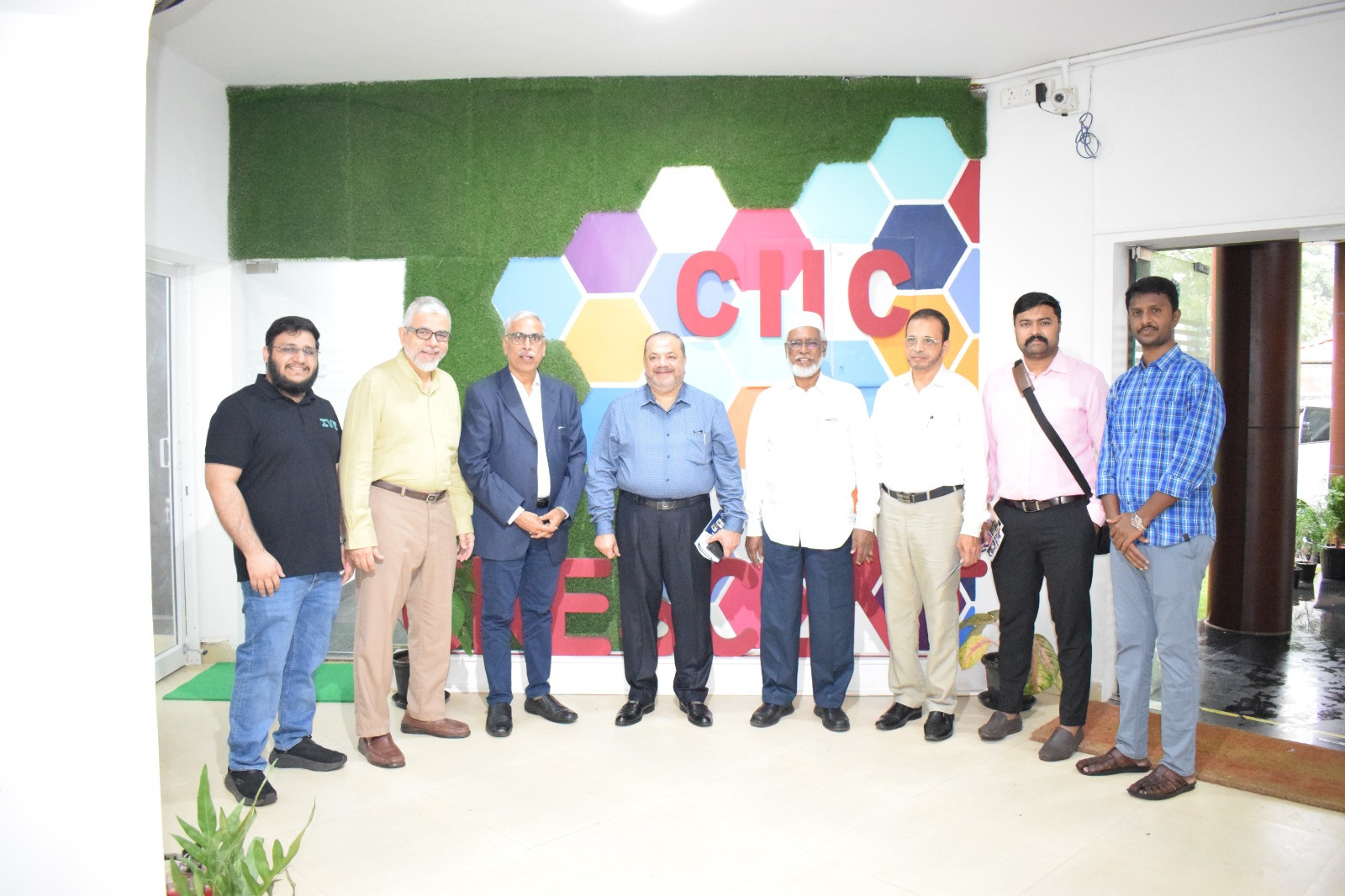
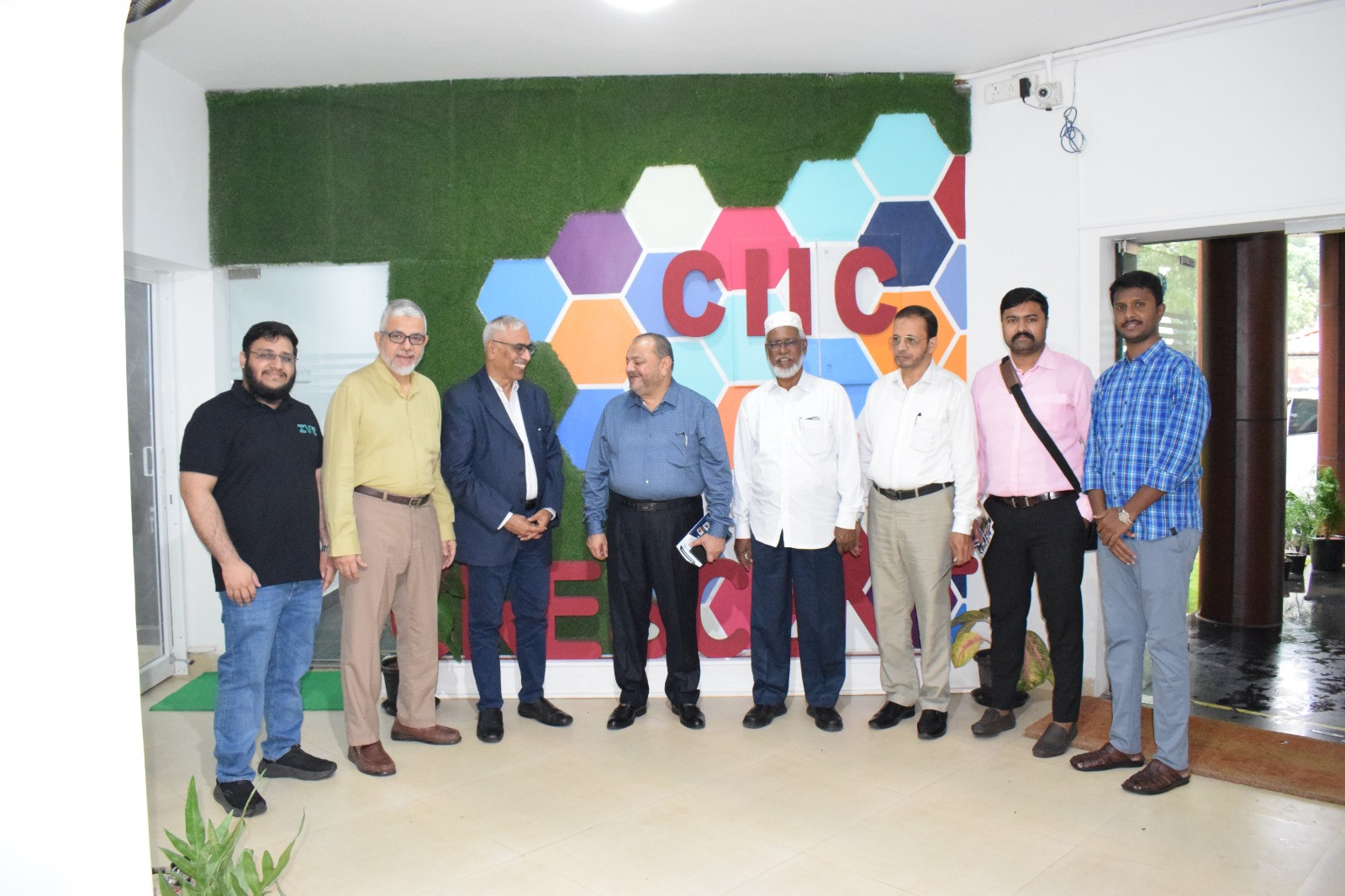
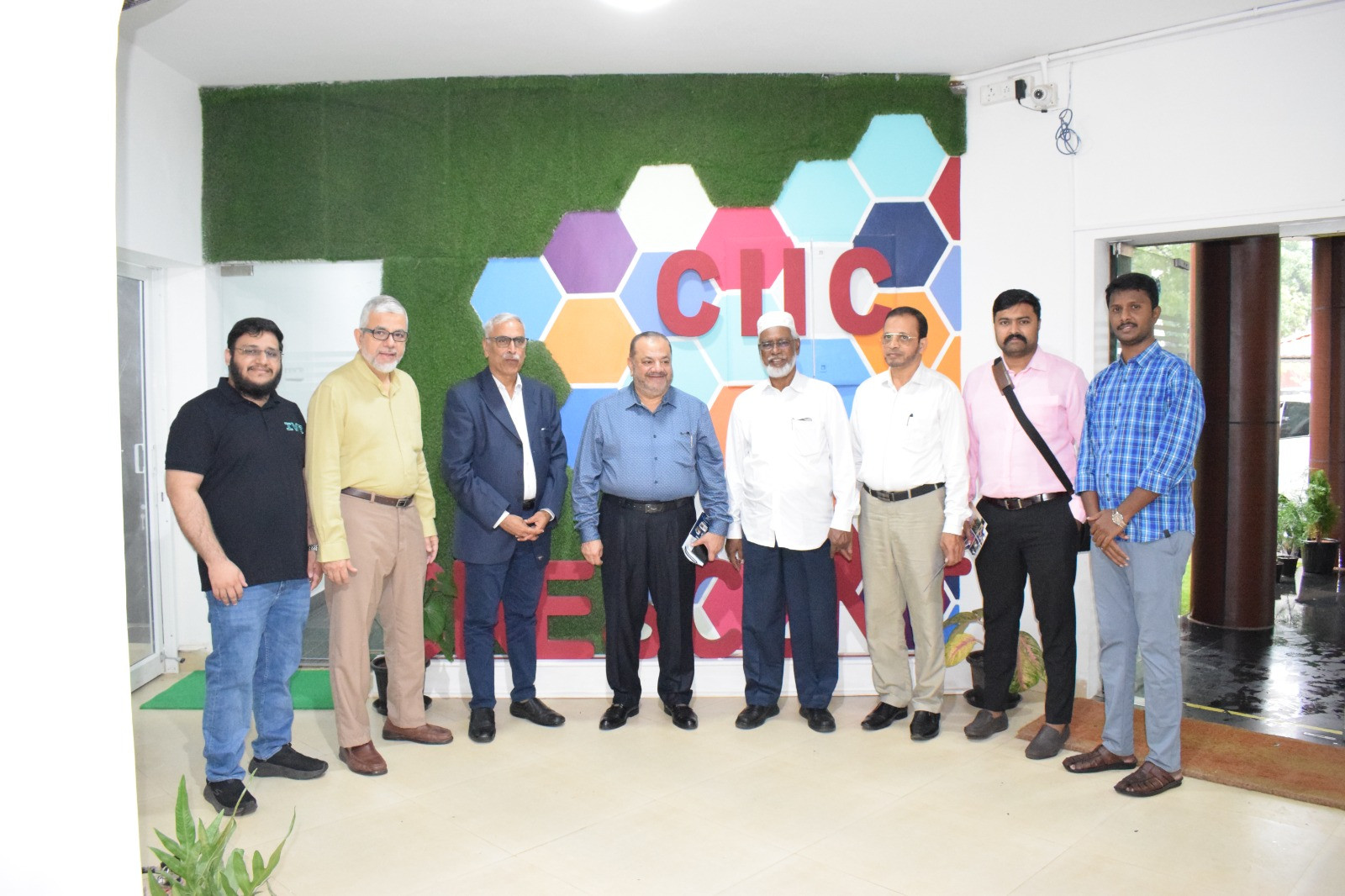
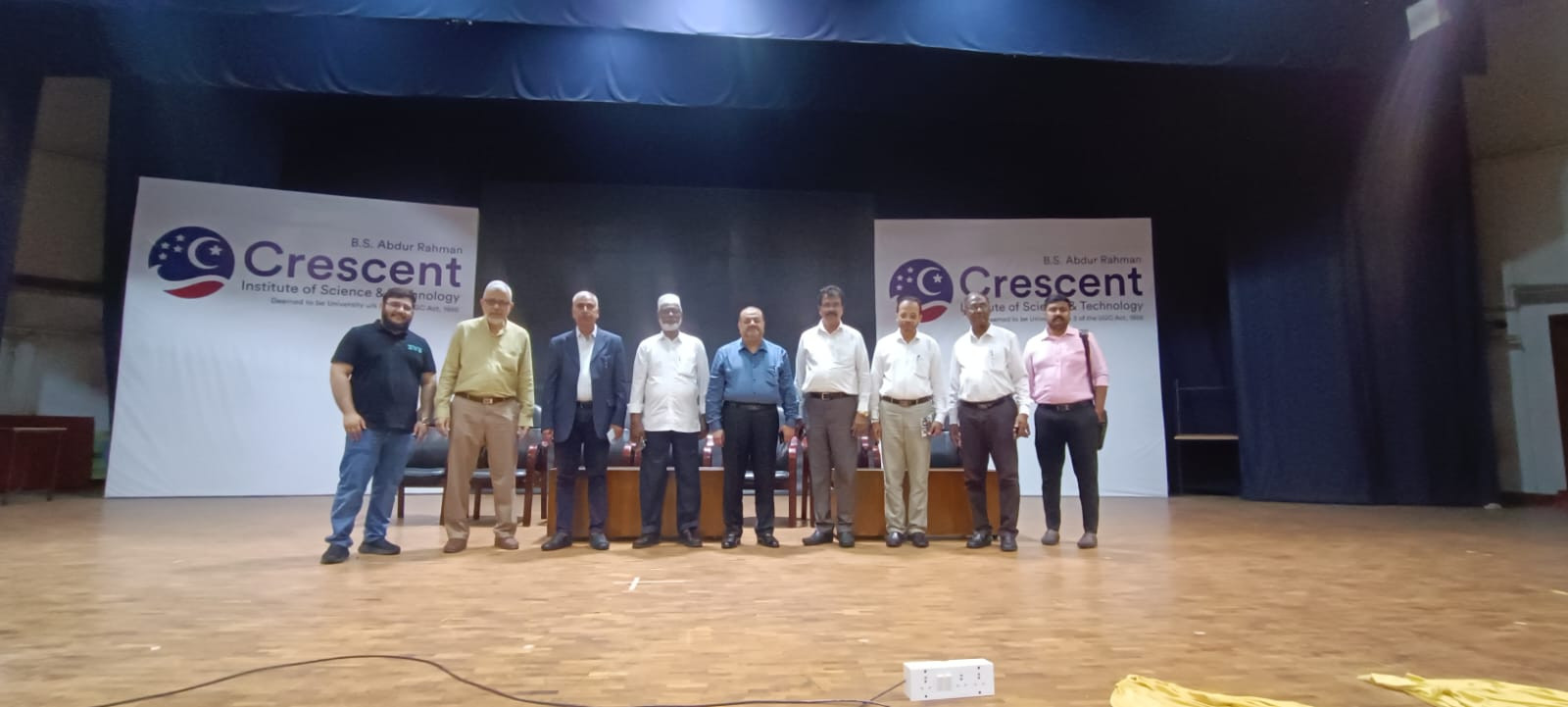
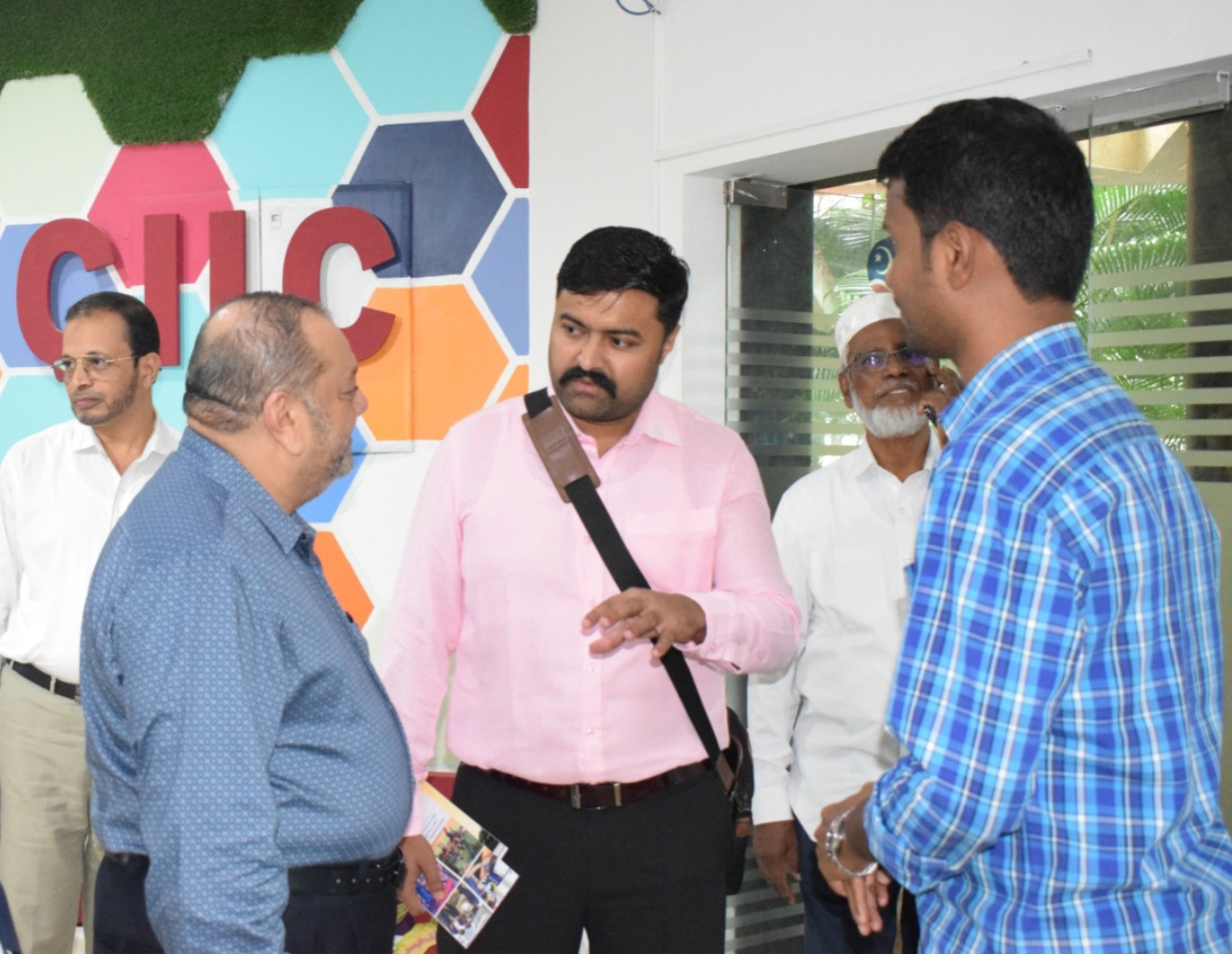
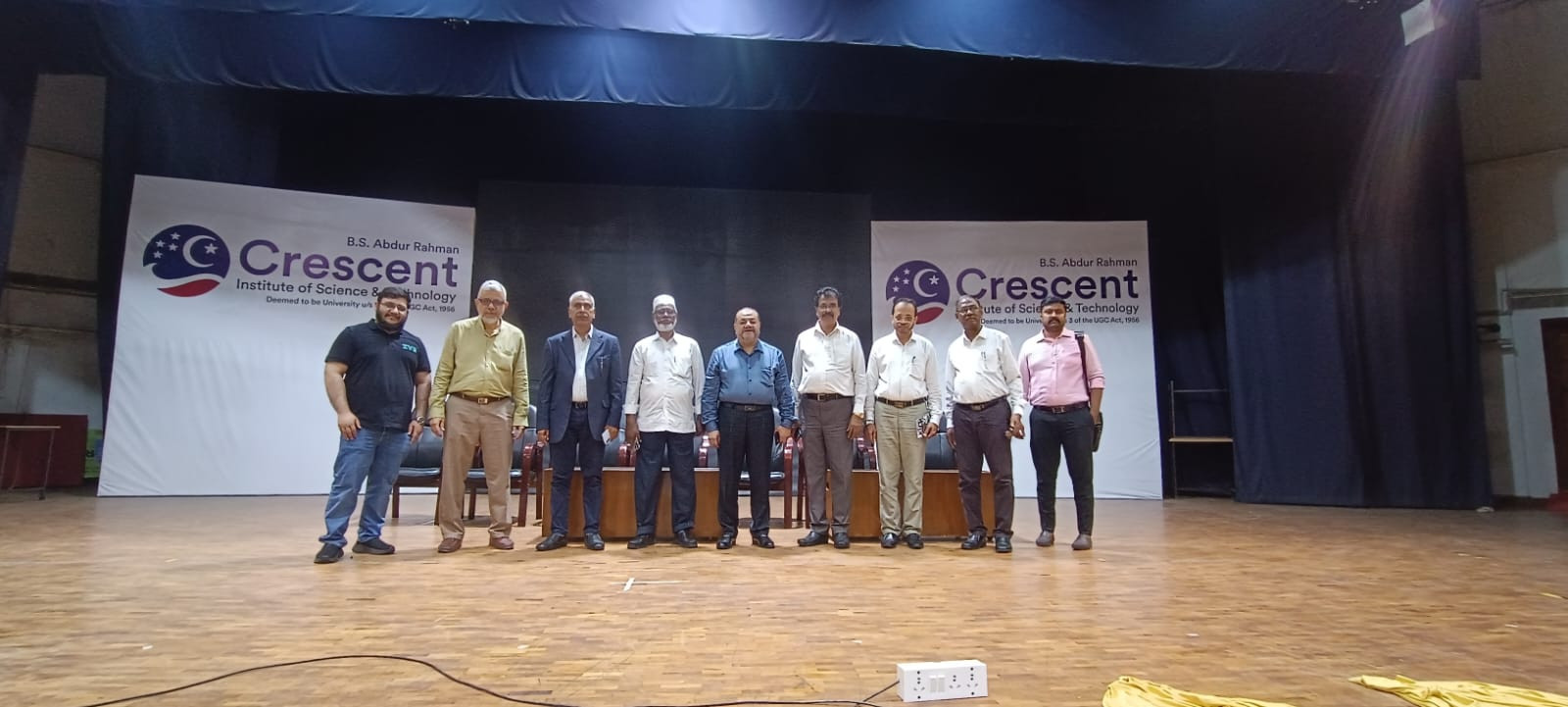
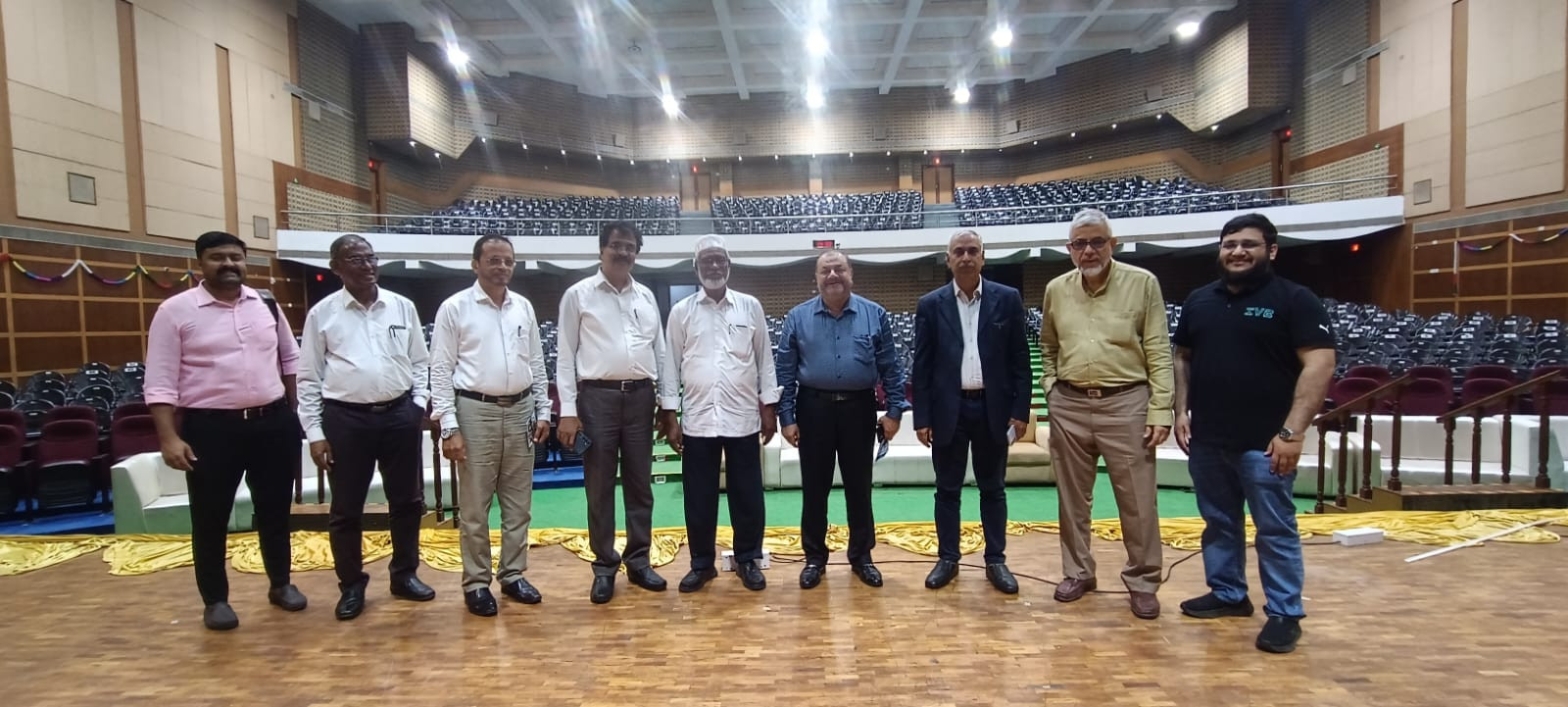
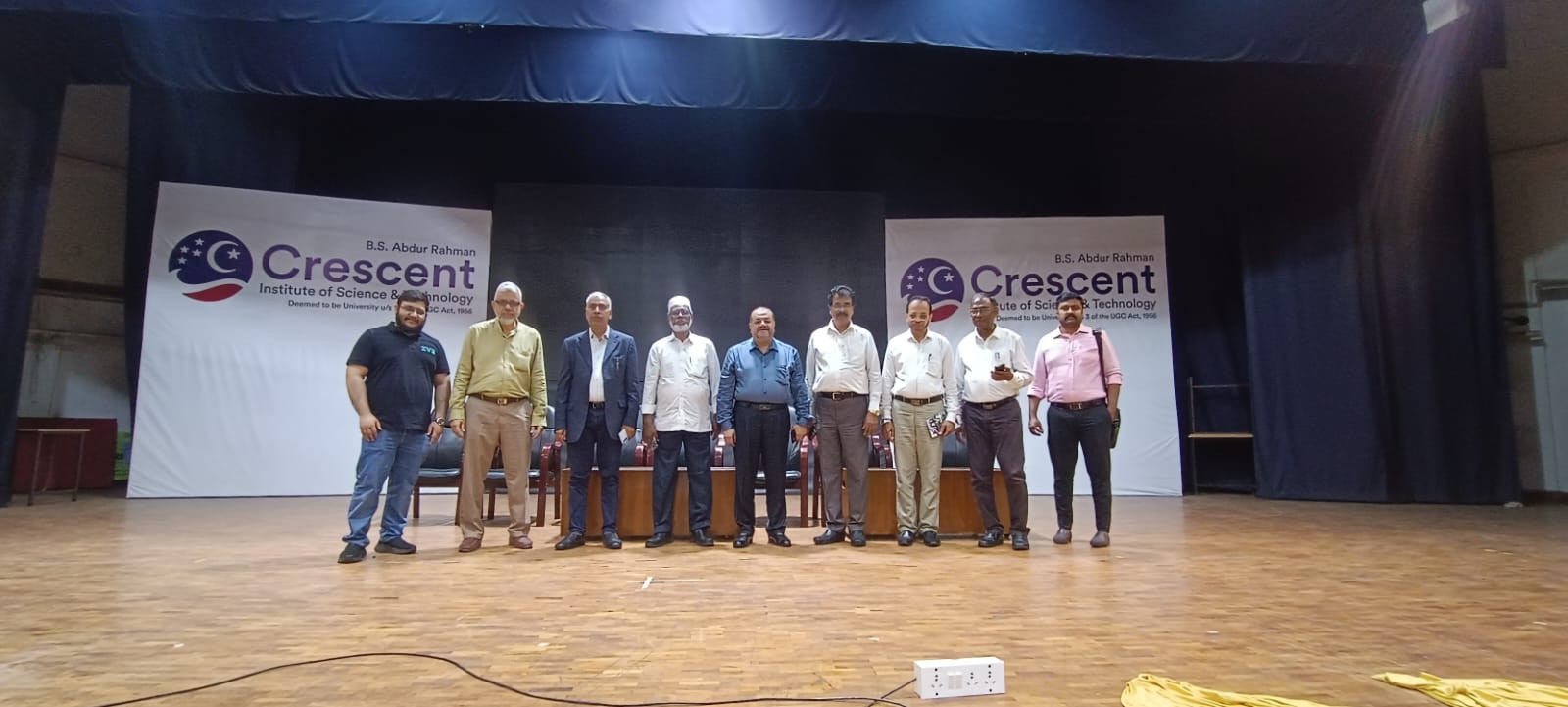
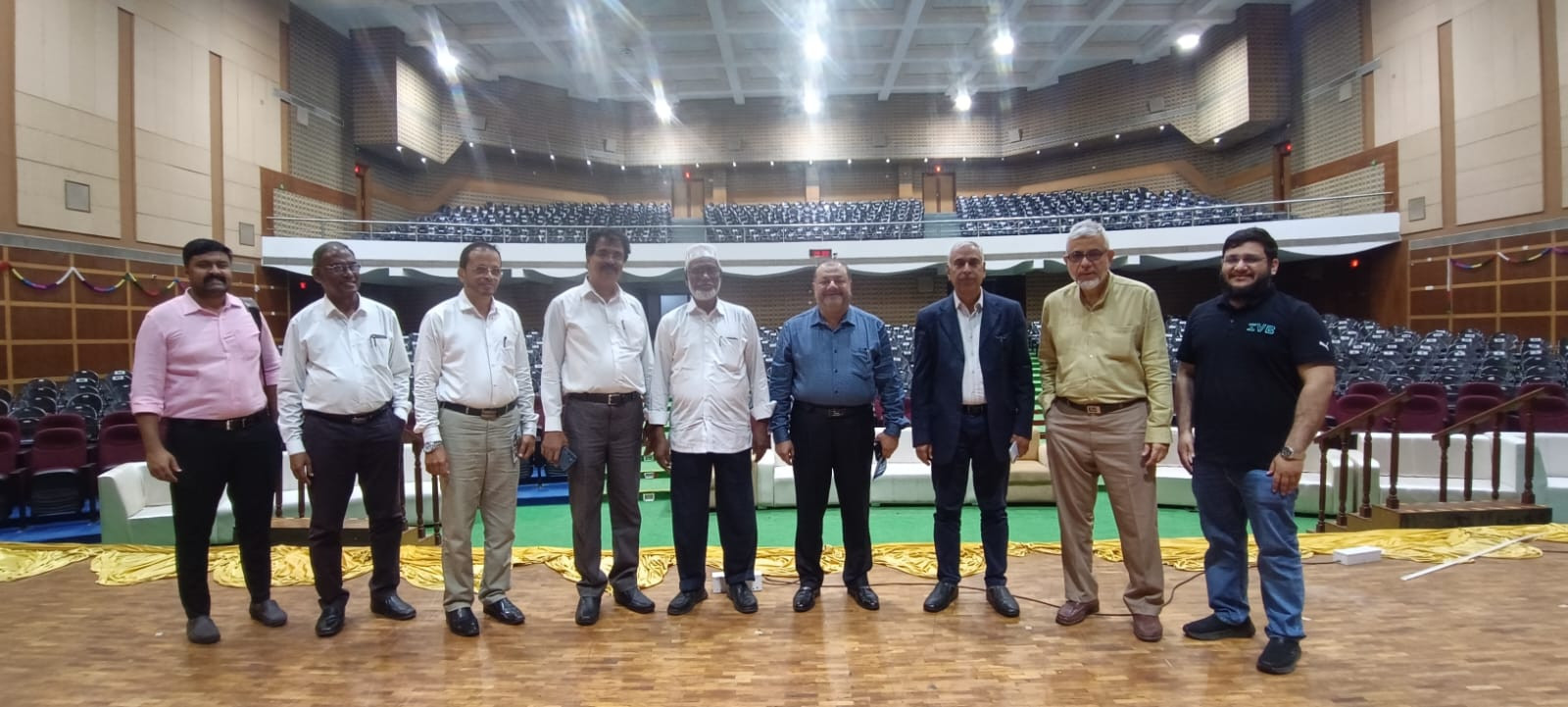
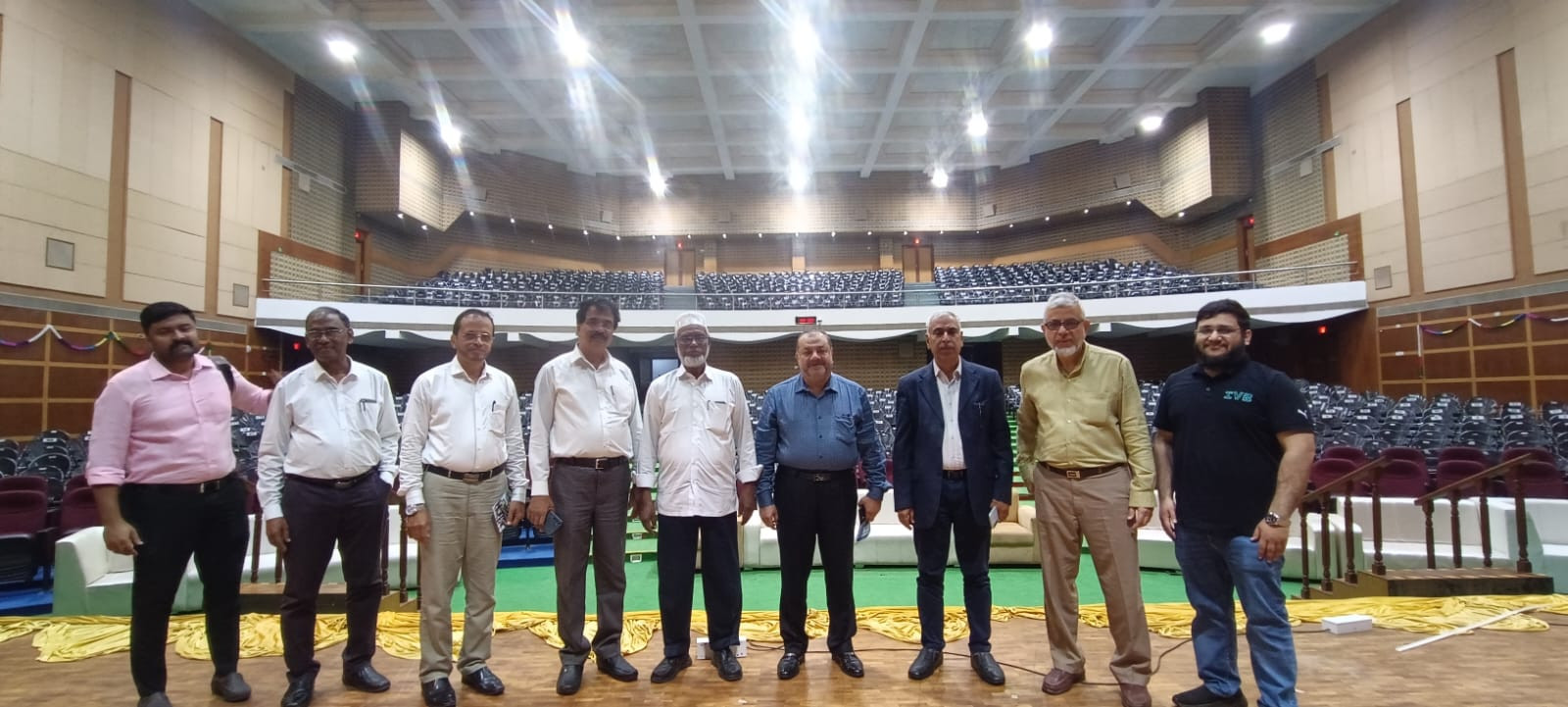
Chennai: The Crescent Innovation and Incubation Council (CIIC) hosted Yunus Kazia, Chairperson of Imam Abdul Rahman Bin Faisal University, Dammam, Saudi Arabia and President of Anjuman Hami-e-Muslimeen, Bhatkal, and Ameen Moshin, Trustee of Anjuman Hami-e-Muslimeen, Bhatkal, for a strategic meeting to explore avenues for cross-border collaboration in fostering innovation and economic development.
The discussions centered around establishing an Innovation Hub in Saudi Arabia, leveraging global best practices in research and technological advancements. The proposed collaboration aims to strengthen ties between India and Saudi Arabia in innovation, entrepreneurship, and economic growth.
Yunus Kazia and Ameen Moshin were welcomed by the CIIC team, including its registrar and senior representatives. During the meeting, CIIC outlined a strategic vision for creating an Innovation Hub in Saudi Arabia. The proposed initiative would facilitate the exchange of ideas, technology, and resources between the two countries, foster the growth of startups and entrepreneurial ventures, and support the commercialization of research through advanced technological collaboration.
The meeting also focused on knowledge exchange in emerging technologies and innovation practices. CIIC highlighted its expertise in building structured innovation ecosystems, emphasizing its role in training programs to enhance research and innovation capabilities. Collaborative research and the sharing of best practices in incubation, mentorship programs, funding models, and international partnerships were discussed as critical areas of focus.
Both parties explored the potential for bridging the gap between the two countries in technological innovation and economic development. The discussions included plans for fostering startups in technology, healthcare, education, and sustainability sectors. The partnership aims to create a global ecosystem of innovation while contributing to economic prosperity by aligning with emerging industrial trends.
A shared vision for the future emerged from the meeting, with both sides expressing a commitment to advancing innovation and entrepreneurship. Plans to develop a roadmap for the proposed Innovation Hub include conducting a feasibility study, drafting a formal Memorandum of Understanding (MoU), and initiating joint research, workshops, and conferences to ensure knowledge transfer.
The visit was described as a significant step toward strengthening India-Saudi ties in technological development and fostering a culture of innovation.
Abdul Rahman Badar, Secretary, Bhatkal Muslim Association Chennai was also present during the visit.
Let the Truth be known. If you read VB and like VB, please be a VB Supporter and Help us deliver the Truth to one and all.
Actress sexual assault: Court says Prosecution 'miserably' failed to prove conspiracy against Dileep
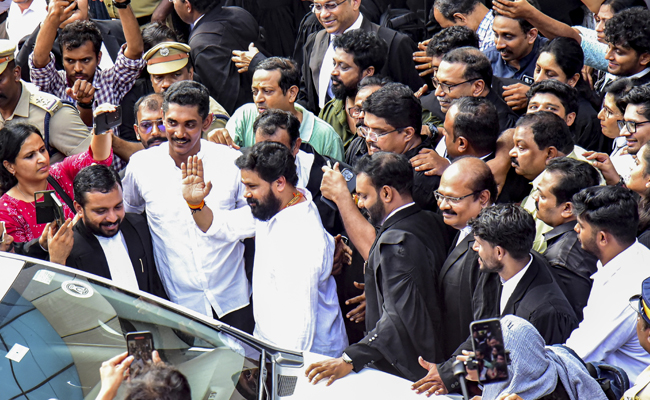
Kochi (PTI): The prosecution had "miserably" failed to prove the conspiracy charge against Dileep in the sensational 2017 actress sexual assault case, a local court has observed while citing inconsistencies and lack of sufficient evidence against the Malayalam star.
The full judgement of Ernakulam District and Principal Sessions Court Judge Honey M Varghese was released late on Friday, and has revealed the judge also pointing out at unsustainable arguments put forth by the prosecution.
"The prosecution miserably failed to prove the conspiracy between accused No.1 (Pulsar Suni) and accused No.8 (Dileep) in executing the offence against the victim," the court held.
It examined in detail, the prosecution's allegation that Dileep had hired the prime accused to sexually assault the survivor and record visuals, including close-up footage of a gold ring she was wearing, to establish her identity.
On page 1130 of the judgment, under paragraph 703, the court framed the issue as whether the prosecution's contention that NS Sunil (Pulsar Suni) recorded visuals of the gold ring worn by the victim at the time of the occurrence, so as to clearly disclose her identity, was sustainable.
The prosecution contended Dileep and Suni had planned the recording so that the actress' identity would be unmistakable, with the video of the gold ring intended to convince Dileep that the visuals were genuine.
However, the court noted that this contention was not stated in the first charge sheet and was introduced only in the second one.
As part of this claim, a gold ring was seized after the victim produced it before the police.
The court observed that multiple statements of the victim were recorded from February 18, 2017, following the incident, and that she first raised allegations against Dileep only on June 3, 2017.
Even on that day, nothing was mentioned about filming of the ring as claimed by the prosecution, the court said.
The prosecution failed to explain why the victim did not disclose this fact at the earliest available opportunities.
It further noted that although the victim had viewed the sexual assault visuals twice, she did not mention any specific recording of the gold ring on those occasions, which remained unexplained.
The court also examined the approvers' statements.
One approver told the magistrate that Dileep had instructed Pulsar Suni to record the victim's wedding ring.
The court observed that no such wedding ring was available with her at that time.
During the trial, the approver changed his version, the court said.
The Special Public Prosecutor put a leading question to the approver on whether Dileep had instructed the recording of the ring, after which he deposed that the instruction was to record it to prove the victim's identity.
The court observed that the approver changed his account to corroborate the victim's evidence.
When the same question was put to another approver, he repeated the claim during the trial but admitted he had never stated this fact before the investigating officer.
The court noted that the second approver even went to the extent of claiming Dileep had instructed the execution of the crime as the victim's engagement was over.
This showed that the evidence of the second approver regarding the shooting of the ring was untrue, as her engagement had taken place after the crime.
The court further observed that the visuals themselves clearly revealed the victim's identity and that there was no need to capture images of the ring to establish identity.
In paragraph 887, the court examined the alleged motive behind the crime and noted that in the first charge sheet, the prosecution had claimed that accused persons 1 to 6 had kidnapped the victim with the common intention of capturing nude visuals to extort money by threatening to circulate them and there was no mention about Dileep's role in it.
The court also rejected the prosecution's claim that the accused had been planning the assault on Dileep's instructions since 2013, noting that the allegation was not supported by reliable evidence.
It similarly ruled out the claim that Suni attempted to sexually assault the victim in Goa in January 2017, stating that witness statements showed no such misconduct when he served as the driver of the vehicle used by the actress there.
The court also discussed various controversies that followed Dileep's arrest and the evidence relied upon by the prosecution, ultimately finding that the case had not been proved.
Pronouning its verdict on the sensational case on December 8, the court acquitted Dileep and three others.
Later, the court sentenced six accused, including the prime accused Suni, to 20 years' rigorous imprisonment.
The assault on the multilingual actress, after the accused allegedly forced their way into her car and held it under their control for two hours on February 17, 2017, had shocked Kerala.
Pulsar Suni sexually assaulted the actress and video recorded the act with the help of the other convicted persons in the moving car.