Congress heads for landslide victory in Zila Parishad polls

Chandigarh, Sep 22 : The ruling Congress in Punjab on Saturday won the most seats in the Zila Parishad and Panchayat Samiti elections and headed for a landslide victory as counting was underway. The main opposition AAP in the state assembly faced a humiliating defeat.
Out of 113 Zila Parishad seats -- out of a total of 354 -- for which results have been declared, the Congress won 106, the BJP-Akali combine six and independents won one. The Aam Adami Party had not won a single seat.
Among prominent winners were former Shiromani Gurdwara Prabandhak Committee President Bibi Jagjir Kaur's daughter Ranjit Kaur; Housing Minister Tript Rajinder Singh Bajwa's son Ravi Nandan Singh Bajwa; Congress legislator Ramanjit Sikki's son-in-law Maninderjit Singh Mani; and former Congress legislator Kawaljit Singh Lally's son Mehtab Singh.
In Patiala, the home constituency of Chief Minister Amarinder Singh, the Congress has won 43 Panchayat Samiti seats and the Shiromani Akali Dal four.
The Akalis suffered a humiliating defeat in their home turf Muktsar as the Congress won 10 of the 13 Zila Parishad zones.
All six Zila Parishad seats in Ludhiana were won by the Congress.
The Congress won a majority in Gurdaspur by securing 154 of the total 213 Panchayat Samiti zones. In Zila Parishad, the Congress won 15 of the 25 seats and was leading in the remaining seats.
Out of the total 148 seats of the Panchayat Samiti in Bathinda, the Congress won 31, Akalis four and the AAP and independents three each. The counting for 107 seats is on.
Sporadic skirmishes, mainly between the Congress and the Akalis, were witnessed during the Zila Parishad and Panchayat Samiti polls on September 19.
The voting percentage was 58 per cent.
A total of 354 Zila Parishad and 2,900 Panchayat Samiti members will be elected. There are 22 Zila Parishads and 150 Panchayat Samitis in the state.
Chief Minister Amarinder Singh congratulated his party on their victory saying people had endorsed the positive development and rejected the Akalis' "malicious campaign".
Pointing out that this was the fourth consecutive humiliating defeat of the SAD-BJP combine, after back-to-back victories for the Congress in the state assembly, Urban Local Bodies, Gurdaspur parliamentary and Shahkot assembly by-polls, he termed it a vindication of his party's efforts to bring the state out of the quagmire of devastation into which it had been plunged by the previous SAD-BJP government.
Let the Truth be known. If you read VB and like VB, please be a VB Supporter and Help us deliver the Truth to one and all.
CEC orders immediate arrest of those involved in post-poll violence in Bengal: Official
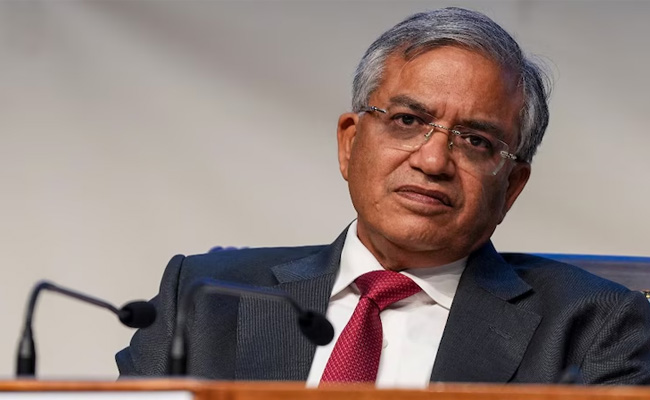
Kolkata (PTI): Chief Election Commissioner Gyanesh Kumar directed the authorities concerned to immediately arrest those involved in post-poll violence and vandalism in West Bengal, an official said on Wednesday.
The Election Commission's directive came after two persons were killed in alleged incidents of post-poll violence in the state on Tuesday, besides scores of party offices being ransacked.
The CEC issued instructions to the West Bengal chief secretary, director general of police, Kolkata police commissioner and directors general of central armed police forces, along with all district magistrates, superintendents of police and other officials, to maintain continuous patrolling in sensitive areas, he said.
"Those responsible for inciting violence and carrying out acts of vandalism must be arrested immediately," the official said, quoting the CEC's instruction.
The chief election commissioner also stressed the need for swift and firm enforcement of the law, he added.
This directive came amid concerns over law and order in parts of the state, with the Election Commission closely monitoring the situation, he added.
"We have been asked to remain on high alert and ensure that any attempt to disturb peace is dealt with firmly," a senior police officer said.
The state authorities have intensified vigil across districts, with coordinated efforts between the police and central forces to prevent any untoward incident, he added.
The assembly elections were held in West Bengal in two phases - April 23 and 29. The counting of votes took place on May 4.
The BJP sealed a landslide victory with 207 seats in the 294-member assembly, ending the TMC's uninterrupted 15-year rule in the state.