Congress-RJD leaders insulting 'Chhathi Maiyya', Bihar will never forgive them: PM Modi
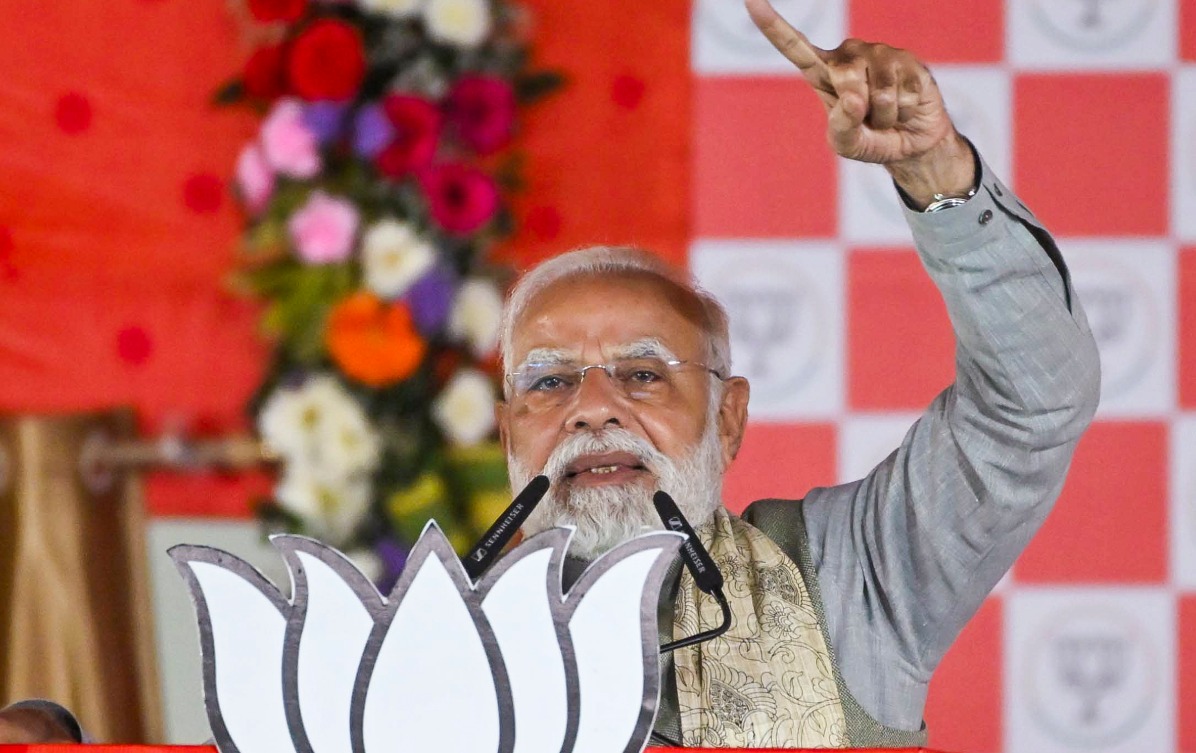
Muzaffarpur(PTI): Prime Minister Narendra Modi on Thursday alleged that Congress and RJD leaders were insulting 'Chhathi Maiyya' to get votes in the Bihar elections, and the people of the state will not forgive them for centuries.
The statement came a day after Congress leader Rahul Gandhi alleged that the PM had tried to enact a "drama" by planning to take a dip in the Yamuna at Delhi on the occasion of Chhath Puja.
Addressing an election rally in Muzaffarpur, where Gandhi had held one of his public meetings on Wednesday, Modi said, "It is my first tour of Bihar after Chhath Puja, which is now famous world over. The festival stands not just for devotion but also for equality, a reason why my government is trying to get a UNESCO heritage tag for this festival."
"I listen to Chhath songs while travelling. I was once moved to listen to one of these songs rendered by a girl from Nagaland. But while this son of yours is busy ensuring that Chhath gets the honour that is its due, the Congress-RJD people are heaping scorn on the festival, calling it a drama, a nautanki," said Modi, without mentioning any leader by name.
Gandhi had alleged that Modi gave up his plans to take a dip when it came to light that the spot he had chosen was a puddle created with clean, piped water, since the Yamuna was extremely polluted and not fit for a bath.
Modi said, "Look at the depths to which these people can stoop while seeking votes. This is an insult to the festival of Chhath that Bihar will not forget for centuries."
He alleged that the relationship between the RJD and Congress was like water and oil, and they came together to "grab power at any cost, so that they can loot Bihar".
"The biggest news in this election is not that abuses are being hurled at me. The biggest news is the infighting between Congress and the RJD. Both parties are pulling each other down despite being allies. The greed for power is the only thing that has brought them together," he alleged.
Terming his opponents as "naamdar" (people with a pedigree), the PM said, "They cannot stomach the fact that a backward class leader, who used to sell tea, has attained such heights. They need to know I do not owe my achievements to their benediction but to the blessings of the people and the Constitution framed by Babasaheb Ambedkar."
He alleged that Ambedkar was insulted by the Congress and RJD leaders.
He claimed that all surveys were showing that the RJD-led coalition would face a humiliating defeat in the assembly polls, so it was making "unrealistic promises".
"All surveys are indicating that the NDA is heading for a big victory. And the RJD-Congress combine will face the worst drubbing in their history," he claimed.
Modi also alleged that the Congress-RJD combine stood for five 'Ks' -- 'katta' (country-made weapons – lawlessness), 'kroorta' (cruelty), 'katuta' (social resentment), 'kushasan' (misgovernance) and corruption.
He remarked, with a hint of alarm, "What type of songs are being played at the rallies of RJD. These speak of 'katta', 'chhura' (dagger), 'dunaali' (double-barreled guns), and kidnapping sisters and daughters."
Modi claimed 35,000-40,000 abductions took place during the RJD regime in the state, and "goons used to loot vehicle showrooms".
"The NDA, on the other hand, stands for preserving and honouring cultural heritage and ensuring all-round development of all states, including Bihar," asserted Modi, who began his speech by making the crowds chant 'phir ek baar NDA sarkar' and 'phir ek baar susashan sarkar' (NDA government once again, good governance once again).
He asked those who "looted" railways how they could develop connectivity in the state.
Known for peppering his speeches with local flavour, the PM uttered a few sentences in local dialect Vajjika and said, "you people have such a sweet way of speaking", noting that Muzaffarpur was famous for "shahi litchi", and luminaries like freedom fighter Khudiram Bose and renowned Hindi litterateurs Ram Vriksh Benipuri and Janaki Vallabh Shastri.
The PM, who spoke of land for jobs scam, in which RJD supremo Lalu Prasad and INDIA bloc's CM candidate Tejashwi Yadav are named as accused, also made a mention of "Golu murder case", an incident of 2001 when kidnapping and murder of a bank employee's eight years old son had left the north Bihar town on the boil.
Let the Truth be known. If you read VB and like VB, please be a VB Supporter and Help us deliver the Truth to one and all.
Iqra aims to create leaders for community: Syed Mohamed Beary at Annual Day in Mangaluru
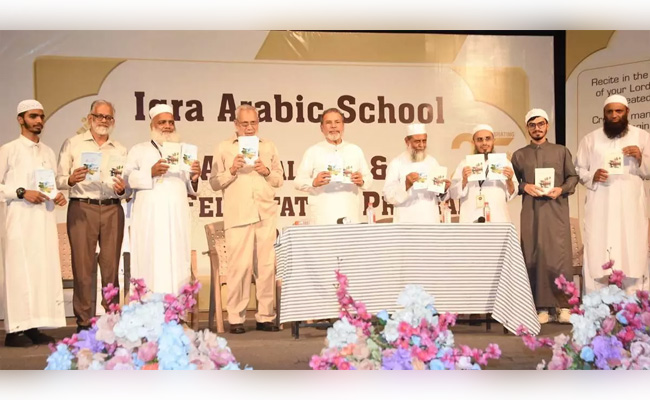
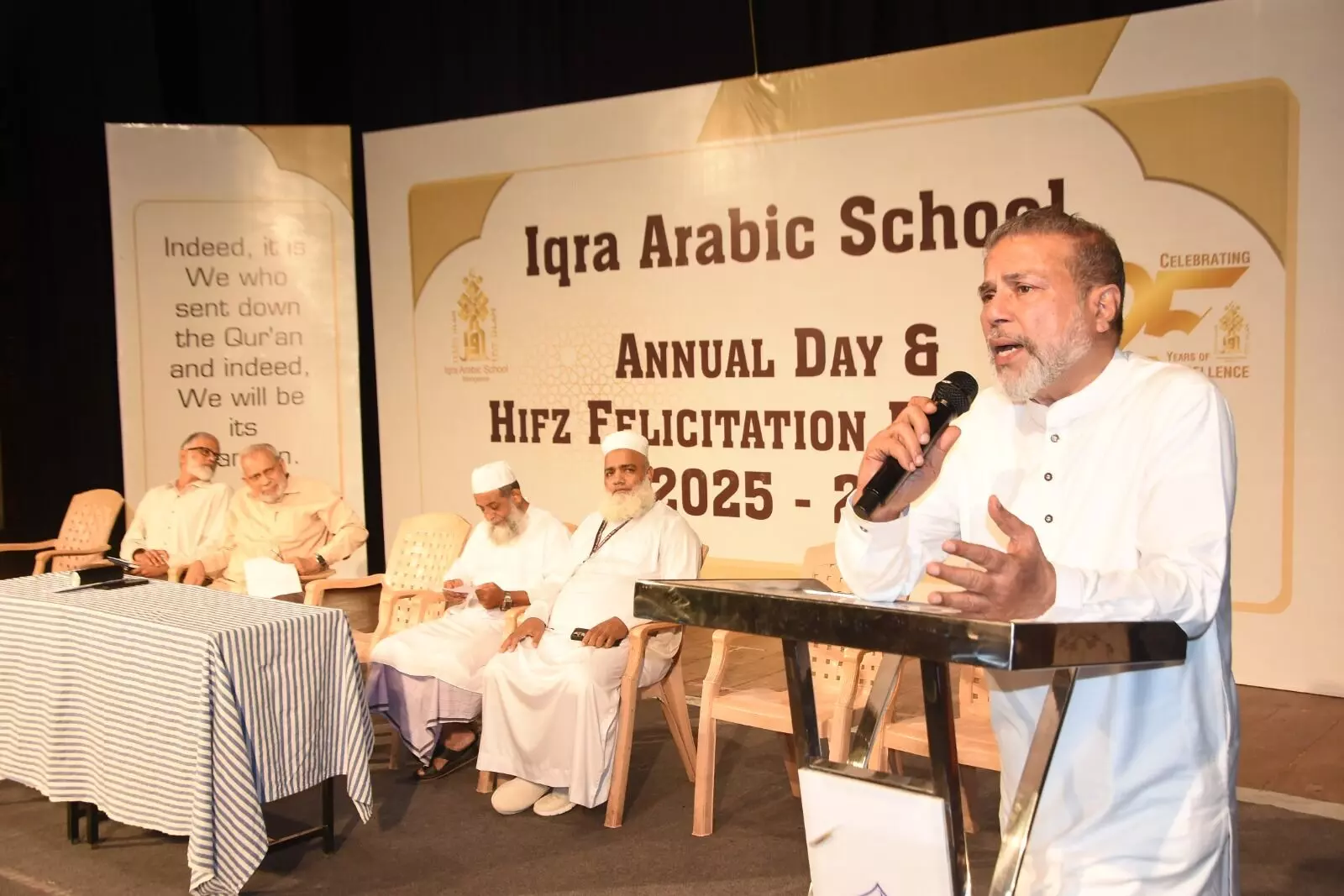
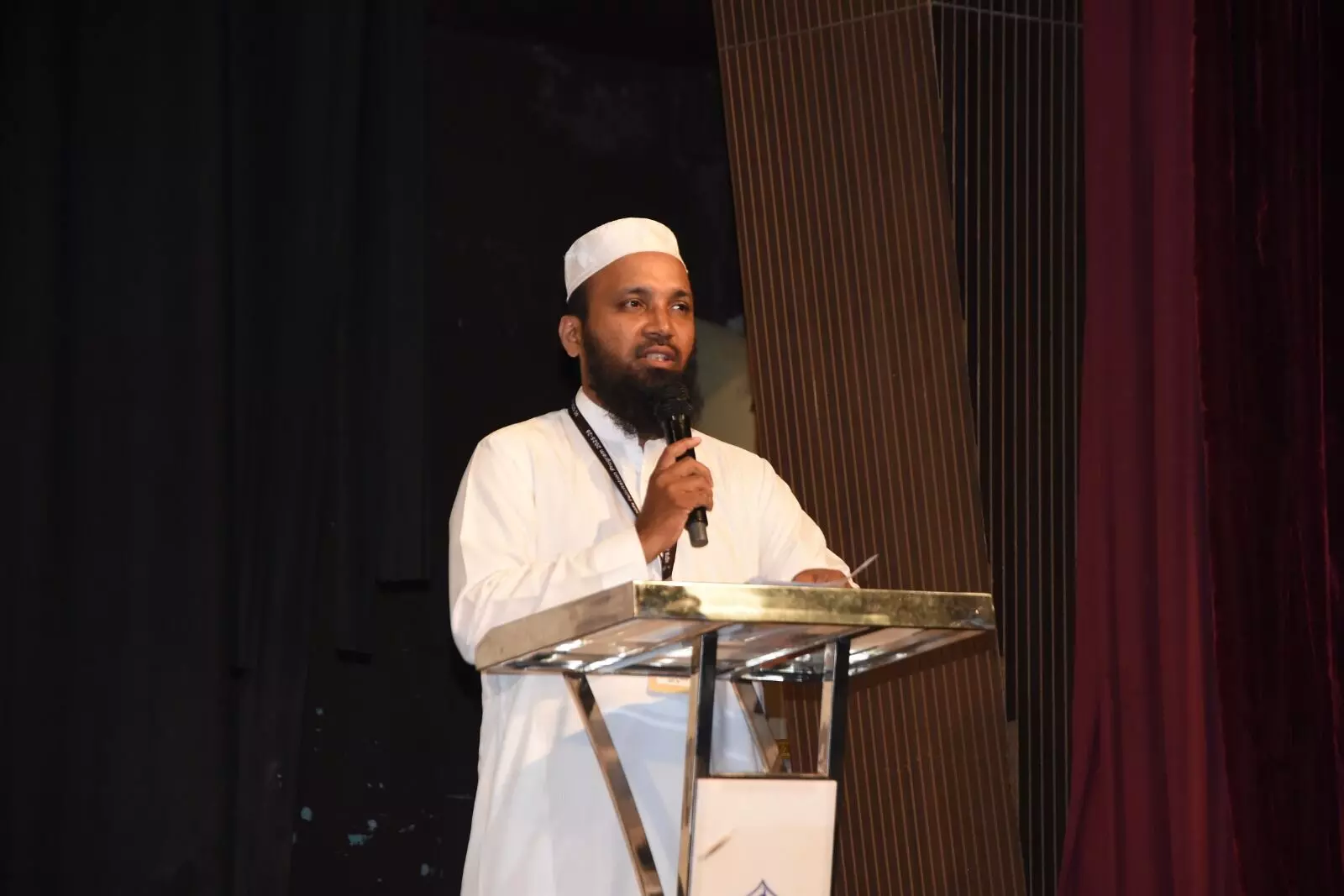
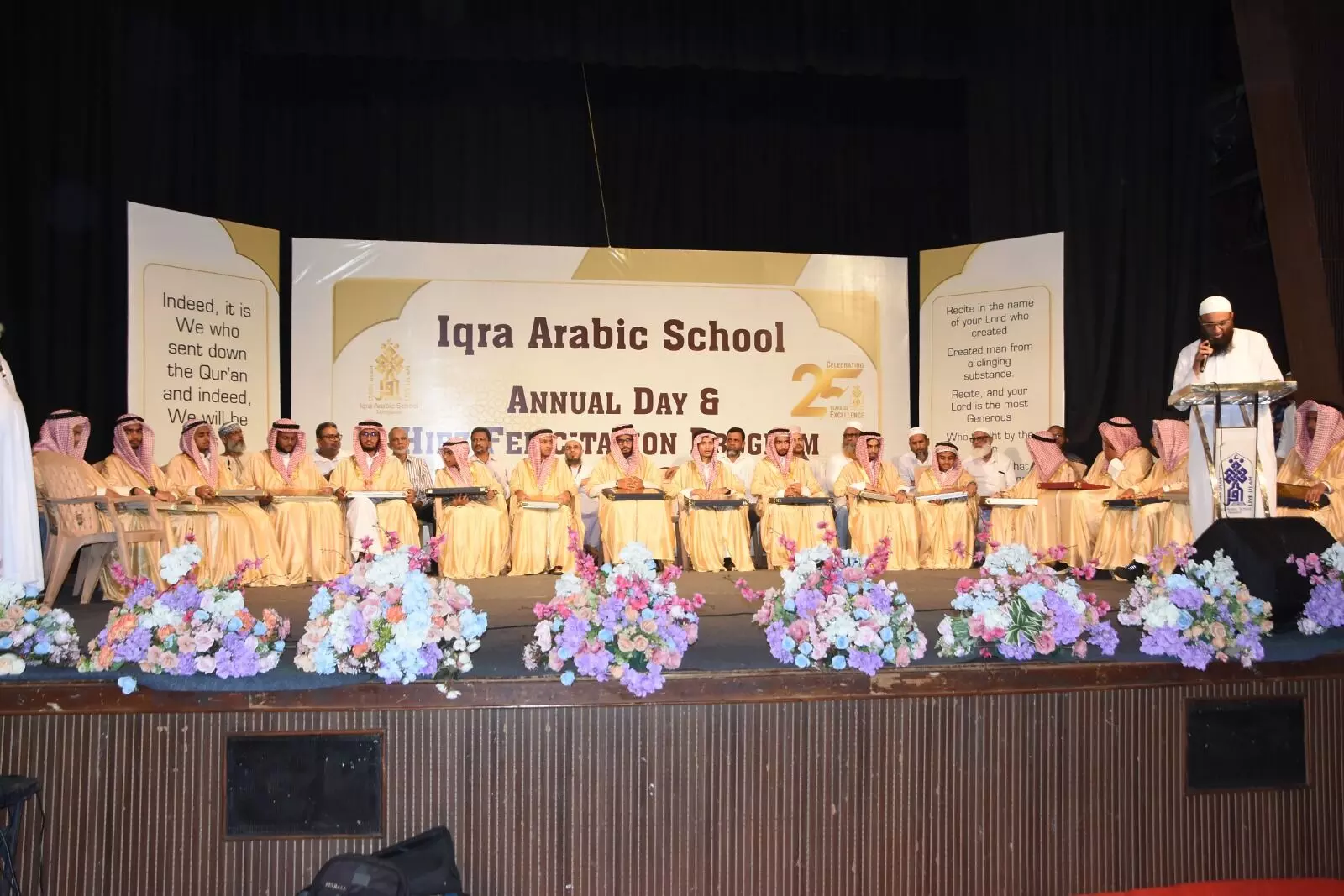
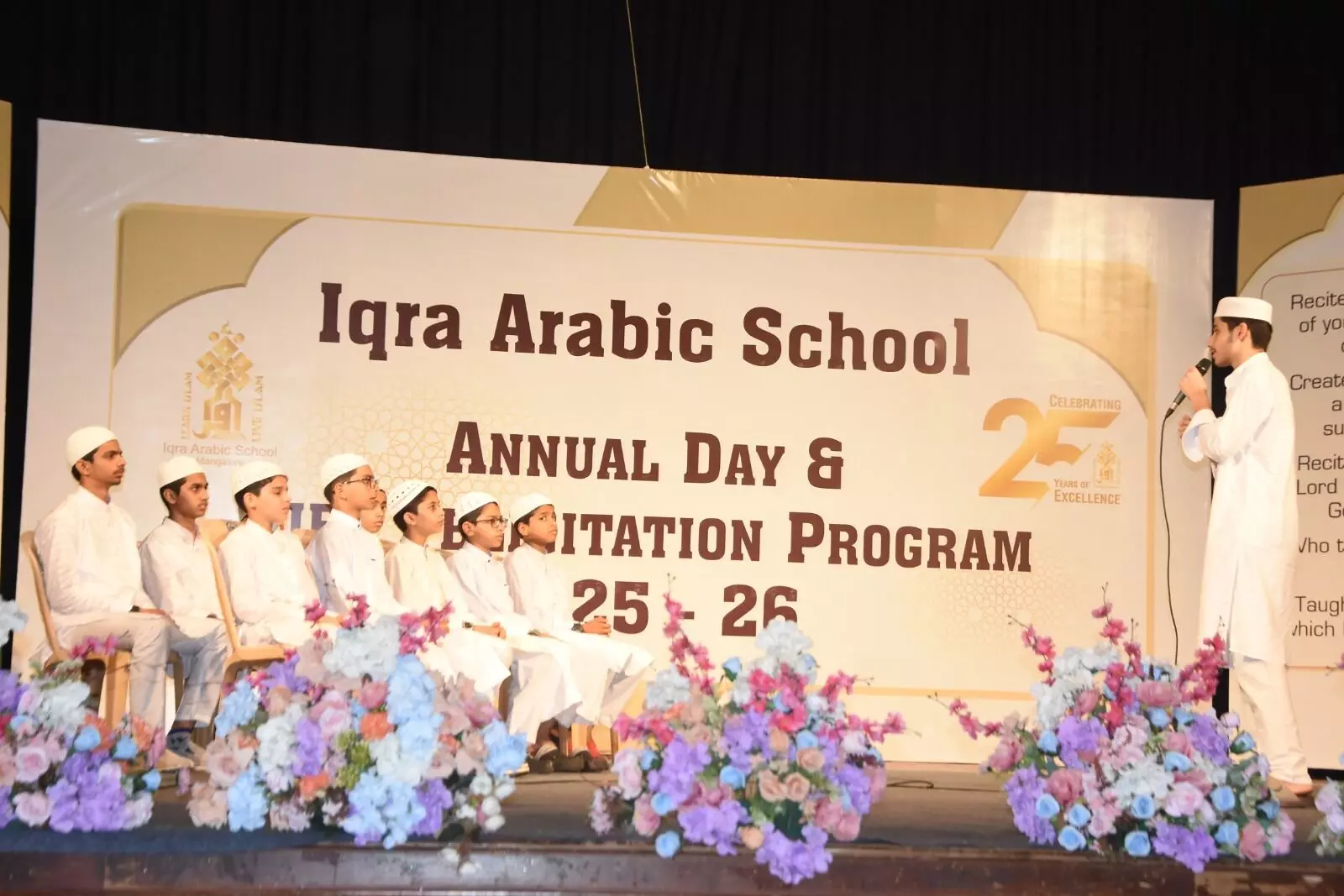
Mangaluru: “The aim of Iqra is to create leaders for the community,” said Syed Mohamed Beary while presiding over the Annual Day 2026 and Hifz felicitation programme of Iqra Arabic School, highlighting the institution’s focus on leadership and long-term community development.
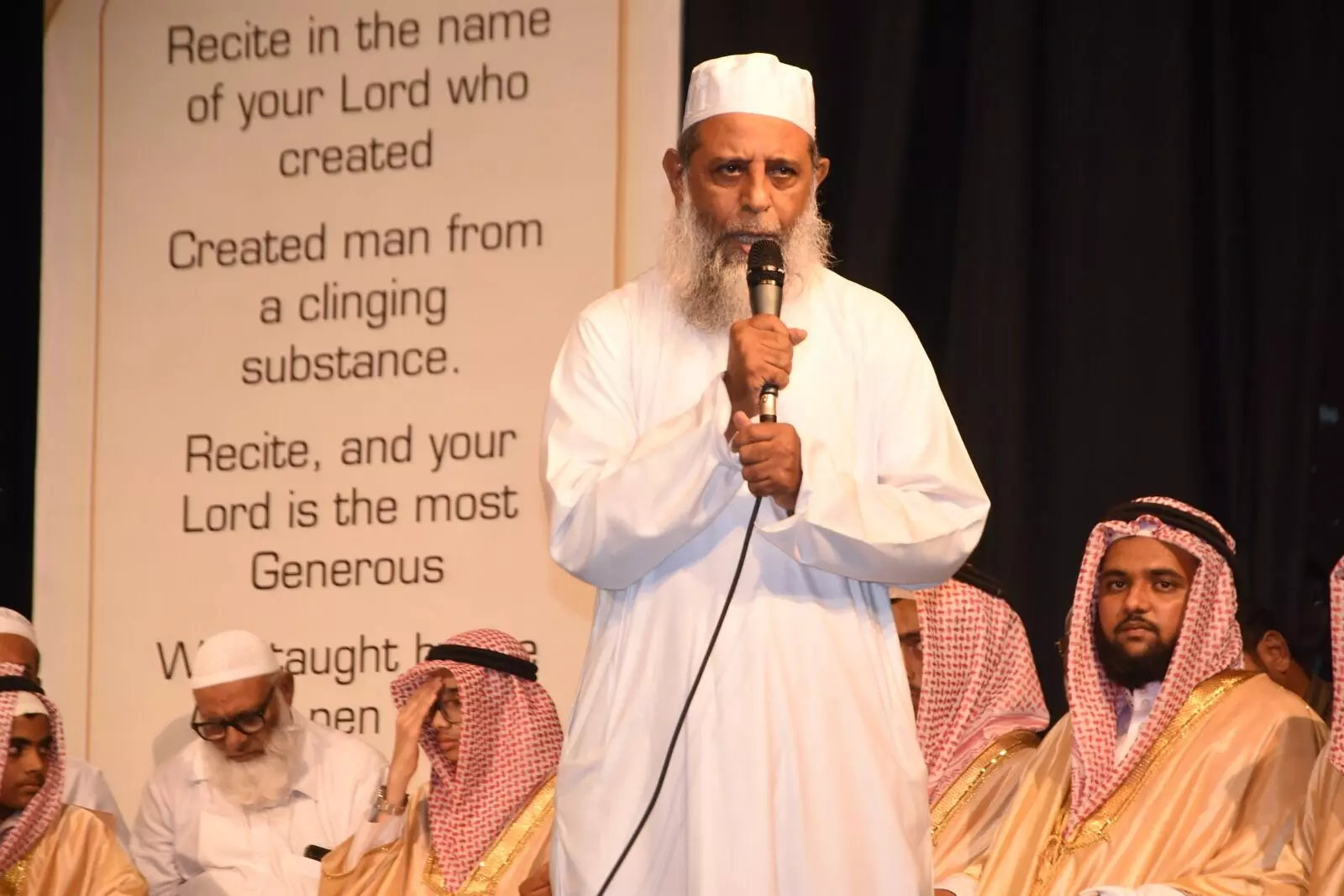
Presiding over the event, Syed Mohamed Beary, Chairman of the Moulana Abul Hasan Ali Nadwi Educational and Charitable Trust, Mangaluru, spoke at length about the journey of the institution since its launch in 2000. He recalled the early days of the school and said it was started with a clear vision to serve the community through education rooted in values. He expressed pride in how the institution has grown over the years, both in strength and in its role within the community.
He said Iqra Arabic School was not built only to provide basic education, but to nurture individuals who can take responsibility and guide society. According to him, the institution has consistently worked towards shaping students into capable leaders who can face present-day challenges while staying connected to their roots. He stressed that the focus has always been on building character along with knowledge.
The programme was compered by Moulana Farhan Nadwi, who introduced the vision of the institution and said the school strives to prepare leaders and scholars who can respond to modern challenges faced by the community.
Chief guest Moulana Maqbool Kobatte, Principal, Jamia Islamia Bhatkal, congratulated the students and their parents for completing the memorisation of the Qur’an. He said these Huffaz are part of Allah’s promise of preserving the Qur’an until the Day of Judgement. He described the Qur’an as a guide for life and said while recitation is important, it is equally necessary to practise its teachings. He also noted that in the race for worldly success, people are moving away from values such as humanity, brotherhood and unity.
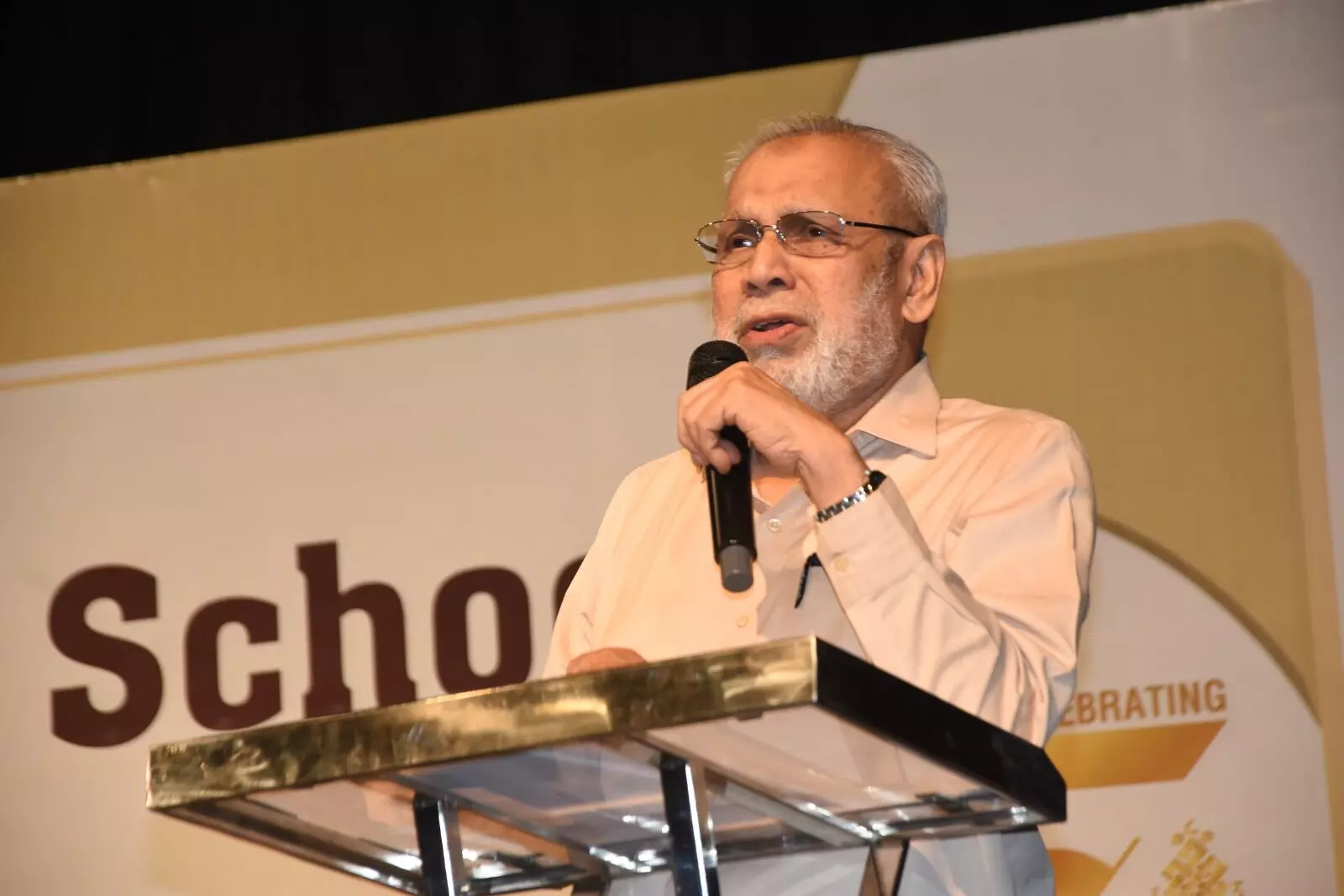
Taha Mateen, Chairman and Managing Director of ACURA Speciality Hospital, said the community should not forget its Islamic roots and history. He recited lines of poetry by Iqbal: “Kabhi ae nawjawaan Muslim tadabbur bhi kiya tu ne, wo kya gardu tha tu jiska hai ek toota hua taara.” He stressed the need to understand the Qur’an and recognise its importance, and urged students to continue learning across different fields without stopping at any stage. He congratulated the students, parents and the management.
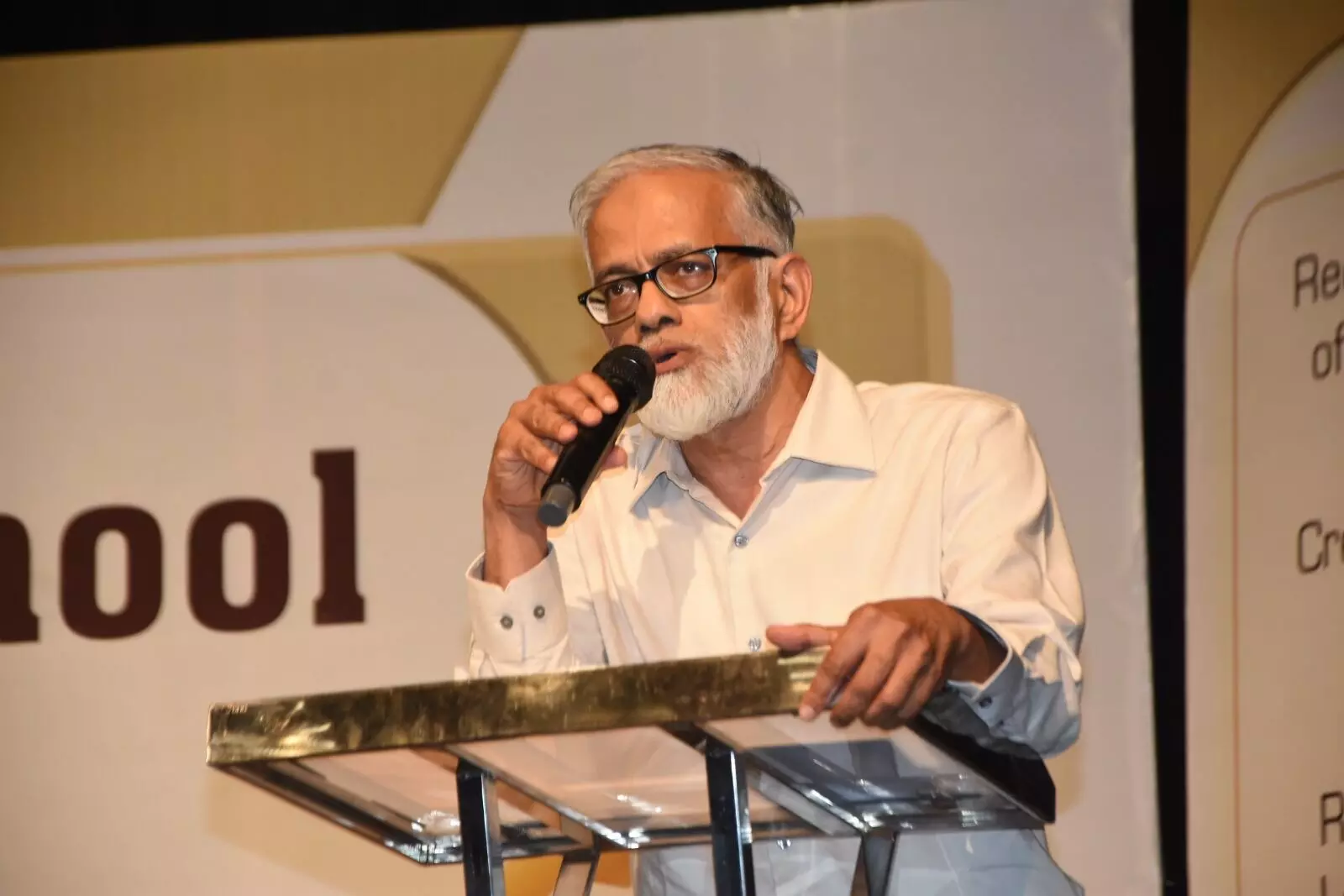
Dr. C P Habeeb Rahman, Chairman and Managing Director o Unity Health Complex, Mangaluru said there is a need for introspection within the Muslim community to understand what has gone wrong and why it has fallen behind despite contributing to global civilisation. He also spoke about the lack of leadership within the community.
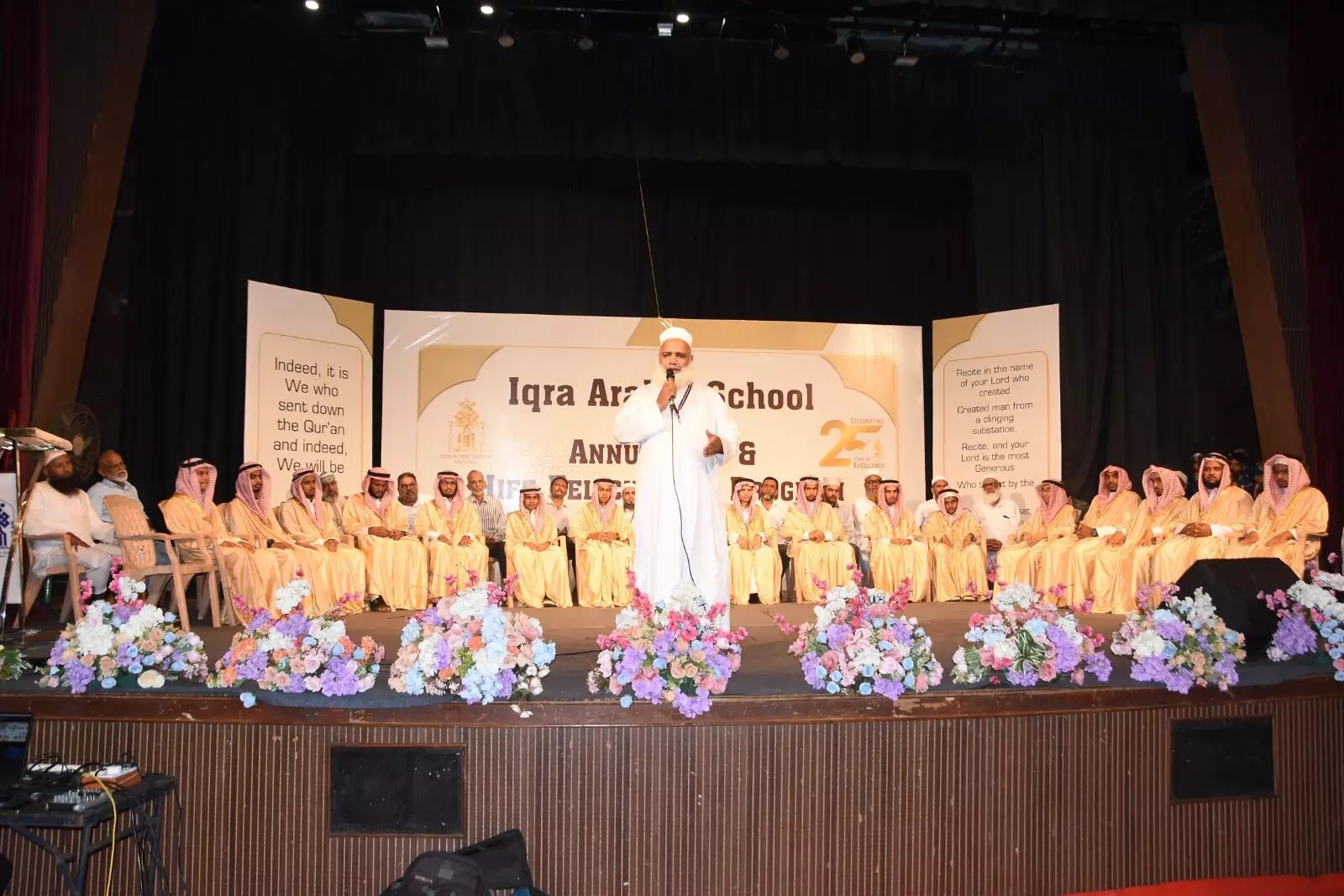
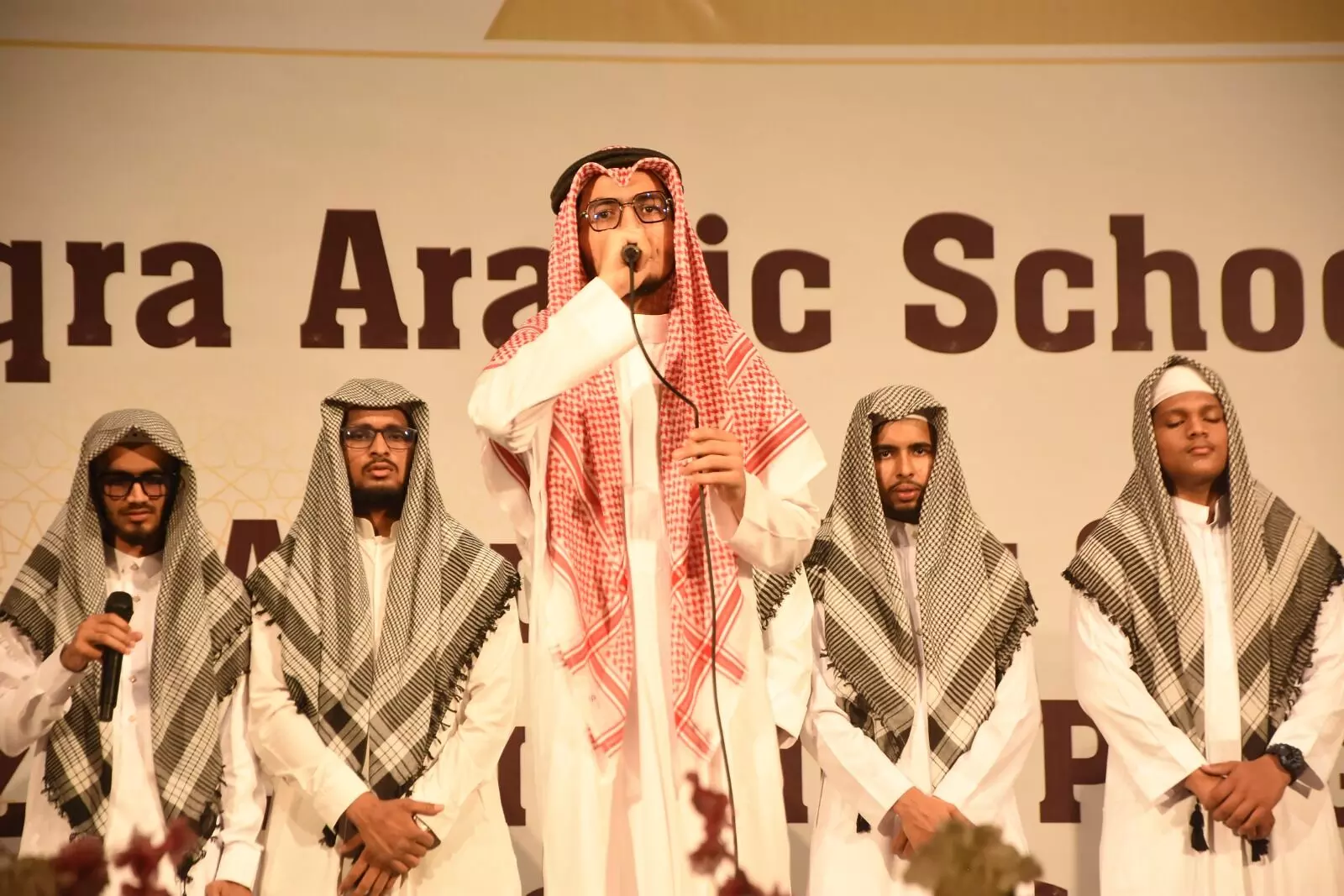
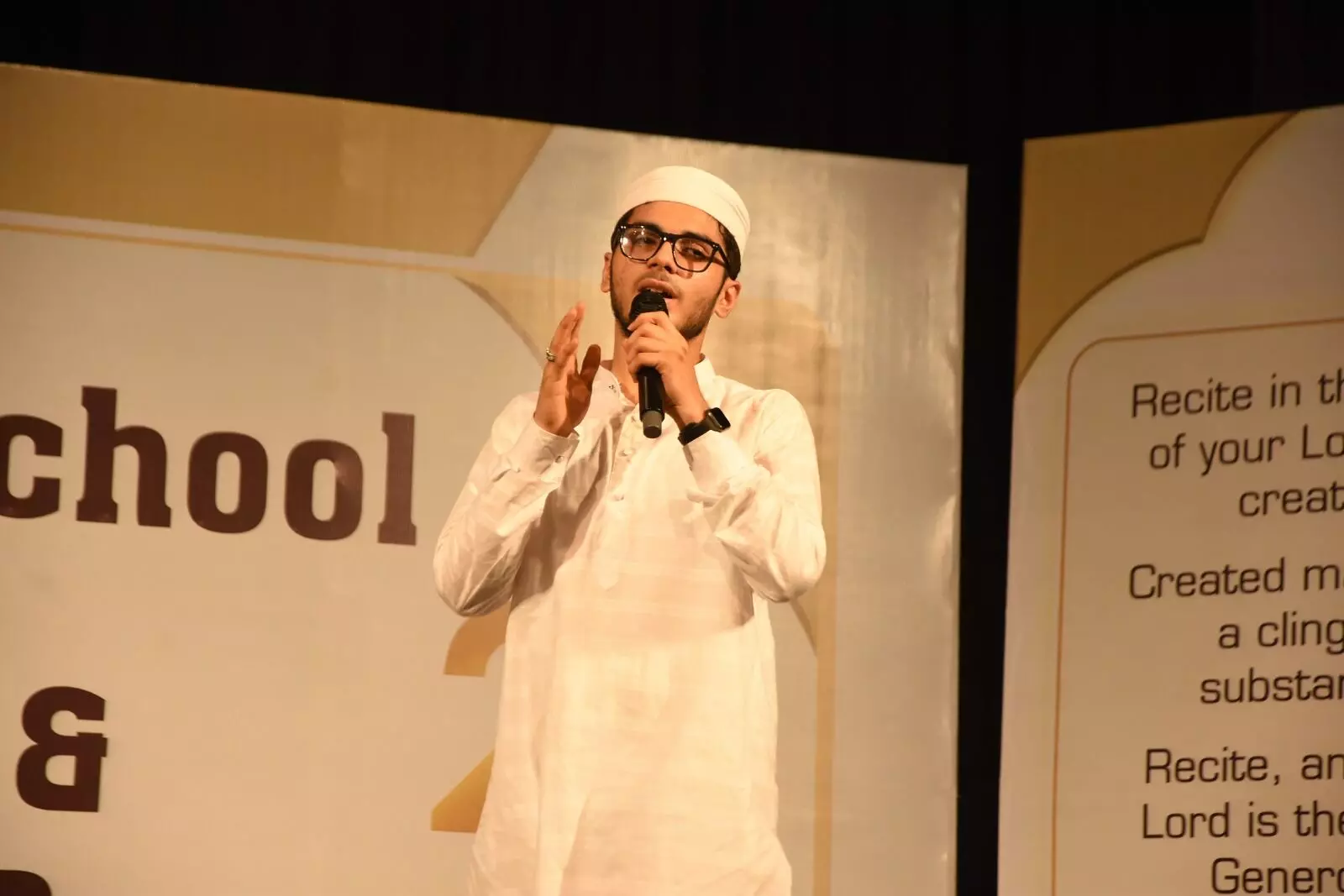
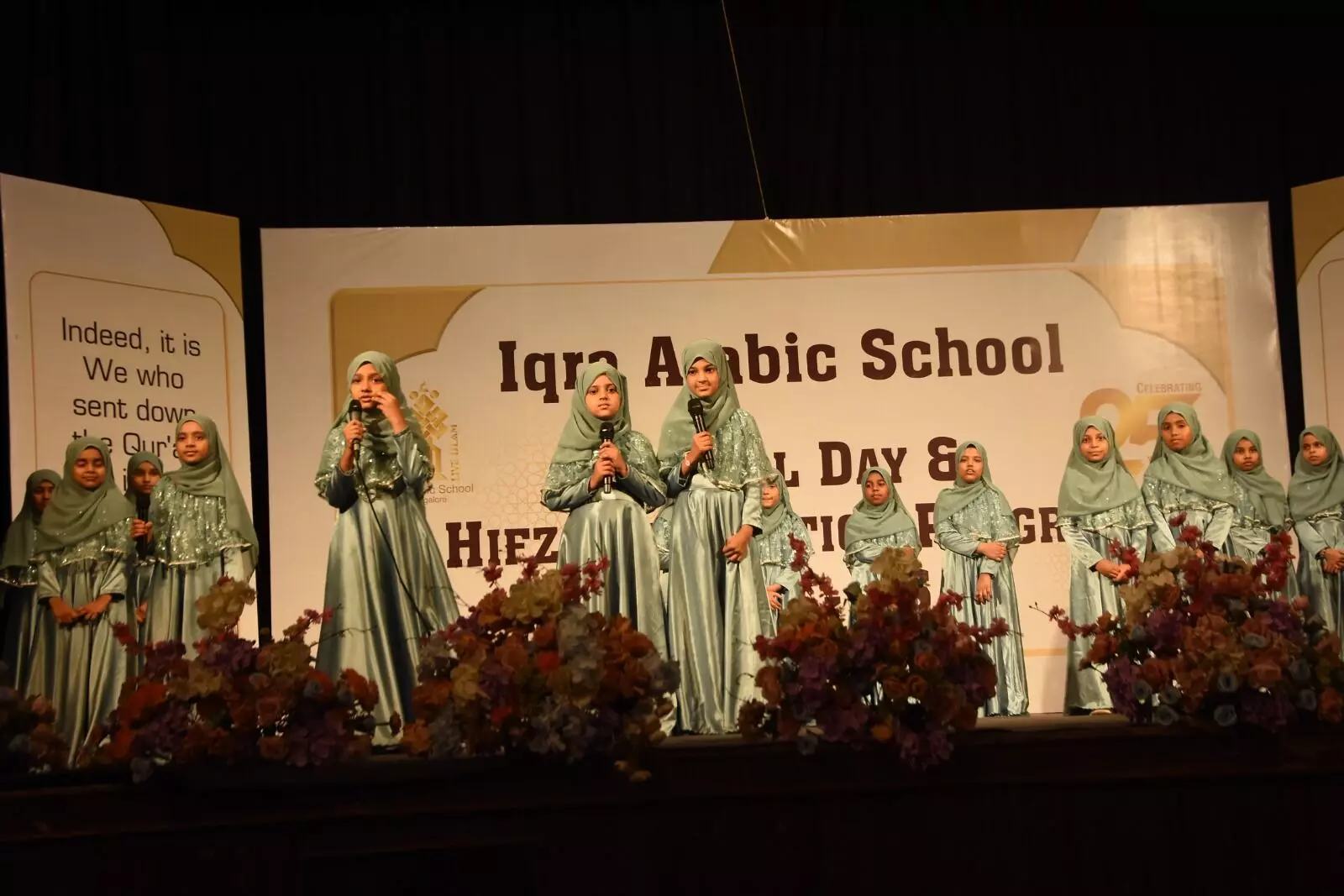
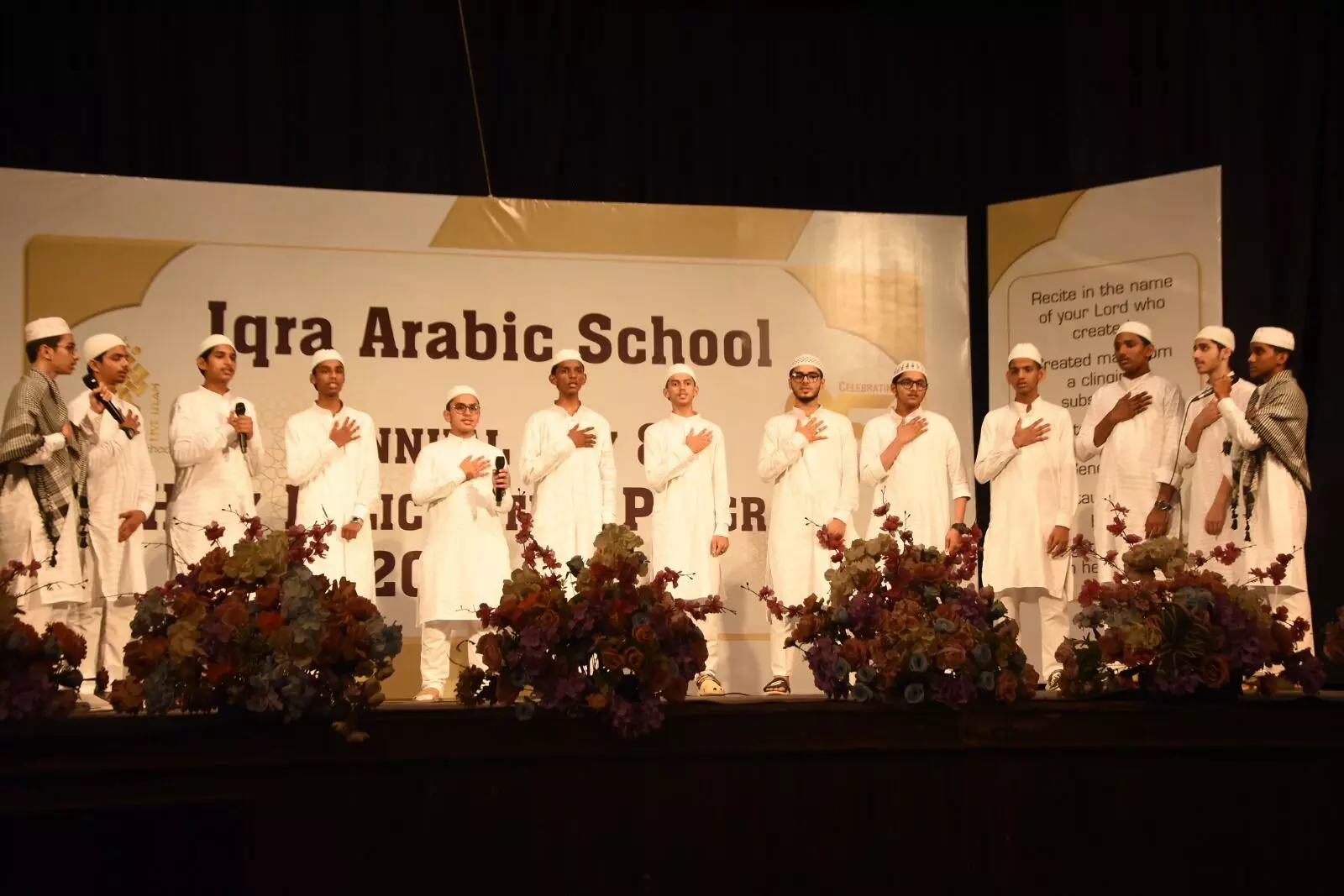
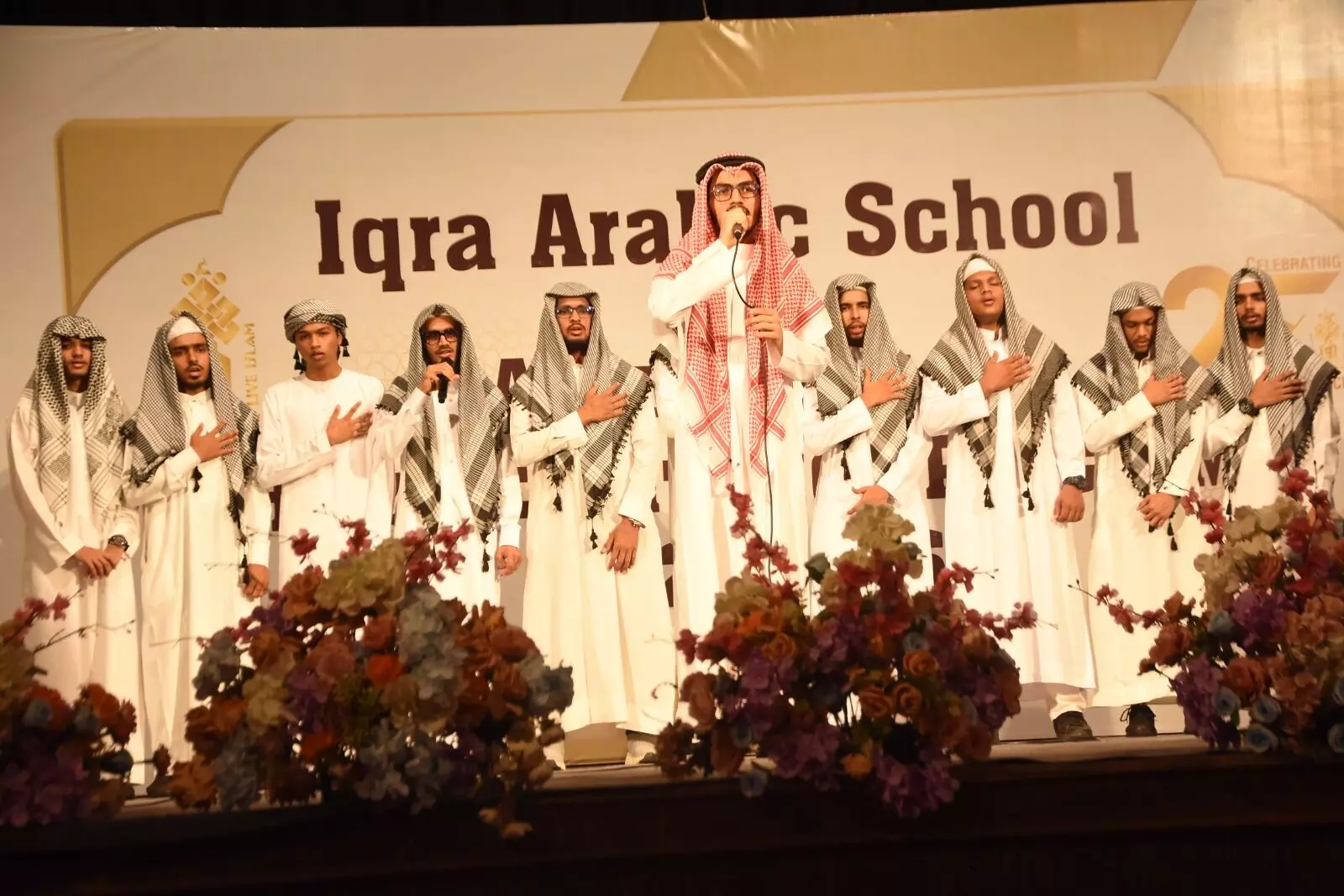
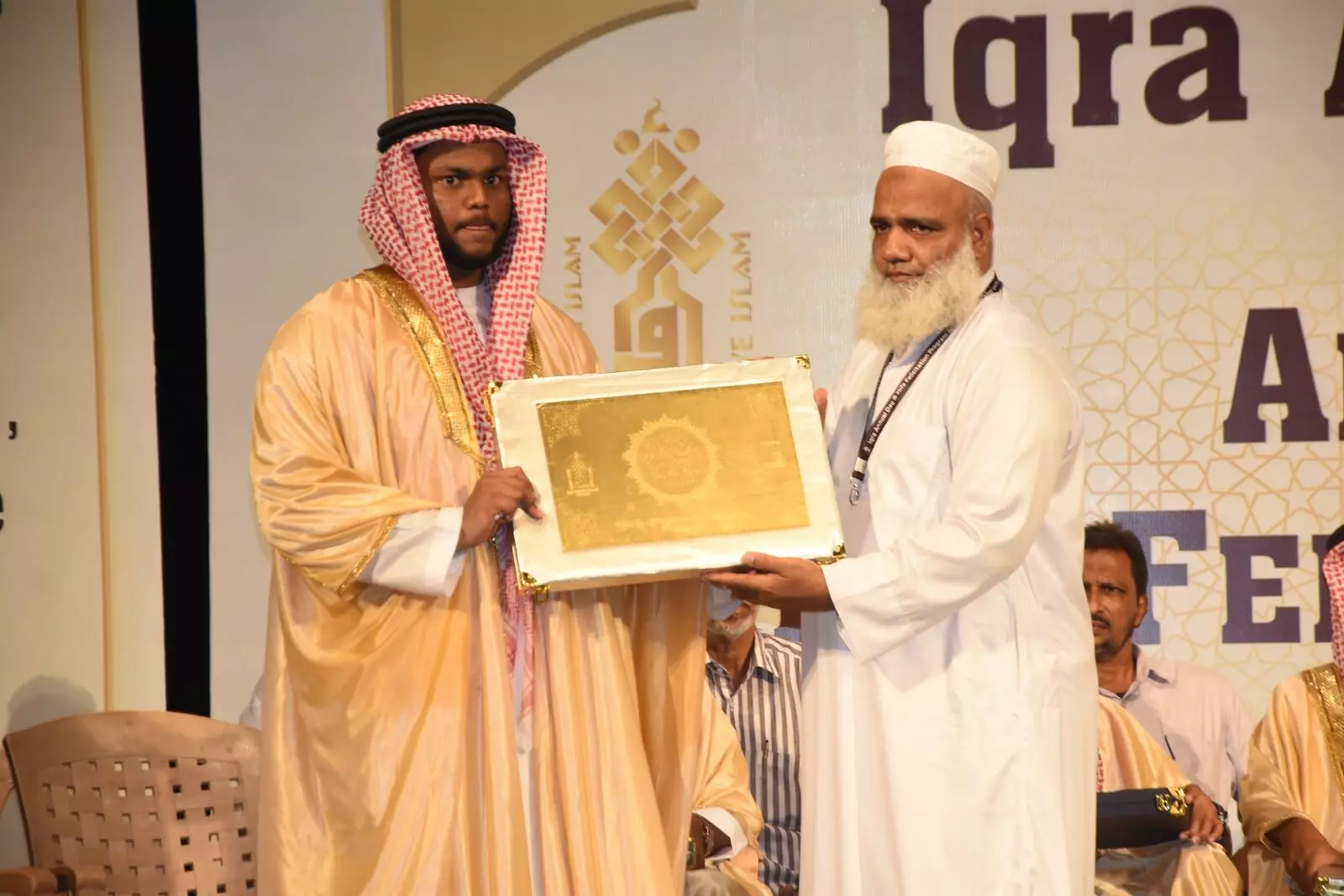
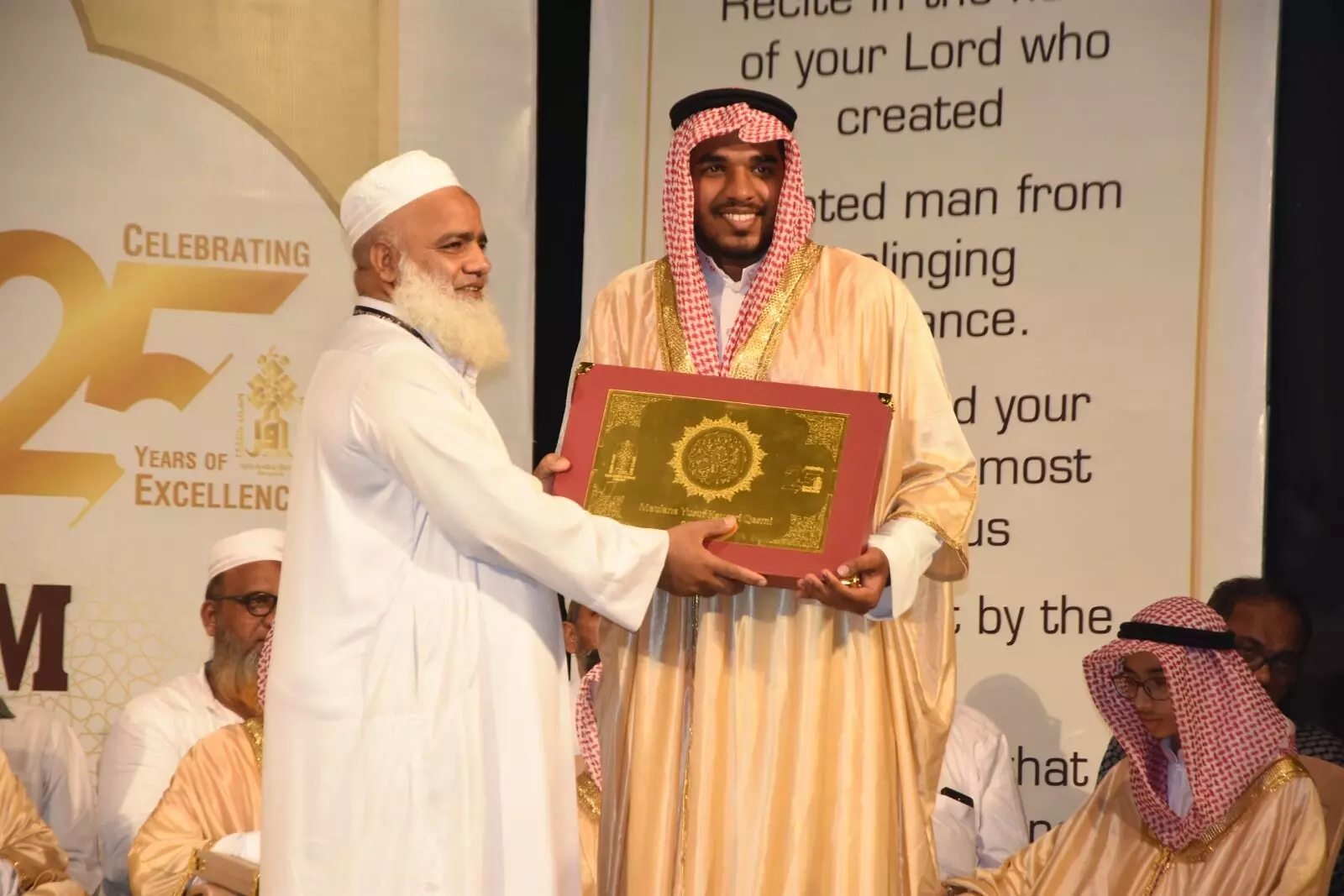
Students presented cultural programmes based on Islamic teachings during the event. Two of the books authored by the students of the institution were also released during the event
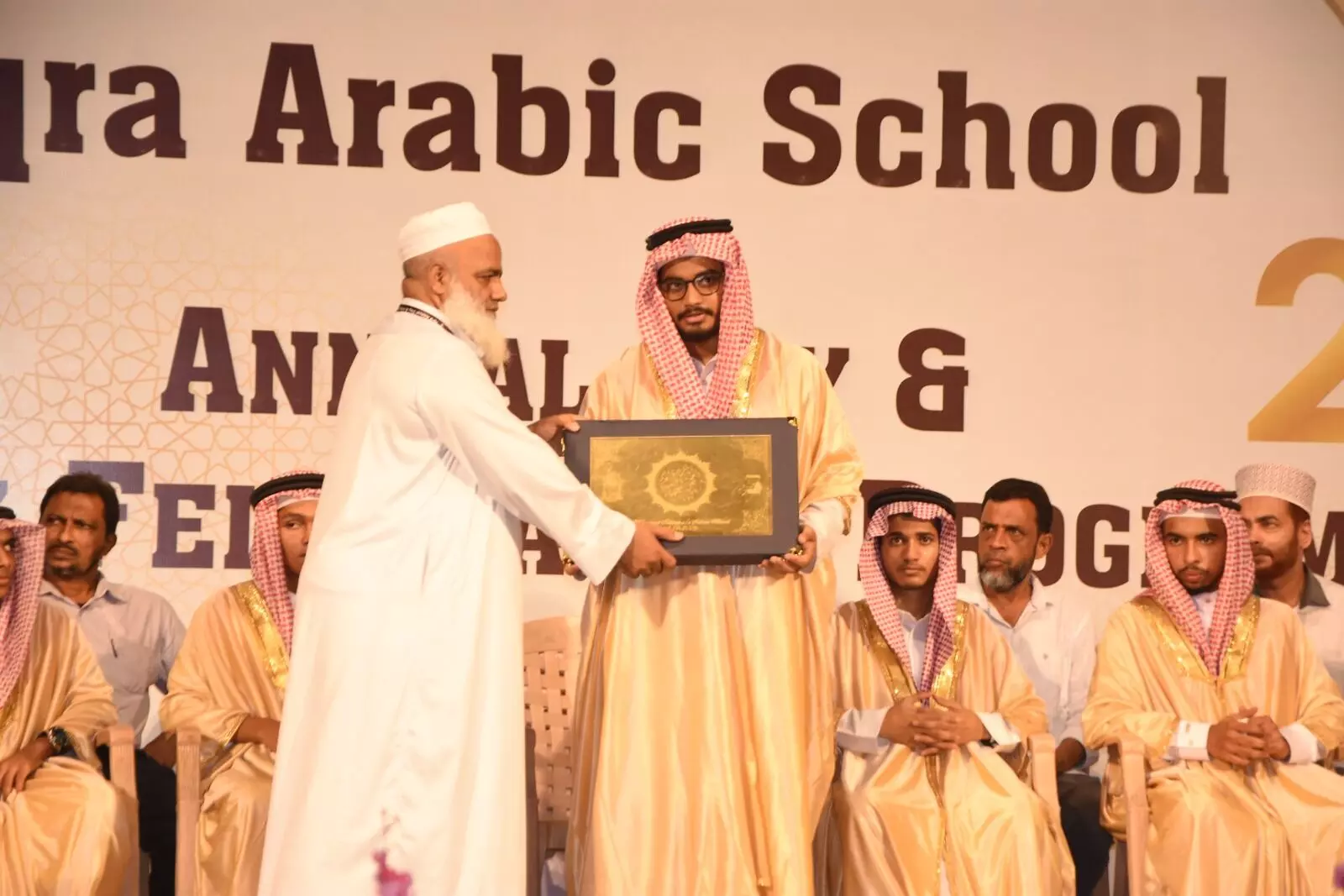
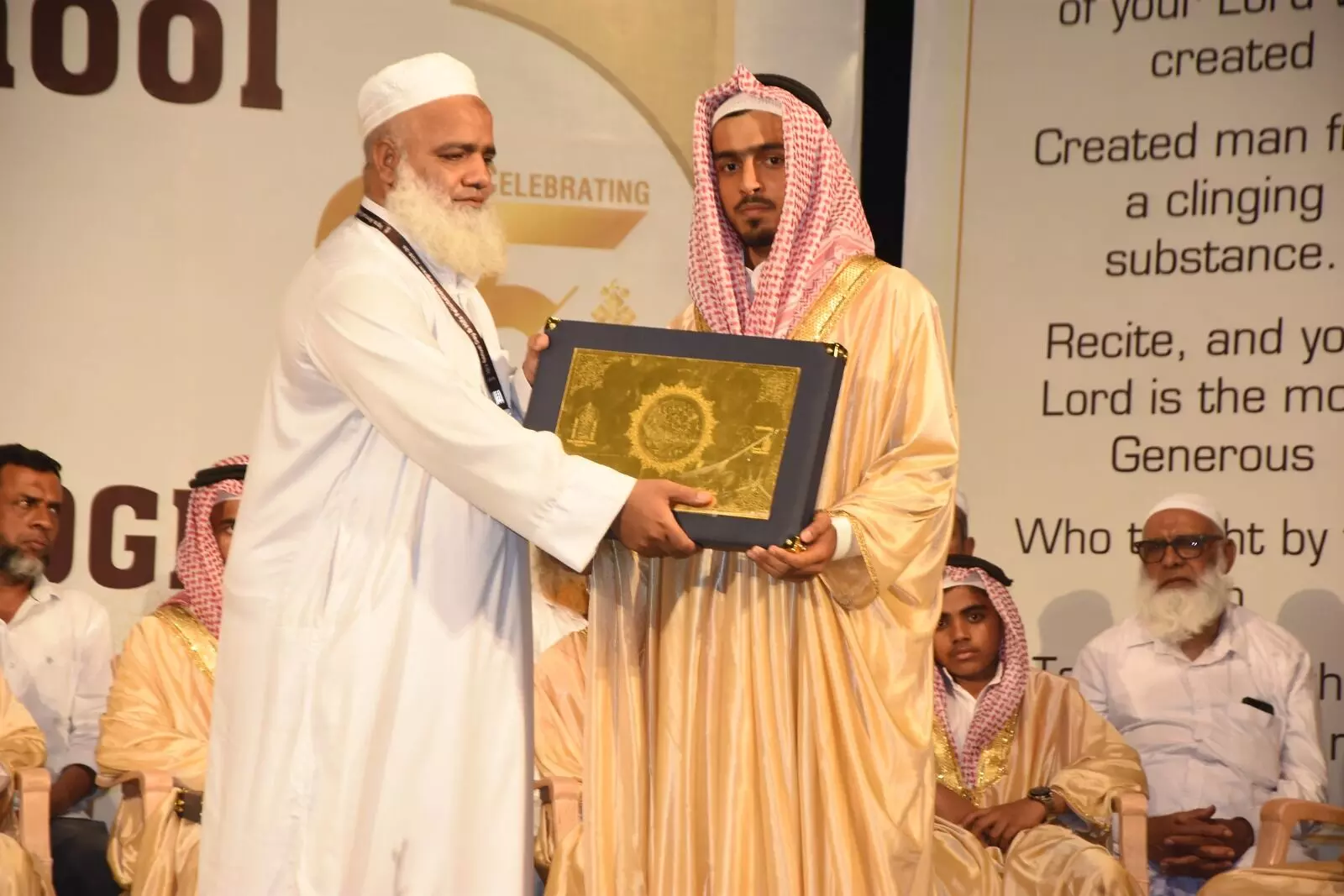
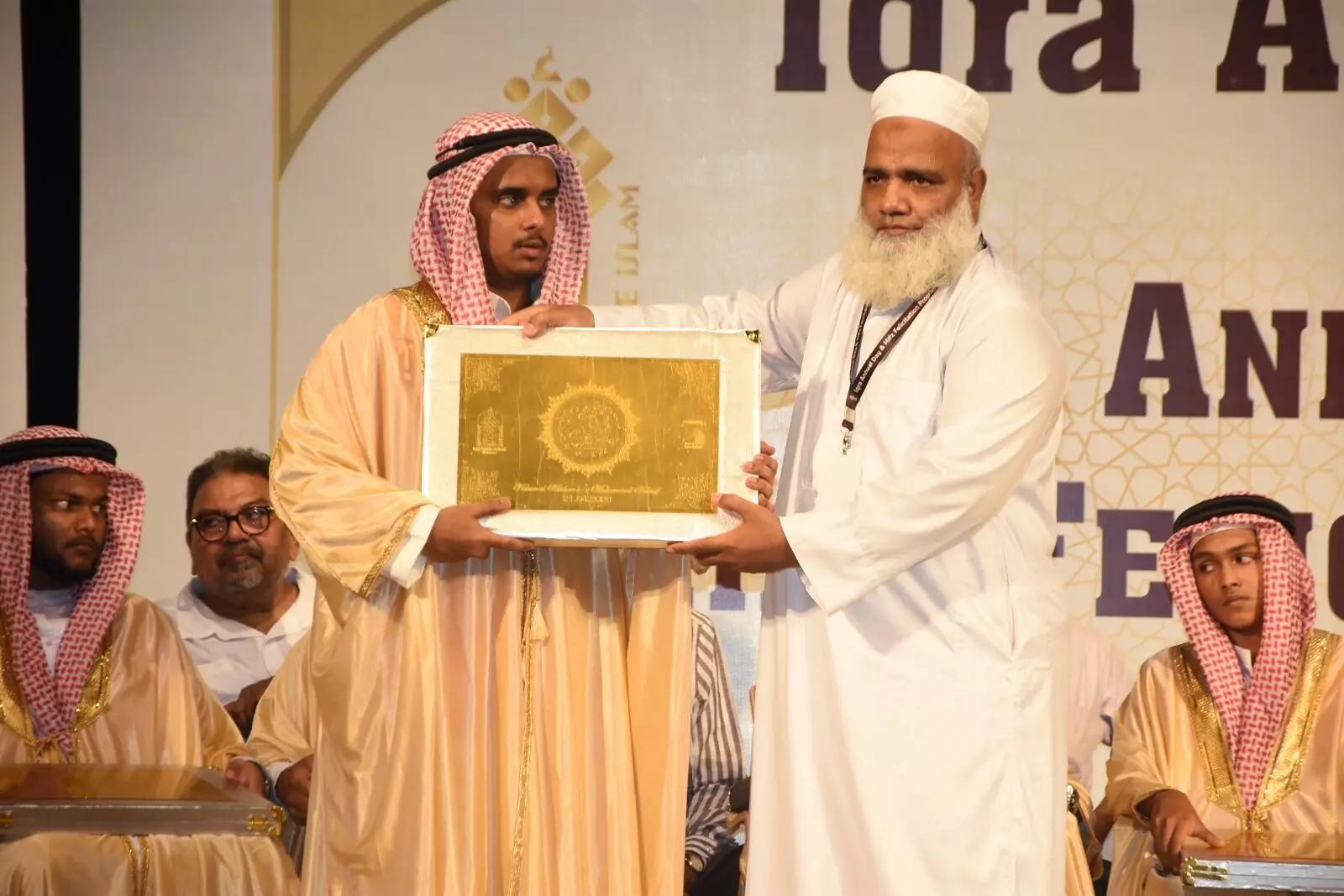
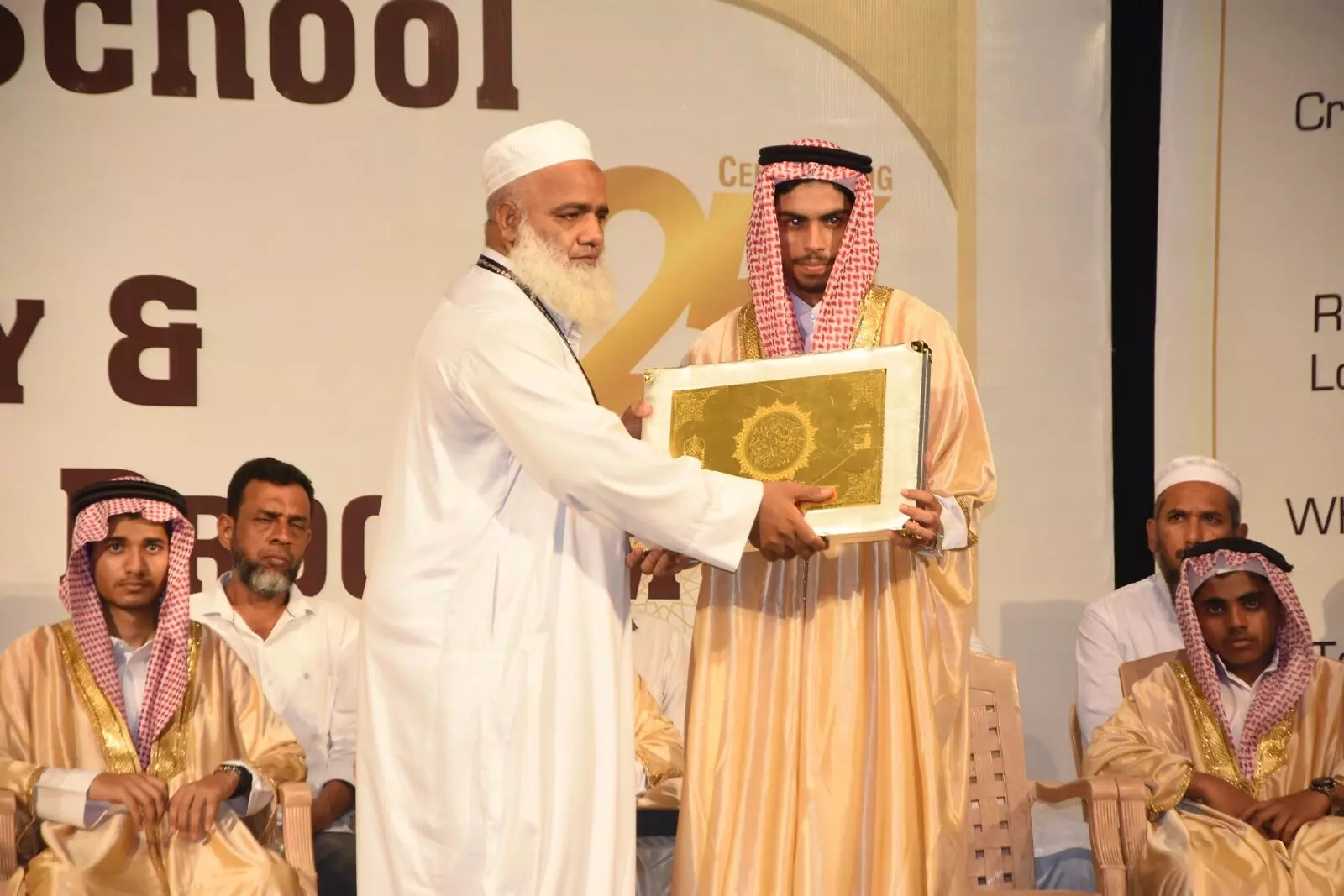
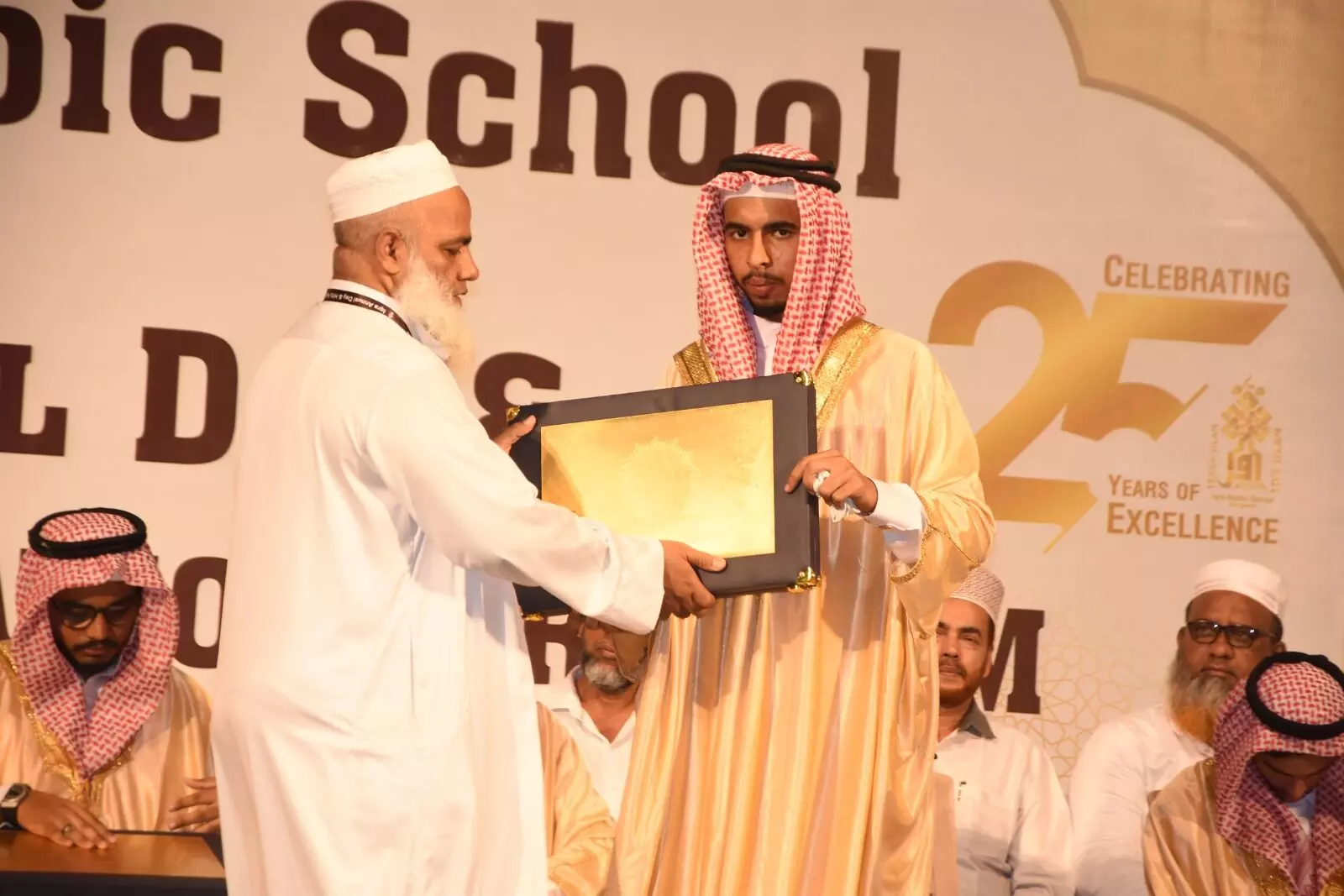
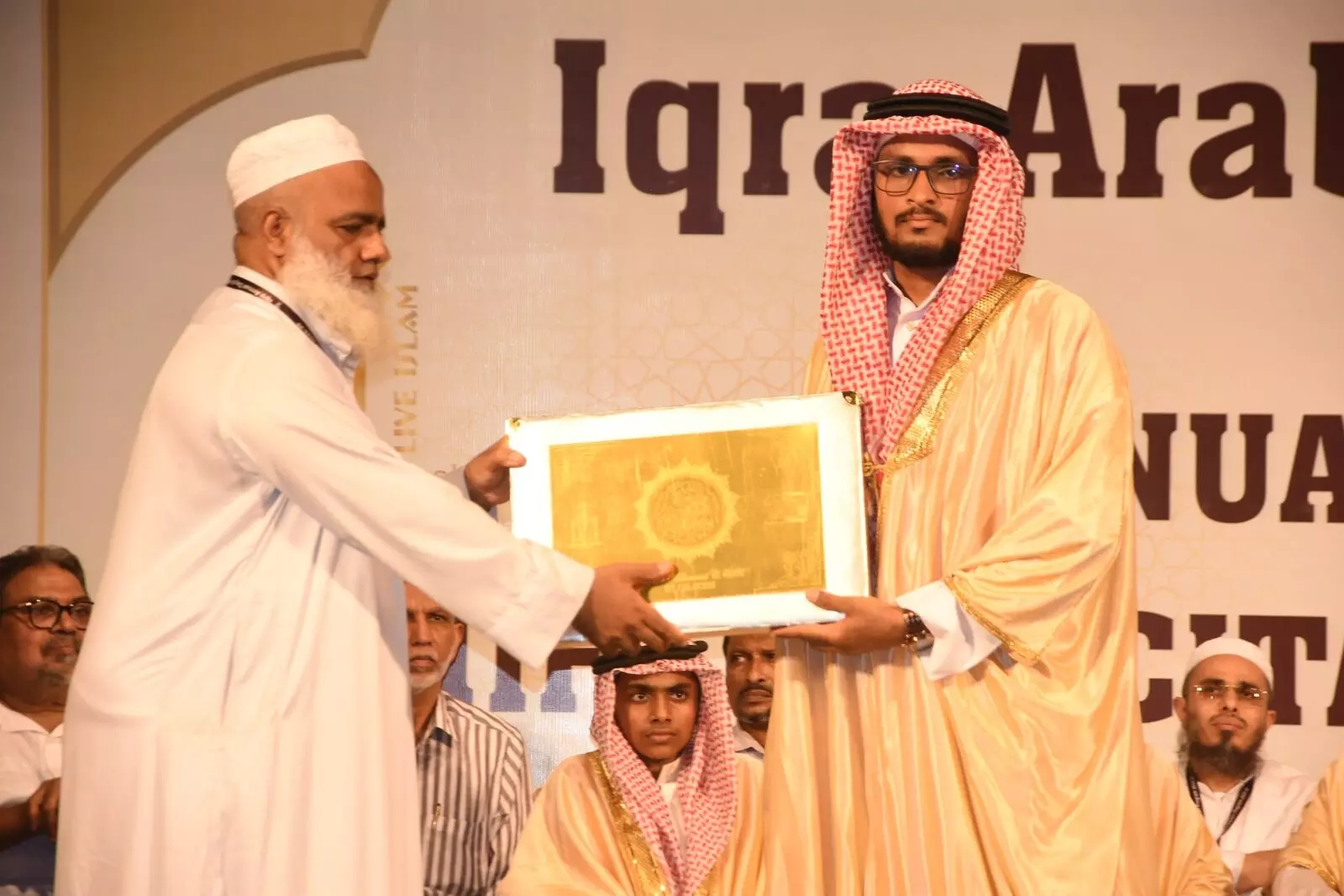
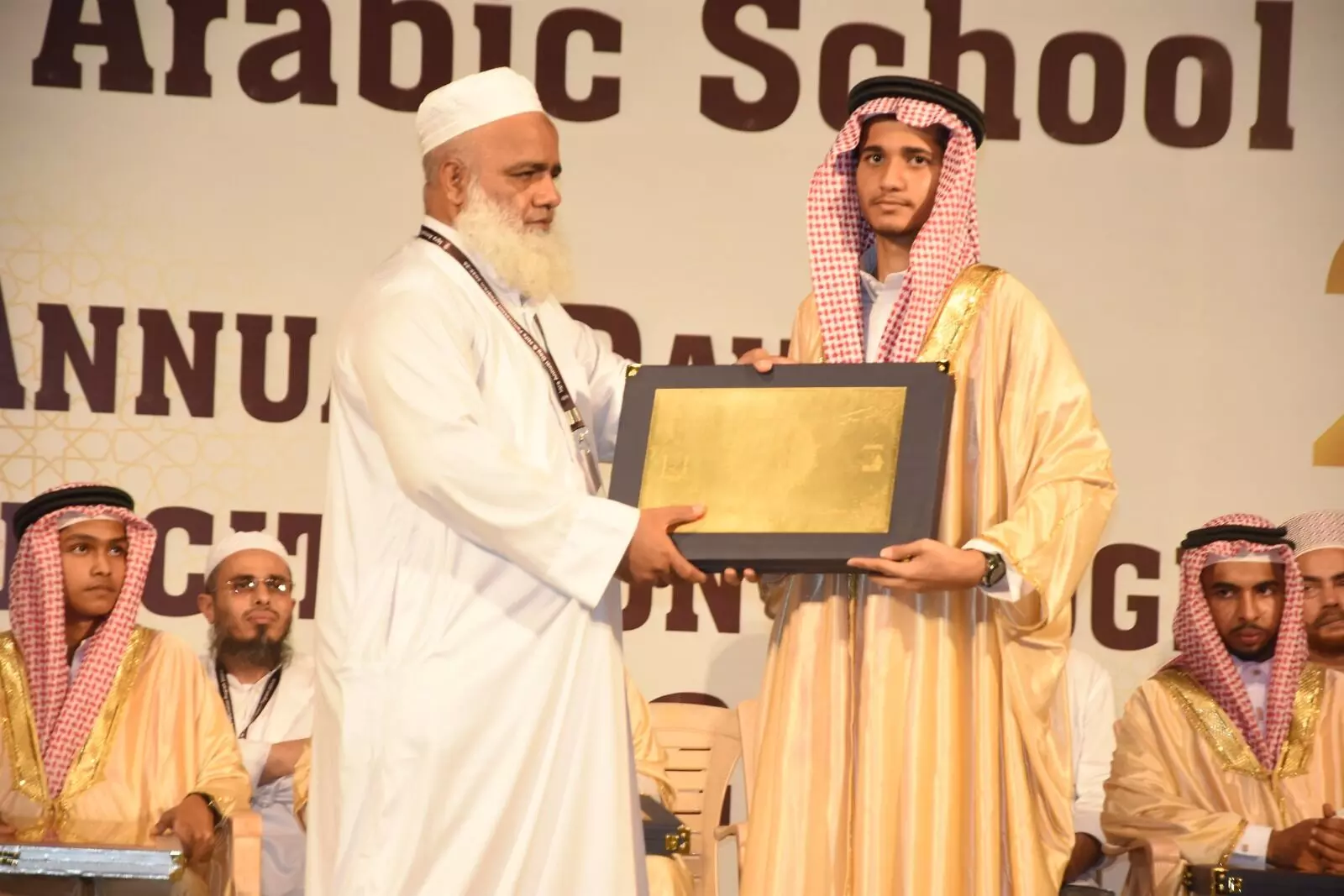
A total of 18 students who completed Hifz this year were felicitated and presented with mementos by the guests. The programme concluded with a vote of thanks by Moulana Salim Khalifa, the principal of the institution.