Couple dies after liver transplant surgery; notice issued to Pune hospital
Pune (PTI): A woman who donated a part of her liver to her husband died days after he passed away following a transplant surgery, prompting the Maharashtra health department to issue a notice to a private hospital in Pune, an official said.
The Sahyadri Hospital has been directed to submit all details pertaining to the transplant procedure by Monday, Deputy Director of Health Services, Dr Nagnath Yempalle, said on Sunday.
"We have issued a notice to the hospital and sought details of the recipient and the donor, their video recordings, and the line of treatment. The hospital has been asked to furnish all the details by 10 am on Monday," he said.
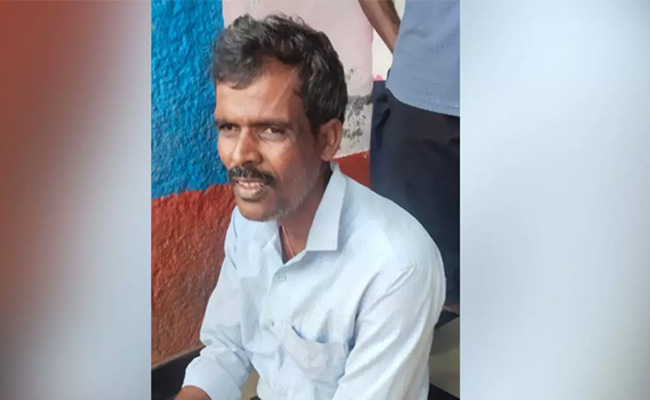
The patient, identified as Bapu Komkar, and his wife Kamini, who donated a part of her liver, underwent surgeries at the hospital on August 15.
Bapu Komkar's health deteriorated after the transplant surgery, and he passed away on August 17. Kamini developed an infection on August 21 and died during treatment.
Their family members have alleged medical negligence and demanded an inquiry into the deaths.
The hospital stated the surgeries were conducted as per the standard medical protocols.
"We are fully cooperating in the investigation. We are committed to providing all necessary information and support to ensure a thorough review of this matter," the hospital said in a statement, confirming receipt of the notice.
It stated the patient (Bapu Komkar) was a high-risk individual with many complications.
"We deeply sympathise with the Komkar family in this time of immense loss. A living donor liver transplant is one of the most complex procedures, and in this case, the patient was a high-risk person with many complications," it said.
The hospital further stated the family and the donor were fully counselled about surgical risks in advance.
"The surgeries were carried out following standard medical protocols. Unfortunately, the recipient developed cardiogenic shock after the transplant and could not be revived despite all efforts," it said.
On Kamini Komkar's health, the hospital said she initially recovered well, but later developed septic shock and multi-organ dysfunction, which could not be controlled even with advanced treatment.
"We remain committed to providing the highest standards of care and extend our full support to the bereaved family during this tragic time," the statement added.
Let the Truth be known. If you read VB and like VB, please be a VB Supporter and Help us deliver the Truth to one and all.
‘No special “good news”; Delhi visits routine, says D.K. Suresh
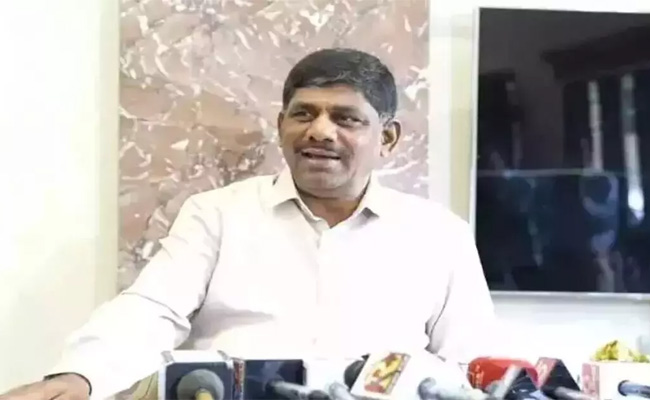
Bengaluru: Bamul President D.K. Suresh on Wednesday said there was nothing unusual about his recent visits to Delhi and dismissed speculation about any “good news” linked to the occasion.
Speaking to reporters at the Bengaluru Milk Union Limited (Bamul) office, Suresh said, “I am not aware of any ‘good news’. There is always some good news or the other. Sometimes we travel for party work, sometimes for personal reasons, and at times for government-related matters. There is nothing special about it.”
Responding to a question on whether there would be any announcement on the occasion of Deputy Chief Minister D.K. Shivakumar’s birthday, Suresh said Shivakumar had already appealed to supporters not to put up flex boards or banners.
“He has asked people not to put up flex or banners due to environmental concerns. Everyone should follow this,” he said.
On being asked about discussions on power-sharing within the party, Suresh said it was not the time for such talks and that the matter had been left to the party high command.
“We have said we will abide by whatever the high command decides,” he said.
Replying to a question on pressure from legislators, Suresh acknowledged that there was demand for ministerial posts.
“There is pressure to become ministers,” he said.
On his recent visit to Delhi along with D.K. Shivakumar, Suresh said such trips were frequent.
“We travel to Delhi regularly. If it was a rare visit, you could ask. We go at least twice a month,” he said.