Dalai lama says sorry for comment on women
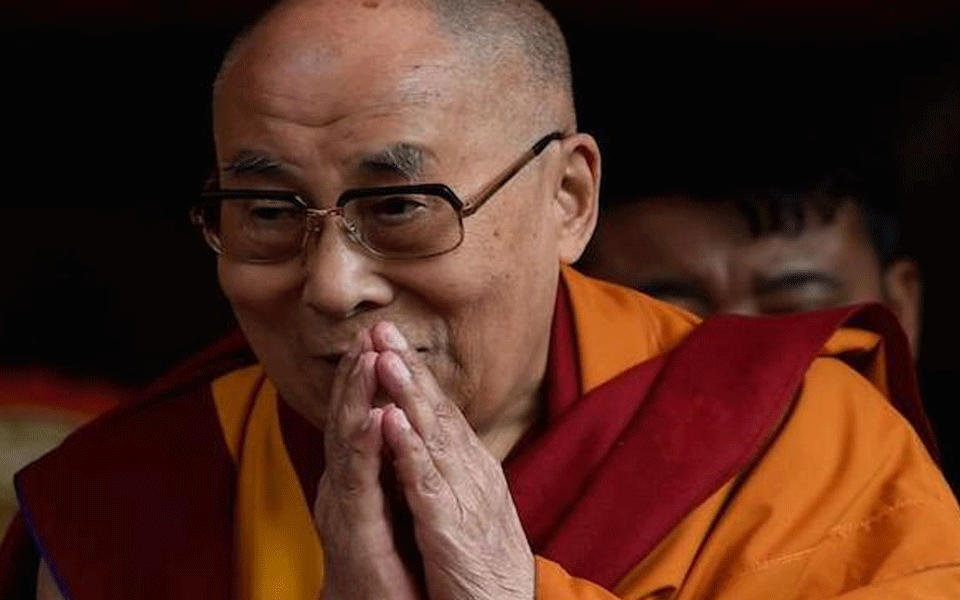
Dharamshala (HP), Jul 2: The Dalai Lama Tuesday apologised for his comment on women in a recent BBC interview, with his office here saying that the Tibetan spiritual leader has always opposed their objectification.
Responding to a question on whether his reincarnation could be a woman, the Nobel Peace Prize winner had joked that she should be attractive.
His Holiness genuinely meant no offence. He is deeply sorry that people have been hurt by what he said and offers his sincere apologies, a statement issued by the Dalai Lama's office here said.
In the same interview the Dalai Lama's views on the refugee crisis in Europe may have been misinterpreted , his office said.
The Tibetan leader in exile had said that Europe should let only a limited number of refugees to stay, and aim at returning them to their own land.
"But whole Europe eventually become Muslim country? Impossible. Or African country. Also impossible... Keep Europe for Europeans," he said.
The statement said it sometimes happens that off-the-cuff remarks, which might be amusing in one cultural context, lose their humour in translation when brought into another.
It said the Dalai Lama has throughout his life opposed the objectification of women, supported their rights and celebrated the growing international consensus on gender equality.
Under his leadership, Tibetan nuns in exile have earned Geshe-ma degrees, indicating a high level of scholarship previously reserved only for male monks, it said.
On the refugee crisis in Europe, the statement said many who leave their countries may not wish or be able to return.
However, the Dalai Lama also understands the uncertainties and difficulties of those in countries where the migrants make their new homes, it added.
It quoted the spiritual leader's earlier remarks on refugees.
As a refugee myself, I feel a strong empathy for their situation, and when we see their anguish, we should do all we can to help them. I can also understand the fears of people in host countries, who may feel overwhelmed, he wrote in an op-ed piece in Washington Times in 2016.
Let the Truth be known. If you read VB and like VB, please be a VB Supporter and Help us deliver the Truth to one and all.
What is Iran’s 10-point plan? Key demands ahead of US talks in Islamabad
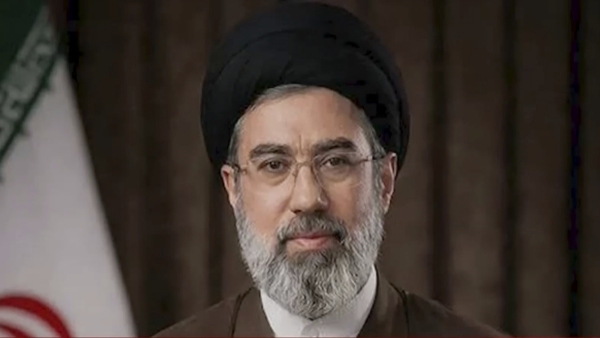
Tehran/Islamabad: Iran has outlined a 10-point plan as the basis for upcoming talks with the United States, expected to begin in Islamabad on April 11, according to a statement from the Iranian Supreme National Security Council.
The plan lays out Tehran’s key political, military and economic demands, and is being seen as a framework for negotiations following the recent escalation in the region.
Strait of Hormuz at the centre
A major focus of the plan is the Strait of Hormuz, a critical global shipping route. Iran has proposed “controlled passage through the Strait of Hormuz in coordination with the Iranian armed forces,” which it says would give the country a unique economic and geopolitical position.
The plan also calls for the “establishment of a safe transit protocol” in the Strait that would guarantee Iran’s dominance under an agreed mechanism.
Call to end conflict
Iran has demanded “the necessity of ending the war against all elements of the axis of resistance,” signalling its expectation that hostilities should stop not only in Iran but also involving allied groups in the region.
US troop withdrawal
Another key demand is the “withdrawal of US combat forces from all bases and deployment points in the region,” indicating Tehran’s long-standing position against American military presence in West Asia.
Sanctions relief and compensation
The plan places strong emphasis on economic measures. It calls for “full payment of Iran’s damages according to estimates,” along with “the lifting of all primary and secondary sanctions and resolutions of the Board of Governors and the Security Council.”
It also seeks “the release of all Iranian assets and properties frozen abroad,” which have been a major point of contention for years.
Binding global guarantee
Finally, Iran has demanded that all these terms be formally recognised through “a binding Security Council resolution,” suggesting it wants international legal backing to ensure enforcement.
What this means
The 10-point plan reflects Iran’s broader push for security guarantees, economic relief and regional influence. The upcoming talks in Islamabad are expected to test how far both sides are willing to negotiate on these demands.