Design of Thane bullet train station reworked to reduce number of mangroves affected: NHSRCL
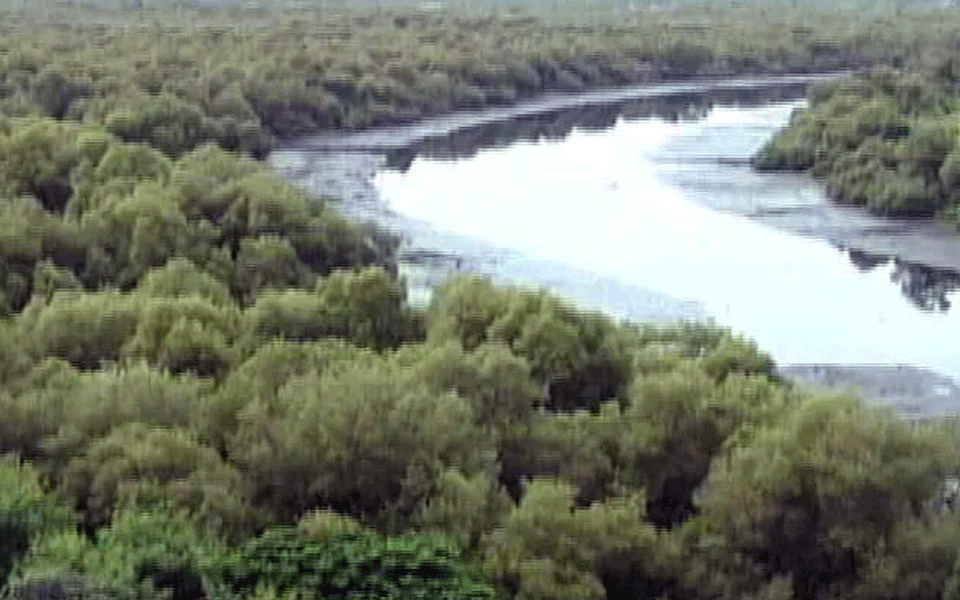
New Delhi: NHSRCL, the implementing agency of the Railways' bullet train project, said Saturday that they have reworked the design of the station in Thane, Maharashtra, to reduce the number of affected mangroves from the estimated 53,000 to 32,044.
National High Speed Rail Corporation Limited (NHRSCL) MD Achal Khare said in a statement that all the required wildlife, forest and CRZ clearance has been taken. He said the forest clearance came with a few conditions. The Environment Ministry had put a condition that the Thane station design be reviewed so that the affected mangrove region can be reduced.
"That without changing the location of Thane station, in what all ways can we reduce the Mangrove region - this is what we discussed that design with Japanese engineers and modified it accordingly," Khare said.
"Passenger areas like the parking area and passenger handling area have now been moved out of the mangrove region. The location of station is the same but after redesigning it, earlier 12 hector mangrove region was getting affected in Thane, but now only three hector will get affected. So this way, we have reduced around 21,000 mangroves and now only 32,044 mangroves will get affected from the entire project. Earlier there were around 53,000 mangroves getting affected," he said.
Khare further said that the NHSRCL will get the mangroves affected by the bullet train project compensated at the rate of 1:5, by depositing money into mangroves cell, which will do the compensatory afforestation.
"So the number of mangroves which are getting cut is 32,044. Then around 1,60,000 new mangroves will be planted and the entire financial expense will be borne by NHSRCL. New mangroves will be planted through mangrove cells," he added.
Earlier, Maharashtra Transport Minister Diwakar Raote had said on Monday in a reply to a question in the state Legislative Council that as many as 54,000 mangroves spread over 13.36 hectares will be affected because of the Mumbai-Ahmedabad High Speed Rail Corridor.
Let the Truth be known. If you read VB and like VB, please be a VB Supporter and Help us deliver the Truth to one and all.
What is Iran’s 10-point plan? Key demands ahead of US talks in Islamabad
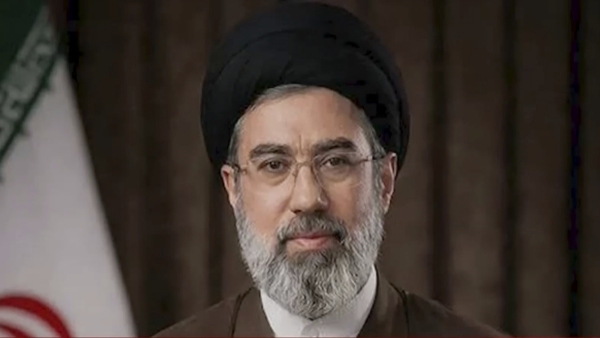
Tehran/Islamabad: Iran has outlined a 10-point plan as the basis for upcoming talks with the United States, expected to begin in Islamabad on April 11, according to a statement from the Iranian Supreme National Security Council.
The plan lays out Tehran’s key political, military and economic demands, and is being seen as a framework for negotiations following the recent escalation in the region.
Strait of Hormuz at the centre
A major focus of the plan is the Strait of Hormuz, a critical global shipping route. Iran has proposed “controlled passage through the Strait of Hormuz in coordination with the Iranian armed forces,” which it says would give the country a unique economic and geopolitical position.
The plan also calls for the “establishment of a safe transit protocol” in the Strait that would guarantee Iran’s dominance under an agreed mechanism.
Call to end conflict
Iran has demanded “the necessity of ending the war against all elements of the axis of resistance,” signalling its expectation that hostilities should stop not only in Iran but also involving allied groups in the region.
US troop withdrawal
Another key demand is the “withdrawal of US combat forces from all bases and deployment points in the region,” indicating Tehran’s long-standing position against American military presence in West Asia.
Sanctions relief and compensation
The plan places strong emphasis on economic measures. It calls for “full payment of Iran’s damages according to estimates,” along with “the lifting of all primary and secondary sanctions and resolutions of the Board of Governors and the Security Council.”
It also seeks “the release of all Iranian assets and properties frozen abroad,” which have been a major point of contention for years.
Binding global guarantee
Finally, Iran has demanded that all these terms be formally recognised through “a binding Security Council resolution,” suggesting it wants international legal backing to ensure enforcement.
What this means
The 10-point plan reflects Iran’s broader push for security guarantees, economic relief and regional influence. The upcoming talks in Islamabad are expected to test how far both sides are willing to negotiate on these demands.