Diet, meal timing linked to better sleep, studies show

A recent study suggests that what and when we eat can have a major impact on sleep quality. As the body expends energy on digestion at night, heavy & late-night meals can interrupt sleep, according to a study reported by the BBC. Avoiding caffeine in the evening is also known to improve sleep, but there is also evidence that certain meals may promote better sleep.
According to studies, drinking sour cherry juice, kiwifruit and warm milk before bedtime will help sleeping better. Milk includes tryptophan which is an amino acid required for the synthesis of melatonin. It's the hormone that controls the sleep-wake cycle. Melatonin can also be derived from foods like eggs, fish, nuts and seeds.
“You can’t eat poorly all day long and think that it’s enough to have a glass of tart cherry juice before bedtime,” said Marie-Pierre St-Onge, professor of nutritional medicine at Columbia University in New York. Nutrients needed for sleep-promoting neurochemicals must be available throughout the day.
A plant-rich diet which consists of fruits, vegetables, wholegrains, legumes, dairy and fish also helps in sleeping better. In a 2021 study, University of Michigan researcher Erica Jansen found that increasing fruit and vegetable intake over three months significantly improved sleep.
The benefits may come from tryptophan which is converted into serotonin and then melatonin. From high fibre, magnesium and plant compounds that support gut and brain health. A study was carried out in 2024 in Spain. According to this study which involved over 11,000 students, discovered that individuals with the lowest tryptophan intake had poorer sleep. They were more prone to experiencing insomnia.
Magnesium which is found in green vegetables, legumes, nuts, seeds, and whole grains, aslo helps in improving REM sleep and reduced stress. A recent trial led by Heather Hausenblas of Jacksonville University found that magnesium supplements enhanced REM sleep in self-described poor sleepers, though she cautioned that supplements alone are insufficient without healthy habits.
Experts have instructed to avoid heavy meals before bedtime and maintain consistent meal and sleep schedules. “When you have a clearer separation between day and night, the brain has an easier time recognising that it’s time for sleep,” Jansen said. Eating breakfast in bright daylight may also support melatonin production for the night ahead.
The study further noted that factors like exercise, light exposure, and mental health also influence sleep.
Let the Truth be known. If you read VB and like VB, please be a VB Supporter and Help us deliver the Truth to one and all.
Leadership issue: Everyone will welcome if Kharge becomes K'taka CM, says Parameshwara
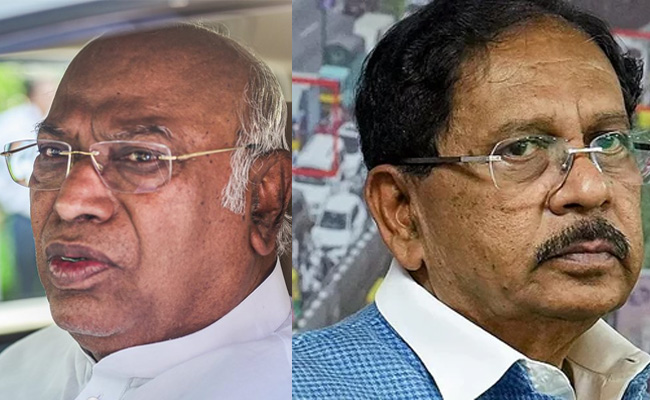
Bengaluru (PTI): Karnataka Home Minister G Parameshwara on Wednesday said everyone in the ruling Congress party will welcome if AICC chief Mallikarjun Kharge, a senior politician with a lot of experience, becomes the chief minister of the state.
He also asserted that fulfilling the promise of "good governance" made to the people of the state was important, amid the ongoing internal politics and confusion within the party regarding the chief minister change issue.
The statements have come amid speculation within the party and political circles about a possible decision on leadership change and cabinet reshuffle after May 4, once the results for Assembly elections in four states and one union territory, along with bypolls to two Assembly segments in Karnataka, are announced.
"If he (Kharge) becomes (the CM) we will be very happy, because he is a senior politician with a lot of experience. If he becomes CM, we will all welcome it," Parameshwara told reporters in response to a question whether Kharge himself has a desire to become the CM.
When asked why Kharge, who is from Karnataka, has not been decisive in resolving the state's leadership issue and whether he was postponing the issue because he wants a Dalit to become the CM, the home minister said, "We don't have much information on the CM change matter appearing in the media, at least I'm not aware of it. So it is not right to speak on it."
The Congress high command will decide whatever they have to, as they are aware of everything in the state. "We are fortunate to have Kharge, who is from the state, as the AICC president," he said.
Kharge is highly experienced and he is aware of everything about the state's politics as he has personally experienced it. "He knows everything and there is no need for us to tell him. I will not say much," he added.
The leadership tussle within the ruling party has intensified amid speculation about a possible change of chief minister after the Congress government completed the halfway mark of its five-year term on November 20, 2025. The speculation has been fuelled by the reported "power-sharing" arrangement between CM Siddaramaiah and Deputy CM Shivakumar at the time of government formation in 2023.
Regarding senior Congress MLA K N Rajanna's statement demanding a "Dalit CM", Parameshwara himself a senior Dalit leader in the party, said, "Let's not speak about it. I don't want to unnecessarily get into that. Without knowing things, let's not comment on them."
Parameshwara downplayed the ministers' visit to Delhi, stating that it is a common thing, mostly concerning official matters. "Whenever we go to Delhi, we will also visit the AICC office and meet our national leaders," he said.
PWD Minister Satish Jarkiholi and Social Welfare Minister H C Mahadevappa on Monday met Kharge and general secretary (in charge of Karnataka) Randeep Surjewala in New Delhi and reportedly requested them to address the leadership issue. Both Jarkiholi and Mahadevappa are considered close to Siddaramaiah.
On the expectation that the Congress high command will put an end to confusion on the leadership issue by May 15, the home minister said, "More than anything, we have promised the people of the state that we will give good governance. Fulfilling that is important. Internal politics and confusions will always be there."
MLAs and leaders who want Shivakumar to be elevated as CM have recently claimed they expect some "sweet news" by May 15, which is their leader's birthday.
Regarding plans to hold the AHINDA convention in Hubballi to mark 25 years of the AHINDA movement, the home minister said, the movement was aimed at the welfare of its communities and the convention has to happen to resolve the issues they face.
AHINDA (Kannada acronym for minorities, backward classes, and Dalits) is considered as the strong support base of Siddaramaiah and also the Congress party.