Educational reforms, women empowerment: Morocco's weapons against terrorism
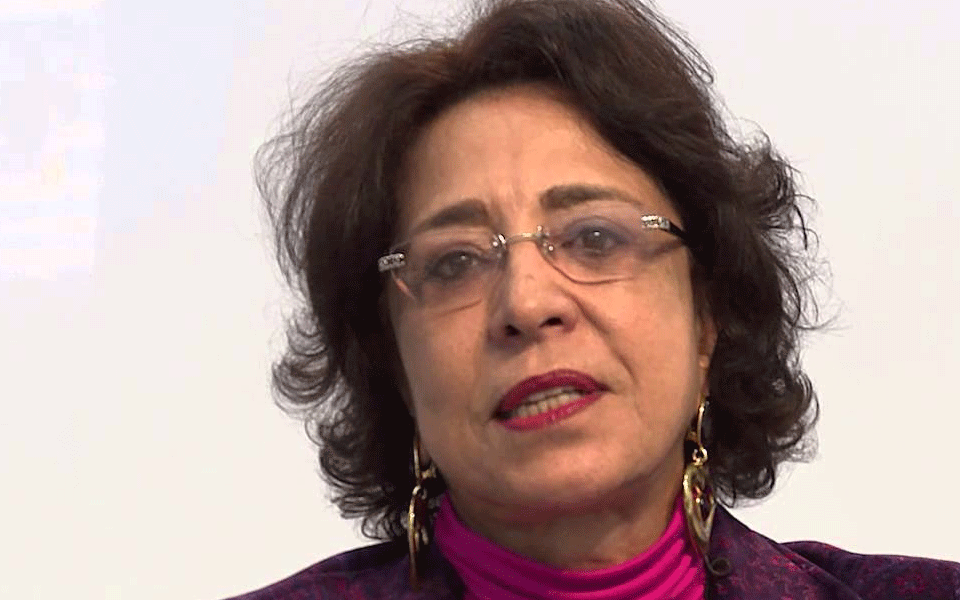
New Delhi: Reforms in the traditional education system and empowering women are the two major agendas Morocco is following in its efforts to counter terrorism and radicalisation, a top diplomat of the North African nation has said.
"We still have the problem of dealing with the traditional education system," Assia Ben Salah Alaoui, Ambassador at large for Moroccan King Mohammed VI said in a speech on "Morocco's Security Strategy: Preventing Terrorism and Countering Extremism" organised by the Indian Council of World Affairs (ICWA) think tank here on Wednesday.
She said that families were being engaged to ensure that children were not radicalised at a young age.
Alaoui said that the idea that women and Islam are incompatible, just as democracy and Islam are incompatible, should be revoked. "Women business organisations are being helped in our country," she stated.
According to Aaloui, religion today has become a very minor factor in the radicalisation of people for terrorism. She said that those being targeted were from poor and malnourished backgrounds and were being paid on a monthly basis by the terrorist organisations like the Islamic State.
She said that religion still retains a role in this global menace because of people in Europe.
"These people have lost touch with their culture. They do not know religion, they don't know the origin of their culture," the Ambassador stated. "The terrorists are promising them dreams of going to paradise."
Aaloui said that in her country imams are being trained to propagate moderate Islam. "In Morocco, we have created the Foundation of African Ulema that is working hard to spread moderate Islam."
Let the Truth be known. If you read VB and like VB, please be a VB Supporter and Help us deliver the Truth to one and all.
Congress using hijab issue to pacify minority anger, alleges Karnataka LoP R Ashoka
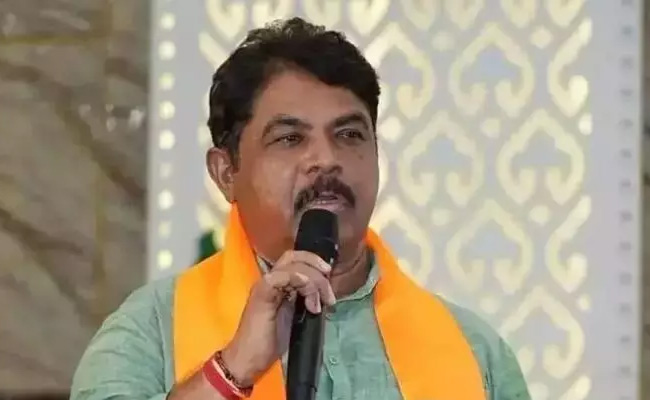
Bengaluru: Leader of Opposition in the Assembly R. Ashoka has accused the Congress government of using the hijab issue to placate what he described as discontent among minority voters after the Davanagere by-election.
In a post on X on Wednesday, Ashoka alleged that the state government, instead of addressing issues such as price rise, corruption, farmers’ distress and law and order, was attempting to retain its minority vote base by reviving the hijab issue.
Referring to the 2022 dress code introduced by the BJP government, which prohibited hijab in schools and colleges, Ashoka said the Karnataka High Court had upheld the policy and emphasised the importance of discipline in educational institutions.
He questioned the Congress government’s move to revisit the issue and asked whether setting aside the court-backed policy to benefit one community could be described as secularism.
Ashoka further alleged that while the government was willing to permit hijab, it continued to prohibit saffron shawls.
He accused the government of dividing students on religious lines rather than treating schools and colleges as spaces of equality.
Drawing a comparison with Mamata Banerjee’s government in West Bengal, Ashoka claimed that excessive appeasement politics had harmed the state and warned that the Congress in Karnataka could face a similar political response.
He said voters in Karnataka would teach the Congress a lesson for what he termed “vote-bank politics” and for compromising constitutional and judicial principles.