Ex-Bureaucrat seeks ED, CBDT probe into RSS’s alleged $330,000 payment to US lobbying firm
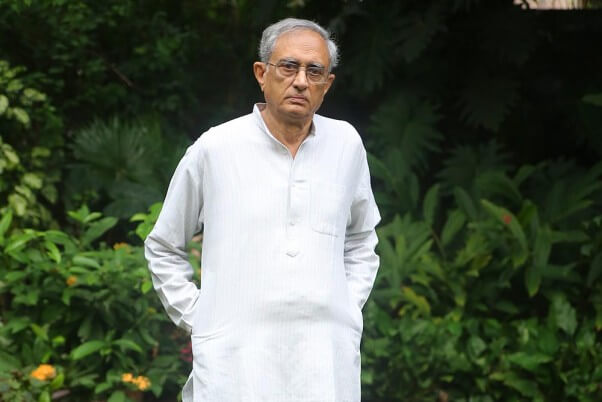
New Delhi: Former Union government secretary E.A.S. Sarma has written to Revenue Secretary Arvind Shrivastava urging the Enforcement Directorate (ED) and the Central Board of Direct Taxes (CBDT) to investigate whether the Rashtriya Swayamsevak Sangh (RSS) engaged a US lobbying firm by paying $330,000, and whether such funds should attract tax scrutiny in India. His letter, reported by The Wire, raises serious questions about the source, legality and disclosure of funds allegedly used by the RSS for lobbying in the United States.
Sarma drew attention to a filing made before the US Senate by Squire Patton Boggs (SPB), a prominent lobbying firm, which listed the RSS as a client. He also referred to media reports saying that SPB received $330,000 this year from another lobbying firm acting on behalf of the RSS. According to Sarma, this disclosure is troubling given that the RSS is not registered in India, operates through donations known as “Guru Dakshina”, and claims to function only within the country.
Calling the revelations “surprising”, Sarma questioned how the RSS could have paid a US lobbying firm if it neither has legal registration in India nor has disclosed any foreign branch. He asked whether RSS is registered under US law and whether its members — who offer Guru Dakshina as a traditional contribution — were aware that their funds may have been diverted for foreign lobbying.
Quoting traditional definitions, Sarma wrote that Guru Dakshina is meant to express gratitude to the “Guru” for imparting knowledge. Indian tax tribunals have previously upheld tax exemptions for RSS funds, citing this spiritual context. He argued that diverting such funds to a foreign lobbying agency changes their character entirely and raises serious questions of legality and propriety.
Sarma asked the CBDT to demand clarity from the RSS on multiple points: how its name appeared in official US lobbying disclosures, whether it has disclosed any overseas operations to Indian tax authorities, whether Guru Dakshina funds were used for the payments, and whether any foreign remittances were made in compliance with Indian regulations.
The developments follow a report by US-based outlet Prism, which stated that SPB — a firm also retained by the Pakistani government — received $330,000 in 2025 to lobby on behalf of the RSS before the US Senate and House of Representatives. The New York Times separately reported that Pakistan’s lobbying efforts, which included SPB, coincided with favourable shifts from the Trump administration, including a tariff cut from 29% to 19%. During the same period, US tariffs on India were raised to 50%.
These disclosures fuelled a political controversy in India over the transparency and legality of the RSS’s finances and its alleged engagement of a foreign lobbying firm.
Denying the reports, RSS functionary Sunil Ambekar posted on X that the organisation had not hired any lobbying agency. “Rashtriya Swayamsevak Sangh works in Bharat and has not engaged any lobbying firm in United States of America,” he wrote.
Sarma’s letter, however, argues that the denial does not address the official records filed with the US government. He insists that the issue demands urgent scrutiny from the ED and CBDT due to its implications for tax compliance, foreign exchange laws and the credibility of publicly disclosed financial information.
The matter, first reported by The Wire, is expected to fuel further debate over the RSS’s financial practices and possible violations of Indian regulatory norms.
Let the Truth be known. If you read VB and like VB, please be a VB Supporter and Help us deliver the Truth to one and all.
Women's quota bill would have ensured defeat of democracy, Constitution: Aaditya Thackeray
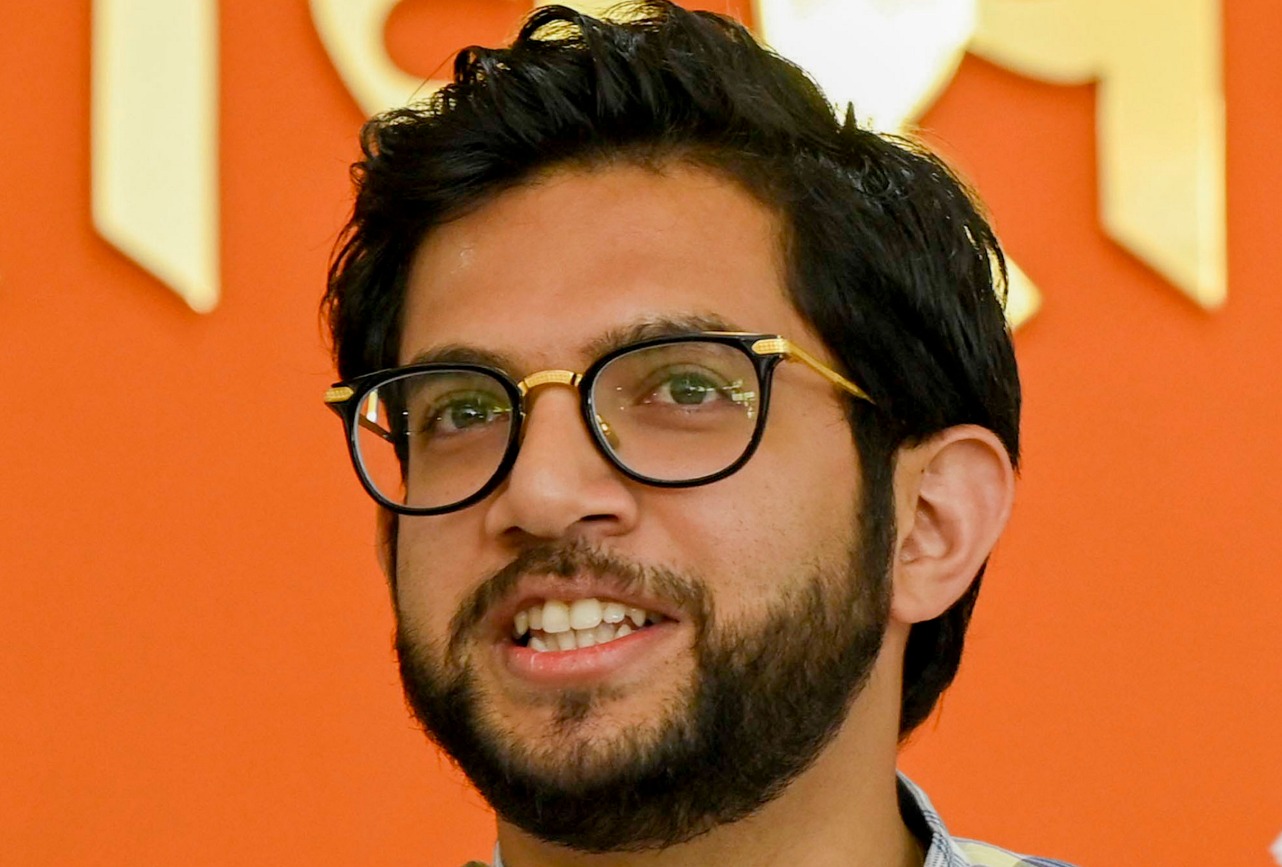
Mumbai (PTI): Shiv Sena (UBT) leader Aaditya Thackeray on Saturday said that the passage of the women's quota bill would have ensured a "total defeat of democracy", alleging that the legislation, linked with a delimitation exercise, was a political tool designed to reduce the voice of states.
Thackeray, in a post on X, claimed that the Bill would have amended the Constitution for the political means of the ruling regime to increase seats, reduce the voice of many states and enable the gerrymandering of constituencies to ensure unfair victories.
"The very amendment that would have ensured the total defeat of democracy and the Constitution in India stands rejected by the unity of the Opposition MPs," he wrote.
The legislation should have been called "Delimitation to ensure unfair victory Bill", the former minister said, adding that there was a genuine need to enable 33 per cent reservation for women in the current number of seats.
"Now, it is up to the government to ensure that it is implemented in the 543 seats of the Lok Sabha for the 2029 elections and all elections across India, if that is the real intent of the government," he wrote.
A Constitution Amendment Bill to implement reservation for women in legislatures in 2029 and increase the number of Lok Sabha seats was defeated on Friday in the Lower House.
While 298 members voted in support of the Bill, 230 MPs voted against it. Out of 528 members who voted, the Bill required 352 votes for a two-thirds majority.
According to the Constitution Amendment Bill, Lok Sabha seats were to be increased to a maximum of 850 from the current 543 to "operationalise" the women's reservation law before the 2029 parliamentary polls, following a delimitation exercise based on the 2011 Census.