Farmers fly kites to take on drone dropping tear gas shells on farmers at Shambhu border
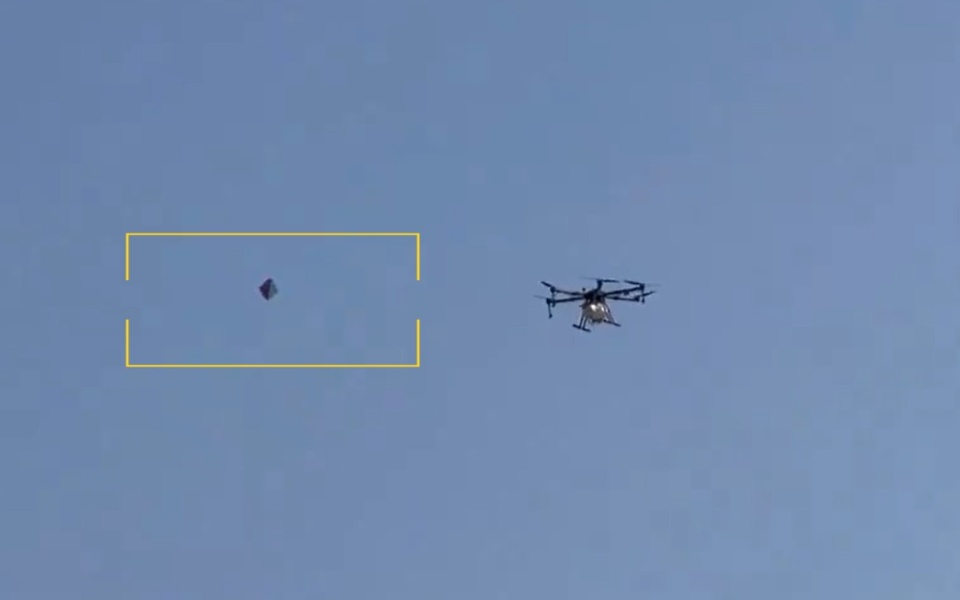
Chandigarh: A few young farmers, part of the 'Delhi Chalo' march, on Wednesday took to flying kites hoping to bring down a drone deployed by the Haryana security personnel to drop tear gas shells on protesters at the Shambhu border near Ambala.
The protesters were angry over the use of the unmanned aerial vehicle for dropping tear gas canisters, which left many of them injured.
"We are flying kites to bring the drone down," said one of the young farmers.
Another farmer said, "It's not right hurling tear gas shells on farmers. It is completely wrong."
Kite flying has always been a craze among people especially children and youth in Punjab. Skies dot with colourful kites of different sizes and shapes especially during the Lohri festival and Basant Panchmi.
The Samyukta Kisan Morcha (Non-Political) and the Kisan Mazdoor Morcha are spearheading the 'Delhi Chalo' agitation to put pressure on the Centre for their demand of a law on minimum support price for crops and loan waivers.
Farmers from Punjab have assembled at the Shambhu and Khanauri borders as part of their 'Delhi Chalo' call.
Can you imagine that farmers are battling Modi govt’s tear gas shell firing drones with kites?
— Praveen (@praveenpscs) February 14, 2024
You can see in a video kite flown by a protesting farmer forced govt drone to retreat.
Yes, This is Basant Panchami and farmer pic.twitter.com/kVmv1SgneS
Farmers are flying kites to prevent drones from flying at Sambhu border. pic.twitter.com/gwGor919mM
— Nikhil Choudhary (@NikhilCh_) February 14, 2024
Let the Truth be known. If you read VB and like VB, please be a VB Supporter and Help us deliver the Truth to one and all.
Shaheen Group announces free education for SSLC toppers scoring 95% and above
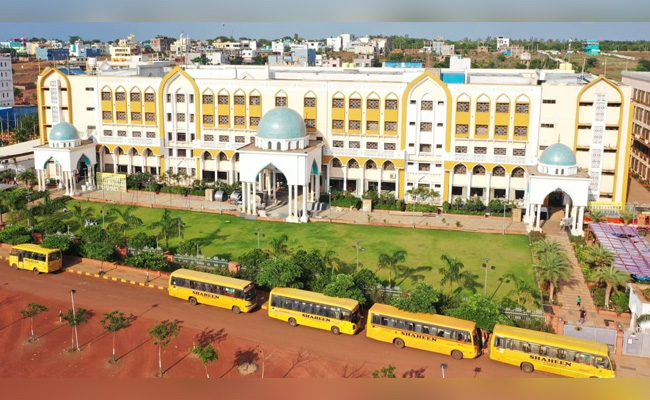
Bidar: Shaheen Group of Institutions has announced free education for students across Karnataka who have secured 95 per cent and above marks in the SSLC examinations.
The announcement was made by Dr. Abdul Qadeer, Chairman of the institution, as part of an initiative aimed at encouraging academic excellence and supporting deserving students.
According to the institution, eligible students from across the state will be provided free education for both First Year and Second Year PUC at Shaheen institutions.
The initiative is expected to benefit a large number of meritorious students by helping them continue higher education without financial burden.
In addition, Dr. Abdul Qadeer announced special scholarships for Kannada medium students and those studying in government schools, recognising their efforts and encouraging them to pursue further studies.
Speaking on the occasion, he said the initiative reflects Shaheen’s continued commitment to inclusive education and merit-based support, ensuring that talented students from all backgrounds receive opportunities to progress.