Father of Mahadev app scam accused found dead in Chhattisgarh; cops suspect suicide
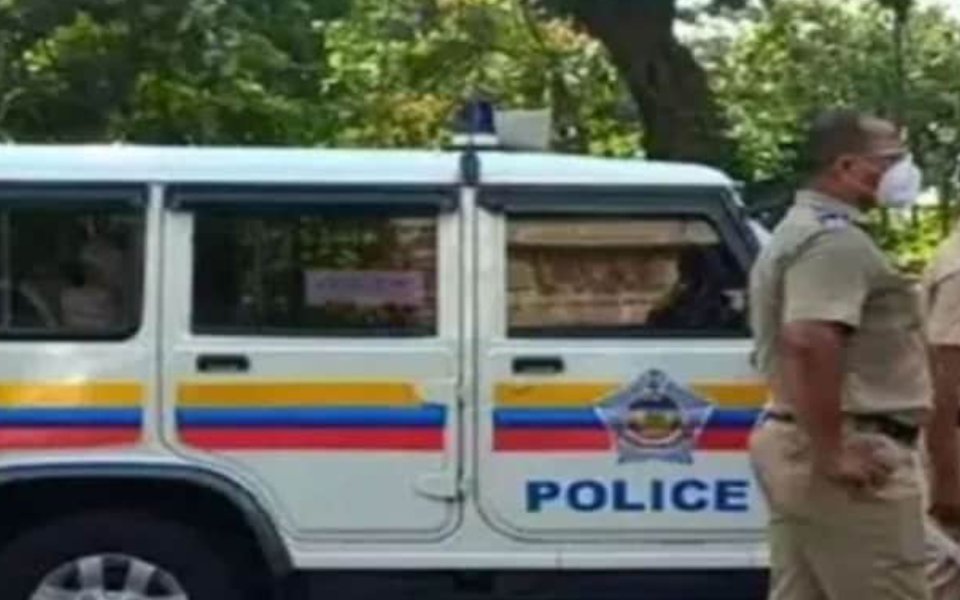
Durg, Dec 6: The father of a man named as an accused in the Mahadev betting app scam has been found dead under suspicious conditions at a village in Chhattisgarh's Durg district, a senior police official said.
The body of Sushil Das (62), who was missing since the last two days, was found in a well at Achhoti village under Anda police station limits on Tuesday afternoon and prima facie it looks like a case of suicide, Durg Senior Superintendent of Police Ram Gopal Garg said.
The deceased was the father of Asim Das, an alleged cash courier in the case arrested by the Enforcement Directorate (ED).
Sushil Das, who worked as a security guard in a private company, was missing since Sunday evening, Garg added.
Prima facie, it seems to be a case of suicide, but the exact reason behind the death was yet to be ascertained, the official said.
The body was sent for post-mortem examination and further investigation was underway, he added.
Asim Das and another accused, constable Bhim Singh Yadav, were arrested by the ED on November 3.
The ED claimed that a forensic analysis and a statement made by cash courier' Das had led to "startling allegations" that Mahadev betting app promoters have paid about Rs 508 crore to outgoing Chhattisgarh Chief Minister Bhupesh Baghel so far, and that "these are subject matter of investigation".
Baghel had stoutly denied the allegations and accused the BJP of misusing the ED.
Asim Das was arrested by the central agency in Raipur after it claimed to have recovered Rs 5.39 crore in cash from him.
He was allegedly sent by the app promoters from the UAE "especially, to deliver a large amount of cash for electioneering expenses of the ruling Congress Party", according to the ED.
"Asim Das has admitted that the seized funds were arranged by the Mahadev app promoters to be delivered to one politician 'Baghel' for upcoming election expenses in the state of Chhattisgarh," the agency had said in a statement issued before the two-phase polling on November 7 and 17.
On November 25, Das had submitted before a special PMLA court that he had been framed as part of a conspiracy and he had never delivered cash to politicians.
Let the Truth be known. If you read VB and like VB, please be a VB Supporter and Help us deliver the Truth to one and all.
4 held for sexually assaulting woman, girl on moving bus after social media alert in UP's Agra

Agra (UP) (PTI): Four people were arrested, after a prompt response by police following a social media alert, for allegedly sexually assaulting a woman and a girl inside a moving bus here, officials said on Tuesday.
According to an official police statement, at 12:27 am on April 27, information was received on the social media platform X about an incident of sexual assault on a bus travelling from Kanpur to Ahmedabad, which was approaching Namner crossing in Agra.
Acting under the direction of Police Commissioner Deepak Kumar, the Agra Police social media team immediately alerted the Rakabganj police station within minutes and coordinated with the victims to confirm the incident and obtain the exact location, it stated.
Police teams launched intensive checking at Namner crossing and intercepted the bus as it reached the spot. The four accused involved in the incident were apprehended on the spot, and legal action was initiated against them, the statement said.
The police said the swift response and coordination between the social media team and field units ensured timely action, bringing relief to the victims and other passengers, who expressed gratitude towards the police, it added.