Former RBI Governor S Venkitaramanan passes away
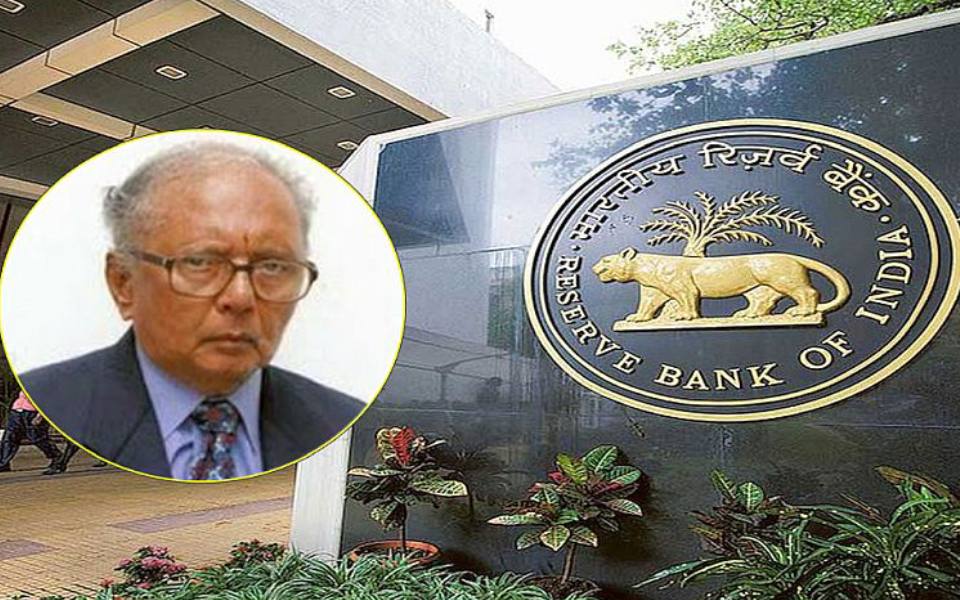
Chennai, Nov 18: Former Governor of the Reserve Bank of India S Venkitaramanan passed away here on Saturday, due to brief illness, sources said.
He was 92.
Venkitaramanan was a member of the Indian Administrative Service and prior to taking up the role of RBI Governor, he had served as the Finance Secretary and later as an Adviser to the Government of Karnataka.
Venkitaramanan had served the RBI between December 1990 and December 1992.
RBI Governor Shaktikanta Das hailed him as an 'outstanding personality' and 'public servant' and recalled his immense contributions during the period of crisis.
"The country faced difficulties related to the external sector during his tenure. His adroit management saw the country tide over the balance of payments crisis," the apex bank said.
Venkitaramanan's term also saw India adopt the IMF's stabilisation programme where the Rupee underwent a devaluation and the launch of the programme of economic reforms, the RBI said in its website.
In a social media post, Das said, "Very sad to hear about the demise of Shri S Venkitaramanan, former Governor of the RBI. He was an outstanding personality and public servant. He made immense contributions during periods of crisis. May his soul rest in eternal peace."
Senior Congress leader and former Union Minister Jairam Ramesh said, "one of India's most brilliant civil servants who left his mark, especially in the field of finance, has just passed away in Chennai at the age of 92. S Venkitaramanan was RBI Governor at a most crucial time of our economic history during 1990-92."
Apart from this, Venkitaramanan had made major contributions in industrial development and energy as well, Ramesh said in a social media post.
"He (Venkitaramanan) was a key aide of C Subramaniam who played a pivotal role in ushering in the Green Revolution in the mid-60s. I have many fond memories of our association that spanned almost three decades and from which I learned much," he added.
Very sad to hear about the demise of Shri S.Venkitaramanan, former Governor of the RBI. He was an outstanding personality and public servant. Made immense contribution during periods of crisis. May his soul rest in eternal peace.
— Shaktikanta Das (@DasShaktikanta) November 18, 2023
Let the Truth be known. If you read VB and like VB, please be a VB Supporter and Help us deliver the Truth to one and all.
Three private doctors arrested in illegal scanning case involving 31 minor pregnant girls in KR Pet
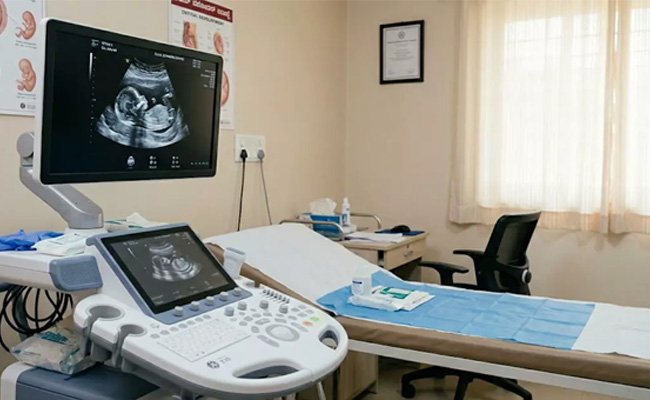
Mandya: Police on Tuesday arrested three private doctors in connection with a case involving alleged illegal scanning of 31 minor pregnant girls at a private diagnostic centre in KR Pet. The accused were later remanded to judicial custody.
The arrested doctors have been identified as Dr. Divyachetan of Chetana Maternity Centre, Dr. Harshit of Navi Diagnostic Centre, and Dr. Harish of Kushal Diagnostic Centre.
Police said Priyanka, a gynaecologist attached to a government hospital, is absconding and efforts are under way to trace her.
The case came to light after Karnataka Lokayukta Police recently conducted raids, during which illegal sex determination tests on minor pregnant girls were allegedly detected at two diagnostic centres in KR Pet town.
Following the raids, District Health and Family Welfare Officer Dr. Mohan, Deputy Director of the Women and Child Development Department P.S. Asha, and District Child Protection Officer Rashmi inspected several diagnostic centres and filed cases at KR Pet Town and Rural police stations.
According to the allegations, Navi Diagnostic Centre conducted scans on 24 minor pregnant girls, including 19 cases in 2024 and five in 2025. Kushal Diagnostic Centre is accused of conducting scans on seven minor pregnant girls.
Meanwhile, Deputy Commissioner Dr. Kumar has directed taluk vigilance committees to inspect all 63 ultrasound scanning centres in the district and submit reports within 10 days.
Officials said the Tahsildar of each taluk has been appointed chairperson of the respective committee.