Get ready to fight bypolls alone, don't depend on alliance: Mayawati to BSP leaders
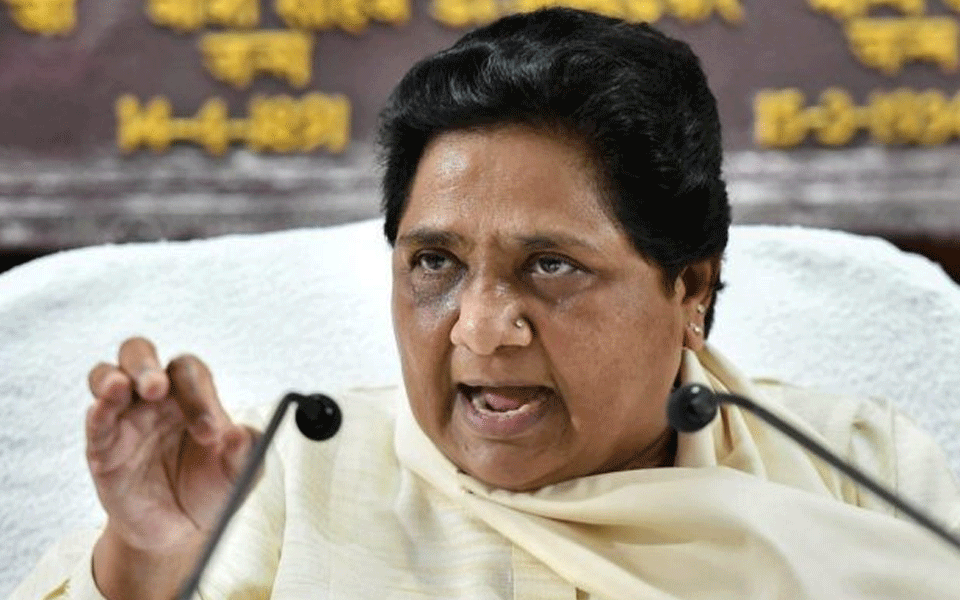
New Delhi: BSP chief Mayawati on Monday said the Lok Sabha poll drubbing in Uttar Pradesh was due to the "poor performance" of the alliance with the SP and asked party leaders and workers to be prepared to contest the assembly by-elections on their own, remarks that have raised questions over the future of the 'gathbandhan'.
At a meeting of the Bahujan Samaj Party's Uttar Pradesh unit here, she also asked office bearers, MLAS and newly-elected MPs to not depend on the alliance to win votes but to improve the party's organisation.
According to some of those present in the meeting, Mayawati also referred to the family feud in the Yadav clan, saying after Samajwadi Party leader Mulayam Singh Yadav's younger brother Shivpal decided to contest separately the community votes were not transferred to the BSP, and the SP could not even save its "family seats".
While Akhilesh Yadav's wife Dimple lost the election by over 12,000 votes in Kannauj, his two cousins Dharmendra Yadav and Akshay Yadav also lost from
Badaun and Ferozabad constituencies respectively.
Significantly, the BSP got 10 seats in this Lok Sabha polls as against 2014 polls when it could not even manage one seat.
She told the gathering at the party headquarters here that the BSP won 10 seats in UP due to its traditional vote bank and the votes of Samajwadi Party could not get transferred to its candidates.
However, Mayawati did not directly talked about the future of the alliance with Akhilesh Yadav's SP and only asked the party workers to adopt a "wait and watch" policy till the their family dispute was over, according to BSP sources.
"Neither did she criticise the SP or Akhilesh, nor did she say that the alliance was over or as good as over," a source said.
When asked about Mayawati's comments, SP Spokesperson Rajendra Chaudhry told PTI: "We will wait to know about official stand of the BSP on alliance's performance in the Lok Sabha elections, after that we will decide what we have to do."
A total of 11 assembly bypolls are due in UP after the respective MLAs won the Lok Sabha polls. While nine BJP MLAs emerged victorious in the LS polls, one each from the BSP and the SP were elected to the lower house.
She cited "poor performance" of its alliances in various states during assembly and Lok Sabha elections to emphasis that the BSP will have to strengthen its own organisational structure and not to depend on other parties to win votes in the assembly bypolls.
Mayawati's comments to the party unit assumes significance as the BSP does not usually contest bypolls.
At the time of the alliance, Akhilesh Yadav had said the alliance of his party with the BSP would last till UP Chief Minister Yogi Adityanath was sent back to Gorakhpur as mahant of (Gorakhnath) temple.
"No matter how much you try, this alliance is not going to break. The alliance will go a long way. We have not forged this alliance only to oust Prime Minister Narendra Modi from the Centre... we will not keep quiet until he and his disciple Yogi are unseated from power," Yadav had said.
Mayawati also pressed for the need to increase the involvement of members of other backward classes in the party organisation by reviving district-level committees.
Let the Truth be known. If you read VB and like VB, please be a VB Supporter and Help us deliver the Truth to one and all.
Easter celebrated with zeal across Goa; devotees throng churches
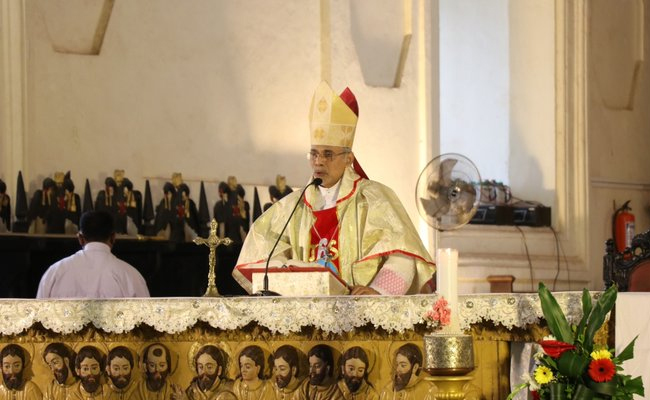
Panaji (PTI): Goa erupted in festive joy on Sunday, as thousands of devotees thronged churches and chapels across the coastal state to celebrate Easter, marking the resurrection of Jesus Christ with midnight vigils and traditional feasts.
From the historic cathedrals of Old Goa to small chapels in Salcete and Bardez, thousands of devotees attended midnight and morning services to witness the blessing of the Paschal candle, marking the end of the 40-day Lenten fast.
In many villages, the festival also heralds the season of feasts in churches and community festivities, a cherished cultural tradition in the coastal state.
Streets around major churches teemed with vehicles, causing heavy traffic as worshippers and visitors attended services.
Priests, in their Easter homilies, emphasised hope, renewal and compassion, urging the faithful to carry the spirit of sacrifice and resurrection into their daily lives.
Governor Pusapati Ashok Gajapathi Raju and Chief Minister Pramod Sawant extended warm greetings to the people of Goa.
Easter symbolises hope, renewal and the triumph of life over adversity, Raju said.
The governor, in his message, stated that the festival commemorates the resurrection of Jesus Christ, reminding people of the values of compassion, forgiveness and faith, which are essential for building a harmonious and inclusive society.
The chief minister described Easter as a celebration of new beginnings, brotherhood and humanity.
The festival carries a deeper message of faith and hope, he said, appealing to the people to live out that message through acts of love and service.
VIDEO | Goa: Midnight Easter mass held at Our Lady of the Immaculate Conception Church.
— Press Trust of India (@PTI_News) April 5, 2026
(Full video available on PTI Videos - https://t.co/dv5TRAShcC) pic.twitter.com/rTSrWuaKae