Government schools in Karnataka to have spoken English classes from this year
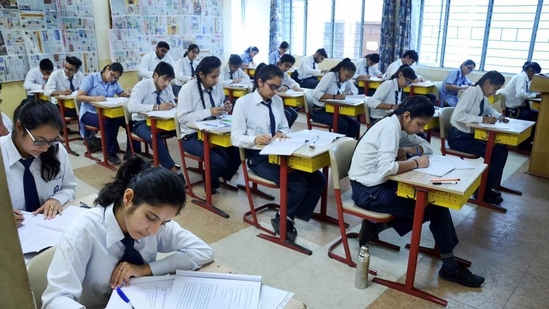
Bengaluru: In a renewed attempt at conducting spoken English classes for students of government schools in Karnataka, the Education Department has come up with a comprehensive plan equipped with better resources this year.
The government had planned a project for such classes during the weekends in select government schools last year. The Regional Institute of English had also conducted state-level training for the teachers, but the programme was held back.
According to a report in Times of India, the Education Department is contemplating a project for 180 hours of such classes in an academic year for around 1,000 schools, based on the student strength. The Department plans to recruit one guest teacher per school to handle the spoken English classes. Kannada Public Schools too are to be covered under the project.
Speaking on the project, an academician said that teaching in the regular English classes gets restricted to the prescribed content as there is undue focus on exams and completing the syllabus. The classes lack the environment for the students to speak in English, the academician added and suggested teachers to speak in English for at least 40 minutes in the classes to give the students exposure to English speaking and lead to a natural conversation in the language.
The academician further said that teachers need to design activities in the classroom and have language functions like methods of introducing oneself and asking questions.
AI-powered language is also being launched under the ‘Ek Step’ project announced in the budget this year.
As English medium in government schools is gaining popularity among the masses, the government has announced more such sections. Currently, around 4,190 schools have English medium sections and the government has announced an additional 4,000 schools in the previous budget.
Let the Truth be known. If you read VB and like VB, please be a VB Supporter and Help us deliver the Truth to one and all.
“Goli maro…” slogan raised as ABVP-linked group disrupts play at University of Hyderabad

Hyderabad: A group allegedly linked to the Akhil Bharatiya Vidyarthi Parishad (ABVP) disrupted a theatre performance at the University of Hyderabad on Sunday evening. The group is also accused of vandalising property and assaulting students.
Slogans such as “Desh ke gaddaron ko, goli maro…” were raised during the incident, according to eyewitnesses.
According to the Observer Post, the disruption happened as Mahesh Elkunchwar's play Holi was being staged at the Department of Theatre Arts' GB Hall. The group reportedly objected to certain portions of the play, claiming that some phrases hurt religious sentiments.
According to accounts from those present, the situation escalated when individuals forced their way into the venue after damaging fixtures and breaking glass panels outside the auditorium. Students attempting to intervene were reportedly assaulted, and a guest faculty member was allegedly threatened.
Several students sustained injuries and were provided initial treatment at the campus health centre before being shifted to a nearby hospital.
Police later arrived at the scene, brought the situation under control, and escorted those inside the hall to safety. Witnesses said tensions remained high, with some members of the group continuing to raise slogans during the evacuation.