Govt launches auction of 20 critical minerals worth Rs 45,000 cr
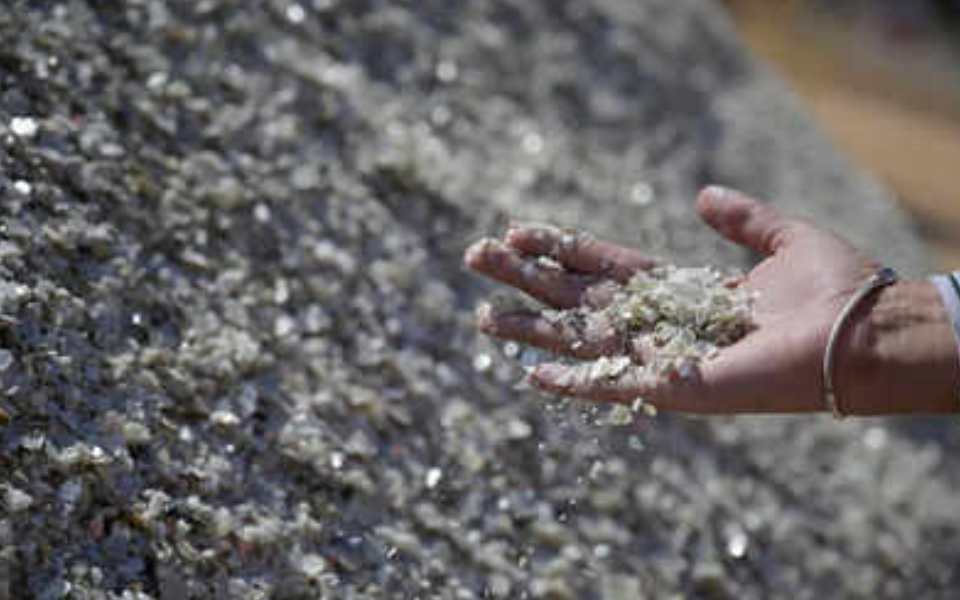
New Delhi, Nov 30: Coal and Mines Minister Pralhad Joshi on Wednesday launched the auction of 20 critical minerals worth Rs 45,000 crore.
Of the 20 minerals put on sale, two are lithium blocks, Joshi said.
One of the lithium blocks is in Jammu & Kashmir, while the other is in Chhattisgarh.
"For the first time, ever we have identified critical and deep seated minerals. We have not just identified it but we have also put it up for auction today," the minister told reporters here.
The 20 blocks on sale are across various states, including Chhattisgarh, Uttar Pradesh, Tamil Nadu, Odisha, Jharkhand, and Bihar, he said.
"The total worth of these blocks is Rs 45,000 crore," Joshi said, adding that the entire revenue accrued from these mineral blocks will go to the states.
The minister further said the auction process will close on February 20. Of the 20 mineral blocks, 16 have been put up for grant of composite licence and four for grant of mining lease.
"Today's launch of auctions is only the first tranche. We will continue to add more block of critical minerals in subsequent tranches."
"Not only this, based on industry feedback we will continue to amend the relevant laws in order to make it easier to operate in the domain of clean energy technologies," Joshi said.
India in February found its first lithium deposits in Jammu & Kashmir with estimated reserves of 5.9 million tonnes.
In July, India tweaked its mining rules by allowing the entry of private miners to search for the materials.
Critical minerals have become important for the nation's economic development and national security.
There is high demand for critical and strategic minerals. Their demand is usually met by imports. Critical minerals cater to the needs of sectors like renewable energy, defence, and agriculture.
These minerals are essential for our economic development of the country and its security.
Let the Truth be known. If you read VB and like VB, please be a VB Supporter and Help us deliver the Truth to one and all.
4 held for sexually assaulting woman, girl on moving bus after social media alert in UP's Agra

Agra (UP) (PTI): Four people were arrested, after a prompt response by police following a social media alert, for allegedly sexually assaulting a woman and a girl inside a moving bus here, officials said on Tuesday.
According to an official police statement, at 12:27 am on April 27, information was received on the social media platform X about an incident of sexual assault on a bus travelling from Kanpur to Ahmedabad, which was approaching Namner crossing in Agra.
Acting under the direction of Police Commissioner Deepak Kumar, the Agra Police social media team immediately alerted the Rakabganj police station within minutes and coordinated with the victims to confirm the incident and obtain the exact location, it stated.
Police teams launched intensive checking at Namner crossing and intercepted the bus as it reached the spot. The four accused involved in the incident were apprehended on the spot, and legal action was initiated against them, the statement said.
The police said the swift response and coordination between the social media team and field units ensured timely action, bringing relief to the victims and other passengers, who expressed gratitude towards the police, it added.