Govt proposes hike in 3rd-party motor insurance premium from next fiscal
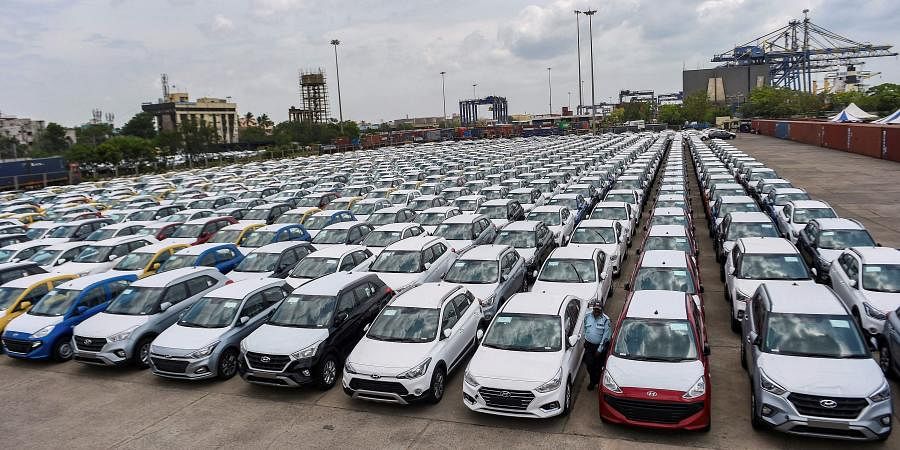
New Delhi, Mar 5: The Union Road Transport Ministry has proposed an increase in the third-party motor insurance premium for various categories of vehicles, which is likely to jack up insurance cost of car and two-wheelers from April 1.
According to the proposed revised rates, private cars with 1,000 cubic capacity (cc) will attract rates of Rs 2,094 compared to Rs 2,072 in 2019-20.
Similarly, private cars with 1,000 cc to 1,500 cc will attract rates of Rs 3,416 compared to Rs 3,221, while owners of car above 1,500cc will see a premium of Rs 7,897 compared to Rs 7,890.
Two-wheelers over 150 cc but not exceeding 350 cc will attract a premium of Rs 1,366 and for two-wheelers over 350 cc the revised premium will be Rs 2,804.
After two years moratorium due to COVID-19 pandemic, the revised TP insurance premium will come into effect from April 1.
Earlier, TP rates were notified by the insurance regulator IRDAI. This is also for the first time that the road transport ministry will notify the TP rates in consultation with the insurance regulator.
According to the draft notification, a discount of 15 per cent is proposed for electric private cars, electric two-wheelers, electric goods-carrying commercial vehicles and electric passenger-carrying vehicles.
A discount of 7.5 per cent on Motor TP premium rates for hybrid electric vehicles is proposed, the draft notification said, adding that this will be an incentive to use environment-friendly vehicles.
While electric private cars (not exceeding 30KW) will attract a premium of Rs 1,780, for electric private cars (exceeding 30 KW but not exceeding 65 KW) premium will be Rs 2,904.
The premium for goods carrying commercial vehicles (exceeding 12,000 kg but not exceeding 20,000 kg) would increase to Rs 35,313 from Rs 33,414 in 2019-20.
Similarly, in case goods carrying commercial vehicles ( exceeding 40,000 kg), the premium will increase to Rs 44,242 compared to Rs 41,561 in 2019-20.
The third party insurance cover is for other than own damage and is mandatory along with the own damage cover that a vehicle owner has to purchase.
This insurance cover is for any collateral damage to a third party, generally a human being, caused due to a road accident.
The ministry has invited suggestions on the draft notification by March-end.
Let the Truth be known. If you read VB and like VB, please be a VB Supporter and Help us deliver the Truth to one and all.
Congress using hijab issue to pacify minority anger, alleges Karnataka LoP R Ashoka
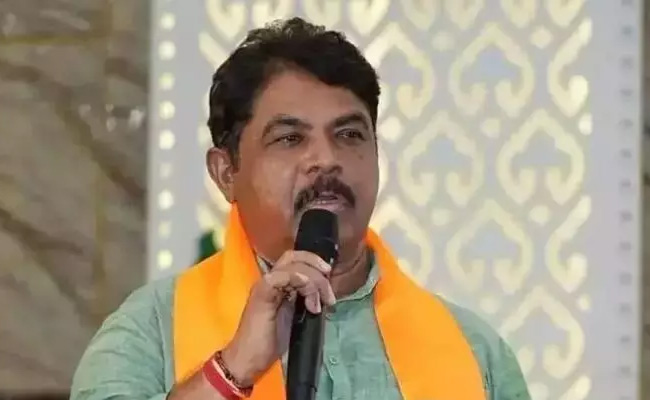
Bengaluru: Leader of Opposition in the Assembly R. Ashoka has accused the Congress government of using the hijab issue to placate what he described as discontent among minority voters after the Davanagere by-election.
In a post on X on Wednesday, Ashoka alleged that the state government, instead of addressing issues such as price rise, corruption, farmers’ distress and law and order, was attempting to retain its minority vote base by reviving the hijab issue.
Referring to the 2022 dress code introduced by the BJP government, which prohibited hijab in schools and colleges, Ashoka said the Karnataka High Court had upheld the policy and emphasised the importance of discipline in educational institutions.
He questioned the Congress government’s move to revisit the issue and asked whether setting aside the court-backed policy to benefit one community could be described as secularism.
Ashoka further alleged that while the government was willing to permit hijab, it continued to prohibit saffron shawls.
He accused the government of dividing students on religious lines rather than treating schools and colleges as spaces of equality.
Drawing a comparison with Mamata Banerjee’s government in West Bengal, Ashoka claimed that excessive appeasement politics had harmed the state and warned that the Congress in Karnataka could face a similar political response.
He said voters in Karnataka would teach the Congress a lesson for what he termed “vote-bank politics” and for compromising constitutional and judicial principles.