Govt to meet social media platforms on deepfake issue: IT Minister Ashwini Vaishnaw
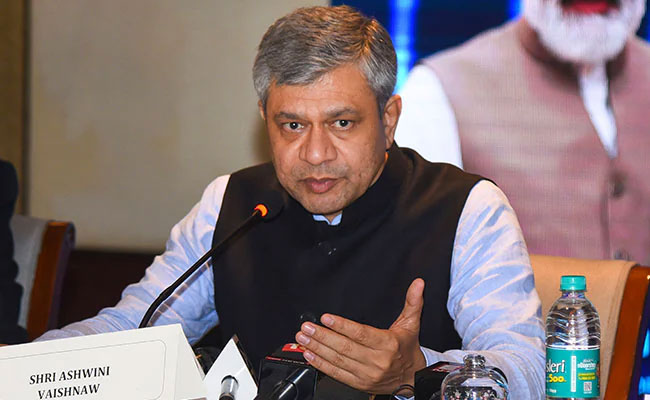
New Delhi (PTI): The government will soon meet social media platforms on the deepfake issue, IT Minister Ashwini Vaishnaw said on Saturday, asserting that the safe harbour immunity clause will not apply if platforms do not take adequate steps to remove deepfakes.
Vaishnaw told reporters that the government had recently issued a notice to companies on the deepfake issue, and the platforms responded, but added that the firms will have to be more aggressive in taking action on such content.
"They are taking steps...but we think that many more steps will have to be taken. And we are very soon going to have a meeting of all the platforms...Maybe in the next 3-4 days, we'll call them for brainstorming on that and make sure that platforms make adequate efforts for preventing it (deepfakes), and cleaning up their system," Vaishnaw told reporters.
Asked if big platforms like Meta and Google would be called for the meeting, the minister replied in the affirmative.
Vaishnaw also made it clear that the safe harbour immunity that platforms currently enjoy under the IT Act will not be applicable unless they take adequate action.
"The safe harbour clause, which most social media platforms have been enjoying...that does not apply if they do not take adequate steps for removing deepfakes from their platforms," he said.
Recently, several 'deepfake' videos targeting leading actors went viral, sparking outrage and raising concerns over the misuse of technology and tools for creating fake content and narratives.
On Friday, Prime Minister Narendra Modi cautioned that deepfakes created by artificial intelligence can lead to a big crisis and stoke discontent in society, as he urged the media to raise awareness about its misuse and educate people.
Let the Truth be known. If you read VB and like VB, please be a VB Supporter and Help us deliver the Truth to one and all.
Three private doctors arrested in illegal scanning case involving 31 minor pregnant girls in KR Pet
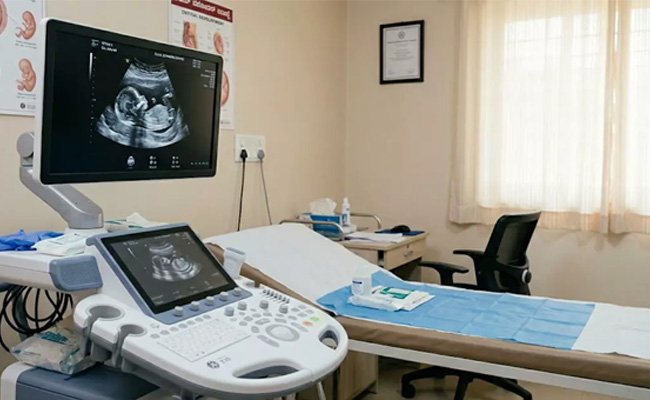
Mandya: Police on Tuesday arrested three private doctors in connection with a case involving alleged illegal scanning of 31 minor pregnant girls at a private diagnostic centre in KR Pet. The accused were later remanded to judicial custody.
The arrested doctors have been identified as Dr. Divyachetan of Chetana Maternity Centre, Dr. Harshit of Navi Diagnostic Centre, and Dr. Harish of Kushal Diagnostic Centre.
Police said Priyanka, a gynaecologist attached to a government hospital, is absconding and efforts are under way to trace her.
The case came to light after Karnataka Lokayukta Police recently conducted raids, during which illegal sex determination tests on minor pregnant girls were allegedly detected at two diagnostic centres in KR Pet town.
Following the raids, District Health and Family Welfare Officer Dr. Mohan, Deputy Director of the Women and Child Development Department P.S. Asha, and District Child Protection Officer Rashmi inspected several diagnostic centres and filed cases at KR Pet Town and Rural police stations.
According to the allegations, Navi Diagnostic Centre conducted scans on 24 minor pregnant girls, including 19 cases in 2024 and five in 2025. Kushal Diagnostic Centre is accused of conducting scans on seven minor pregnant girls.
Meanwhile, Deputy Commissioner Dr. Kumar has directed taluk vigilance committees to inspect all 63 ultrasound scanning centres in the district and submit reports within 10 days.
Officials said the Tahsildar of each taluk has been appointed chairperson of the respective committee.