Govt's reform trajectory will continue with even more vigour in coming times: PM Modi
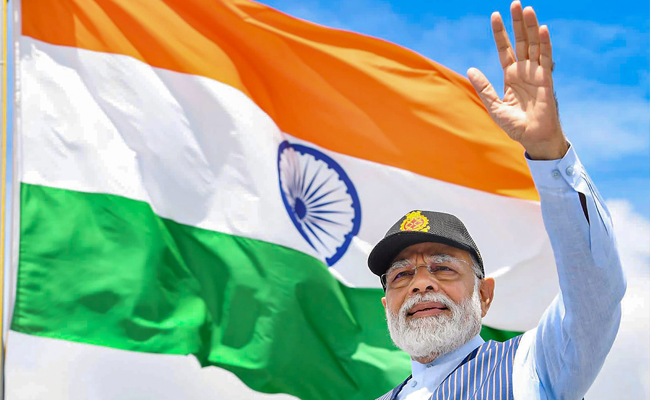
New Delhi (PTI): Prime Minister Narendra Modi on Friday said the government's reform trajectory will continue with even more vigour in the coming times as it is committed to boosting 'Ease of Living'.
The prime minister made this observation on a series of posts by the central government on its various reform initiatives.
"Ours is a Government committed to boosting 'Ease of Living' and this thread below gives examples of how we have worked in that direction. Our reform trajectory will continue with even more vigour in the coming times," Modi said.
ALSO READ: Woman hangs self, husband jumps in front of train in Delhi's Vivek Vihar
With the hashtags #ReformInAction & #GoodGovernance, the central government said in the posts that the real test of reform is whether it reduces stress for people and 2025 marked a clear shift in governance, with reforms focused on outcomes, not complexity.
Simpler tax laws, faster dispute resolution, modern labour codes, and decriminalised compliance reduced friction for citizens and businesses alike. The emphasis was on trust, predictability, and long-term growth, showing how well-designed policy can quietly improve everyday life, the posts by MyGovIndia said.
For millions of Indians, tax relief became real. Incomes up to Rs 12 lakh attract zero tax. Middle-class families now retain more of what they earn, giving them flexibility to spend, save and invest with greater confidence, it stated.
It said the Income Tax Act, 2025 streamlined compliance and brought clarity, transparency, and fairness to the direct tax system, making it more taxpayer friendly and aligned with today's needs.
Small businesses can now grow without fear of losing benefits. Higher investment and turnover limits allow MSMEs to expand while retaining access to loans and tax incentives. This encourages scaling up, hiring more workers, and building stronger local enterprises
Rural employment now creates assets, not just wages. With extended guaranteed employment and a focus on village infrastructure, rural labour is now building permanent assets that strengthen communities and livelihoods, it said.
It observed that workers no longer need to navigate dozens of laws as 29 labour laws were simplified into four clear codes covering wages, safety, social security, and relations.
Rights are clearer, compliance is easier, and women benefit from assured maternity and workplace protections, it stated.
The government also stated that GST has been made simpler for businesses and consumers alike.
With streamlined tax slabs, easier registration, automated processes, and faster refunds, the next generation of GST reforms is improving ease of doing business.The impact is clear in record Diwali sales of Rs 6.05 trillion and the strongest Navratri shopping in over a decade, it said.
It also said that businesses can now bring products to market faster.
With rationalised Quality Control Orders, Indian manufacturers face lower compliance costs, improved efficiency, and greater strength in global markets. More room to grow for Indian businesses, the government said in the posts.
The expanded definition of small companies reduced compliance burden and costs, allowing enterprises with turnovers up to Rs 100 crore to focus on innovation and expansion, it added.
Let the Truth be known. If you read VB and like VB, please be a VB Supporter and Help us deliver the Truth to one and all.
Karnataka gram panchayats achieve record 89 pc tax collection in 2025-26: Minister
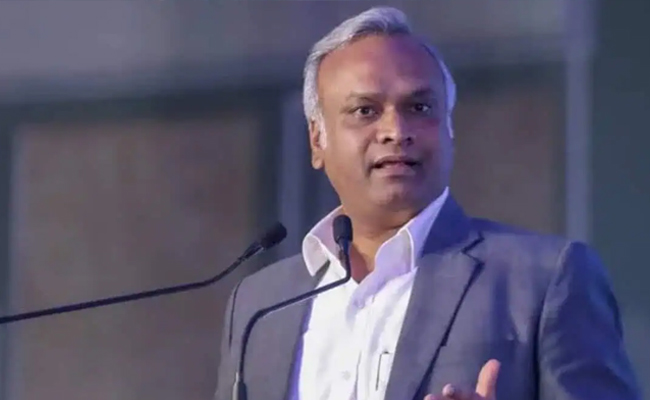
Bengaluru (PTI): Karnataka has achieved a significant milestone in grassroots governance, with 5,943 gram panchayats across the state recording higher tax collection and revenue realisation in 2025-26 compared to the previous financial year, Minister Priyank Kharge said on Thursday.
The Department of Rural Development and Panchayat Raj reported total tax collections of Rs 1,382.57 crore in 2025-26, marking an increase of Rs 110.04 crore over Rs 1,272.54 crore collected in 2024-25, the minister’s office said in a statement.
This represents a record 89 per cent realisation of the current demand, the highest in recent years, it added.
The Minister for Rural Development & Panchayat Raj said, “Our focus over the past few years has been on improving systems, ensuring accountability, and empowering local bodies to enhance their own revenue capabilities.”
“It is encouraging to see that every rupee collected is being reinvested into village infrastructure, public services, and local development. This is laying a strong foundation for inclusive and sustainable rural growth,” he added.
Karnataka had previously secured the top position at the national level in tax collection and revenue mobilisation, and the continued upward trend highlights the impact of efficient administration, strict enforcement of regulations, and strengthened tax collection mechanisms.
In 2024-25, gram panchayats had, for the first time in the department’s history, collected Rs 1,272.54 crore, achieving 80 per cent of the current demand.
Building on this momentum, the state further improved performance in 2025–26, reaching a record 89 per cent collection efficiency, the statement said.
This achievement has been driven by extensive awareness campaigns, targeted tax collection drives, and the sustained efforts of officials at all levels—from gram panchayat bill collectors to senior administrators, the minister said, congratulating all staff and officers for their contribution.
Highlighting district-level performance, Priyank noted that Raichur district recorded an exceptional 129 per cent tax collection, while 11 districts across the state achieved over 100 per cent collection, demonstrating strong local-level execution and compliance.
Over the past three years, Karnataka has witnessed a steady upward trend in tax collection. The increased revenue is being channelled into public works, improved civic services, and local development initiatives, contributing to the overall progress of rural communities, he added.