Harsh Mander: Multiple Cases Used to Intimidate Rights Defenders, Silence Dissent
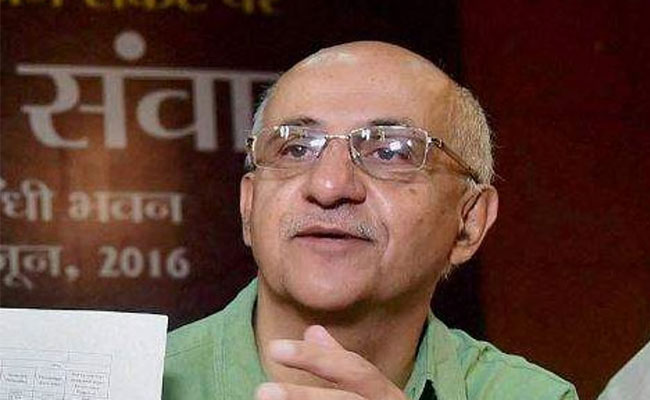
New Delhi: Rights activist Harsh Mander has described Assam Chief Minister Himanta Biswa Sarma’s reported threat to file “at least 100 cases” against him as an attempt to intimidate human rights defenders and suppress dissent, following Mander’s police complaint accusing the Chief Minister of hate speech against Bengali-origin Muslims in Assam.
Mander said threats and intimidation would not deter him from pursuing the issue, adding that the Chief Minister’s response itself highlighted the gravity of the complaint. Speaking to Maktoob Media, he said that when a sitting Chief Minister reacts to a legal complaint by threatening mass litigation, it reflects an effort to browbeat and intimidate rather than offer a reasoned legal defence.
Earlier this week, Mander approached the Delhi Police’s Hauz Khas police station seeking registration of an FIR against Sarma under provisions of the Bharatiya Nyaya Sanhita related to promoting enmity, making assertions prejudicial to national integration, issuing statements conducive to public mischief, and outraging religious feelings. The Delhi Police have said the complaint is under examination and that no FIR has been registered so far.
The complaint cites a series of public statements by the Assam Chief Minister in which he allegedly urged people to “trouble Miyas”, a derogatory term used for Bengali-origin Muslims in the state, and claimed that four to five lakh “Miya” voters would be removed from electoral rolls during the ongoing Special Intensive Revision process.
Mander said such remarks were neither casual nor abstract, but targeted a specific religious and linguistic community, dehumanised them, and openly called for their suffering and political exclusion. He warned that when language of hatred is combined with state power and allowed administrative impunity, it becomes dangerous.
He further said statements made by constitutional authorities have direct consequences on the ground, legitimising harassment, emboldening violence and creating fear among already marginalised communities. According to him, the rhetoric risked normalising collective punishment of Muslims in Assam, citing instances where people have allegedly begun echoing the Chief Minister’s words, including videos showing refusal to pay rickshaw pullers fair wages.
Questioning the Chief Minister’s remarks, Mander asked whether it was the role of a Chief Minister to “make people suffer”, as allegedly stated by Sarma. On claims that large numbers of “Miya” voters would be removed from electoral rolls, he said such assertions amounted to an attack on the constitutional right to vote and struck at the core of democracy. He cautioned that electoral verification exercises must not be turned into communal exercises.
Mander also expressed concern over the lack of institutional response, stating that neither authorities nor the Election Commission appeared to be reacting to what he described as open threats. He termed the situation deeply troubling from a constitutional perspective.
Mander told Maktoob Media, even if individuals were suspected to be foreign nationals, due legal process and inter-governmental coordination were mandatory, warning that any other approach amounted to extrajudicial action against civilians.
He also cautioned that the Special Intensive Revision process could be misused, saying there was a real danger of administrative procedures being selectively deployed to disenfranchise Bengali Muslims, drawing attention to Assam’s recent history of exclusionary exercises.
Responding to Sarma’s allegation that he had undermined the National Register of Citizens (NRC), Mander rejected the charge, stating that he had no role in implementing the NRC and was only involved in raising concerns about due process, humanitarian safeguards and the rights of vulnerable people. He said criticism of the NRC arose from its impact on ordinary residents, pointing out that around 19 lakh people were excluded, many of them poor and long-settled residents.
Mander said his involvement during the NRC process was in assisting those most affected, particularly the poor and those intimidated by the state. He added that he was appointed by the National Human Rights Commission to facilitate legal aid, assist affected people and work inside a detention centre, which he described as a “jail within a jail”.
He said the conditions he witnessed there were shocking and that families were being separated. After submitting a report to the NHRC and receiving no response, he resigned and continued his work independently under Karwan-e-Mohabbat to document and highlight the situation.
On what he expects from the Delhi Police, Mander said the matter involved constitutional accountability and that the law should take its course through impartial investigation. He added that if the police failed to act, the issue warranted judicial scrutiny, including possible suo motu cognisance by the courts, and said he was prepared to pursue legal remedies up to the Supreme Court.
Addressing Muslim communities in Assam, Mander said they were not alone and that the Constitution remained on their side, adding that while regimes of hate may not endure, resistance to injustice does.
Let the Truth be known. If you read VB and like VB, please be a VB Supporter and Help us deliver the Truth to one and all.
Three arrested for running fake Aadhaar racket in UP's Badaun
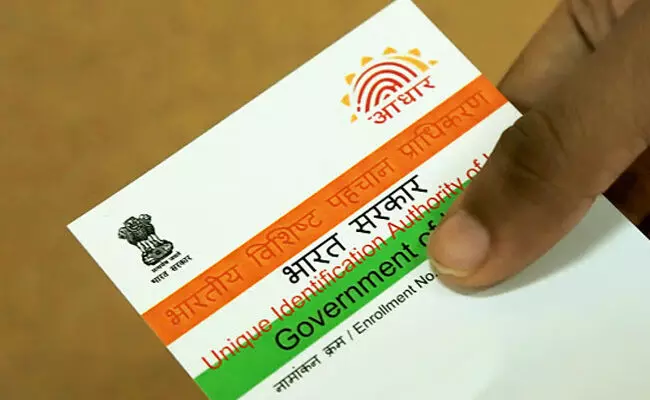
Budaun (UP), Apr 30 (PTI): The Budaun Police on Thursday busted a gang allegedly involved in preparing fake Aadhaar cards and forged documents, and arrested three of its members, officials said.
The action was carried out in the Hazratpur area, where the accused were found operating an illegal setup to generate fake identity documents, they said.
The accused have been identified as Farman Ali, a resident of Munshi Nagla, Anuj Kumar of Uprela, and Brajnandan of Sirsauli.
The police said a fingerprint scanner, three laptops, a hard disk, a scanner, a large number of Aadhaar cards and several suspicious documents were recovered from their possession.
ALSO READ: Hit by car, delivery agent dies after falling from flyover in Delhi
During interrogation, it was revealed that the gang had been involved in preparing fake identity documents for a long time, misleading people and earning money through illegal means, officials said.
Station House Officer Pushpendra Singh said the accused have been produced before a court, and efforts are underway to identify and arrest other members of the gang.
He added that further revelations are likely as the investigation progresses.