India falls to No 3 in Russian fossil fuel imports in Dec as Reliance slashes crude buy
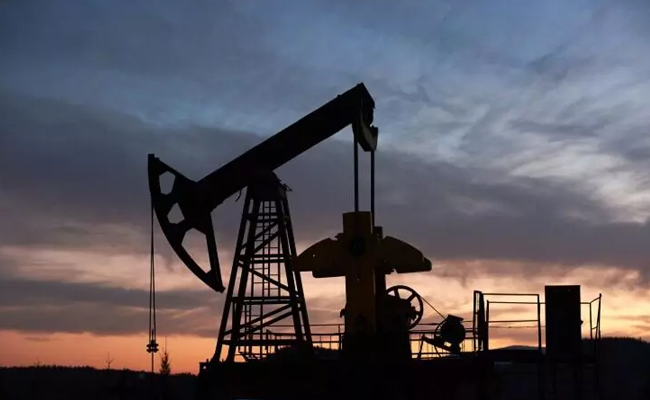
New Delhi (PTI): India fell to third place among buyers of Russian fossil fuels in December 2025 after Reliance Industries and state-owned refiners sharply cut crude oil imports, a European think tank said on Tuesday.
The total Russian hydrocarbon imports by India stood at 2.3 billion euros in December, down from 3.3 billion euros in the preceding month, according to the Centre for Research on Energy and Clean Air (CREA).
"Turkiye displaced India as the second largest importer, purchasing Euro 2.6 billion of Russian hydrocarbons in December," it said.
China remained the top buyer, accounting for 48 per cent (Euro 6 billion) of Russia's export revenues from the top five importers.
"India was the third highest buyer of Russian fossil fuels, importing a total of Euro 2.3 billion of Russian hydrocarbons in December," CREA said.
"Crude oil constituted 78 per cent of India's purchases, totalling Euro 1.8 billion. Coal (Euro 424 million) and oil products (Euro 82 million) constituted the remainder of India's monthly imports."
ALSO READ: RLD state secretary shot by nephew in Barabanki, critical
In November, India spent 2.6 billion euros on the purchase of Russian crude oil, which is processed in refineries to make fuels like petrol and diesel.
"India's Russian crude imports recorded a sharp 29 per cent month-on-month reduction to the lowest volumes since the implementation of the price cap policy. These drops occurred despite total imports growing marginally," CREA said without giving absolute numbers.
These cuts, it said, were led largely by the Jamnagar refinery of Reliance Industries, which reduced its imports from Russia by half in December.
"The entirety of their (Reliance's) imports were supplied by (Russia's) Rosneft, albeit from cargoes purchased before the US Office of Foreign Assets Control (OFAC) sanctions came into effect," it said. State-owned refineries also cut Russian imports by 15 per cent in December.
The US has imposed sanctions on Rosneft and Lukoil, two of the largest oil producers in Russia, to cut off the Kremlin's resources for funding the Ukraine war.
The sanctions have resulted in companies like Reliance Industries, Hindustan Petroleum Corporation Ltd (HPCL), HPCL-Mittal Energy Ltd and Mangalore Refinery and Petrochemicals Ltd halting or cutting imports for now. However, other refiners like Indian Oil Corporation (IOC) continue to buy from non-sanctioned Russian entities.
India, the world's third-largest oil importer, emerged as the biggest buyer of discounted Russian crude after Western countries shunned Moscow following its February 2022 invasion of Ukraine.
Traditionally reliant on Middle Eastern oil, India dramatically increased Russian imports as sanctions and reduced European demand made the barrels available at steep discounts, pushing its share from under 1 per cent to nearly 40 per cent of total crude imports.
Russia supplied about 25 per cent of all crude oil that India imported in December, down from 35 per cent in the previous month.
"In December, five refineries in India, Turkiye and Brunei that use Russian crude exported Euro 943 million of oil products to sanctioning countries. The importers included the EU (Euro 436 million), USA (Euro 189 million), UK (Euro 34 million) and Australia (Euro 283 million). An estimated Euro 274 million of these products were refined from Russian crude," CREA said.
There was a 9 per cent month-on-month reduction in the refineries’ exports to sanctioning countries. The decrease was led chiefly by the EU and UK, which recorded monthly reductions of 26 per cent and 53 per cent, respectively.
"In contrast to those two, exports to Australia (Euro 284 million) increased by 9 per cent in December. The biggest exporters to Australia were the Jamnagar refinery in India (Euro 132 million) and the Hengyi refinery in Brunei (Euro 116 million)," the think tank said.
"There was a 121 per cent increase in exports to the USA, totalling Euro 189 million. These exports originated in the Jamnagar refinery and the Tupras Aliaga refinery in Turkiye."
China remained the largest global buyer of Russian fossil fuel, accounting for 48 per cent (Euro 6 billion) of export revenues from the top five importers. Crude oil made up 60 per cent (Euro 3.6 billion) of China's purchases, followed by coal and pipeline gas. Seaborne crude imports rose 23 per cent month-on-month, driven by higher ESPO-grade crude inflows, while Urals-grade imports increased 15 per cent, reaching the highest fourth-quarter volumes since Q2 2023.
The European Union ranked fourth among buyers, with Russian fossil fuel imports worth 1.3 billion euros, half of which was LNG. Hungary was the fourth-largest single-country buyer, while Saudi Arabia imported 328 million euros of Russian oil products, ranking fifth in December.
Let the Truth be known. If you read VB and like VB, please be a VB Supporter and Help us deliver the Truth to one and all.
Karnataka fast-tracks investment approvals, cuts red tape across key clearances: Minister Patil
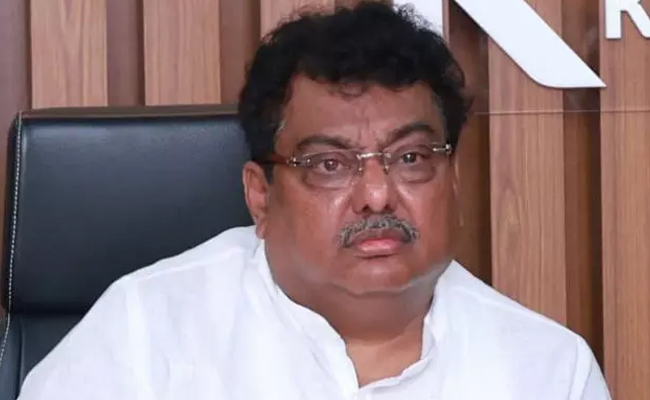
Bengaluru (PTI): Karnataka Minister M B Patil on Saturday said the state government has fast-tracked approvals for investment projects and taken measures to cut red tape.
He said that since 2022, Karnataka has approved 2,028 projects worth Rs 5.11 lakh crore, which could create 7.16 lakh jobs.
Of these, Rs 69,564 crore has already been realised, generating 1.06 lakh jobs, he added.
“Karnataka fast-tracks approvals, cuts red tape,” the Minister for Large & Medium Industries said.
“Clear results of our government’s push to speed up approval processes are now evident. Not only have investment agreements been secured, but effective implementation is also underway,” he said in a post on X.
He added that simplified and swift approval processes are boosting investor confidence and providing greater impetus to industrial growth across the state.
“Karnataka’s investment-friendly environment is further strengthened by its culture of ease of doing business,” he said.
Noting that Karnataka is fast-tracking approvals and aligning departments and districts for on-ground delivery, the minister said: “We have overhauled 18 key approvals, cutting land use change clearance time from 120 to 45 days, fire NOC from 60 to 21 days, factory plan approvals from 30 to 14 days, and electrical approvals to just 10 days.”
In a competitive landscape, Karnataka is acting decisively to ensure faster decisions, fewer delays, and a truly pro-industry ecosystem, he added.