Industrialist B K Birla passes away at 98
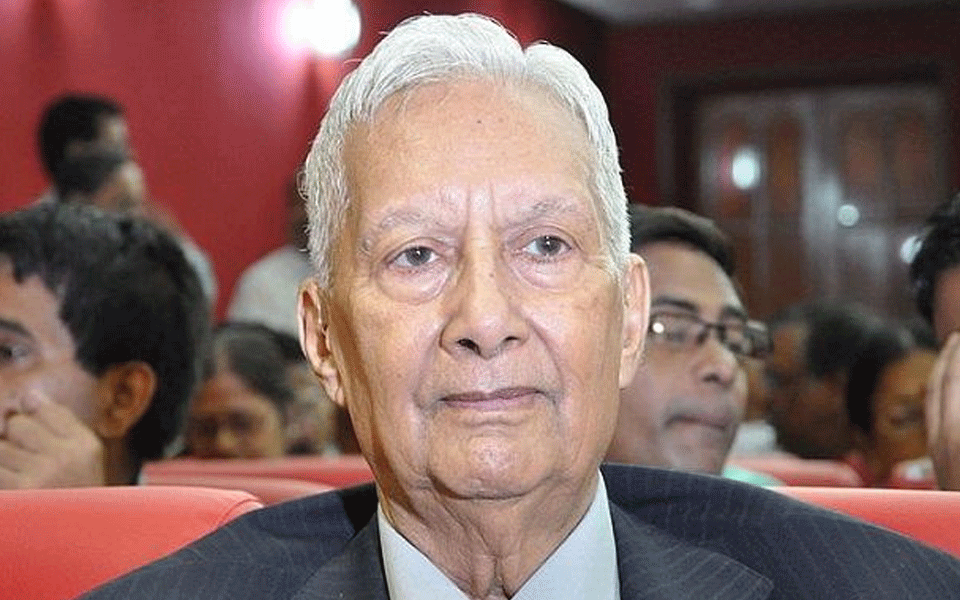
Mumbai, Jul 3: Birla Group patriarch B K Birla passed away in Mumbai on Wednesday at the age of 98, his family said.
A doyen of the Indian industry, Birla had been suffering from age-related ailments.
Birla was the chairman of Century Textiles and Industries and had been active in business since the age of 15.
He was instrumental in a slew of business initiatives, starting with his stint as the chairman of Kesoram Industries, they said.
He is survived by his daughters Manjushree Khaitan and Jayshree Mohta, who run Kesoram Industries and Jayshree Tea and Industries respectively.
His wife Sarala Birla predeceased him in 2015. His only son Aditya Vikram Birla had died in 1995.
The sources said Birla's body would be brought to his house at Birla Park in Kolkata and the cremation will take place on Thursday.
His grandson Kumarmangalam Birla had taken him to Mumbai due to his failing health.
The seat of the Birla brothers in the city Birla Building will remain closed on Thursday as a mark of respect to B K Birla.
Born in 1921, Birla was the youngest son of philanthropist Ghanshyam Das Birla.
By the time he was 15, he was already actively associated with a large number of companies and eventually became the chairman of Kesoram Industries.
He focussed on the industries such as cotton, viscose, polyester and nylon yarns, refractory, paper, shipping, tyrecord, transparent paper, spun pipe, cement, tea, coffee, cardamom, chemicals, plywood and MDF Board.
The B K Birla group comprised Century Textiles, Century Enka and Jayshree Tea and Industries besides Kesoram Industries.
Birla was also the chairman of the Krishnarpan Charity Trust, which runs an engineering college named B K Birla Institute of Engineering and Technology at Pilani, Rajasthan and a patron of 25 educational institutions across the country.
Let the Truth be known. If you read VB and like VB, please be a VB Supporter and Help us deliver the Truth to one and all.
What is Iran’s 10-point plan? Key demands ahead of US talks in Islamabad
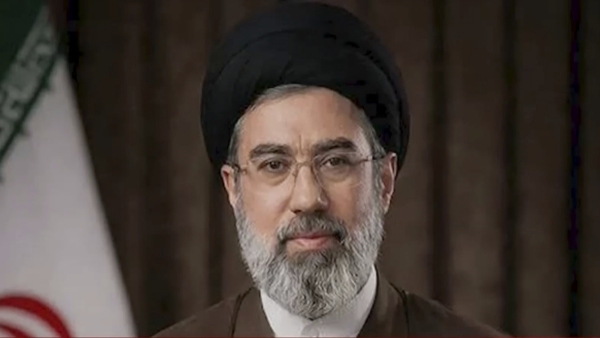
Tehran/Islamabad: Iran has outlined a 10-point plan as the basis for upcoming talks with the United States, expected to begin in Islamabad on April 11, according to a statement from the Iranian Supreme National Security Council.
The plan lays out Tehran’s key political, military and economic demands, and is being seen as a framework for negotiations following the recent escalation in the region.
Strait of Hormuz at the centre
A major focus of the plan is the Strait of Hormuz, a critical global shipping route. Iran has proposed “controlled passage through the Strait of Hormuz in coordination with the Iranian armed forces,” which it says would give the country a unique economic and geopolitical position.
The plan also calls for the “establishment of a safe transit protocol” in the Strait that would guarantee Iran’s dominance under an agreed mechanism.
Call to end conflict
Iran has demanded “the necessity of ending the war against all elements of the axis of resistance,” signalling its expectation that hostilities should stop not only in Iran but also involving allied groups in the region.
US troop withdrawal
Another key demand is the “withdrawal of US combat forces from all bases and deployment points in the region,” indicating Tehran’s long-standing position against American military presence in West Asia.
Sanctions relief and compensation
The plan places strong emphasis on economic measures. It calls for “full payment of Iran’s damages according to estimates,” along with “the lifting of all primary and secondary sanctions and resolutions of the Board of Governors and the Security Council.”
It also seeks “the release of all Iranian assets and properties frozen abroad,” which have been a major point of contention for years.
Binding global guarantee
Finally, Iran has demanded that all these terms be formally recognised through “a binding Security Council resolution,” suggesting it wants international legal backing to ensure enforcement.
What this means
The 10-point plan reflects Iran’s broader push for security guarantees, economic relief and regional influence. The upcoming talks in Islamabad are expected to test how far both sides are willing to negotiate on these demands.