International kidney racket busted, 3 held
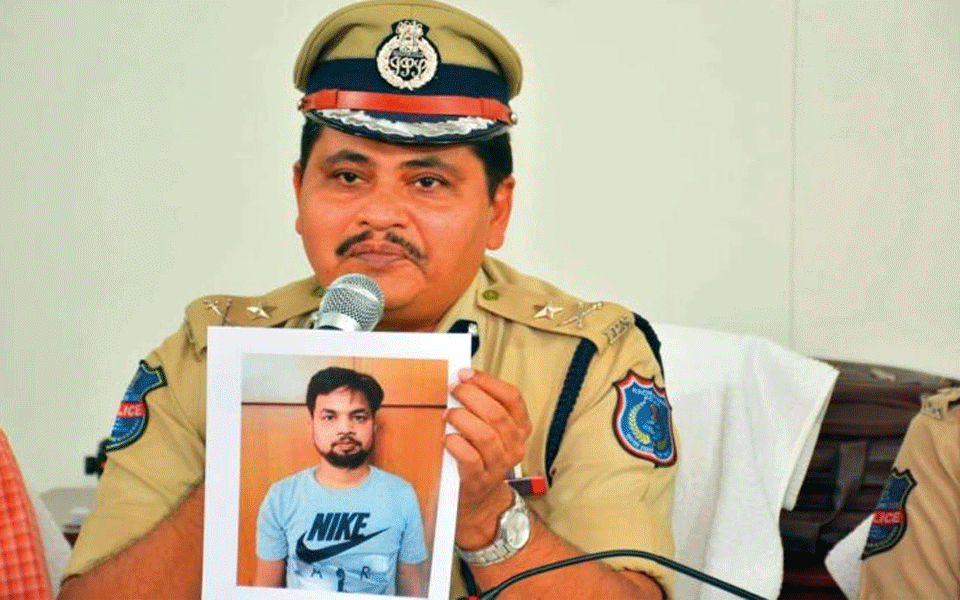
Hyderabad, Apr 1: An international kidney racket was busted with the arrest of three people who allegedly lured a 33-year-old man from Hyderabad and got his kidney removed in Turkey after promising to pay Rs 20 lakh, police said Monday.
Amrish Prathap, kingpin of the crime, and his two accomplices, Sandeep Kumar alias Rohan Malik and a 37-year-old woman, were arrested from Delhi and produced before a court there and brought to Hyderabad on a transit remand, Rachakonda Police Commissioner Mahesh M Bhagwat told reporters here.
To identify the donors, the accused engaged agents and brokers and used social media to lure them with big money and simultaneously searched for rich patients who could spend around Rs 50 lakh to Rs 1 crore for kidney transplantation, the Commissioner said.
Investigations revealed that Amrish Prathap sent patients and donors to Sri Lanka, Egypt and Turkey and had succeeded in conducting around 40 transplantations, he said.
The victim, in a complaint lodged with police in February 2019, said that in July 2018 he had seen a post on Facebook by Rohan Malik under the caption 'Kidney needed in India'.
The victim contacted Malik, who told him that they would pay him a huge sum of money if he sold his kidney, besides providing expenses for transportation, accommodation, documentation and medical examinations.
To tide over his financial situation, he accepted the offer of Malik who promised to pay him Rs 20 lakh and he went to Delhi in July 2018.
He met the accused and attended all the required medical examinations including cross-match test with the patient, police said.
In August 2018, Malik informed the victim about his travel to Turkey for surgery and removal of the complainant's kidney, Bhagwat said.
Before travelling, Malik and one Rithika Singh allegedly prepared forged documents for conducting the kidney transplantation surgery at a hospital in Izmir city and sent him (victim) along with the patient and his family, he said.
However, after the surgery the accused refused to pay him the promised money, which led to a clash there, following which they threatened him, saying if he disclosed the matter, they would kill him, Bhagawat said.
The complainant, having no other option on foreign soil, pleaded with them, collected his passport and returned to India, the Commissioner said.
Following his complaint, a case was registered under relevant sections of the IPC, the Transplantation of Human Organs Act and the IT Act.
Police found Amrish Prathap had involved many doctors, diagnostic centres, government officials, agents and brokers in the racket, he said.
A special police team kept surveillance over the activities of the accused and a Look Out Circular was issued against Prathap.
On March 28 midnight, Prathap landed at the Indira Gandhi International Airport in New Delhi from Singapore and Immigration authorities detained him.
They informed Rachakonda police, who based on his information, arrested two of his accomplices in Delhi, the commissioner added.
Let the Truth be known. If you read VB and like VB, please be a VB Supporter and Help us deliver the Truth to one and all.
Will of people supreme, says Mahua Moitra after BJP's landslide victory in Bengal
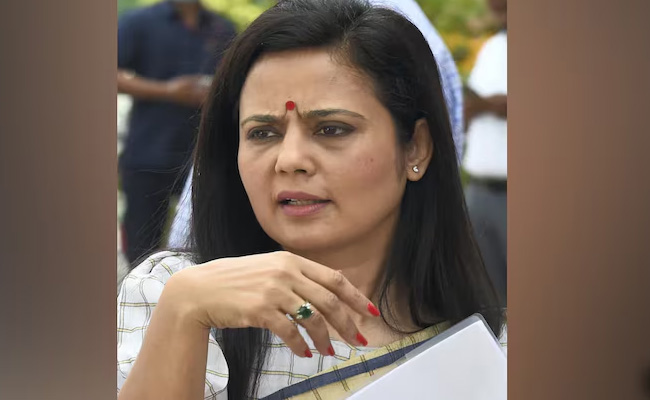
Kolkata (PTI): A day after the Trinamool Congress faced a drubbing by the BJP in the West Bengal assembly elections, TMC MP Mohua Moitra on Tuesday said her party respects the mandate as the will of the people is supreme.
She also said that the party will continue the fight for a “secular country”.
In a post on X, Moitra said, “The will of the people is supreme. If Bengal wanted BJP, then Bengal has got BJP. We respect that.”
The BJP on Monday scripted history by winning 206 seats to secure more than a two-thirds majority in the West Bengal assembly polls, ending the TMC’s 15-year rule.
"We fought the good fight against unimaginable odds on an uneven pitch and for that I am proud of my leader & my party," Moitra said.
She said the TMC will continue to stand and fight for a secular country where the constitution, and "not brute majoritarianism, is the last word”.