J-K Governor Satya Pal Malik lauds role of Muslims in smooth conduct of Amarnath Yatra
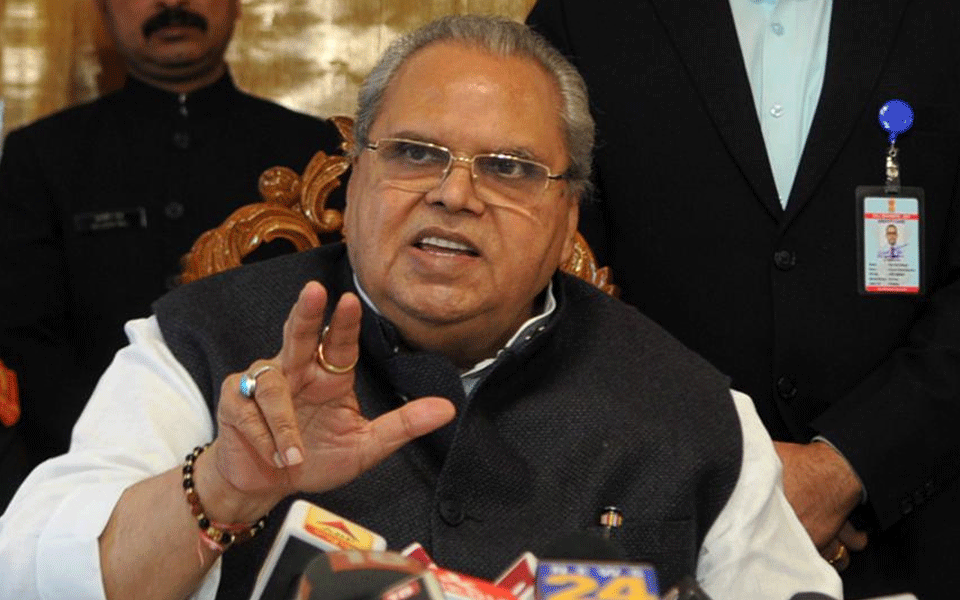
Srinagar, Jun 30: Jammu and Kashmir Governor Satya Pal Malik Sunday lauded the role of local Muslims in ensuring the smooth conduct of the Amarnath Yatra over the years and expressed hope that the pilgrimage will be successful this year too.
Malik said while the government looks after the security aspect of the annual pilgrimage, it is conducted with the support of the locals.
"The security for the yatra is our responsibility and we are taking care of it. But police or Army do not conduct the yatra. For many years, the Amarnath Yatra is being conducted by the people of Kashmir, especially our Muslim brothers. The yatra takes place with their support," he told reporters here.
"If all of us work together, it will be successful," he added.
The 46-day annual pilgrimage to the cave shrine of Lord Shiva in south Kashmir Himalayas will commence on Monday and conclude on August 15.
Asked whether the Centre's Kashmir policy will see a change with Amit Shah being appointed as the Union home minister, Malik said he had not seen anything of that sort yet.
"I am not seeing anything like that yet, but Amit Shah's leadership is a very successful leadership and whatever work he has undertaken, he has been successful in it," he said.
Earlier, the governor inaugurated the Jehangir Chowk to Alochi Bagh limb of Jehangir Chowk-Rambagh flyover.
He said the flyover would ease the traffic flow in the city.
"With the opening of this (stretch), the traffic jams will be eased. Before this people would get angry, the temper of the whole city would rise, but now they will be peaceful. This will save their time and petrol," he said.
Let the Truth be known. If you read VB and like VB, please be a VB Supporter and Help us deliver the Truth to one and all.
What is Iran’s 10-point plan? Key demands ahead of US talks in Islamabad
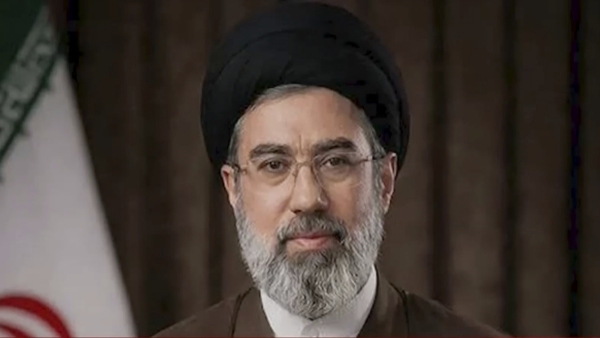
Tehran/Islamabad: Iran has outlined a 10-point plan as the basis for upcoming talks with the United States, expected to begin in Islamabad on April 11, according to a statement from the Iranian Supreme National Security Council.
The plan lays out Tehran’s key political, military and economic demands, and is being seen as a framework for negotiations following the recent escalation in the region.
Strait of Hormuz at the centre
A major focus of the plan is the Strait of Hormuz, a critical global shipping route. Iran has proposed “controlled passage through the Strait of Hormuz in coordination with the Iranian armed forces,” which it says would give the country a unique economic and geopolitical position.
The plan also calls for the “establishment of a safe transit protocol” in the Strait that would guarantee Iran’s dominance under an agreed mechanism.
Call to end conflict
Iran has demanded “the necessity of ending the war against all elements of the axis of resistance,” signalling its expectation that hostilities should stop not only in Iran but also involving allied groups in the region.
US troop withdrawal
Another key demand is the “withdrawal of US combat forces from all bases and deployment points in the region,” indicating Tehran’s long-standing position against American military presence in West Asia.
Sanctions relief and compensation
The plan places strong emphasis on economic measures. It calls for “full payment of Iran’s damages according to estimates,” along with “the lifting of all primary and secondary sanctions and resolutions of the Board of Governors and the Security Council.”
It also seeks “the release of all Iranian assets and properties frozen abroad,” which have been a major point of contention for years.
Binding global guarantee
Finally, Iran has demanded that all these terms be formally recognised through “a binding Security Council resolution,” suggesting it wants international legal backing to ensure enforcement.
What this means
The 10-point plan reflects Iran’s broader push for security guarantees, economic relief and regional influence. The upcoming talks in Islamabad are expected to test how far both sides are willing to negotiate on these demands.