Jai Bhim: Slogan that energised Dalits was first given at this central Maharashtra village
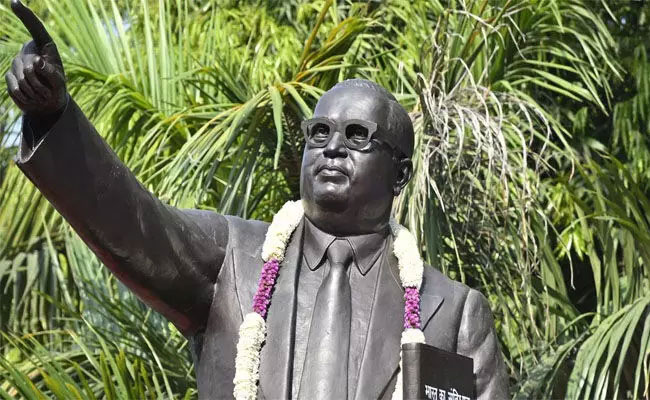
Chhatrapati Sambhajinagar (PTI): 'Jai Bhim': These two words have come to symbolise the awakening and empowerment of the Dalit community in independent India, but not many people know how it originated.
The slogan, which also encapsulates the immense reverence in which Dr Bhimrao Ramji Ambedkar is held, was first raised at the Makranpur Parishad, a conference organised at Makranpur village in Kannad teshil of today's Chhatrapati Sambhajinagar district in Maharashtra.
Ambedkar, the chief architect of India's Constitution, died on December 6, 1956.
Bhausaheb More, the first president of the Scheduled Castes Federation of Marathwada, organised the first Makranpur Parishad on December 30, 1938.
Dr Ambedkar spoke at the conference and asked the people not to support the princely state of Hyderabad under which much of central Maharashtra then fell, said Assistant Commissioner of Police Pravin More, Bhausaheb's son.
"When Bhausaheb stood up to speak, he said every community has its own deity and they greet each other using the name of that deity. Dr Ambedkar showed us the path of progress, and he is like God to us. So henceforth, we should say 'Jai Bhim' while meeting each other. The people responded enthusiastically. A resolution accepting 'Jai Bhim' as the community's slogan was also passed," More told PTI.
"My father came in contact with Dr Babasaheb Ambedkar in his early years. Bhausaheb was aware of the atrocities the Nizam state committed on Dalits. He told Ambedkar about these atrocities, including the pressure to convert. Dr Ambedkar was strongly against these atrocities, and he decided to attend the 1938 conference," he said.
As Ambedkar was against the princely states, he was banned from giving speeches in the Hyderabad state but was allowed to travel through its territories. The Shivna river formed the border between Hyderabad and British India. Makranpur was chosen as the venue for the first conference because it was on the banks of Shivna but lay in the British territory, ACP More said.
The stage made of bricks, from where Dr Ambedkar addressed the conference, still stands. The conference is organised on December 30 every year to carry forward Ambedkar's thought, and the tradition was not discontinued even in 1972 when Maharashtra experienced one of the worst droughts in it history.
"My grandmother pledged her jewellery for the conference expenses. People from Khandesh, Vidarbha and Marathwada attended it. Despite a ban imposed by the Nizam's police, Ambedkar's followers crossed the river to attend the event," said ACP More.
"This is the 87th year of Makranpur Parishad. We have deliberately retained the venue as it helps spread Ambedkar's thought in rural areas," he added.
Let the Truth be known. If you read VB and like VB, please be a VB Supporter and Help us deliver the Truth to one and all.
Parliament passes bill to recognise Amaravati as Andhra Pradesh's permanent capital
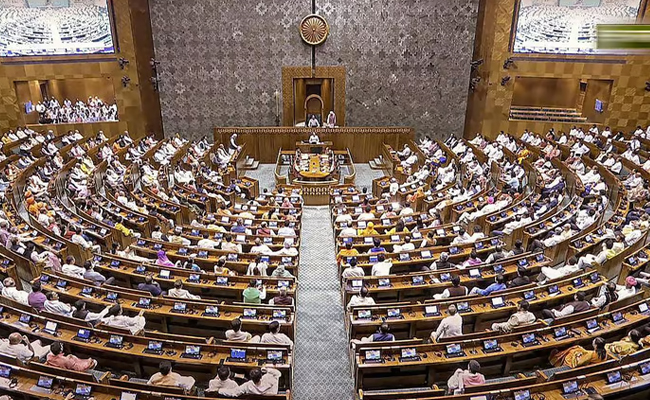
New Delhi (PTI): Parliament on Thursday passed a bill seeking to recognise Amaravati as the sole and permanent capital of Andhra Pradesh with the Rajya Sabha giving its nod to it with a voice vote.
The Andhra Pradesh Reorganisation (Amendment) Bill, 2026, which will scuttle any future bid to alter the decision of making Amaravati the capital of the southern state was passed by the Lok Sabha on Wednesday.
Replying to the debate on the bill in the Rajya Sabha, Minister of State for Home Affairs Nityanand Rai said Andhra Pradesh is getting a new capital in Amaravati and gave his best wishes to the state.
"We hope that Andhra Pradesh touches new heights of development and plays a meaningful role in fulfilling the dream and resolve of Prime Minister Narendra Modi in achieving 'Viksit Bharat'," said the minister while terming it a historic occasion.
Supporting the bill, Masthan Rao Yadav Beedha of TDP said after a lot of planning, Amaravati was chosen for its history, location and potential.
Several other members, including TDP member and Minister of Civil Aviation K Rammohan Naidu also supported the bill.