Jammu celebrates Eid with prayers for global peace
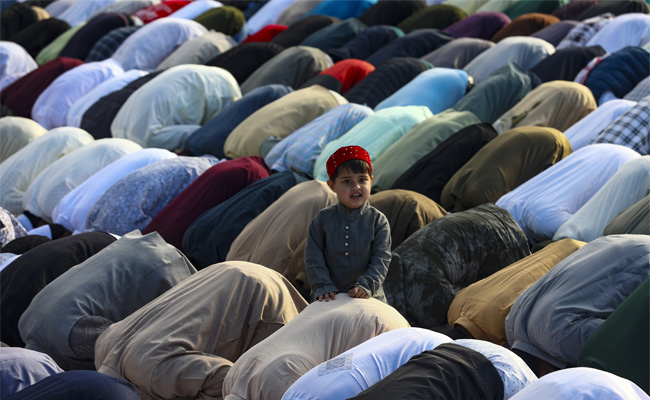
Jammu (PTI): Amid tight security arrangements, Eid al-Fitr was celebrated with religious fervour and traditional gaiety across the Jammu region on Monday, with a large number of Muslims gathering at various eidgahs and mosques to offer prayers for peace and an end to the conflicts in the Middle East.
Eid al-Fitr marks the end of the holy month of Ramzan, which is observed through fasting, prayers and charity, and ushers in a festival of joy, togetherness and thanksgiving.
Hundreds of devotees offered prayers at different mosques and eidgahs across the region, with the main congregation held at the eidgah on Residency Road in Jammu, followed by gatherings at the Mecca Masjid in Bathindi and the Jamia Masjid in Talab Khatikan.
Religious scholars highlighted the significance of the day, emphasising compassion, sacrifice and gratitude, and prayed for peace across the world, particularly in the conflict-hit regions of West Asia.
ALSO READ: Air India deployed wrong aircraft for Vancouver; plane returned to Delhi on Thu
The Shahi Imam of Jammu, Mufti Inayatullah Qasmi, said Eid is a day of joy and gratitude after a month of fasting and worship.
“We pray that Allah keeps everyone happy, prosperous and in good health, and that humanity lives in peace and harmony,” Qasmi told reporters here.
Referring to global conflicts, the Shahi Imam said war is not a solution and urged nations to resolve differences through dialogue.
“We appeal to all countries to sit together and end this loss of human lives,” he said.
National Conference provincial president Rattan Lal Gupta, who visited the eidgah on Residency Road with party leaders to greet people, said Jammu has a long tradition of communal harmony.
“Irrespective of religion, people in Jammu celebrate each other’s festivals together. Today also, people of all communities have gathered to share the joy of Eid,” Gupta said.
Expressing hope that prayers offered on Eid would bring peace, prosperity and employment opportunities to the region, he said, “We also pray for an end to conflicts around the world.”
Extending Eid greetings, National Conference MLA Bashir Ahmad Veeri said global conflicts have led to rising prices and hardships for the people.
“We pray that wisdom prevails, the war ends, and people get relief from suffering. We also pray for peace and brotherhood in our country,” Veeri said.
After offering prayers, people were seen exchanging greetings and sweets to embrace the festival in a spirit of unity and celebration.
Eid was also celebrated with traditional fervour across Doda, Kishtwar, Ramban, Poonch, Rajouri and Udhampur.
Let the Truth be known. If you read VB and like VB, please be a VB Supporter and Help us deliver the Truth to one and all.
Lebanon appoints new representative for talks with Israel, rejects linkage to Iran
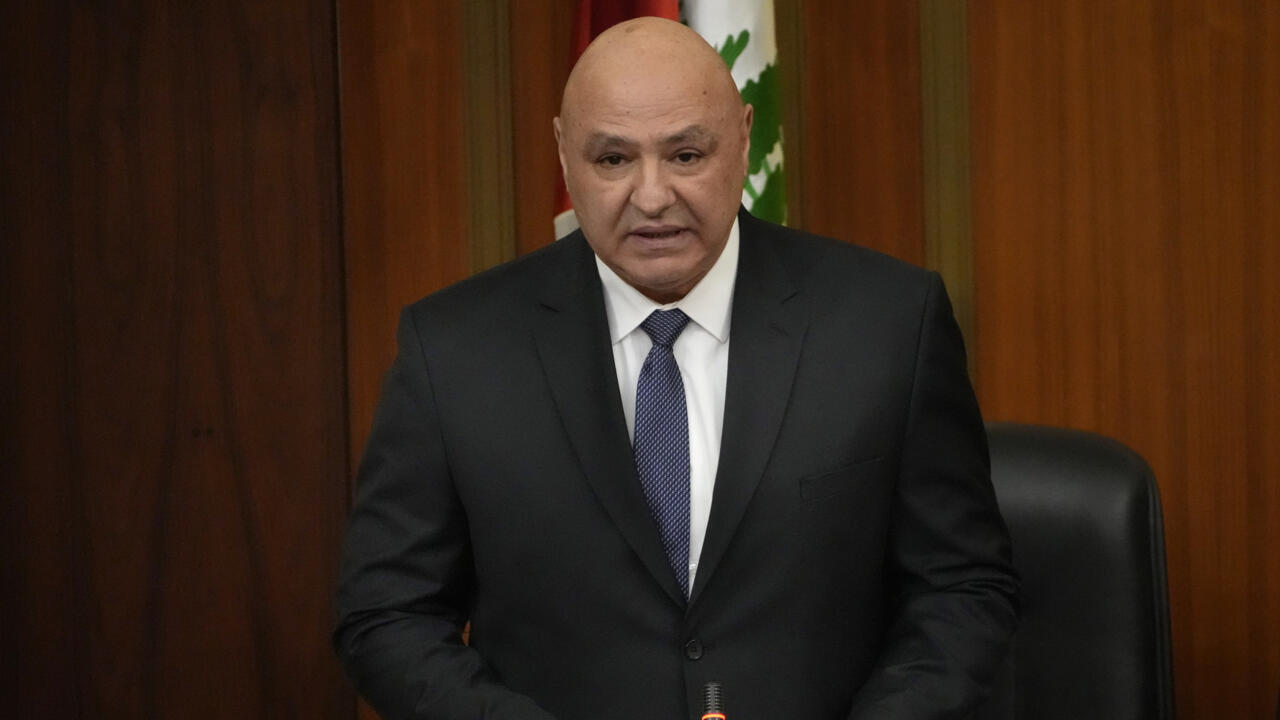
Beirut: Lebanon’s has moved to underline its independent position in ongoing regional developments, amid attempts to link the country to the broader conflict involving Iran, the United States and Israel.
President Joseph Aoun, while announcing the appointment of former US ambassador Simon Karam as Lebanon’s representative in talks with Israel, made it clear that Karam would be the sole representative for Lebanon and that there would be no substitute.
The move comes in response to what the Lebanese officials see as efforts by Iran to tie Lebanon’s situation to the wider regional conflict. Iran had indicated that there would be no ceasefire involving the US, Israel and Iran unless it also included a ceasefire in Lebanon.
Some groups, including Hezbollah and its supporters, had expressed support for linking the situations, citing concerns that the Lebanese government has limited leverage in negotiations with Israel. Lebanon is not formally a party to the conflict, and its army is considered weak.
However, others, including Prime Minister Nawaf Salam, have opposed this approach. They view Iran’s stance as an attempt to influence Lebanon’s internal affairs and see it as undermining the country’s sovereignty.
Officials backing the government’s position say the move is aimed at reaffirming Lebanon’s sovereignty and ensuring that decisions about peace and ceasefire within the country are not dictated externally.
They also see it as a safeguard, so that any breakdown in talks between the US, Israel and Iran does not automatically lead to renewed conflict in Lebanon.