Kerala MVD warns quick-commerce firms over rash driving by riders
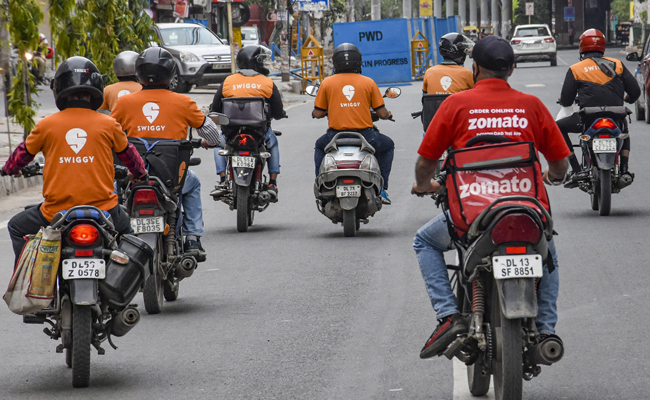
Thiruvananthapuram (PTI): The Kerala Motor Vehicles Department (MVD) has issued notices to major quick-commerce platforms, including Blinkit, Swiggy, Zepto and Bigbasket, to overhaul their delivery policies, following a surge in traffic violations and reckless driving by their riders.
The notices have been served to the companies’ dark stores and platform operators, directing them to streamline and align their internal policies with road safety regulations within the next 15 days, a statement said here on Wednesday.
The department warned that failure to comply would invite further legal action.
The MVD pointed out that the growing practice of promising ultra-fast deliveries—within seven or 20 minutes—is contributing to unsafe driving behaviour on roads.
Speeding, rash riding and failure to wear safety gear such as helmets were identified as some of the most common violations among delivery riders, it said.
Other road users are often forced to avoid these riders due to the fear of accidents.
The department noted that riders are frequently under pressure to complete orders quickly in order to maximise their income and move on to the next assignment.
In many cases, unrealistic deadlines set by online platforms and aggressive marketing strategies that promise customers rapid delivery timelines are leading to compromised road safety.
Emphasising that public safety cannot be sacrificed for commercial competition, the MVD said online delivery platforms must ensure responsible business practices and strict adherence to traffic laws to prevent accidents and protect lives.
Let the Truth be known. If you read VB and like VB, please be a VB Supporter and Help us deliver the Truth to one and all.
4 workers die after being buried under coal slurry in Jharkhand's Dhanbad
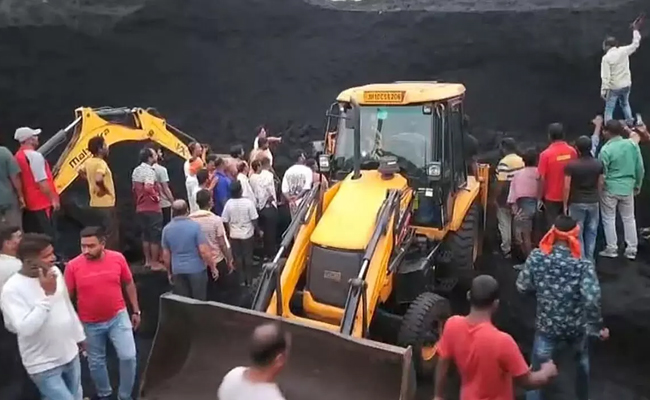
Dhanbad (Jharkhand) (PTI): At least four workers died after being buried under coal slurry in Jharkhand's Dhanbad district on Saturday, a police official said.
The incident took place at Moonidih coal washery in the command area of Bharat Coking Coal Limited (BCCL).
"Bodies of all four workers were dug out of debris during a rescue operation," Putki police station in-charge Waqar Hussain told PTI.
The incident took place when coal slurry was being loaded into trucks by workers, during which a large chunk of slurry fell and trapped several workers underneath, officials said.
The deceased have been identified as Manik Bauri, Dinesh Bauri, Deepak Bauri, and Hemlal Gope.
Meanwhile, the family members of the deceased and local villagers placed the bodies in front of the washery gate and began a protest.
They demanded compensation, jobs for dependents and action against those responsible for the incident.
Police and administration officials are trying to pacify the protesters, an official said.