KM Mani a dominant player in Kerala coalition politics for over 4 decades, dies at 86
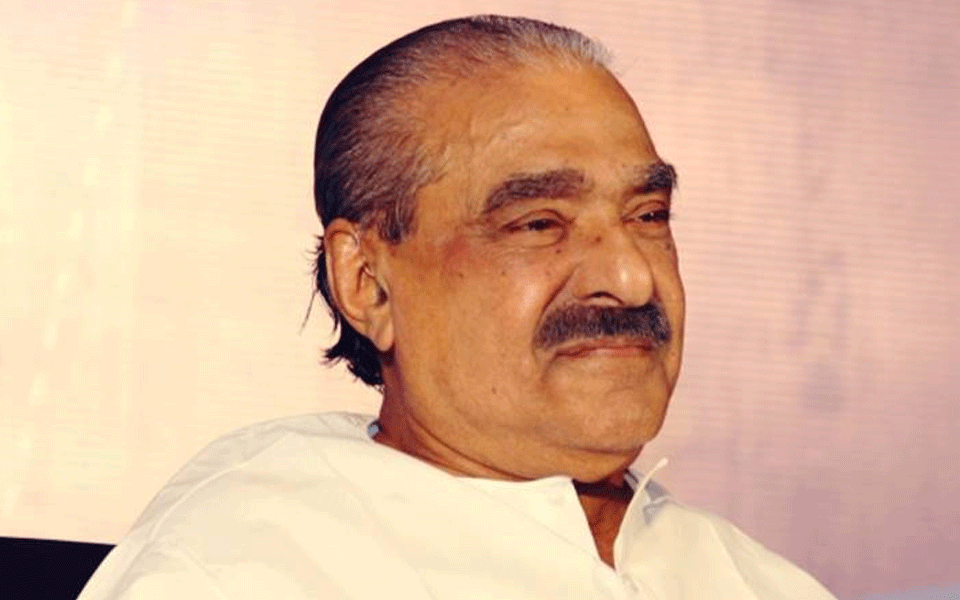
Kottayam (Kerala), Apr 8: Veteran Kerala Congress leader K M Mani, who died here Tuesday, had been a dominant player in Kerala's coalition politics for over four decades, serving under six Chief Ministers.
Mani, a successful practitioner of pragmatic politics, had handled key portfolios like finance for most Congress-led UDF governments, which came to power alternatively since the late 1970s.
He also had a brief stint as a minister in the CPI(M)-led LDF ministry in early 1980s.
A man of wit and humour, Mani, who was elected to the Kerala Legislative Assembly for the first time in 1965 from Pala constituency of Kottayam district, never lost an election and continued to represent the constituency till his death.
He held several key portfolios, including Home Affairs, Finance and Law, Irrigation and law, Revenue and Law in various ministries headed by stalwarts in Kerala politics including C Achutha Menon, P K Vasudevan Nair, K Karunakaran, E K Nayanar, A K Antony and Oommen Chandy.
Mani had been a Minister for 24 years in various ministries and as the Finance Minister, presented 13 budgets in the state assembly.
His foes in the Kerala Congress politics have always accused him of engineering splits in the regional party for his political benefits.
About the phenomenon of frequent splits in the Kerala Congress and emergence of Kerala Congress with varying suffixes, Mani oncefamously said: "We are a party that splits as we grow and grows as we split".
A lawyer by profession, Mani wielded considerable clout among people of the Syrian Catholic community in Kottayam and Idukki districts, ever since he emerged as a powerful leader in the 1970s in the Kerala Congress, which has its roots among the farmers in the erstwhile Travancore region.
Mani-led Kerala Congress(M) is the largest among nearly nine political outfits having the name of Kerala Congress with varying suffixes and is the third largest constituent in the Congress-led UDF in the state.
He was forced to quit as Finance Minister from the Chandy-led government in November 2015 following the Kerala High Courts observations against him in the bar bribery case, casting a shadow over his career.
Born as the son of a farmer at Marangattupally village near Pala, Mani completed his Bachelors Degree in Law and started practicing as an advocate at Kozhikode as a junior of P Govinda Menon, who later became Judge of Kerala High Court.
Beginning his political career as a Congress worker, Mani had served as the general secretary of Kottayam District Congress Committee before becoming part of the Kerala Congress movement, headed by stalwarts like K M George.
He authored several books, including 'Fiscal Problems of Kerala-Causes and Remedial Measures', 'The People's Socialism", "The Eighth Five year Plan-an Alternative Approach", "Doctrine of Toiling Class", "The Economic Development of Kerala", "Toiling Class Theory" and "Political and Economic Studies".
Annamma Mani is his wife and they have one son and five daughters.
Let the Truth be known. If you read VB and like VB, please be a VB Supporter and Help us deliver the Truth to one and all.
Karnataka MLA Vinay Kulkarni disqualified after conviction in Goudar murder case
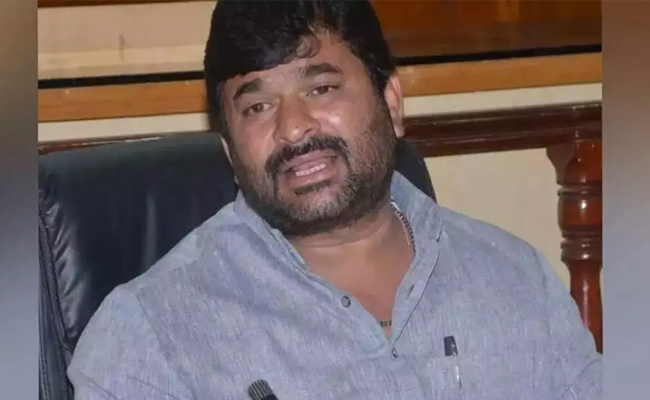
Bengaluru (PTI): The Karnataka Legislative Assembly on Saturday issued an official notification regarding the disqualification of Congress MLA Vinay Kulkarni following his conviction in the murder case of BJP leader Yogeshgouda Goudar.
The former minister is currently in prison, serving life imprisonment in the case.
“Consequent upon the conviction of Vinay Kulkarni, Member of the Karnataka Legislative Assembly representing the Dharwad constituency, by the LXXXI Additional City Civil & Sessions Judge, Bengaluru City (CCH-82), in Spl CC No. 565/2021, he stands disqualified from the membership of the Karnataka Legislative Assembly from the date of conviction, i.e, April 15, 2026,” the notification read.
“He stands disqualified in terms of the provisions of Article 191(1)(e) of the Constitution of India, read with Section 8 of the Representation of the People Act, 1951, and such disqualification shall continue for a further period of six years after his release, unless the conviction is stayed by a competent court,” it added.
Hence, one seat in the Karnataka Legislative Assembly has fallen vacant, the notification said.
Bypolls were held on April 9 to fill two other seats in the 224-member Assembly that fell vacant due to the death of sitting MLAs. The results will be declared on May 4.
On April 15, Judge Santhosh Gajanan Bhat convicted Kulkarni and others under various IPC sections, including criminal conspiracy and murder. Subsequently, on April 17, the court sentenced Kulkarni and 15 others convicted in the case to life imprisonment.
The case pertains to the killing of Goudar, a BJP Zilla Panchayat member, in Dharwad on June 15, 2016. Kulkarni was a minister at that time. Hired assailants attacked and hacked Goudar to death in his gym at Saptapur in Dharwad.
Following demands from Goudar’s family and others, the then-BJP government transferred the case to the CBI in 2019.
The CBI filed a supplementary chargesheet in 2020, naming Vinay Kulkarni as the “main conspirator.” It alleged that he perceived Yogeshgouda Goudar as a growing political rival in Dharwad and hired contract killers to eliminate him.
Kulkarni was arrested by the CBI in 2020. He was granted bail by the Supreme Court in August 2021 under certain conditions, including a ban on entering Dharwad district. However, in June 2025, the apex court cancelled his bail following allegations of witness tampering and attempts to influence prosecution witnesses.
Kulkarni again sought bail in January 2026, but the High Court rejected it, citing judicial propriety.
However, the Supreme Court granted him bail on February 27 after noting that all witnesses had been examined.