Ladakh: Renaming of public health centers as ‘Ayushman Arogya Mandir’ sparks backlash
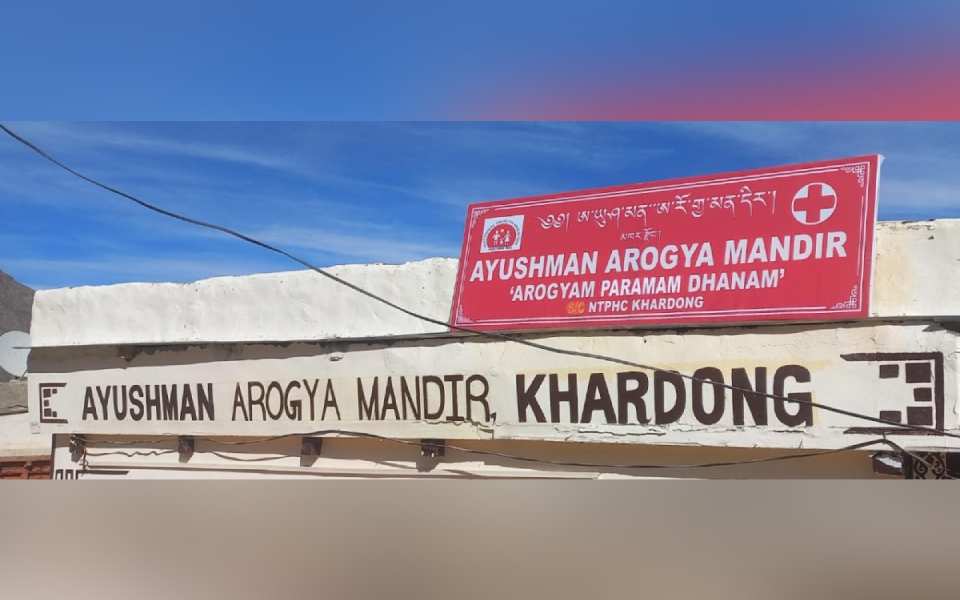
Srinagar: The Bharatiya Janata Party-led Union government's decision to rename health centers as ‘Ayushman Arogya Mandirs’ has ignited controversy in Ladakh, drawing criticism from the region’s most influential Buddhist organization and elected representatives who view the move as an insult to the sentiments of the people in the Union Territory, according to TheWire.in.
In November last year, the Union Ministry of Health and Family Welfare had decided to rename Ayushman Bharat- Health and Wellness Centers (AB-HWC’s) as 'Ayushman Arogya Mandirs'. In a letter dated November 25, 2023, the ministry proposed the name change as part of a rebranding initiative for states and union territories. States were instructed to submit photographs of these health centers along with the renaming by December 31, 2023.
The rebranding of Ayushman centers in the Union Territory has faced strong opposition from major religious groups in Ladakh, particularly in the Buddhist-majority Leh district. Elected representatives in the district have also criticized the renaming of health centers.
Meanwhile, Chering Dorjey Lakrook, acting president, Ladakh Buddhist Association (LBA), who also served as a Minister in the erstwhile People’s Democratic Party-BJP government in the state of Jammu and Kashmir, stated that the decision was unacceptable.
“This is a conspiracy against us. What is the joy in naming hospitals after temples? this is a step towards making India a ‘Hindu Rashtra’,” said Dorjey speaking to TheWire.in
Simultaneously, Saspol constituency Councilor and President of Ladakh unit Youth Congress, Smanla Dorje Nurboo speaking to TheWire.in expressed that people are offended by this decision.
“Health facilities should be accessible to all. But this move will create barriers to use these facilities," he alleged.
Let the Truth be known. If you read VB and like VB, please be a VB Supporter and Help us deliver the Truth to one and all.
Trump says he ‘hasn’t even thought about’ continuing Iran ceasefire
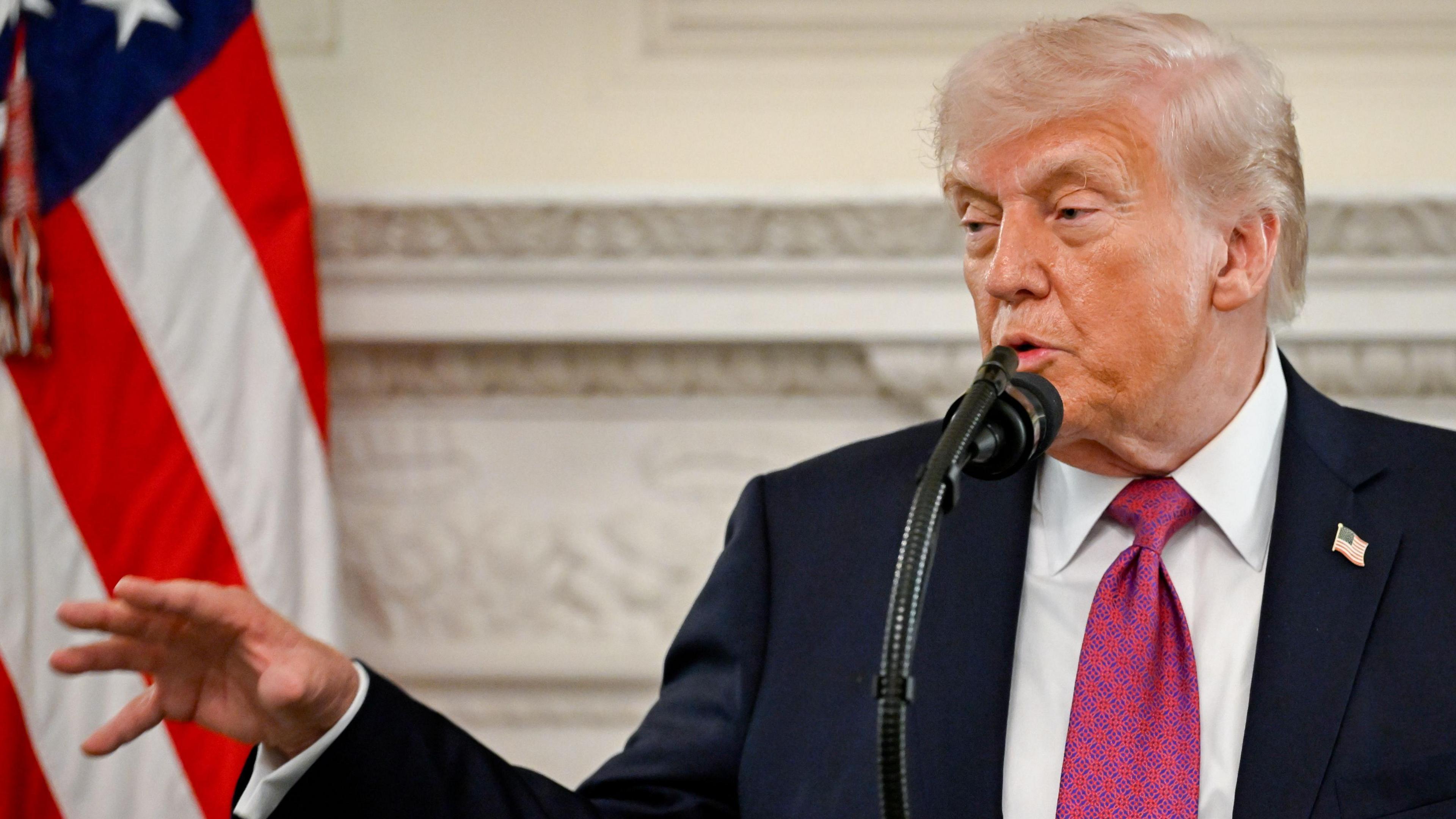
Washington: US President Donald Trump has said he has not yet considered whether he would continue the ceasefire involving Iran, while also claiming the United States holds the advantage in negotiations.
Speaking to reporters, Trump said he was prepared to make a deal with “whoever is running the show” in Iran.
“They are fighting with each other, there’s tremendous infighting. They’re probably fighting for leadership in many cases. I think they’re fighting not to be leader because we knocked out two levels of leaders,” he said.
Trump added, “When they want they can call me. We have all the cards, we’ve won everything.”
Referring to ongoing negotiations, he said, “They gave us a paper that should’ve been better. And, interestingly, immediately when I cancelled it [envoy trip to Pakistan], within 10 minutes we got a new paper that was much better.”
“We talked about they will not have a nuclear weapon, very simple … They offered a lot, but not enough,” he added.
When asked whether he would continue the ceasefire, Trump replied, “I haven’t even thought about it.”
The remarks come as uncertainty remains over the future of the temporary truce and broader negotiations between Washington and Tehran.