LG again rejects proposal for panel to probe deaths due to oxygen shortage: Delhi Dy-CM Sisodia
'Centre wants states to say there were no deaths due to oxygen shortage'
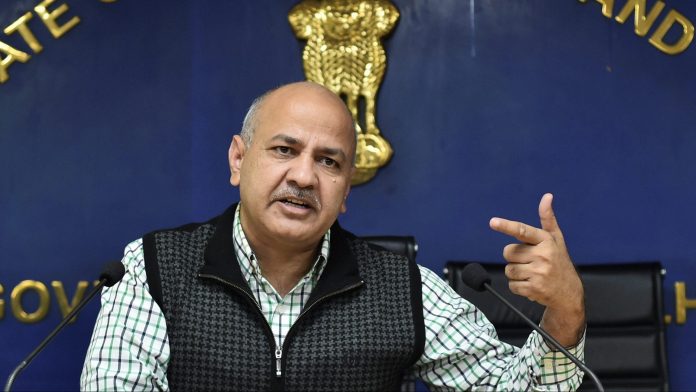
New Delhi, Aug 20: Deputy Chief Minister Manish Sisodia on Friday said Lieutenant Governor Anil Baijal has again rejected the Delhi government's proposal to form a panel to "investigate deaths due to oxygen shortage" in the national capital.
No one can deny that Delhi grappled with an oxygen crisis in April and May during the second Covid wave and also no one can deny that people died in the capital due to shortage of oxygen, he said during an online press conference.
"We had resubmitted a file for the constitution of a panel to probe deaths due to oxygen shortage. The LG (lieutenant governor) is saying that there is no need for that," Sisodia said.
The deputy chief minister said that on one hand, the Centre has been asking states to tell how many people died due to oxygen shortage and on the other, "you have not been allowing us to investigate such deaths". "Then how will states tell?" he asked.
"That means the Centre deliberately wants us to give in writing that no death occurred due to the shortage of oxygen in the entire country. It will be a big lie. It will be a cruel joke with the families who have lost their loved ones," Sisodia said.
He claimed that the Centre was responsible for oxygen mismanagement in April and May and said whether it was deliberate or a mistake is a matter of investigation.
The Centre will have to accept that it was responsible for the oxygen crisis. People across the entire country bore the brunt of it, Sisodia said.
"People have died due to oxygen shortage in the 21st century, but the Centre is saying these fatalities should not be probed. Why?" he asked.
The deputy chief minister had last week written to Union Health Minister Mansukh Mandaviya that it is difficult to ascertain without a probe if there were any oxygen-related deaths during the second Covid wave, and the Delhi government is seeking fresh approval from the LG to form an expert panel for it.
The Delhi government had in June formed a four-member expert committee to look into the deaths due to the shortage of oxygen during the second wave of COVID-19.
The committee was rejected by the LG.
Let the Truth be known. If you read VB and like VB, please be a VB Supporter and Help us deliver the Truth to one and all.
Lakhimpur Kheri violence case: SC expresses disappointment over non-production of witnesses in trial
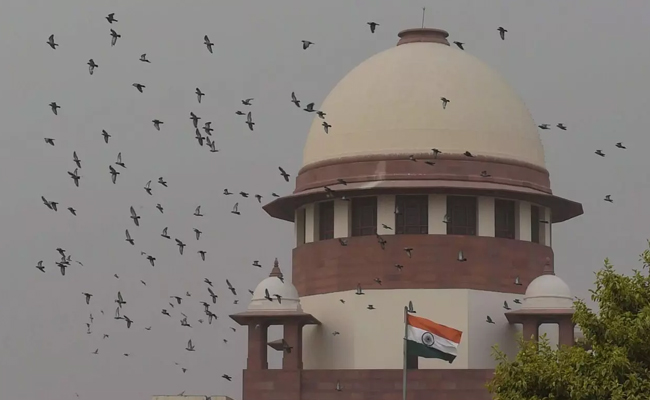
New Delhi (PTI): The Supreme Court on Friday expressed disappointment over the non-production of witnesses in the ongoing trial against Ashish Mishra, son of former Union minister Ajay Mishra, and others in the 2021 Lakhimpur Kheri violence case.
A bench of Chief Justice Surya Kant and Justice Joymalya Bagchi said the status report filed before it by the Uttar Pradesh government has not assigned any reason whatsoever for the non-production of witnesses.
It noted that no witnesses have been examined in the trial for the last two months.
"We direct the presiding judge to take lawful measures to secure the presence of witnesses," the bench said.
It asked the trial judge to make an endeavour to conclude the trial in a time-bound manner, and also to file a status report before it.
The trials in two cases related to the incident are going on before a court in Uttar Pradesh.
The bench noted that in the first case, out of 131 witnesses to be examined, 44 have been examined, 15 have been discharged and 72 are still to be produced.
In the second FIR, out of 35 witnesses, 26 have been examined and nine were left, it said.
Senior advocate Siddharth Dave, appearing for Ashish Mishra, said that as per the latest status report filed by Uttar Pradesh, 44 witnesses have been examined so far in the first FIR.
"No witnesses have been examined in the last two months," Dave said.
He argued that the last status report filed by the state in March also said that 44 witnesses had been examined.
"What have you done from March till today?" the bench asked the counsel appearing for Uttar Pradesh.
The state's counsel said that 3-4 witnesses were summoned for the recording of their deposition during the trial.
The bench said at least 7-8 witnesses should be summoned instead of three or four for a day, so that even if some of them do not turn up, the trial court could proceed with the recording of statements of those appearing before it.
The top court also wondered how official witnesses can remain absent during the trial.
"We are disappointed to note that the so-called status report does not assign any reason whatsoever for non-production of witnesses...," the bench said.
Advocate Prashant Bhushan, appearing for the relatives of the farmers who were allegedly mowed down in the incident, said the apex court will have to do something regarding the manner in which the trial was going on.
The bench noted that besides the two FIRs, another FIR was registered in October last year concerning alleged witness intimidation.
It said that, as per the state's status report, the chargesheet was filed against the main accused in that case.
The bench noted that the status report reveals that, as far as Ashish Mishra is concerned, his alleged role in the third case is still being investigated.
The top court directed the investigating officer of the third case to conclude the pending probe and ensure that the appropriate report is filed before the concerned court within four weeks.
The bench posted the next hearing in the Lakhimpur Kheri violence case for July.
On October 3, 2021, eight people, including four farmers, were killed in Tikunia in Lakhimpur Kheri district during a protest by farmers against Deputy Chief Minister Keshav Prasad Maurya's visit to the area.
Four farmers were mowed down by a sports utility vehicle. A driver and two BJP workers were then allegedly lynched by angry farmers. A journalist also died in the violence.
In one of the cases, the trial court in December 2023 framed charges against Mishra and 12 others for alleged murder, criminal conspiracy and under other penal laws in the case of the farmers' deaths, paving the way for the trial.