Lynching bad for India's reputation: Alphons in China
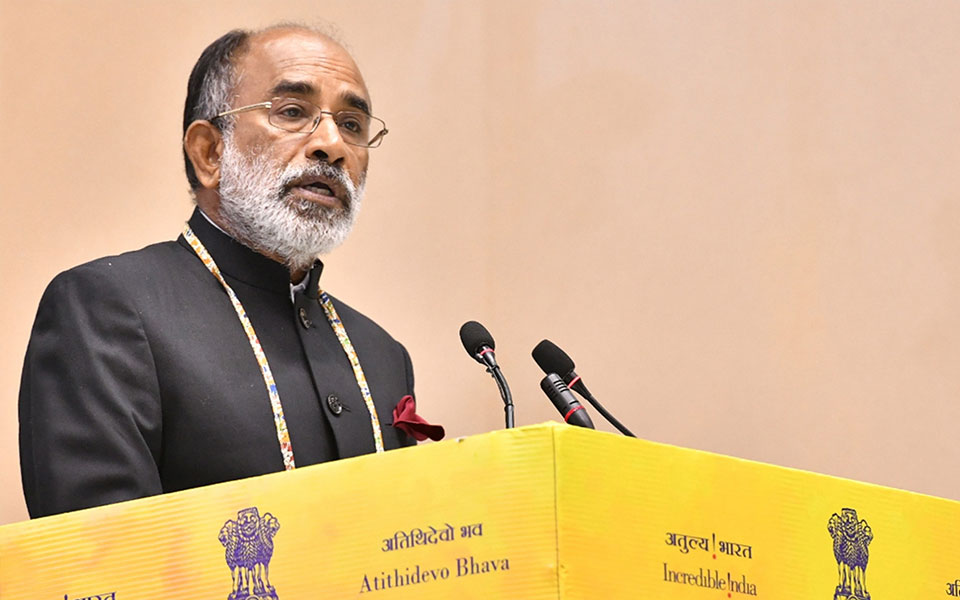
Beijing, Aug 29 : Incidents of lynching have hurt India's image, Tourism Minister K.J. Alphons, who is in China to draw in more tourists, has admitted.
The minister, however, said that the ban on beef has not affected tourism in the country and sought to debunk a survey showing India as the most unsafe country for women in the world.
"Well, it (lynching) shouldn't happen. Simple. And, the Prime Minister (Narendra Modi) has called them criminals. And, he told the states you have to take action because law and order is a state subject," Alphons said on Tuesday interacting with Indian journalsits.
Asked if incidents of lynching have affected tourism in India, the Minister said: "Well, not on a big time basis...not really. But anything happening like that is bad for the reputation of the country. We won't say it's good for the reputation of the country."
Has the ban on beef kept foreign tourists away from India, Alphons said that was not the case. "Not really... you see there are states like Kerala, Goa and the Northeast... these are all beef eating states."
"These are all big tourism destinations... So people would go wherever they are comfortable "I think we need to respect the sentiment of the people anywhere... that's so fundamental."
India has witnessed incidents of lynching over cow slaughter and beef eating in the country. The majority of Hindus in the country consider the animal as sacred.
Alphons is visiting China to attract Chinese tourists who currently generate some 21 per cent of tourism receipts in destinations in the world. He opened a road show in Beijing on Tuesday and will visit Shanghai and Wuhan.
Despite swelling number of outbound Chinese tourists, Indian receives only a very small fraction of them. "Last year, 144 million Chinese were abroad, but only 300,000 came to India," the minister said.
He said India plans to get at least 14 million Chinese tourists in the next three years.
Asked about women's safety, an issue which is among the prime concerns among Chinese to visit India, Alphons said it was "a perception battle".
He tore apart a recent survey by Thomson Reuters which said India is the most unsafe country for women.
"Thomson Reuters put out a story saying it's (India) unsafe. We asked them how? They say they interviewed 540 people or something out which 43 from India."
"You can't ask the 43 so-called knowledgeable people of India whether India is safe or not because most of these so-called feminists would be anti-government ... it is the politics of it," he said.
Let the Truth be known. If you read VB and like VB, please be a VB Supporter and Help us deliver the Truth to one and all.
Maharashtra sets up state vaccination task force to strengthen immunisation programme

Mumbai (PTI): The Maharashtra government has set up a State Vaccination Task Force to strengthen the regular immunisation programme and review the progress of related campaigns, a health department official said on Monday.
The State Vaccination Task Force will comprise at least 29 members and will be headed by the administrative head of the health department, he informed.
The government has also constituted separate district-level and municipal vaccination task forces to improve implementation and address challenges at the grassroots level, he said.
Municipal task forces, chaired by respective civic commissioners, have been constituted in view of the vast urban population in Maharashtra and the role of civic bodies in implementing different health programmes.
The district-level task forces will function under the chairmanship of collectors.
"Complete immunisation of children at the appropriate age is an extremely simple, cost-effective and highly effective measure to reduce child mortality and the prevalence of diseases among kids. Immunisation is a powerful tool for reducing illness in children," maintained the official.
To ensure full vaccination of all children, the state government implements various campaigns from time to time as per the central government guidelines, he pointed out.
"Active participation and cooperation of other relevant government departments are essential (in making these campaigns successful)," according to the official.
The state-level body will review the regular immunisation programme, associated campaigns and vaccine-preventable diseases in detail. It will also conduct focused assessments of high-risk districts and municipal corporations, including vacancies at district, municipal and sub-district levels, availability of cold chain equipment, resource gaps and training requirements, he noted.
The state task force will review allocation and utilisation of funds for immunisation and ensure timely action by officers concerned based on reports from district and municipal task forces and state-level monitoring mechanisms, the official said.
It will also ensure active coordination and participation of other government departments in immunisation drives, while district and municipal task forces will carry out similar functions at their respective levels, the official added.