No vote cast in 90 booths in Srinagar Lok Sabha seat
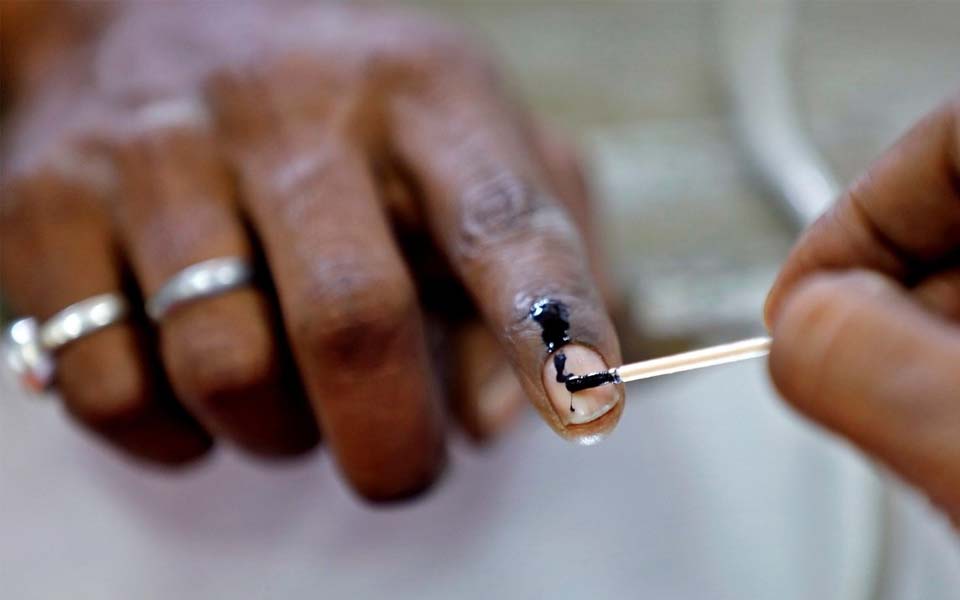
Srinagar, Apr 18: As many as 90 polling booths, mostly in downtown city, saw no voting in Thursday's elections to the Srinagar Parliamentary seat, sources said.
The Srinagar constituency comprising eight assembly segments recorded zero turnout in as many as 50 polling booths.
The majority of these booths were located in Eidgah, Khanyar, Habba Kadal and Batmaloo, sources said.
Barring the Sonawar assembly segment, where former chief ministers Farooq Abdullah and Omar cast their votes, all other seven assembly seats recorded a single digit voting percentage with Eidgah at 3.3 per cent by the end of the polling.
Sonawar recorded 12 per cent polling.
In the neighbouring Ganderbal district, which is a part of the Srinagar parliamentary seat, as many as 27 polling booths recorded no votes at the end of the polling.
The same was the case with 13 booths of Budgam, which witnessed large scale violence in 2017 by-elections to the Lok Sabha seat.
In Budgam area, Chadoora saw the lowest turnout at 9.2 per cent among the five assembly segments, while Chrar-e-Sharief recorded the highest at 31.1 per cent.
The Srinagar constituency has 12,95,304 registered voters and 1,716 polling stations.
The National Conference patron Farooq Abdullah, who is the sitting MP from this constituency, is seeking reelection.
The PDP has fielded Aga Syed Mohsin, while Khalid Jahangir from the BJP and Peoples Conference's Irfan Ansari are also in the fray.
The Congress, which is an ally of NC, has stayed away from contesting Srinagar.
Let the Truth be known. If you read VB and like VB, please be a VB Supporter and Help us deliver the Truth to one and all.
Himanta resigns as Assam CM, paving way for formation of new govt
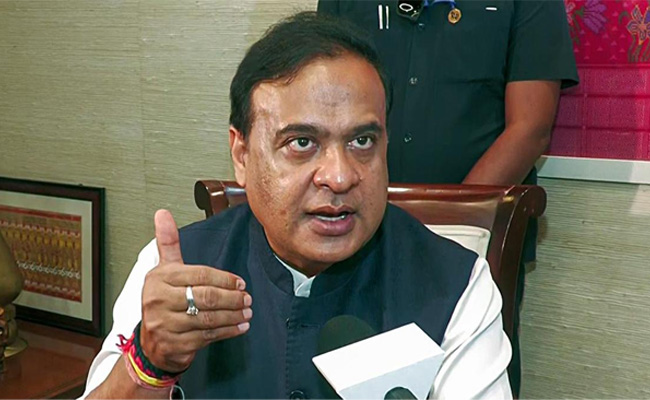
Guwahati (PTI): Assam Chief Minister Himanta Biswa Sarma on Wednesday resigned along with his cabinet colleagues, paving the way for formation of a new government led by the BJP, officials said.
The BJP-led NDA bagged 102 seats in the 126-member assembly. The assembly elections were held in a single phase on April 9, and counting of votes took place on May 4.
"Following the formal notification of the results of #AssamElections2026 and to enable the formation of the new government, Dr @himantabiswa tendered his resignation as Chief Minister along with that of the council of Ministers to Hon'ble Governor Shri @Laxmanacharya54 today at Lok Bhawan," the Chief Minister's Office said in a post on X.
ALSO READ: 11-year-old dies by suicide after sexual assault in Bareilly; accused arrested
The Governor has accepted the resignation, and requested Sarma to continue as the caretaker CM till the new government assumes office, it said.
Later, speaking to reporters outside the Lok Bhawan, Sarma said the oath-taking ceremony is likely to take place after May 11.
“As it was a historic win, we have invited Prime Minister Narendra Modi to grace the occasion," he said.
The new Assam chief minister will be selected at a meeting of the BJP legislature party in presence of central observers, Sarma said.