Parliamentary panel for removing 'no detention' policy, common guidelines for states
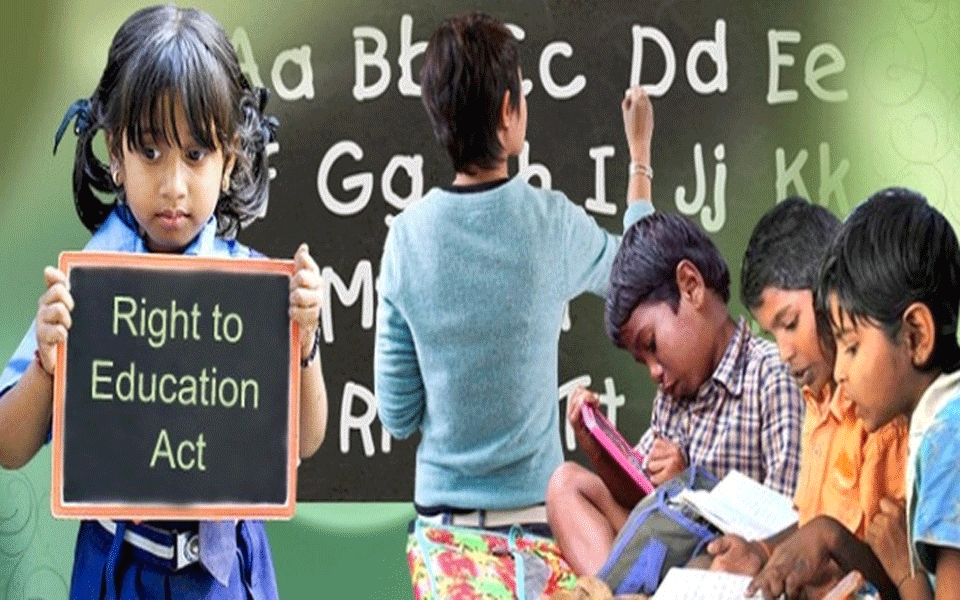
New Delhi: The Department-related Parliamentary Standing Committee on Human Resource Development has backed the government’s proposal to abolish the ‘no detention policy in schools.
In its 300th report on the Right of Children to Free and Compulsory Education (Second Amendment) Bill, the panel has recommended allowing states their discretion in deciding about detaining a student in class 5 or class 8 or in both classes, or not to detain in any class till the completion of elementary education.
However, it has asked the Central government to issue common guidelines to the states vis-a-vis detention of a child.
"The Committee feels that learning of children must be assessed through examinations in classes 5 and 8. The Committee accordingly, welcomes the proposed amendment in clause 2(1) providing for regular examination in class fifth and eighth at the end of every academic year and hopes that learning of children would improve considerably in future," it said in its report.
" The National Council of Education Research and Training's (NCERT) National Achievement Survey or Annual Status of Education Report (ASER) have consistently revealed the abysmally low learning levels among school children. It is a cause of serious concern for the Committee," the panel said in its report.
It said that with the no detention policy, there is no pressure on the children to learn and on the teachers to teach and therefore, there was a need for policy change so as to improve the learning of children at elementary stage of education.
The Bill seeks to substitute Section 16 of the Right of Children to Free and Compulsory Education (RTE) Act, 2009 which provides that no child admitted in a school shall be held back in any class or expelled from school till the completion of elementary education.
This Bill provides for a regular examination in classes 5 and 8 and if the child fails, he shall be given additional opportunity for re-examination in two months time.
"The Committee, however, suggests that common guidelines may also be issued to all states/UTs with respect to detention of a child," it said.
Let the Truth be known. If you read VB and like VB, please be a VB Supporter and Help us deliver the Truth to one and all.
School headmaster dies after bike falls into roadside ditch in Karnataka's Chitradurga
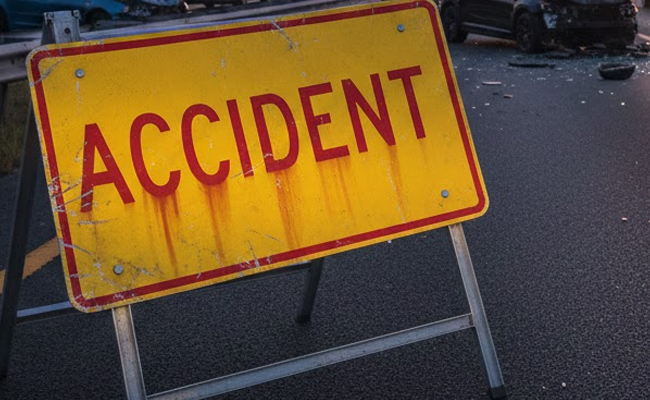
Chitradurga (Karnataka) (PTI): A school headmaster died and another person was seriously injured after their bike allegedly fell into a roadside ditch in this district on Wednesday, police said.
The deceased has been identified as Premkumar (45) of Rampura village in Molakalmuru taluk.
He was serving as the headmaster at Basaveshwara Rural High School in BG Kere village, they said.
The accident occurred near Vittalapura close to Devasamudra in Molakalmuru taluk on Wednesday evening, police said.
According to police, the accident occurred when the bike allegedly fell into a roadside ditch at a curve on the road connecting Rayadurg in Andhra Pradesh to Rampura.
The injured person has been identified as Ramanjaneya of Pakkurthi village. As he sustained severe injuries, he has been admitted to VIMS Hospital in Ballari for treatment, a senior police officer said.
A case has been registered at Rampura Police Station, police said, adding that further investigation is underway.