RBI deadline ends on finalising NPAs' resolution
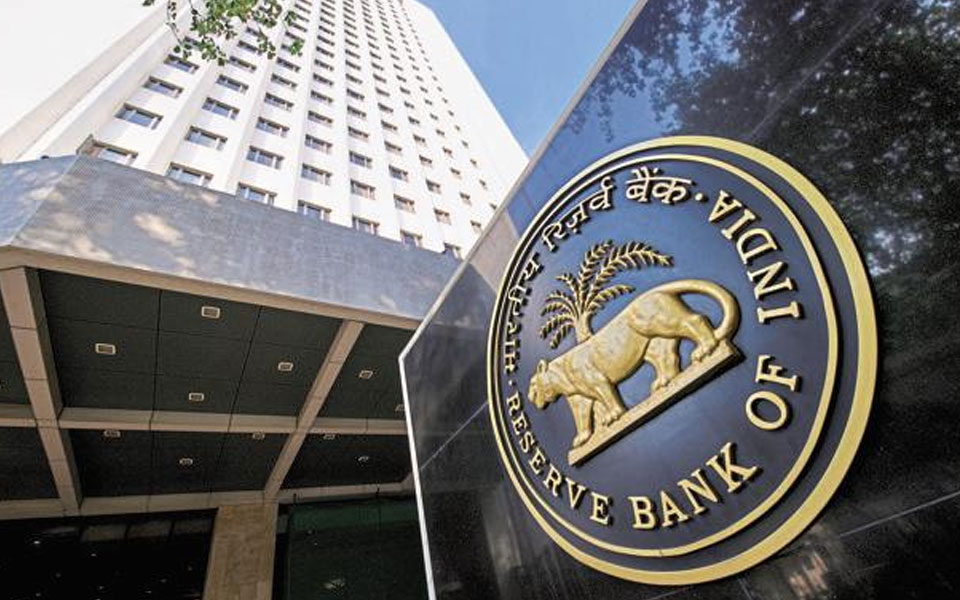
Mumbai, Aug 27 : A major deadline in the process of resolving the country's most pressing corporate and banking problem of NPAs, or bad loans, is ending on Monday with the RBI having set a six-month time frame for finalising resolution plans for around 70 large stressed accounts worth over Rs 3.8 lakh crore.
In a circular on restructuring bad loans issued in February, the Reserve Bank of India (RBI) had asked banks to identify projects with even a day's default as stressed assets and conclude resolution proceedings in 180 days.
The RBI circular had directed banks to take loan accounts of Rs 2,000 crore and above, which remain unresolved for over 180 days starting from March 1, 2018, to the National Company Law Tribunal (NCLT) under the new Insolvency and Bankruptcy Code (IBC).
Domestic rating agency Icra has said in a recent report that these 70 large non-performing asset (NPA) accounts are mostly from the power, telecom and construction sectors.
According to banking sources, banks have been working overtime to finalise the resolution plans for these accounts so as to avoid going for bankruptcy proceedings in the NCLT.
The country's largest lender, State Bank of India (SBI), is looking at recovering more than Rs 40,000 crore of its stressed assets in the current fiscal, an official said on Saturday.
State-run State Bank Of India (SBI) Deputy Managing Director (Stressed Assets Resolution Group) Pallav Mohapatra said, the SBI expects to make a recovery of more than Rs 40,000 crore in the current financial year, mostly through the IBC, while a smaller percentage would be recovered from other sources like sale of assets and one time settlement.
Bankers are hoping that the RBI will take a lenient view and not refer all the NPA accounts to NCLT immediately after Monday's deadline expiry as the resolution process is already underway in some cases.
The power sector accounts for the major chunk of NPAs and according to RBI, the total outstanding loans of scheduled commercial banks to the sector, including renewable energy, stood at Rs 5.65 lakh crore as on March 2018.
A Parliamentary panel report has revealed that there are as many as 34 stressed electricity projects with a total capacity of over 40,000 MW.
Power producers had petitioned the government that RBI norms on resolving the NPAs issue were too rigid in view of the serious problems being faced by the industry in the way of coal shortage and the huge bill outstandings due from state distribution companies.
The Power Ministry had urged the RBI to extend the deadline by six months, but the central bank has rejected the extension request.
The Parliamentary Standing Committee on Energy in its report earlier this month noted that the new RBI guidelines on NPAs will only deepen the crisis of the electricity sector.
Let the Truth be known. If you read VB and like VB, please be a VB Supporter and Help us deliver the Truth to one and all.
Maharashtra sets up state vaccination task force to strengthen immunisation programme

Mumbai (PTI): The Maharashtra government has set up a State Vaccination Task Force to strengthen the regular immunisation programme and review the progress of related campaigns, a health department official said on Monday.
The State Vaccination Task Force will comprise at least 29 members and will be headed by the administrative head of the health department, he informed.
The government has also constituted separate district-level and municipal vaccination task forces to improve implementation and address challenges at the grassroots level, he said.
Municipal task forces, chaired by respective civic commissioners, have been constituted in view of the vast urban population in Maharashtra and the role of civic bodies in implementing different health programmes.
The district-level task forces will function under the chairmanship of collectors.
"Complete immunisation of children at the appropriate age is an extremely simple, cost-effective and highly effective measure to reduce child mortality and the prevalence of diseases among kids. Immunisation is a powerful tool for reducing illness in children," maintained the official.
To ensure full vaccination of all children, the state government implements various campaigns from time to time as per the central government guidelines, he pointed out.
"Active participation and cooperation of other relevant government departments are essential (in making these campaigns successful)," according to the official.
The state-level body will review the regular immunisation programme, associated campaigns and vaccine-preventable diseases in detail. It will also conduct focused assessments of high-risk districts and municipal corporations, including vacancies at district, municipal and sub-district levels, availability of cold chain equipment, resource gaps and training requirements, he noted.
The state task force will review allocation and utilisation of funds for immunisation and ensure timely action by officers concerned based on reports from district and municipal task forces and state-level monitoring mechanisms, the official said.
It will also ensure active coordination and participation of other government departments in immunisation drives, while district and municipal task forces will carry out similar functions at their respective levels, the official added.