Rupee rises 5 paise to close at 87.88 against US dollar
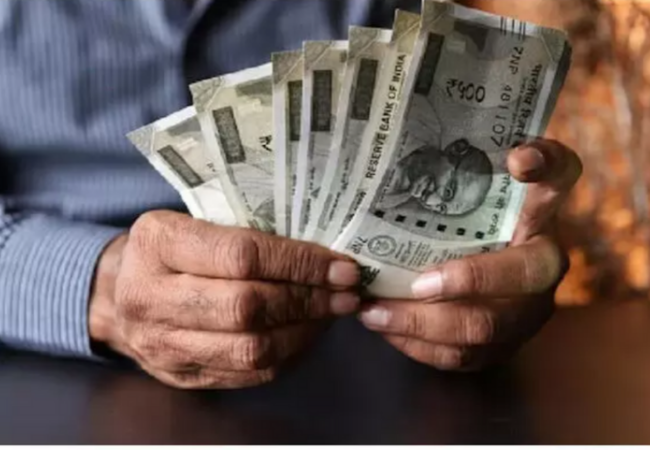
Mumbai (PTI): The rupee appreciated by 5 paise to close at 87.88 against the US dollar on Thursday, supported by a positive trend in domestic equities and risk-on sentiments amid optimism about the US-India trade deal.
Forex traders said the rupee closed on a positive note as there is a growing buzz that India and the US are inching closer to finalizing a long-awaited trade deal.
At the interbank foreign exchange, the rupee opened at 87.80 and touched an intraday low of 87.96 before settling at 87.88, registering a rise of 5 paise from its previous close.
On Monday, the rupee had settled nine paise higher at 87.93 against the greenback.
Foreign exchange markets were closed on Tuesday and Wednesday due to Diwali and Diwali Balipratipada, respectively.
According to forex traders, investors will watch global cues, US economic data and RBI monetary signals for further directions.
Anil Kumar Bhansali, Head of Treasury and Executive Director, Finrex Treasury Advisors LLP, said, "On Thursday, rupee opened with a gap and remained range-bound between 87.83 and 87.97 for the entire day... It would have gained towards 87.60 had it not been for the risk-aversion taking dollar index higher and Asian currencies lower. The premiums moved higher on payment by importers due to lower spot."
The range for Friday is expected between 87.50 and 88.00, he said.
Meanwhile, Prime Minister Narendra Modi and US President Donald Trump discussed trade issues during a phone conversation amid efforts by the two sides to repair bilateral ties that remain under strain after Washington slapped a whopping 50 per cent tariff on Indian goods.
In his remarks following the call on Tuesday, Trump described the India-US relationship as "great" and said, without elaborating, that the two sides are working on some "great deals".
Moreover, Trump has reiterated his claim that India has agreed to "stop" buying oil from Russia and would bring them down to "almost nothing" by the end of the year.
However, he said, it is a process and will take some time.
Meanwhile, the dollar index, which gauges the greenback's strength against a basket of six currencies, was trading 0.14 per cent higher at 99.04.
Brent crude, the global oil benchmark, was trading higher by 5.32 per cent at USD 65.92 per barrel in futures trade.
On the domestic equity market front, Sensex climbed 130.06 points to settle at 84,556.40, while the Nifty rose 22.80 points to 25,891.40.
Foreign Institutional Investors sold equities worth Rs 1,165.94 crore on Thursday, according to exchange data.
Let the Truth be known. If you read VB and like VB, please be a VB Supporter and Help us deliver the Truth to one and all.
Trump says he ‘hasn’t even thought about’ continuing Iran ceasefire
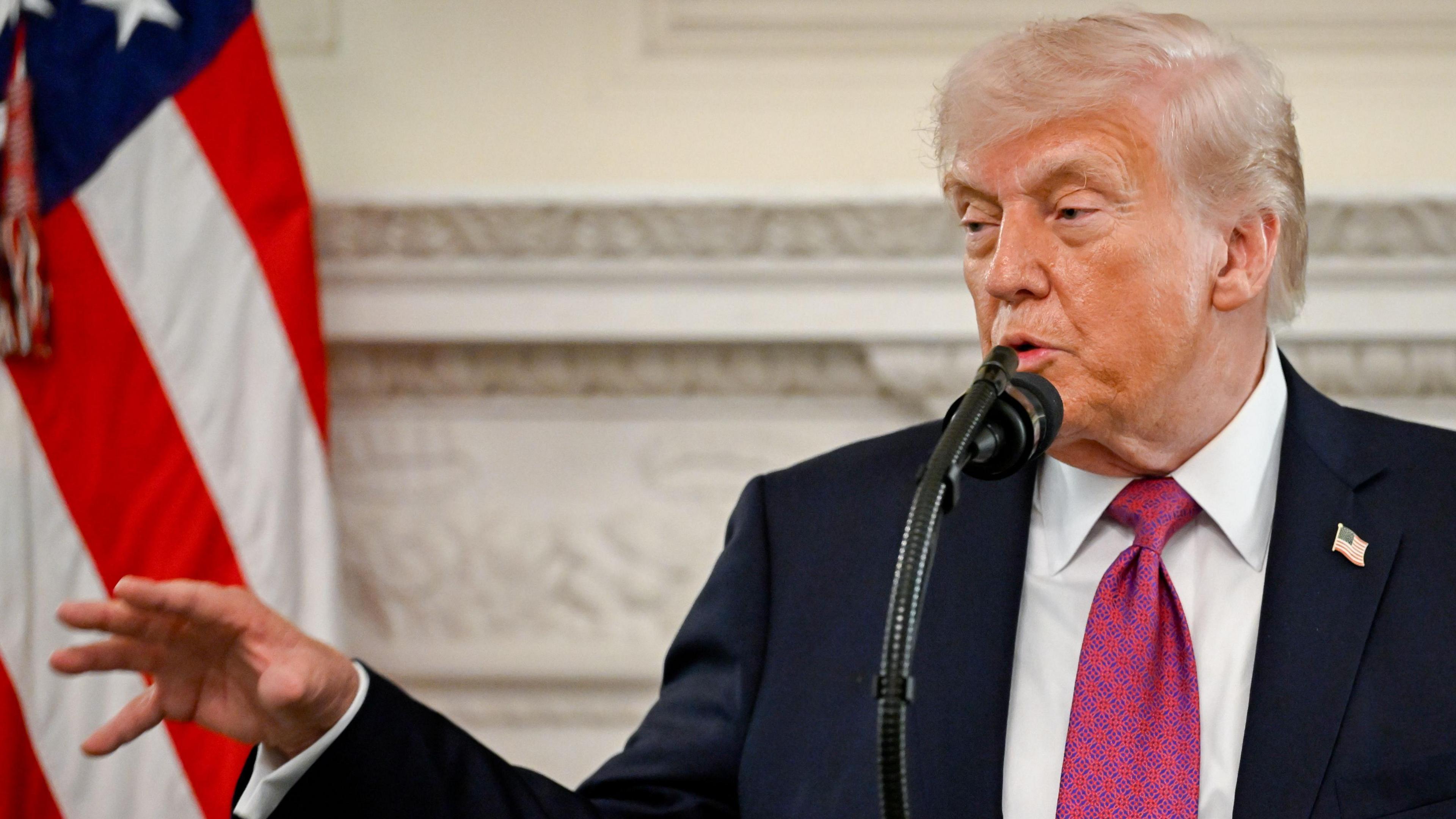
Washington: US President Donald Trump has said he has not yet considered whether he would continue the ceasefire involving Iran, while also claiming the United States holds the advantage in negotiations.
Speaking to reporters, Trump said he was prepared to make a deal with “whoever is running the show” in Iran.
“They are fighting with each other, there’s tremendous infighting. They’re probably fighting for leadership in many cases. I think they’re fighting not to be leader because we knocked out two levels of leaders,” he said.
Trump added, “When they want they can call me. We have all the cards, we’ve won everything.”
Referring to ongoing negotiations, he said, “They gave us a paper that should’ve been better. And, interestingly, immediately when I cancelled it [envoy trip to Pakistan], within 10 minutes we got a new paper that was much better.”
“We talked about they will not have a nuclear weapon, very simple … They offered a lot, but not enough,” he added.
When asked whether he would continue the ceasefire, Trump replied, “I haven’t even thought about it.”
The remarks come as uncertainty remains over the future of the temporary truce and broader negotiations between Washington and Tehran.