Saudi Arabia taking measures to ensure more fulfilling journey for Indian Hajj, Umrah pilgrims
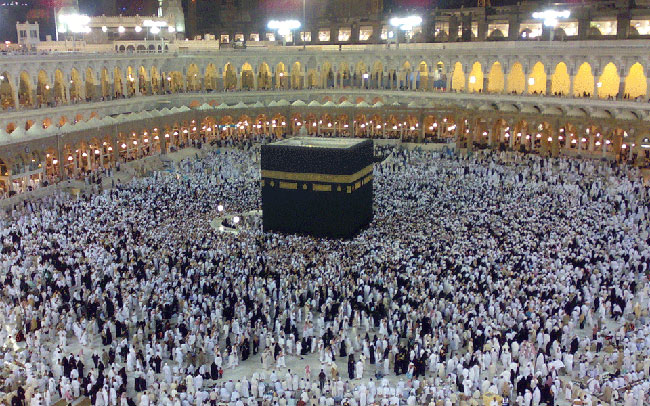
New Delhi(PTI): Saudi Arabia has rolled out a series of "transformative" measures like improving visa processing, accessibility and logistical support to ensure a more enriching experience for Indian pilgrims undertaking the journey to Makkah, Saudi Minister of Hajj and Umrah Tawfig bin Fawzan Al-Rabiah said on Wednesday.
In an interview to PTI, Al-Rabiah said the initiatives are specifically designed to provide Indian pilgrims with enhanced flexibility throughout their journey, particularly benefiting women embarking on independent Umrah trips.
The new steps like extension of the Umrah visa to 90 days and introduction of a four-day transit visa are tailored to accommodate the growing influx of Indian pilgrims.
"By promoting gender equality and cultivating a safer, more embracing environment, these changes collectively aim to ensure a more fulfilling and secure pilgrimage experience for all travellers," he said.
Al-Rabiah, currently on a visit to India, held talks with Union Minority Affairs Minister Smriti Irani and External Affairs Minister S Jaishankar on Tuesday. The influential minister said the aim of the new initiatives was to ensure "warmth and convenience" to the overall experience of the pilgrims.
"My first official visit to India as Minister of Hajj and Umrah is important in our ongoing efforts to showcase Saudi Arabia's unwavering commitment to serving Umrah performers and visitors," he said.
Millions of Muslims from across the world travel to Makkah every year to perform Haj as well as Umrah, an Islamic pilgrimage.
Highlighting steps to enrich the experience of the pilgrims, Al-Rabiah said the Saudi government allows Umrah participation for all individuals travelling to the country on various visa types, aligning seamlessly with the objectives of the pilgrims experience programme, a fundamental component of the Saudi Vision 2030 initiative.
The minister anticipated a rise in the number of Indian Umrah pilgrims in the near future in view of the impactful initiatives introduced to enhance experiences of the pilgrims.
"These initiatives are designed to create a seamless and inviting environment for all individuals embarking on a spiritual pilgrimage to the Two Holy Mosques and exploring the rich historical and cultural heritage of Islamic sites and diverse tourist attractions within the Kingdom," he said.
"Saudi Arabia's proactive measures encompass improvements in visa processing, airport facilities, and transportation networks tailored to accommodate the growing influx of Indian pilgrims.
"These efforts aim to establish a more inclusive and accessible environment for travellers from India, providing warmth and convenience as they embark on their spiritual journey," he added.
Al-Rabiah said Saudi Arabia's commitment to welcoming Indian Umrah pilgrims is underscored by the ongoing enhancement of arrival procedures and the provision of comprehensive logistical support.
"These measures are expected to lead to a notable increase in visits by Indian pilgrims to the Two Holy Mosques, promising a deeply meaningful and enriching experience for all who undertake this transcendent pilgrimage," he said.
"The recent revisions to Umrah visa regulations for Indian Muslims mark a significant shift, notably eliminating restrictions based on their previous visa status and introducing a user-friendly e-visa system," the minister said.
He said the "transformative" changes have streamlined the visa application process, leading to accelerated approvals, and fostering an environment of inclusivity and heightened security.
"A noteworthy addition to a long lineup of services is the extension of the Umrah visa to 90 days and the introduction of a four-day transit visa," he said.
The minister said the inauguration of the "Tasheer" centre marked a significant milestone in providing expedited and user-friendly visa services for Indian Umrah pilgrims.
He said this initiative underscores a firm dedication to elevating service standards and harnessing technology to cater to pilgrims efficiently. Al-Rabiah noted that the allocation of an estimated quota of 1,75,025 pilgrims to India for the Hajj season in 2024 serves as the foundation for advanced preparations and early planning.
The minister also talked about the upswing in India-Saudi Arabia relations.
"Built on mutual respect and understanding, this partnership is reinforced by shared objectives of sustainable growth and alternative security mechanisms as emerging global economies," he said.
"The presence of over two million Indians in Saudi Arabia underscores the deep bilateral relations between the two countries and has significantly contributed to the growth and progress of the Kingdom of Saudi Arabia across various spheres," he said
Al-Rabiah said the contributions of Indians is evident in diverse areas, including economy, social engagement, cultural enrichment, and academia, and that they are "leaving a lasting imprint" on Saudi Arabia's developmental path.
"The Indian community has played a pivotal role in diversifying and strengthening the Kingdom's business landscape, bringing forth their entrepreneurial acumen and industry expertise, expanding trade and investment, and fostering robust economic ties between India and Saudi Arabia," he said.
"Additionally, their healthcare, technology, and construction contributions have notably bolstered the country's workforce and expertise," he added.
Let the Truth be known. If you read VB and like VB, please be a VB Supporter and Help us deliver the Truth to one and all.
4 held for sexually assaulting woman, girl on moving bus after social media alert in UP's Agra

Agra (UP) (PTI): Four people were arrested, after a prompt response by police following a social media alert, for allegedly sexually assaulting a woman and a girl inside a moving bus here, officials said on Tuesday.
According to an official police statement, at 12:27 am on April 27, information was received on the social media platform X about an incident of sexual assault on a bus travelling from Kanpur to Ahmedabad, which was approaching Namner crossing in Agra.
Acting under the direction of Police Commissioner Deepak Kumar, the Agra Police social media team immediately alerted the Rakabganj police station within minutes and coordinated with the victims to confirm the incident and obtain the exact location, it stated.
Police teams launched intensive checking at Namner crossing and intercepted the bus as it reached the spot. The four accused involved in the incident were apprehended on the spot, and legal action was initiated against them, the statement said.
The police said the swift response and coordination between the social media team and field units ensured timely action, bringing relief to the victims and other passengers, who expressed gratitude towards the police, it added.