SC asks social media influencers to display apology on their shows for ridiculing disabled persons
_vb_60.gif)
New Delhi (PTI): The Supreme Court on Monday asked five social media influencers, including "India's Got Latent" host Samay Raina, to display their unconditional apology on their podcast or show for ridiculing persons suffering from disabilities and rare genetic disorders.
A bench of Justices Surya Kant and Joymalya Bagchi, which asked the Centre to frame guidelines to curb speeches offending or ridiculing disabled, women, children and senior citizens, said freedom of speech and expression can't be applicable to commercial speech hurting sentiments of other communities.
It said the court would consider imposing a penalty for offending disabled persons by social media influencers, including Raina at a later stage.
The five are accused of making fun of disabled and those suffering from Spinal Muscular Atrophy (SMA) and visual impairment.
Except Sonali Thakkar alias Sonali Aditya Desai, who was exempted from physical appearance subject to her undertaking that an unconditional apology will be aired in her programme, the rest of the social media influencers were present in the court.
The bench told Attorney General R Venkataramani that the guidelines for social media regulations should not be a knee-jerk reaction to one incident but based on broad based parameters incorporating views of all stakeholders.
The top court also pulled up Raina for his affidavit giving an apology and said he initially tried to defend himself and tried to look innocent.
On July 15, the top court asked the five social media influencers, including Raina, to appear before the court in a case seeking action against them for ridiculing persons suffering from disabilities.
Let the Truth be known. If you read VB and like VB, please be a VB Supporter and Help us deliver the Truth to one and all.
Lebanon PM accuses Israel of ‘war crime’ after rescue workers killed in strikes
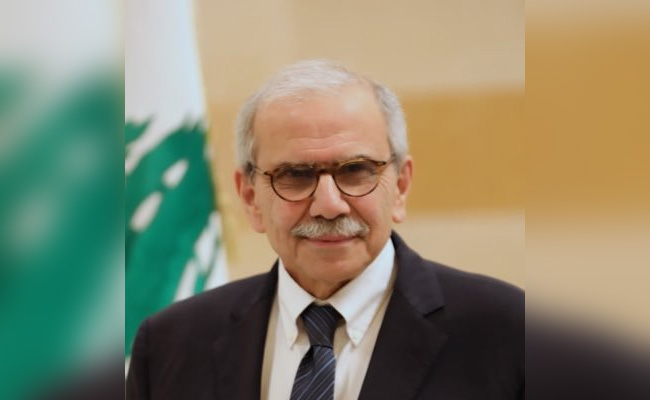
Beirut: Lebanon’s Prime Minister Nawaf Salam on Tuesday accused Israel of committing a “war crime” after five people, including three civil defence personnel, were killed in twin air strikes in southern Lebanon.
According to Lebanon’s Ministry of Health, the strikes targeted a building in the town of Majdal Zoun, where rescue workers had arrived following an initial attack. A second strike hit the same location, killing those involved in relief operations.
Salam said targeting emergency responders carrying out humanitarian duties amounted to a serious violation of international humanitarian law. He added that the government would raise the matter at international forums and seek action to halt such incidents.
A spokesperson for the Lebanese Civil Defence was quoted by AL Jazeera that the rescuers were trapped under debris after the second strike and later confirmed dead.
The Lebanese army said two of its personnel were also injured in the attack, which reportedly struck a military patrol escorting the rescue team along with civilian equipment.
Lebanon’s President Joseph Aoun also condemned the incident, stating that it was part of a pattern of attacks affecting relief workers and civilians.
Despite a US-mediated ceasefire between Israel and Lebanon, cross-border hostilities have continued, with frequent air strikes reported in southern and eastern parts of the country.
Lebanese authorities said at least eight people were killed in separate incidents on Tuesday, while the overall toll from Israeli strikes since early March has crossed 2,500, with thousands injured.