SC mulls pan-India guidelines over inordinate delays in framing of charges in criminal cases
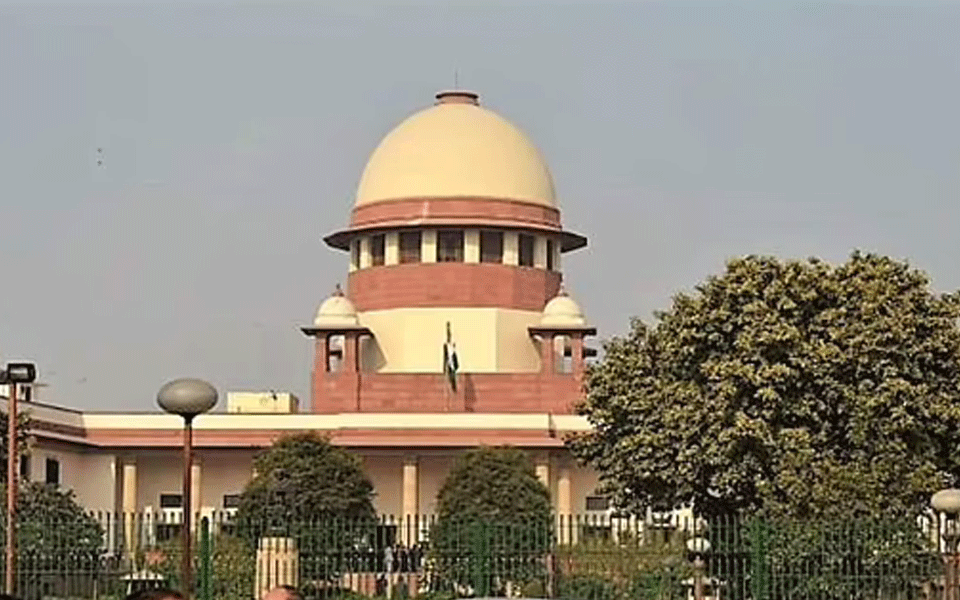
New Delhi (PTI): Expressing its annoyance over the delay in the completion of trials in criminal cases due to non-framing of charges for years even after chargesheets are filed, the Supreme Court on Wednesday said it needs to lay down pan-India guidelines to address the problem which leads to huge pendency of cases in the judiciary.
A bench of Justices Aravind Kumar and N V Anjaria, which sought the assistance of the Attorney General R Venkataramani and Solicitor General Tushar Mehta, said even after the chargesheets are filed, the trial courts are not framing the charges for three to four years.
"We have noticed, time and again, the charges are not being framed even months and years after the filing of the chargesheet. This is one of the primary reasons for the trial getting delayed.
"Unless and until the charges are framed in a criminal case, the trial cannot commence. As such, this situation seems to be prevalent in most of the courts and we are of the considered opinion that certain directions need to be issued pan-India in this regard," the top court said.
It appointed senior advocate Siddharth Luthra as amicus curiae to assist the court in the matter.
"We also permit the petitioner's counsel to furnish a copy of the petitioner and the present order to the Attorney General as we propose to issue directions if required for all courts across the country," the bench said as it listed the matter after two weeks.
The bench, which was hearing a bail plea of an accused in a criminal case from Bihar, was informed by his counsel that charges have not been framed for the past two years despite the filing of a chargesheet.
The top court noted that under the Bharatiya Nagarik Suraksha Sanhita (BNSS), in cases exclusively triable by a court of sessions, a charge must be framed within 60 days of the first hearing.
Justice Kumar said that the delay in completion of trials in criminal cases is due to non-framing of charges and in civil matters it is due to non-framing of issues by the trial court.
"Why take years and years to frame charges? In civil cases, non-framing of the issues and in criminal cases, non-framing of charges.
"We want to know what the difficulties are and we will issue directions for all courts across the country. We propose to do it," the bench said at the outset.
The top court also sought the assistance of former high court judge and senior advocate S Nagamuthu.
The counsel appearing for the Bihar government said that there are substantial delays between the filing of a chargesheet and the framing of charges.
Similarly, another counsel pointed out that the same situation exists even in Maharashtra. Recently, another bench of the apex court has also expressed concern over 600 criminal cases where charges have not been framed and remarked that "it was a shocking state of arrears".
The top court had sought details of such cases from district courts in Maharashtra.
Let the Truth be known. If you read VB and like VB, please be a VB Supporter and Help us deliver the Truth to one and all.
Iqra aims to create leaders for community: Syed Mohamed Beary at Annual Day in Mangaluru
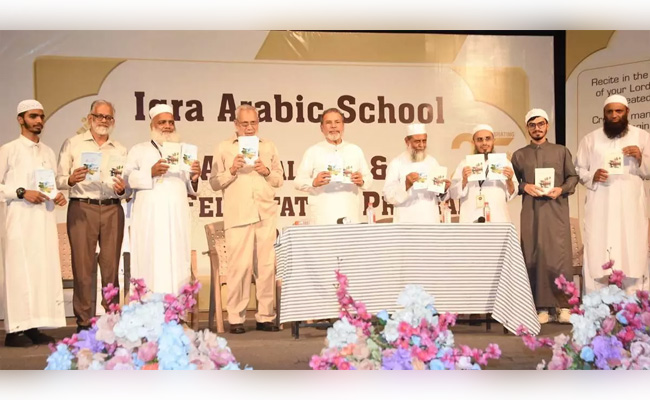
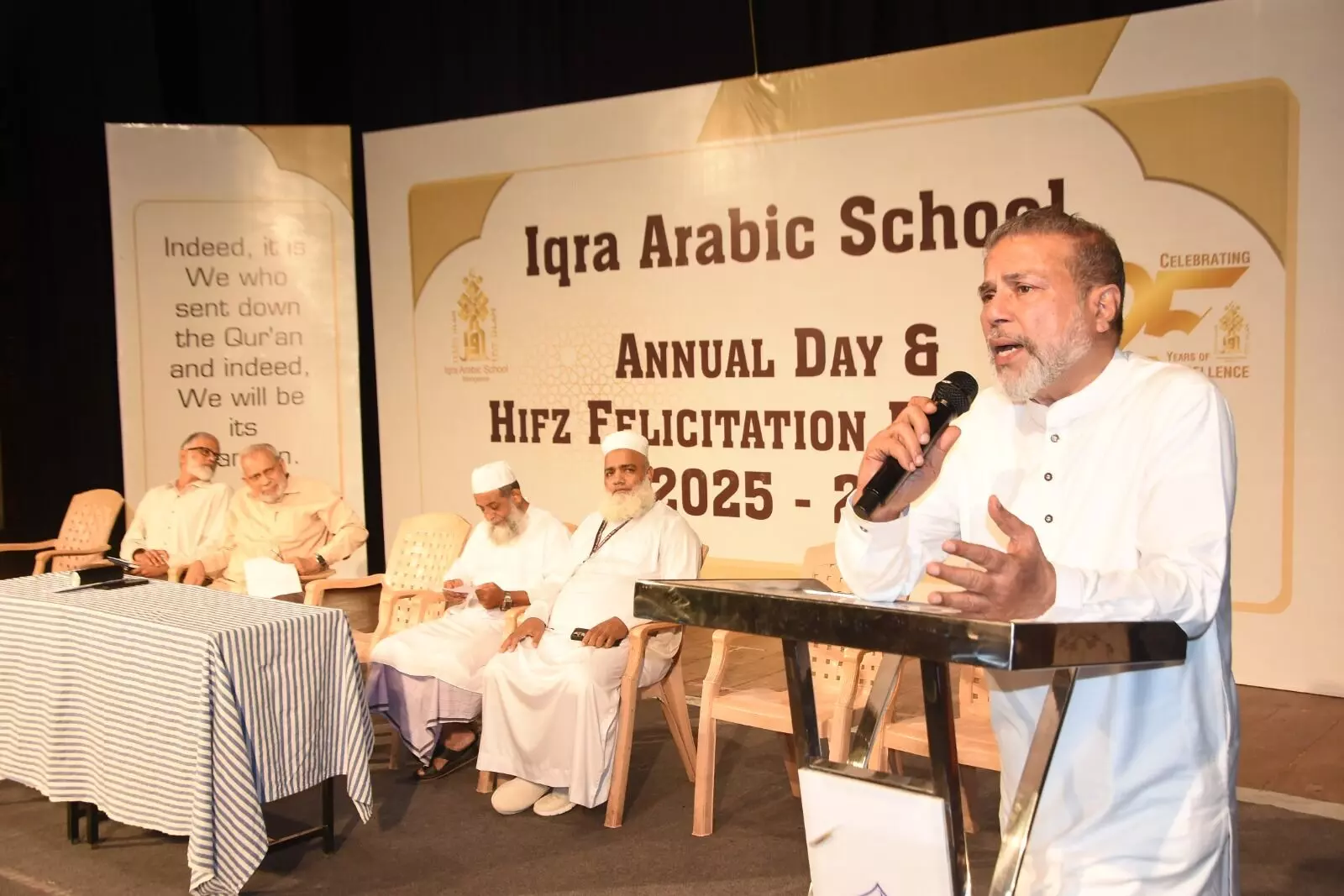
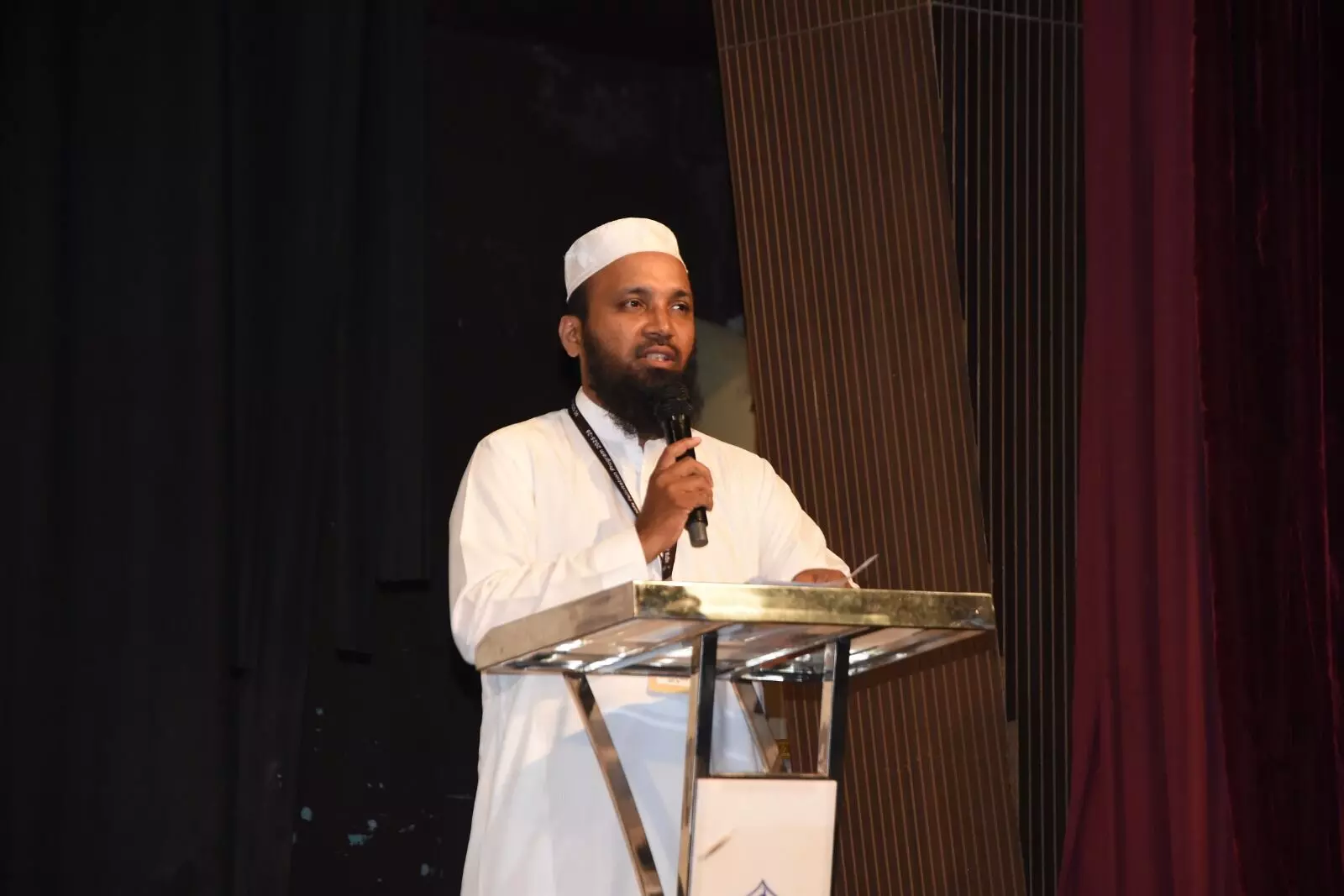
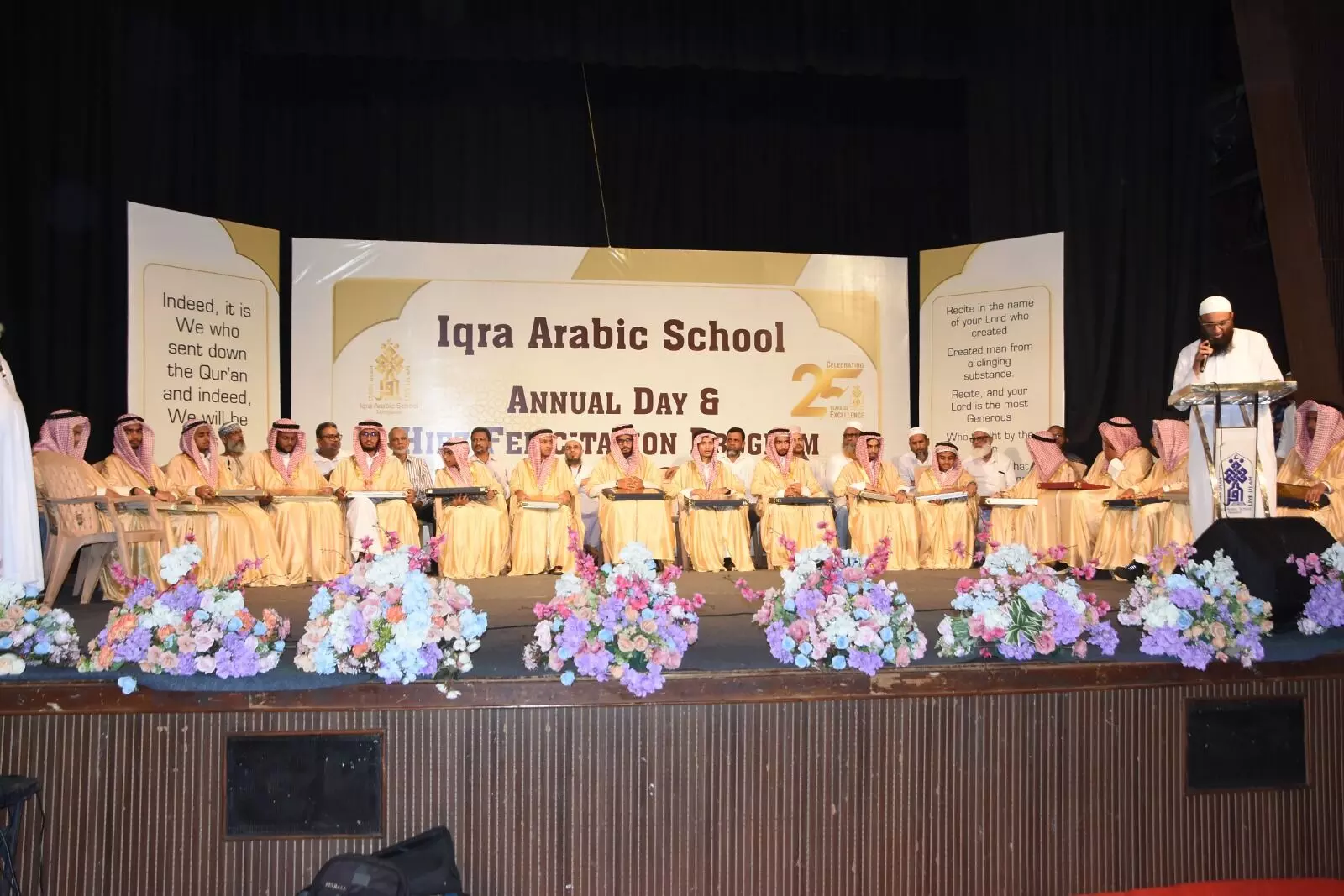
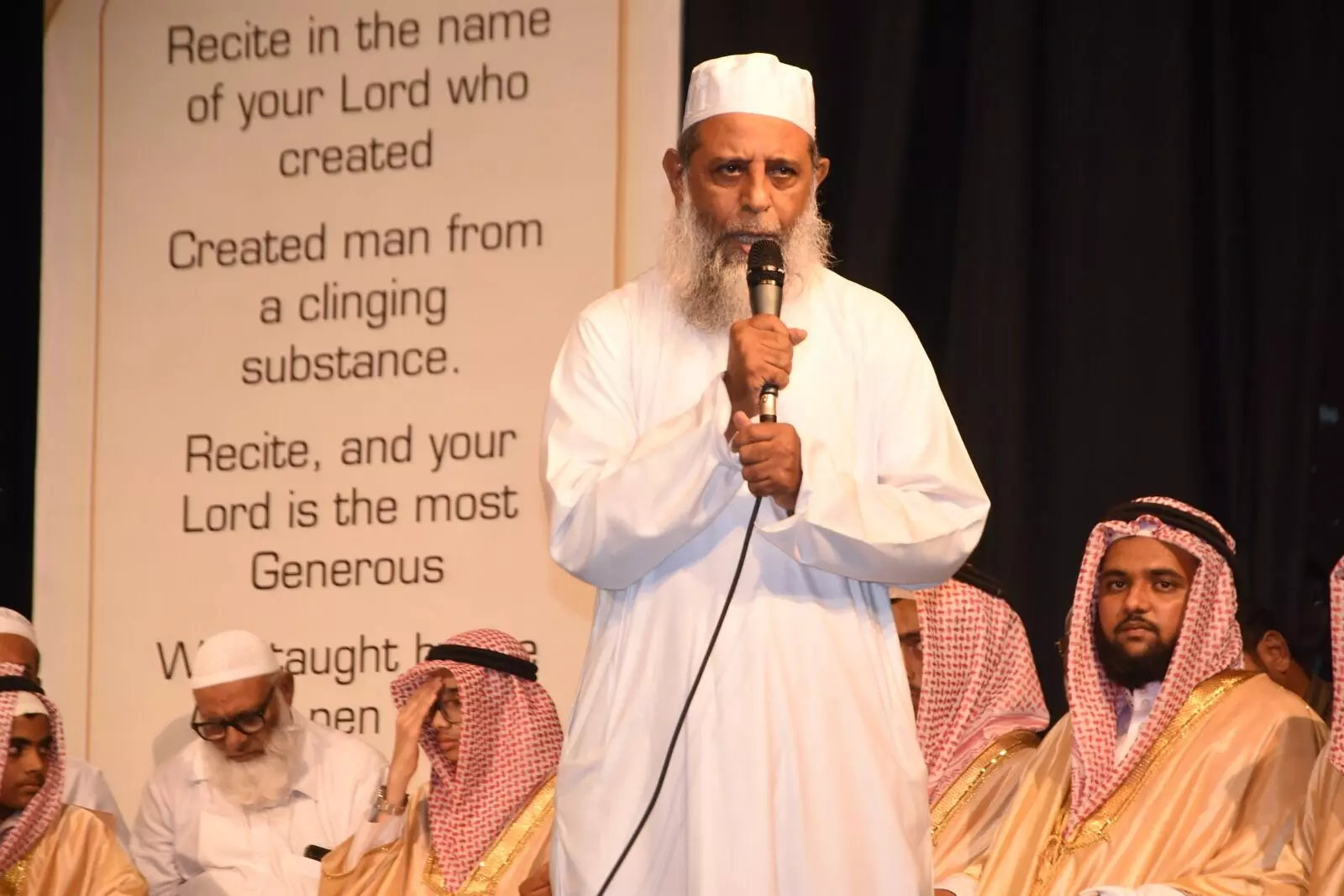
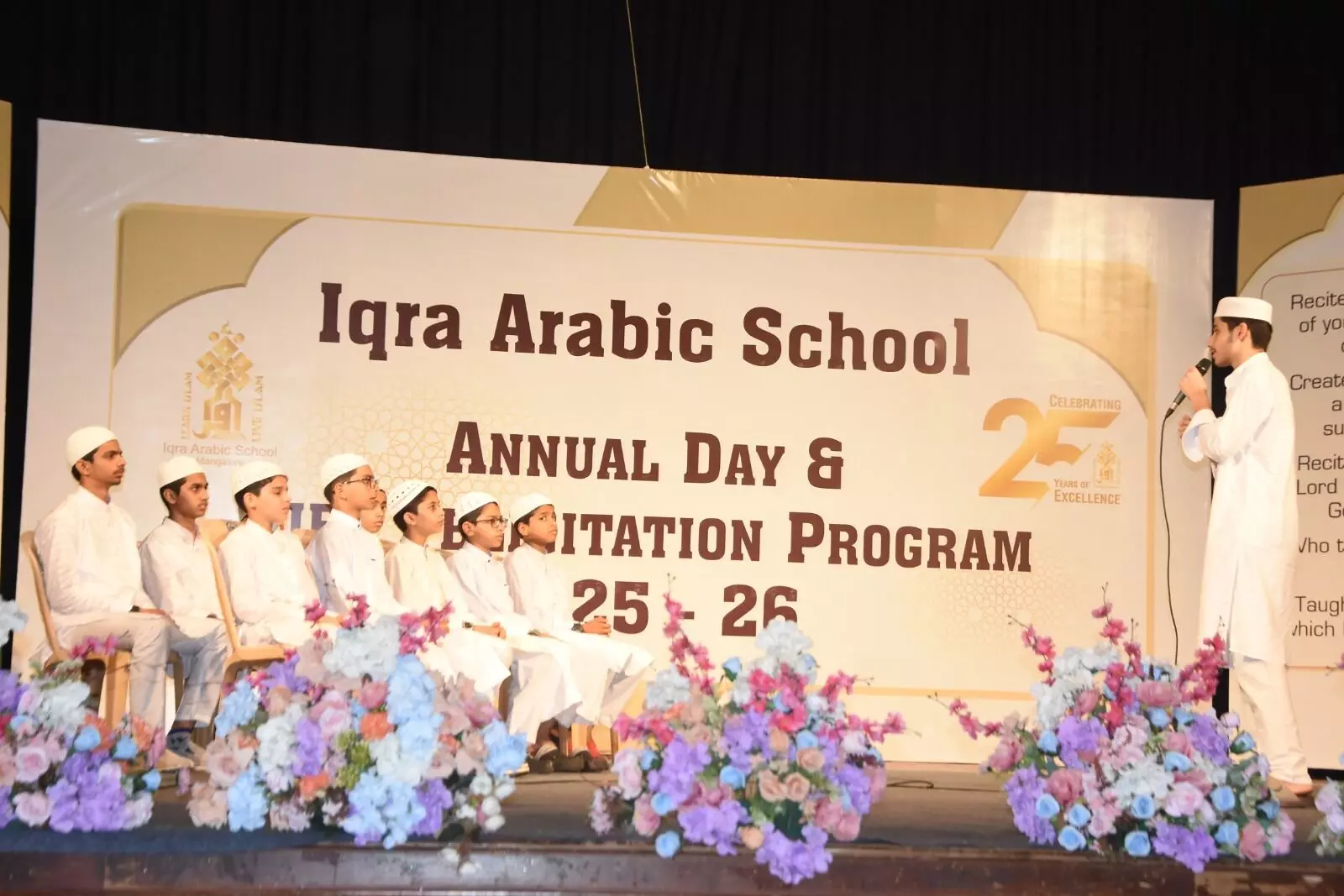
Mangaluru: “The aim of Iqra is to create leaders for the community,” said Syed Mohamed Beary while presiding over the Annual Day 2026 and Hifz felicitation programme of Iqra Arabic School, highlighting the institution’s focus on leadership and long-term community development.
Presiding over the event, Syed Mohamed Beary, Chairman of the Moulana Abul Hasan Ali Nadwi Educational and Charitable Trust, Mangaluru, spoke at length about the journey of the institution since its launch in 2000. He recalled the early days of the school and said it was started with a clear vision to serve the community through education rooted in values. He expressed pride in how the institution has grown over the years, both in strength and in its role within the community.
He said Iqra Arabic School was not built only to provide basic education, but to nurture individuals who can take responsibility and guide society. According to him, the institution has consistently worked towards shaping students into capable leaders who can face present-day challenges while staying connected to their roots. He stressed that the focus has always been on building character along with knowledge.
The programme was compered by Moulana Farhan Nadwi, who introduced the vision of the institution and said the school strives to prepare leaders and scholars who can respond to modern challenges faced by the community.
Chief guest Moulana Maqbool Kobatte, Principal, Jamia Islamia Bhatkal, congratulated the students and their parents for completing the memorisation of the Qur’an. He said these Huffaz are part of Allah’s promise of preserving the Qur’an until the Day of Judgement. He described the Qur’an as a guide for life and said while recitation is important, it is equally necessary to practise its teachings. He also noted that in the race for worldly success, people are moving away from values such as humanity, brotherhood and unity.
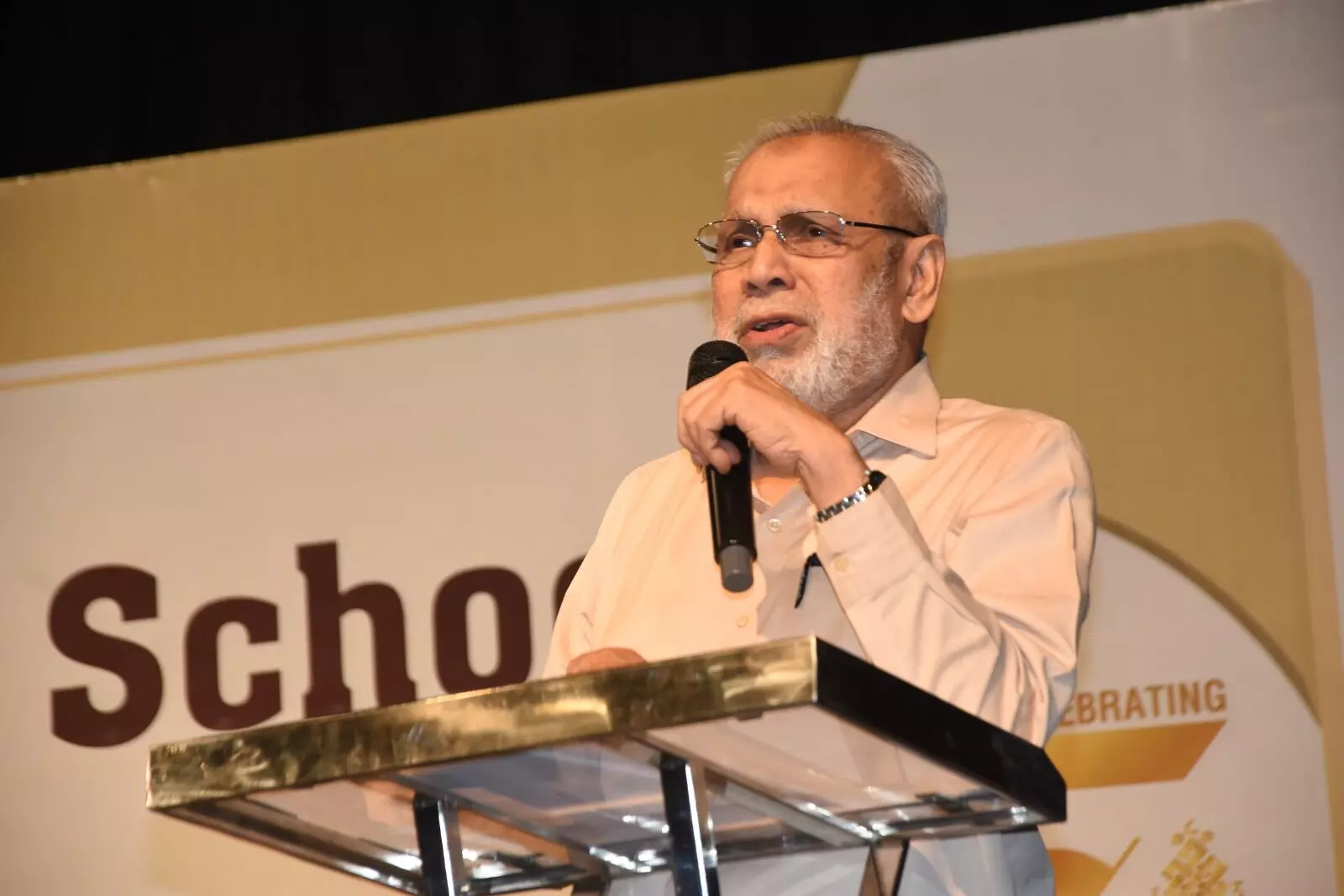
Taha Mateen, Chairman and Managing Director of ACURA Speciality Hospital, said the community should not forget its Islamic roots and history. He recited lines of poetry by Iqbal: “Kabhi ae nawjawaan Muslim tadabbur bhi kiya tu ne, wo kya gardu tha tu jiska hai ek toota hua taara.” He stressed the need to understand the Qur’an and recognise its importance, and urged students to continue learning across different fields without stopping at any stage. He congratulated the students, parents and the management.
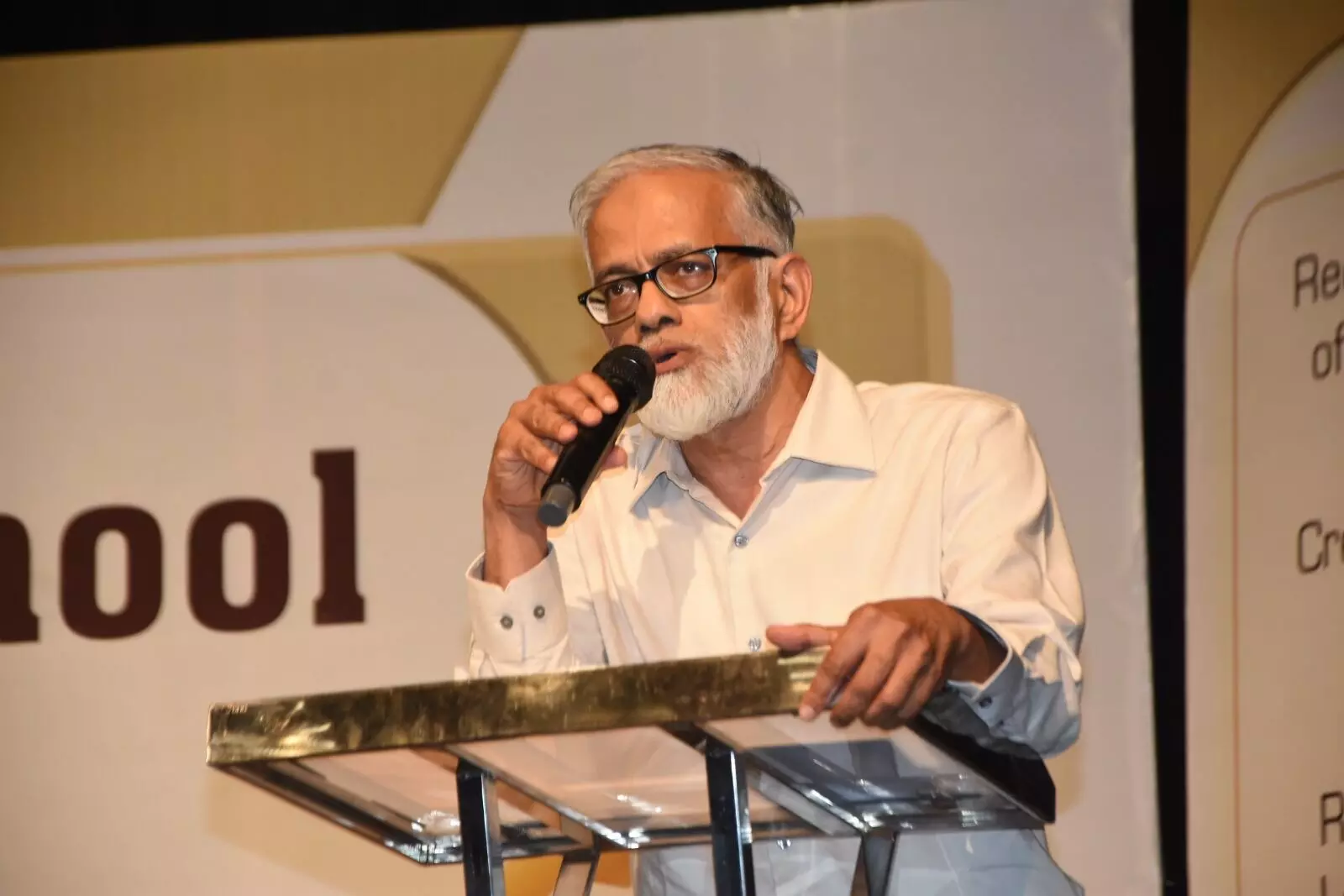
Dr. C P Habeeb Rahman, Chairman and Managing Director o Unity Health Complex, Mangaluru said there is a need for introspection within the Muslim community to understand what has gone wrong and why it has fallen behind despite contributing to global civilisation. He also spoke about the lack of leadership within the community.
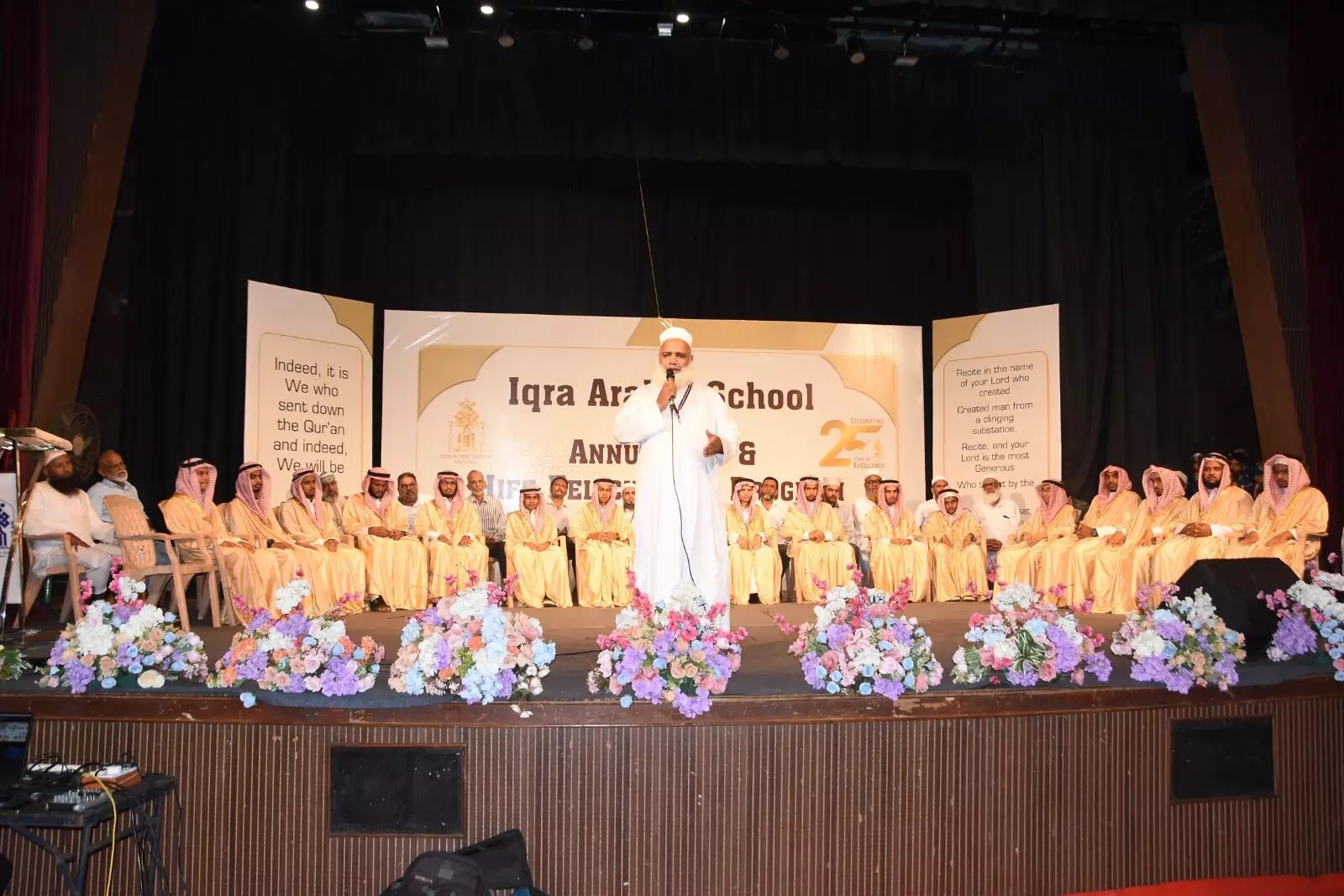
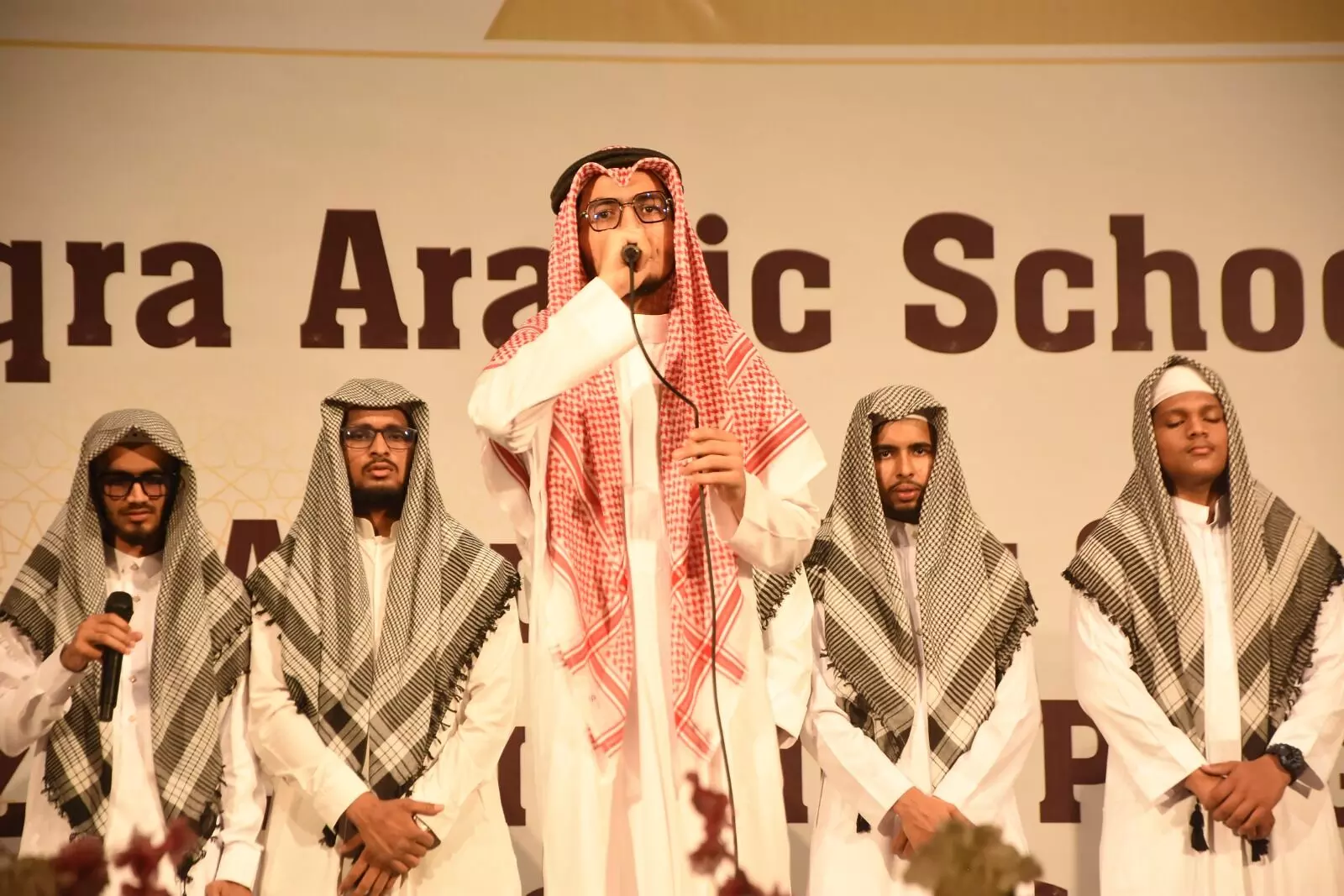
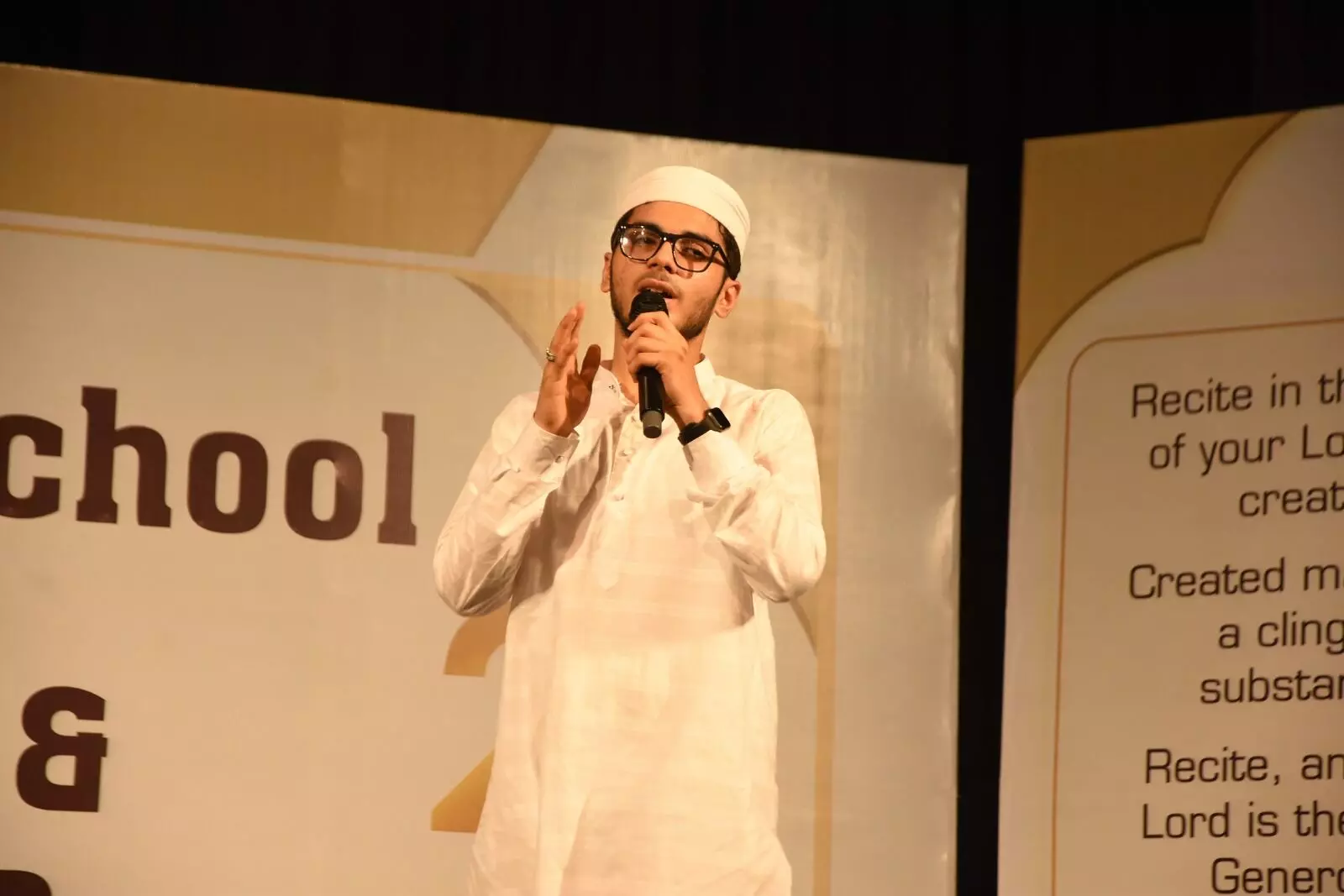
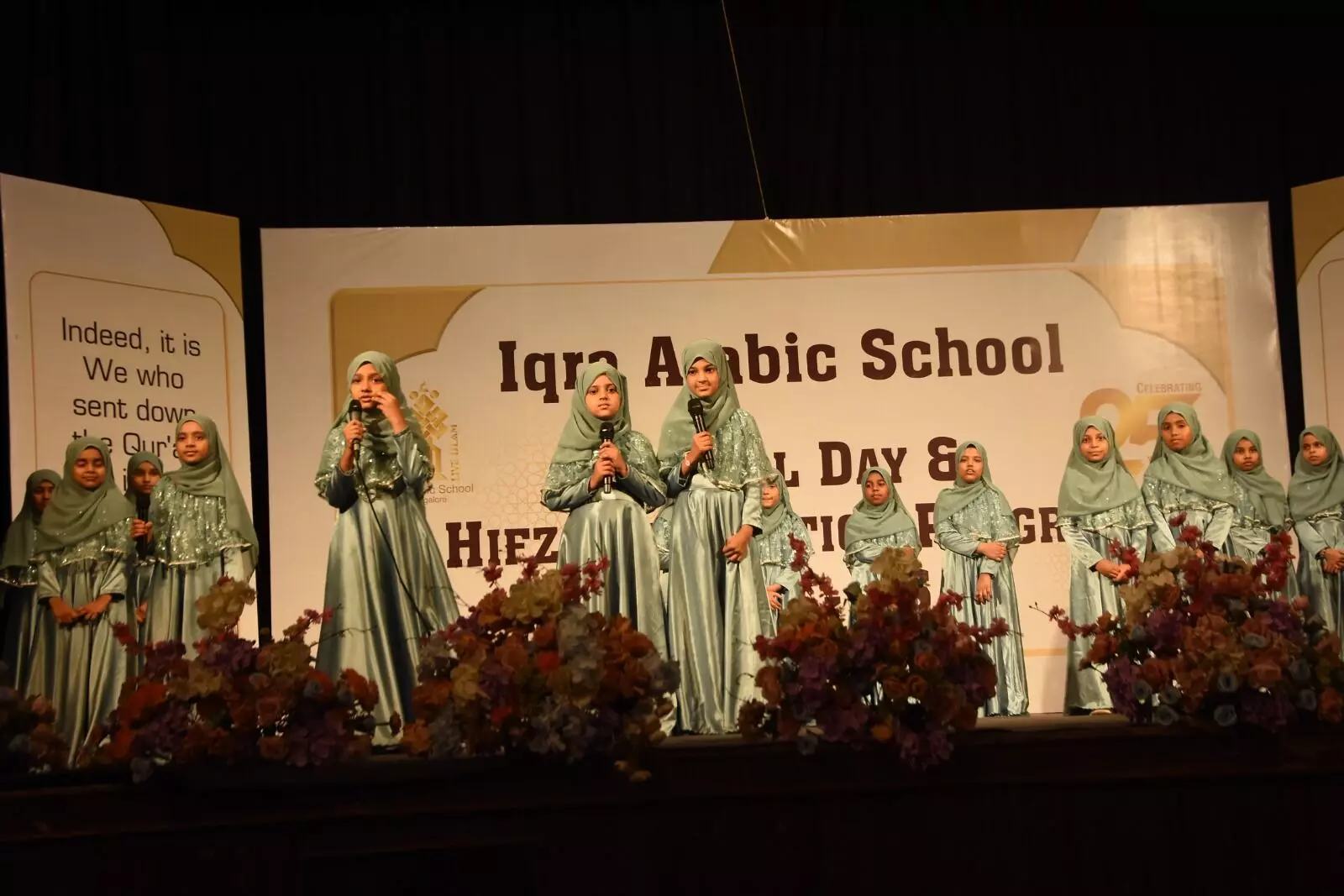
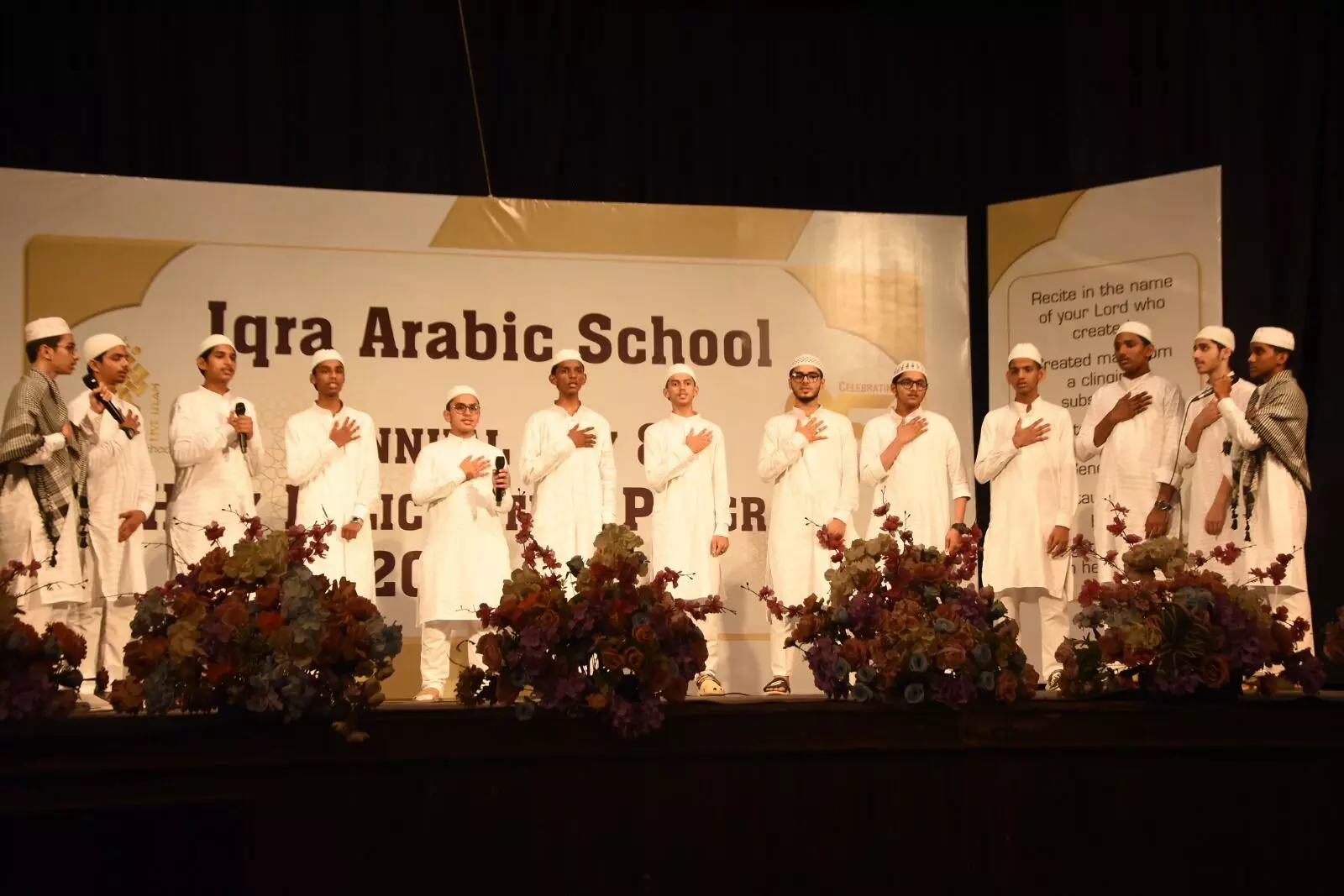
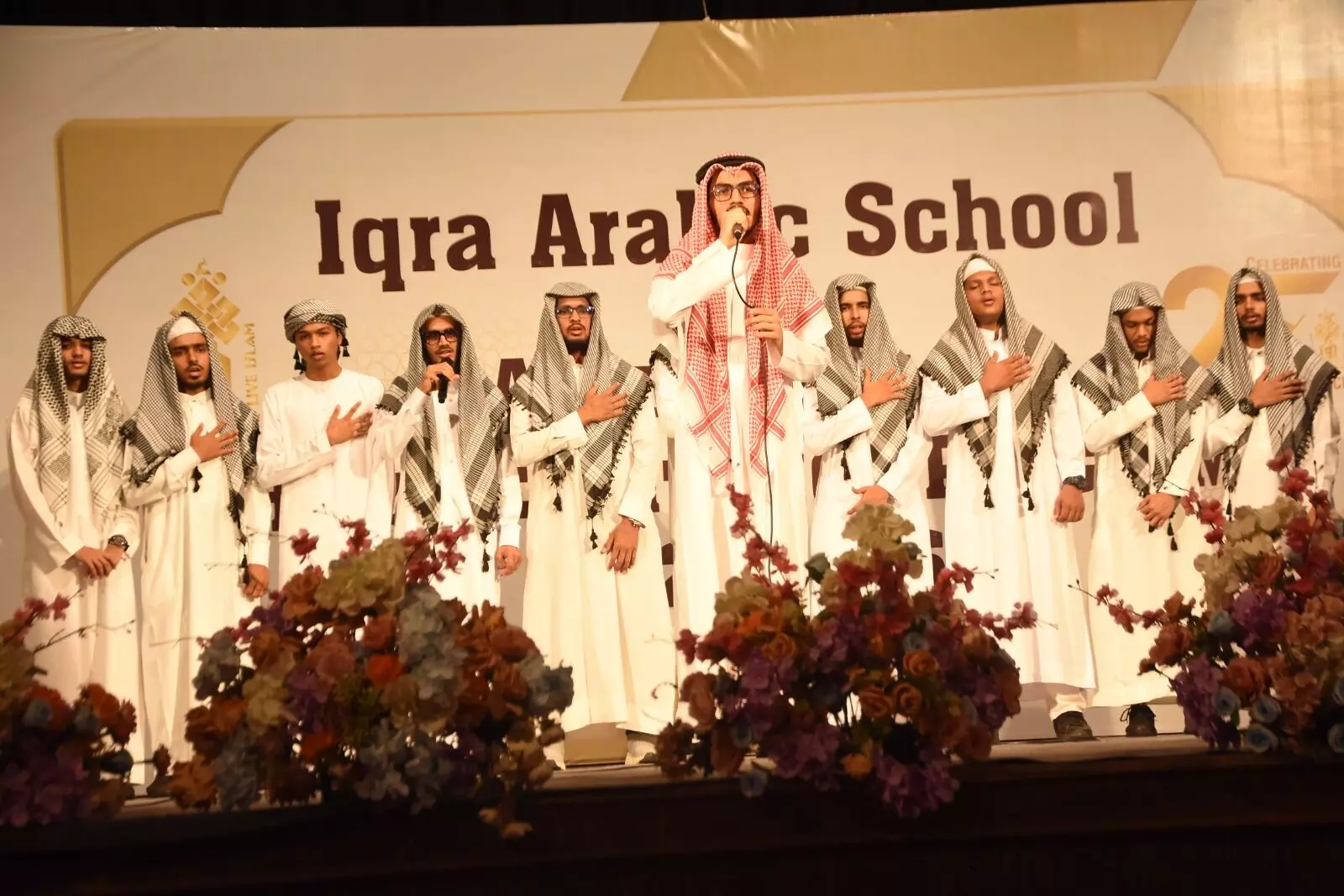
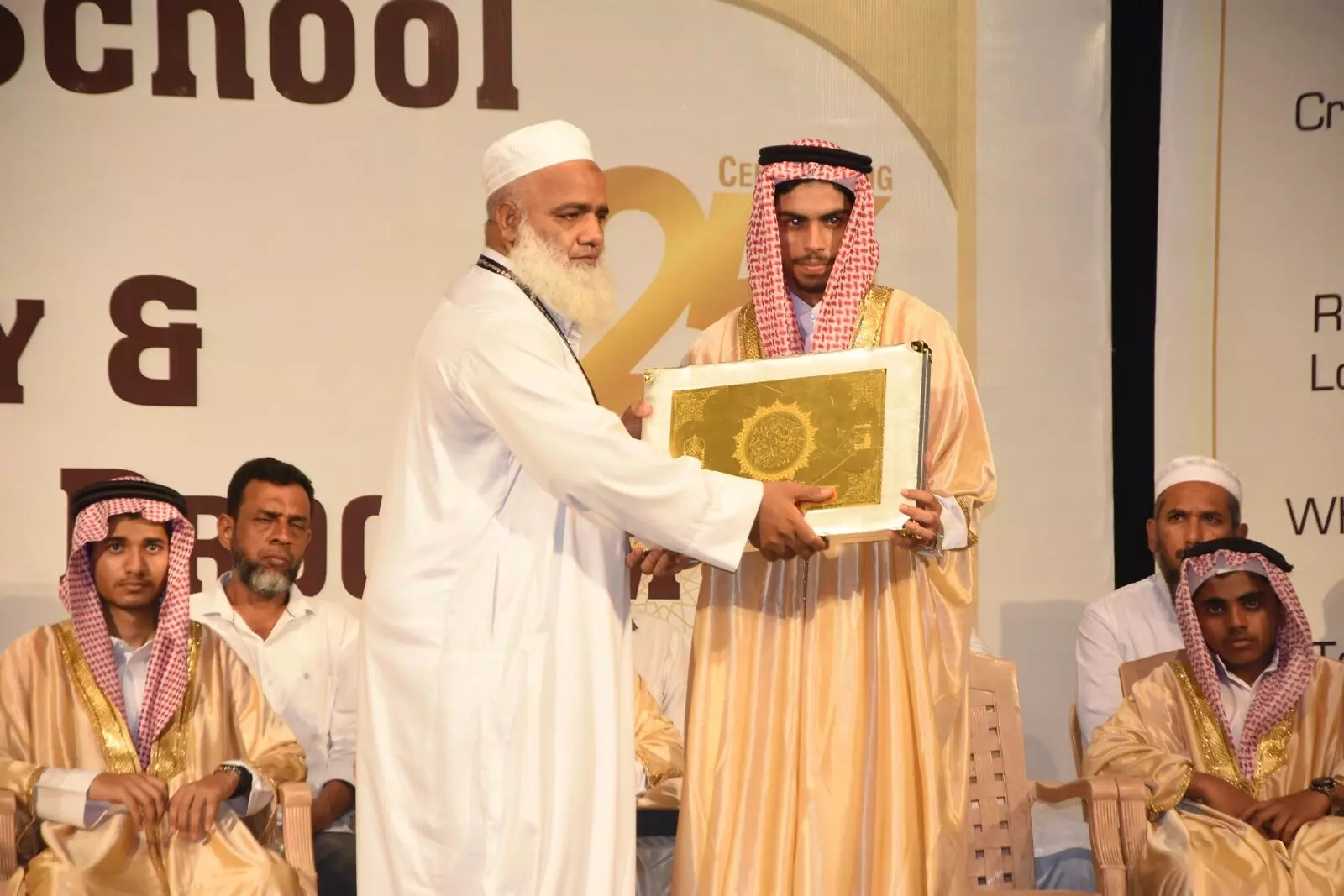
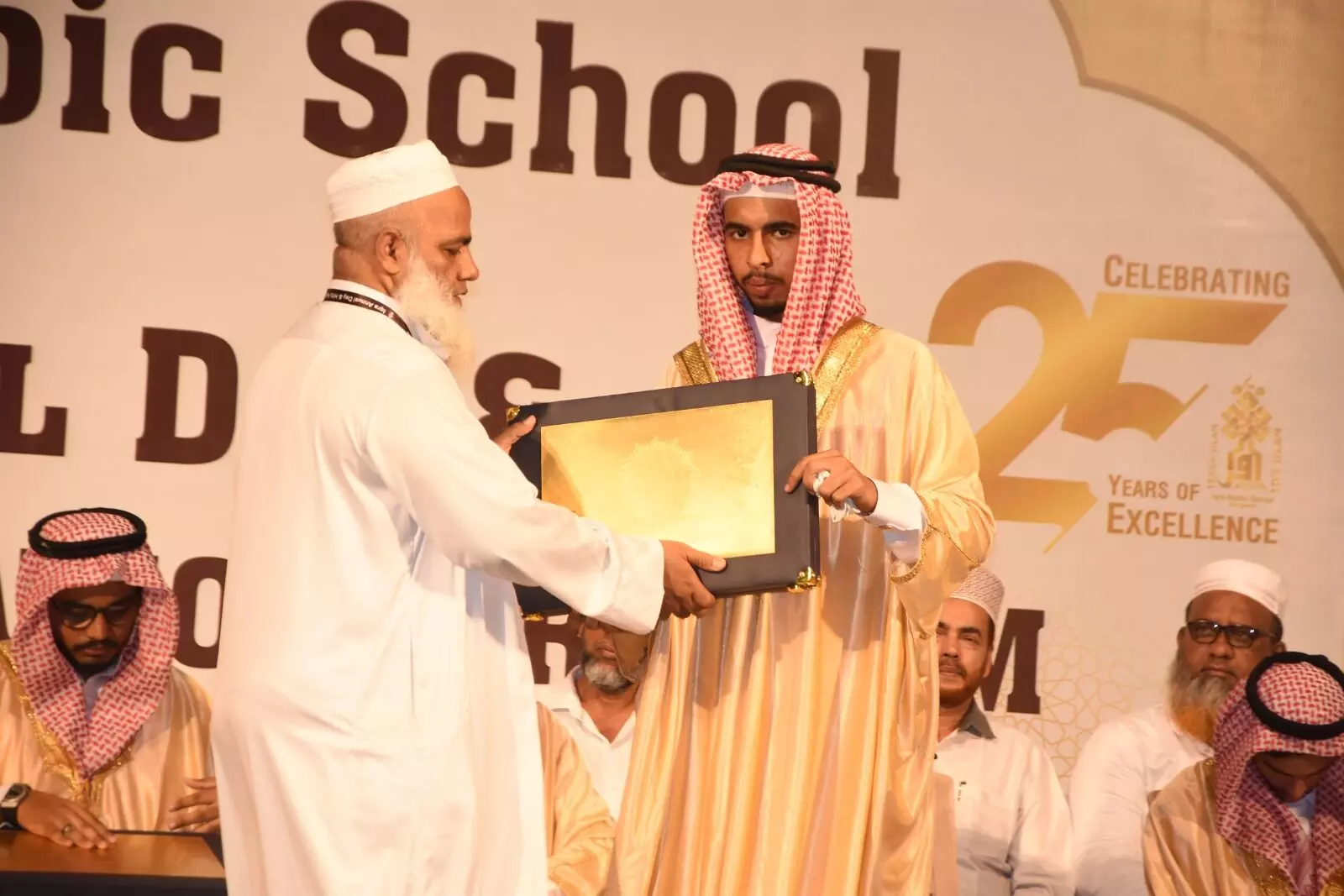
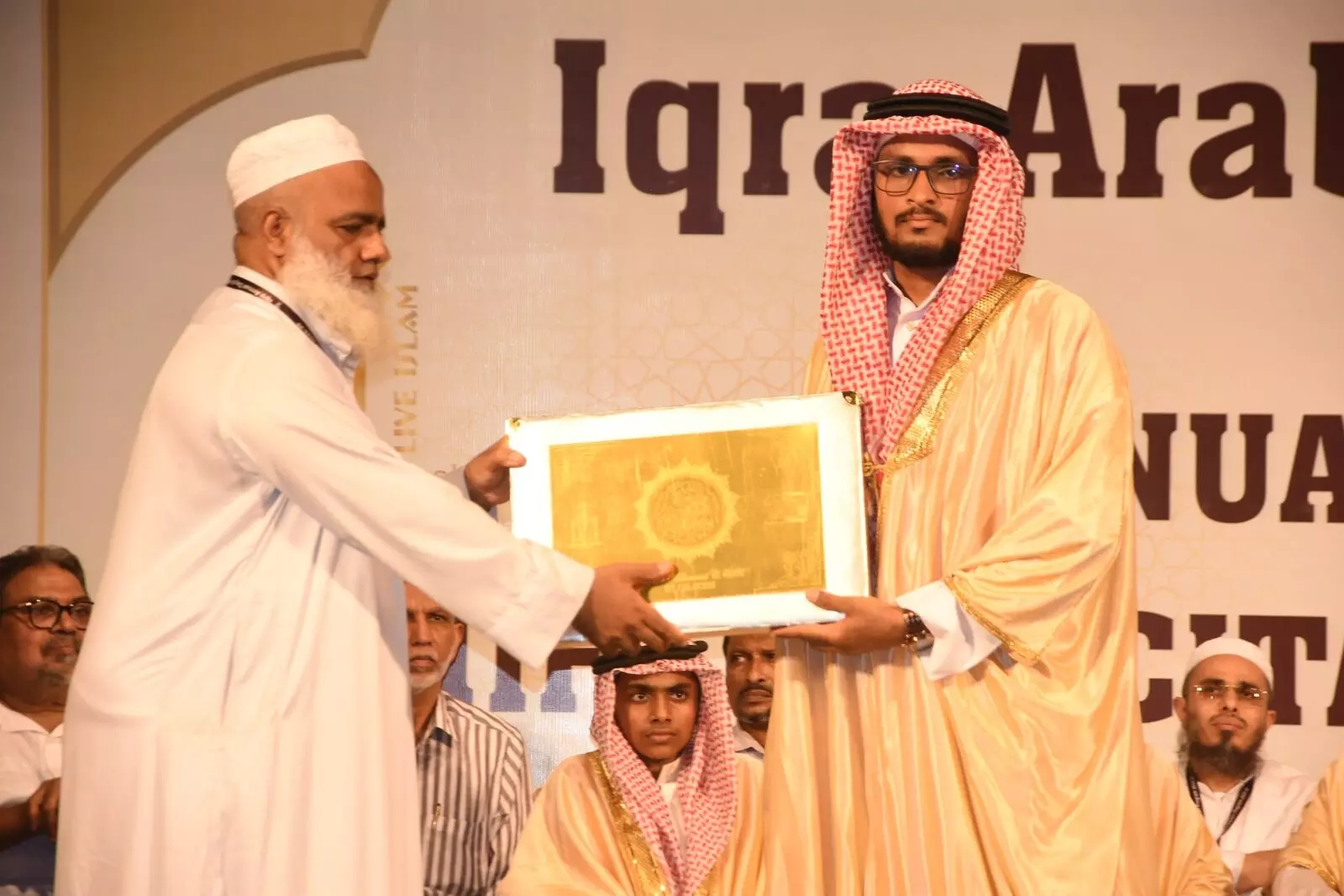
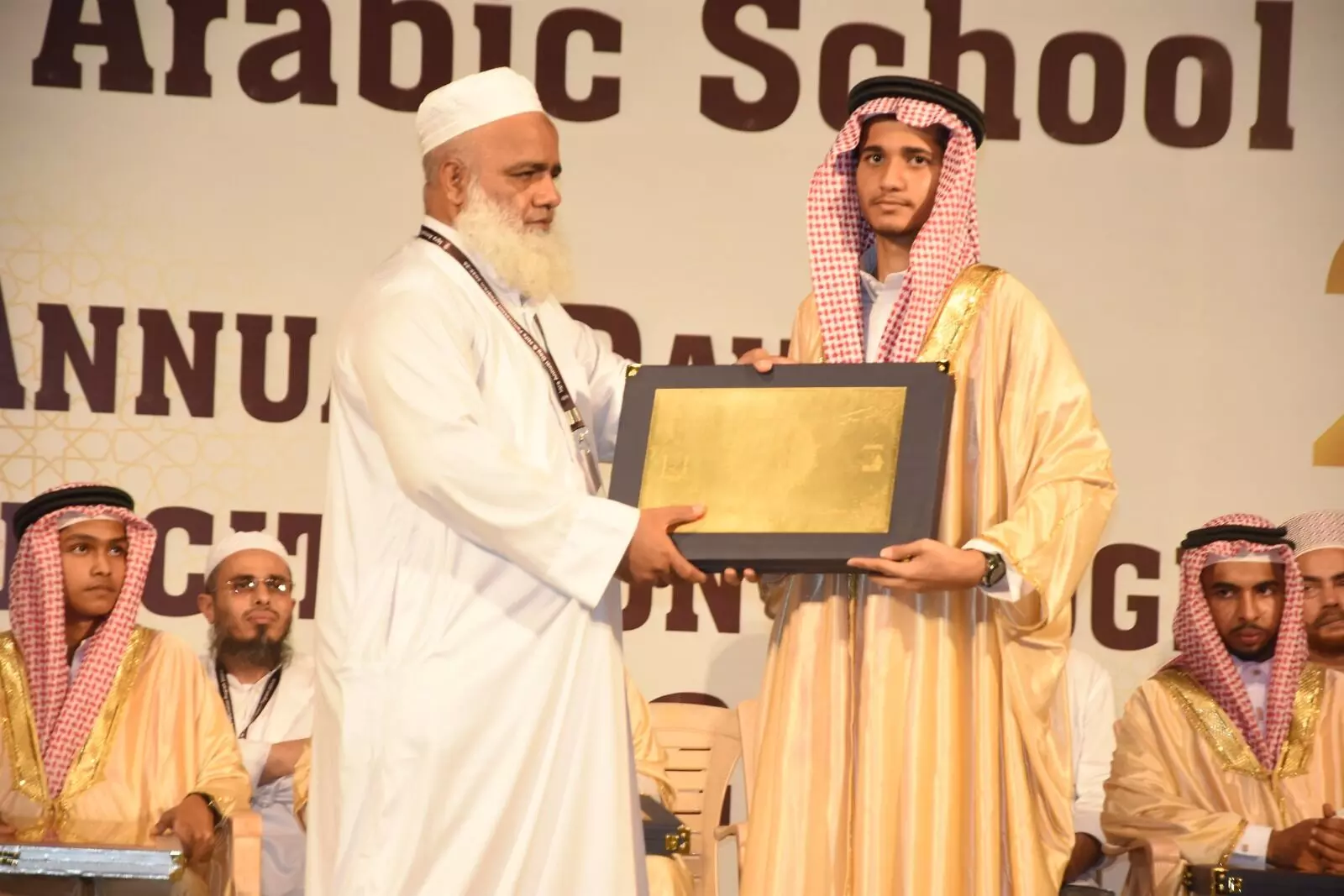
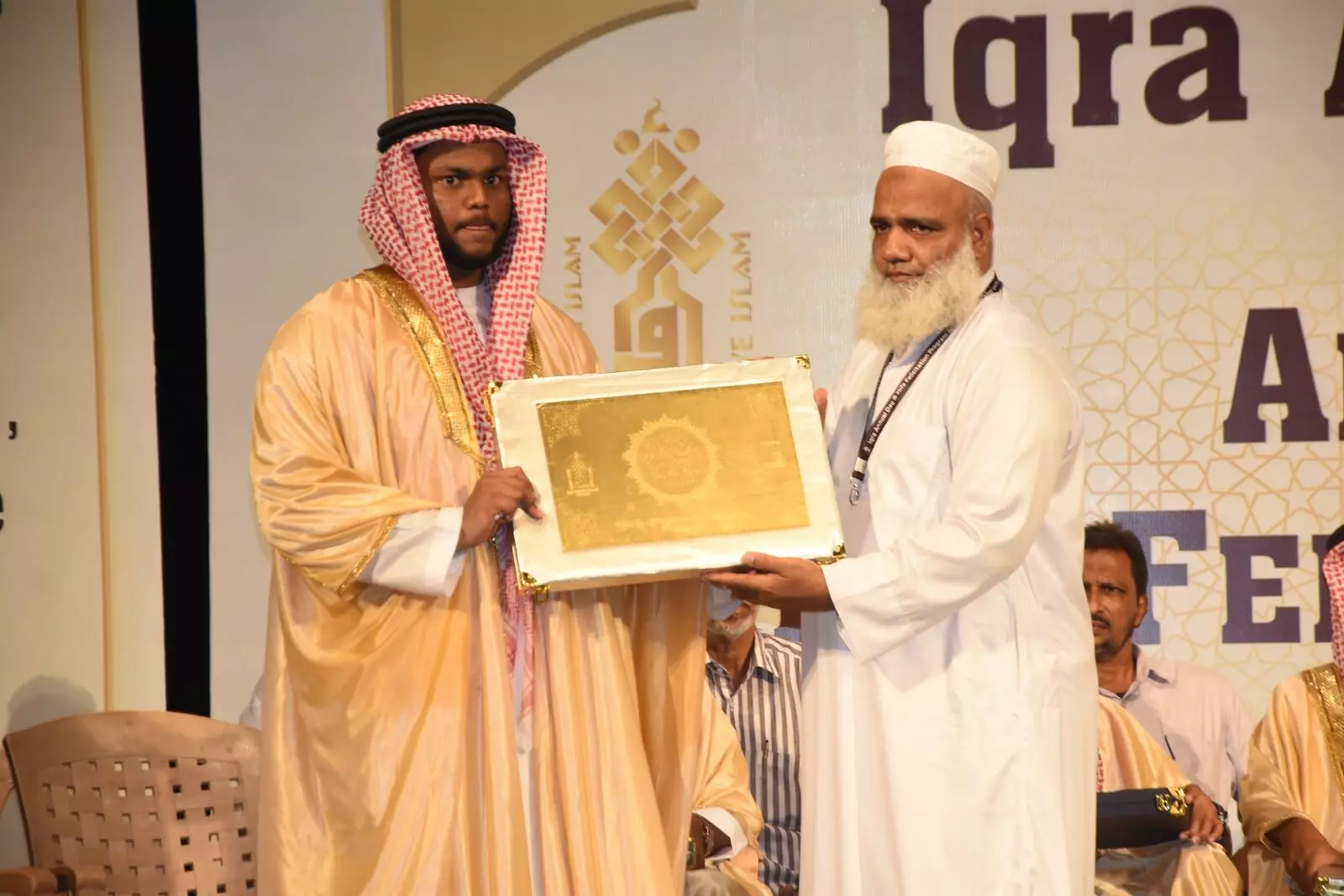
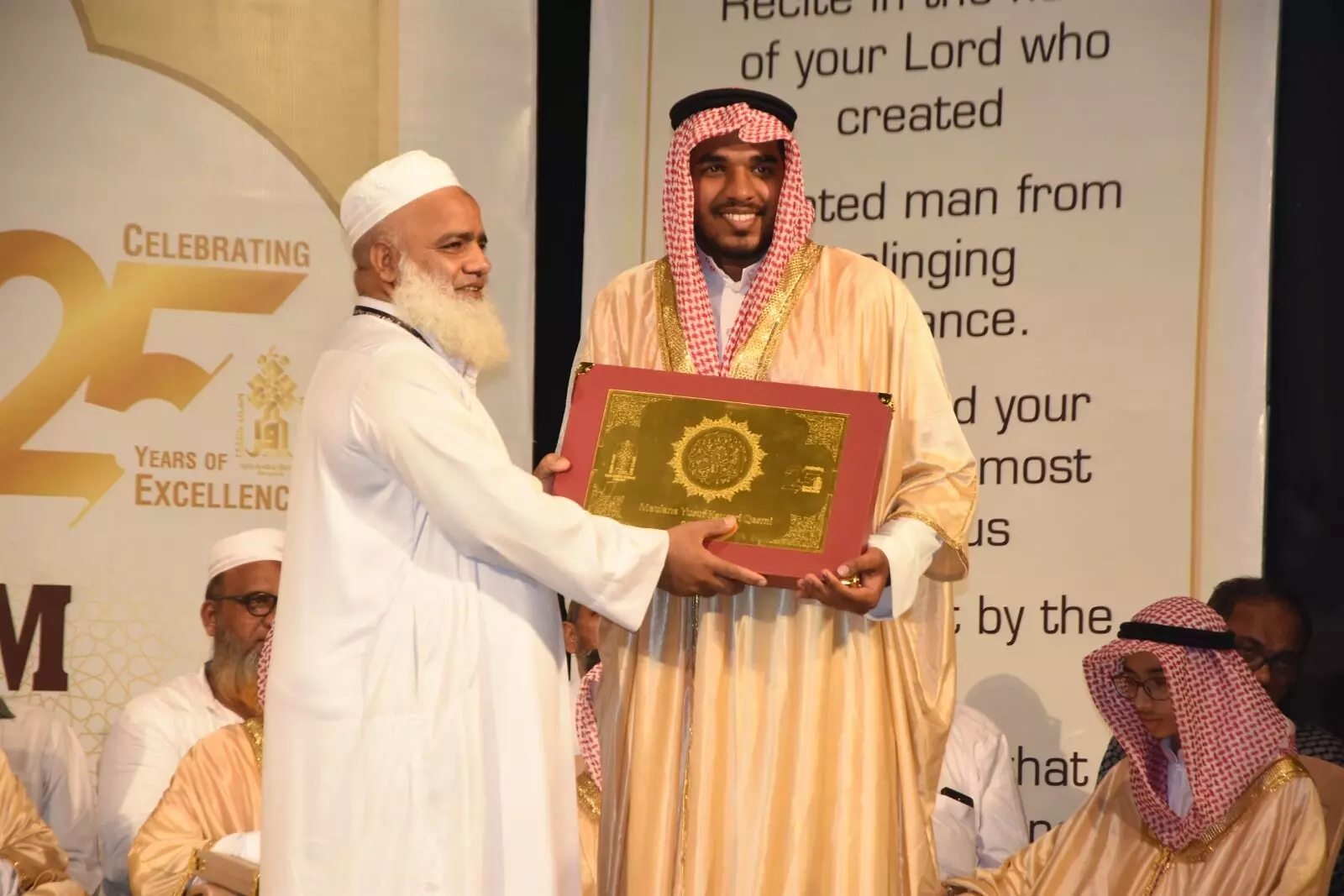
Students presented cultural programmes based on Islamic teachings during the event. Two of the books authored by the students of the institution were also released during the event
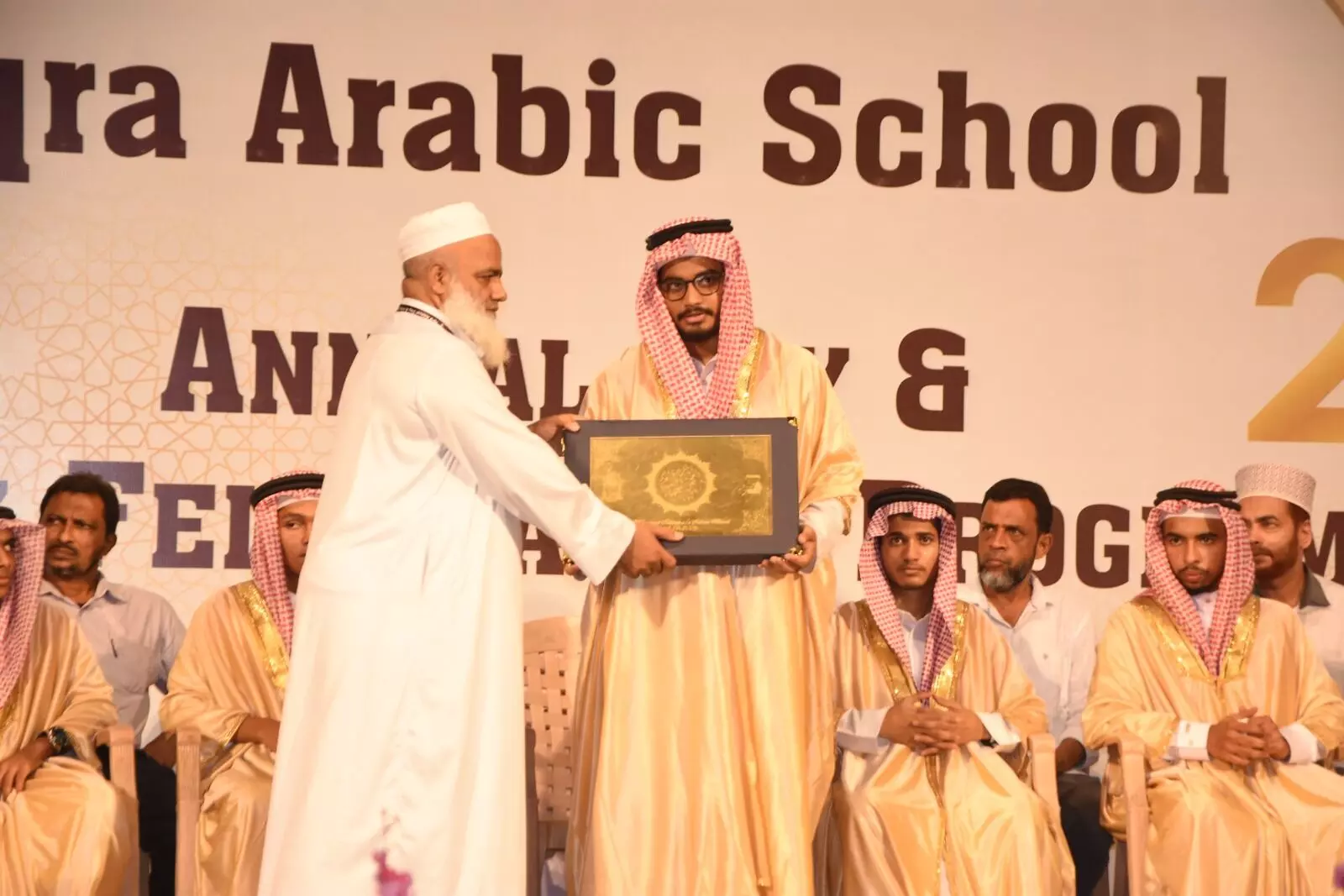
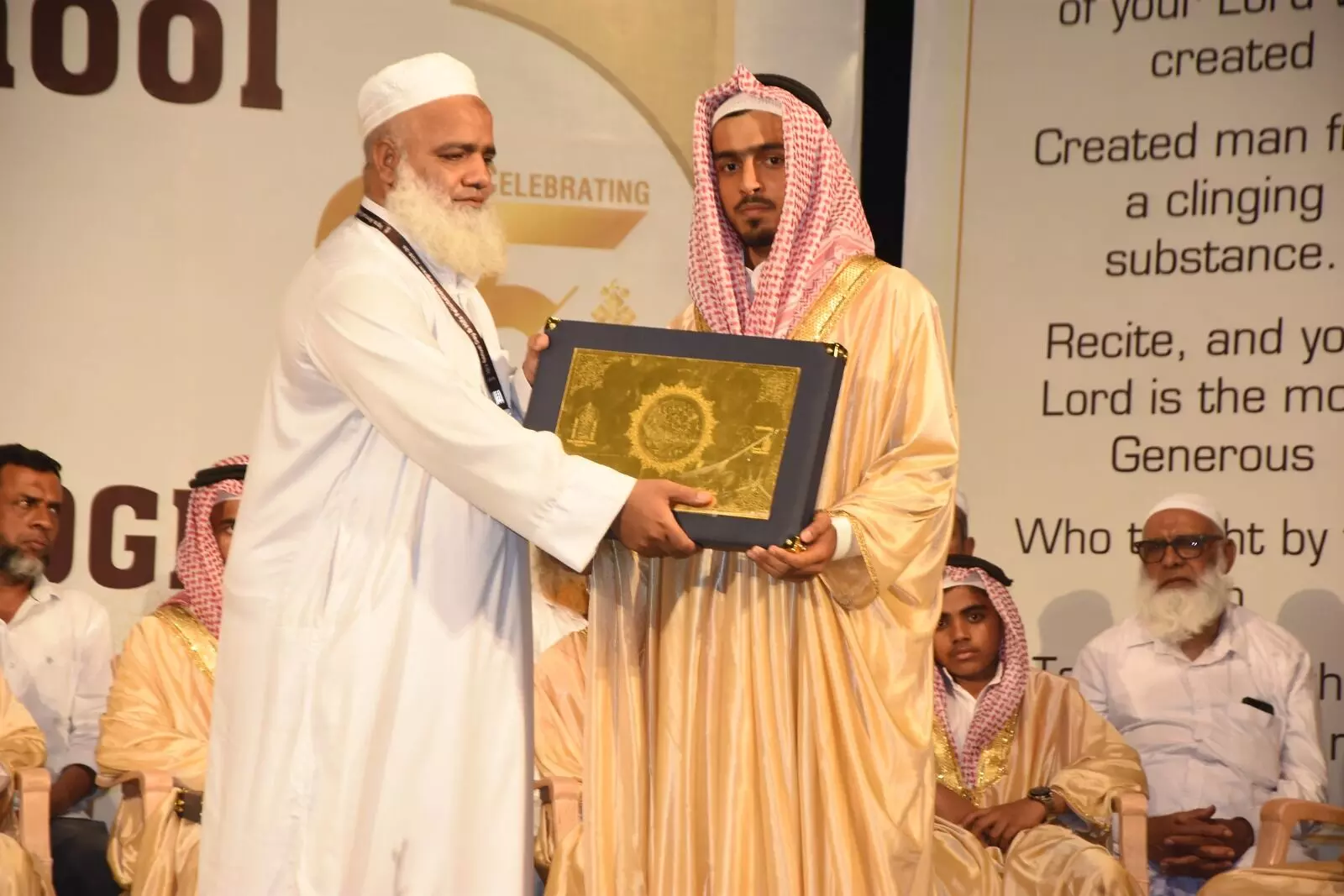
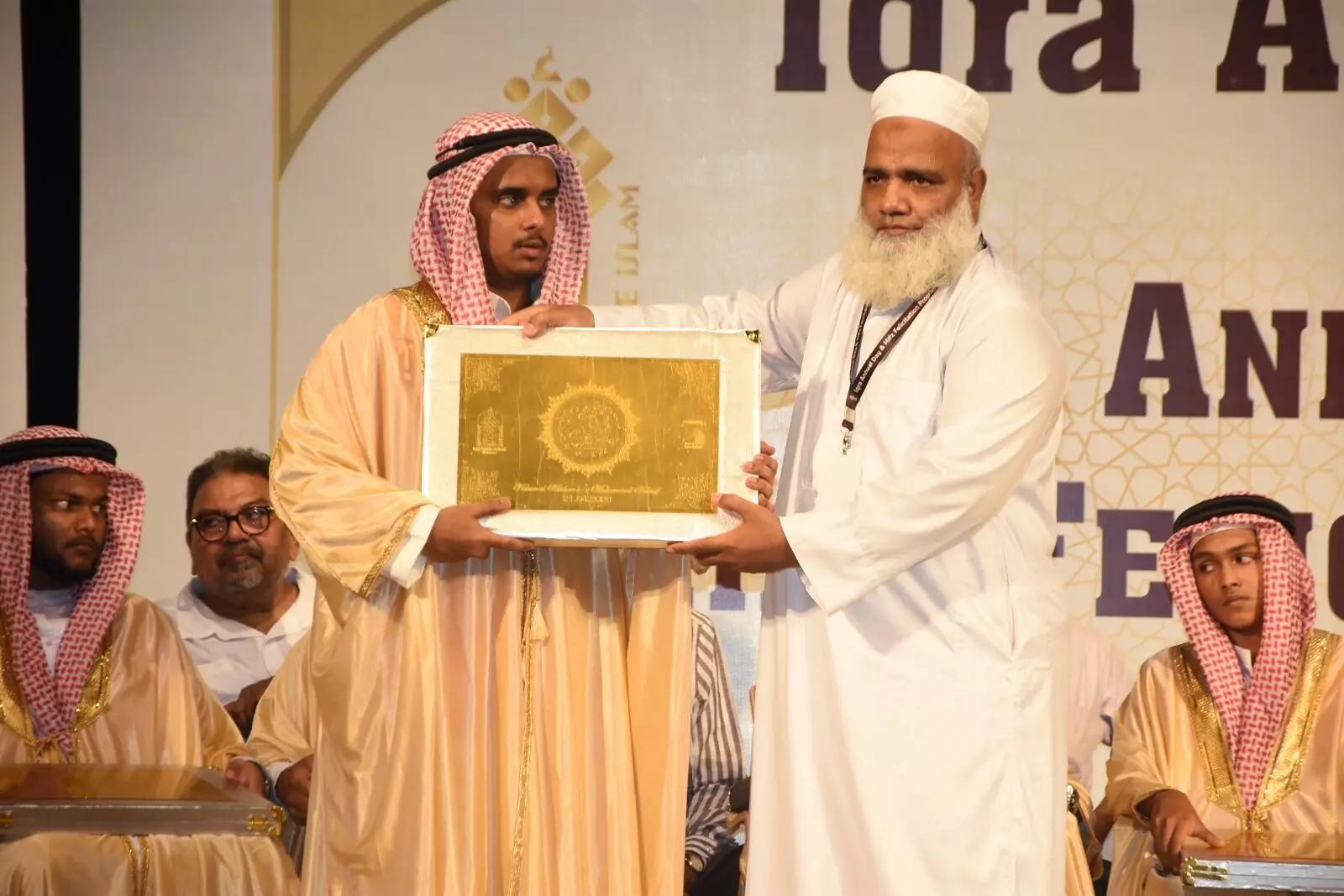
A total of 18 students who completed Hifz this year were felicitated and presented with mementos by the guests. The programme concluded with a vote of thanks by Moulana Salim Khalifa, the principal of the institution.