Shawarma death case: Kerala HC says eateries must exhibit date, time of food preparation on packing
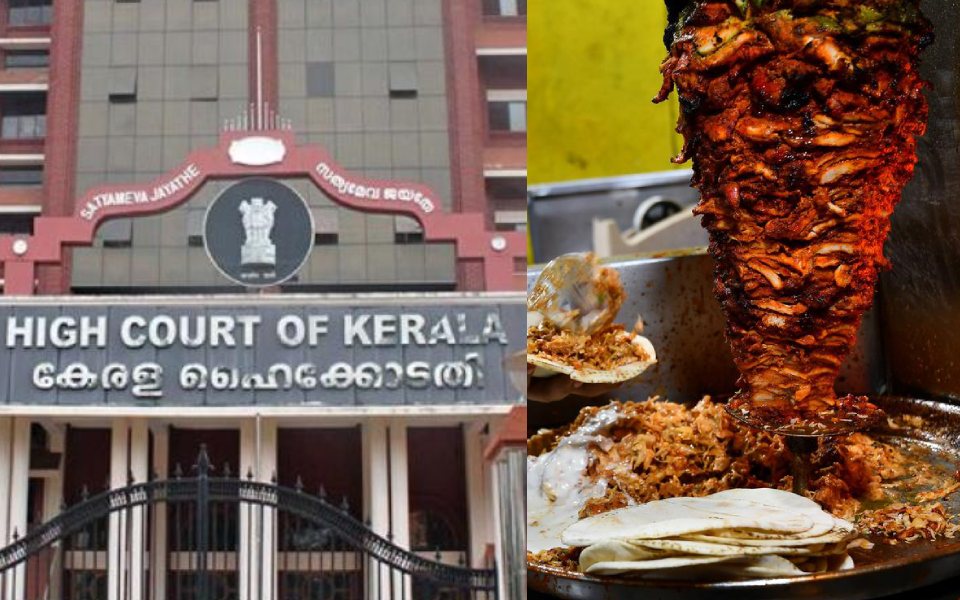
Kochi: The Kerala High Court has issued instructions for eateries to display the date and time of food preparation on packaging, particularly focusing on the popular dish 'Shawarma'. The directive comes in response to a petition filed by the mother of a 16-year-old who lost her life in 2022 after consuming Shawarma.
Justice Devan Ramachandran, while addressing the plea, emphasized the need for public awareness regarding the importance of consuming such food items within a specified timeframe. The court directed the issuance of instructions to eateries to prominently exhibit the date and time of food preparation on packaging, whether served over the counter or through parcels.
The Food Safety Commissioner, Afsana Parveen, informed the court that consuming Shawarma beyond the recommended timeframe was a significant cause of accidents. She reported that 'Shawarma Guidelines' had been issued in September 2022, accompanied by an 'Order of Ban' in January 2023. Regular enforcement drives and inspections were conducted, resulting in notices and orders issued to eateries concerning parcel labeling and the mandatory mention of the specific date and time of manufacture.
Despite the ban on using raw eggs in the production and storage of mayonnaise, the court noted an incident of death due to Shawarma consumption after the ban's issuance. The court acknowledged the Food Safety Commissioner's efforts but emphasized the importance of making eateries and consumers aware of the potential risks.
The court decided to maintain the writ petition on file to monitor the implementation of orders, regulations, and circulars in the interest of public safety. In response to the petitioner's allegations, the court directed the respondents to file a counter affidavit outlining their response, along with details of guidelines, orders, regulations, and actions taken against the eatery in question.
The court had initiated a suo motu case after the 16-year-old's death and hospitalization of over 50 individuals linked to Shawarma consumption. The mother, seeking compensation of Rs. 1 Crore and strict compliance with the Food Safety and Standards Act, 2006, filed the present plea.
The case will be further considered on December 5.
Let the Truth be known. If you read VB and like VB, please be a VB Supporter and Help us deliver the Truth to one and all.
Karnataka: College student dies by suicide in Dharwad, 3 policemen suspended
Dharwad (Karnataka) (PTI): A college student allegedly died by suicide here, following which three policemen were suspended over allegations of harassment linked to his death by the victim's family.
Aditya Myageri, a BSc student at a private college here, was among 18 students detained by the Vidyagiri police on April 25 during an anti-drug drive, police said on Wednesday.
He hailed from Belur village in Bagalkot district, but was staying with his friends at a rented accommodation in Girinagar area of Dharwad city, police said.
Among the 18 students tested, Aditya was among the 10 who had tested negative for ganja consumption and was subsequently released.
Some of his roommates, however, tested positive.
According to police, Aditya's family alleged that despite testing negative, he was harassed by police. They also claimed some policemen demanded Rs 2,000 to settle the matter and threatened legal action if he failed to pay.
He had called his mother asking for money, but she could not arrange it immediately, the family claimed.
On Monday night, Aditya allegedly died by suicide by hanging from a ceiling fan at his rented accommodation, with his family alleging police harassment and pressure over demand for money drove him to the extreme step, a senior police officer said.
Police Commissioner N Shashi Kumar told PTI that an unnatural death case has been registered at Vidyagiri police station. Three policemen have been suspended over the allegations, and further investigation is underway.