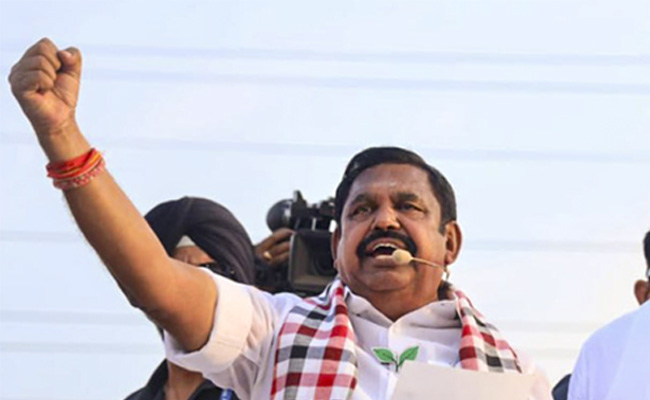
Shivakumar appeals Bihari people in Bengaluru to vote for 'Mahagathbandhan'
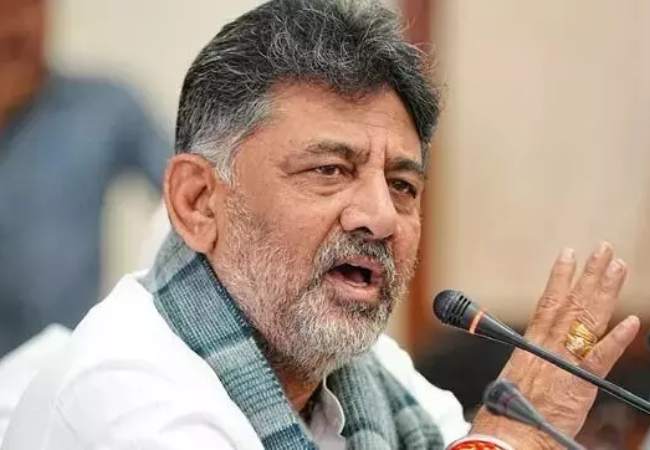
Bengaluru (PTI): Karnataka Deputy Chief Minister D K Shivakumar on Sunday appealed to businesses and establishments in the city, employing people from Bihar in their organisations, to grant them three to four days of leave, to enable them to cast a vote during the Assembly polls in their home state.
Shivakumar, who is also the Karnataka Congress President, appealed to people of Bihar, residing in Bengaluru to vote for 'Mahagathbandhan', while pitching it as the only alternative to that state's progress.
The much awaited Bihar Assembly polls, where the opposition bloc -- Mahagathbandhan-- led by the RJD and the Congress is striving to unseat the ruling NDA, will be held over two phases on November 6 and 11. The votes will be counted on November 14.
"People of Bihar are hardworking. I'm happy interacting with them. Many of them reside here and speak Kannada. While many of them have their votes here, some have retained their votes there (in Bihar). I had come here to appeal to them to vote for Mahagathbandhan," Shivakumar said.
Speaking to reporters after addressing people from Bihar residing in Bengaluru, he said, "I appeal to all the businesses, establishments, and contractors in the city that if there is anyone working in their organisation, who has a vote in Bihar, to give them leave for three to four days, to enable them to cast their votes."
Stating that the Mahagathbandhan should come to power in Bihar and Tejashwi Yadav should become the chief minister, Shivakumar said the Mahagathbandhan is the only alternative for the progress of Bihar.
Indicating the possibility of him going to Bihar for campaigning, he said, "I will not meet anyone from the high command, everyone is busy with the elections."
To a question about those at the event wishing a "bigger role" for him in the days ahead, Shivakumar said, "There is no need for it now. Ensuring Mahagathbandhan win is the first priority."
The wish for a bigger role to Shivakumar has come amid speculation about chief minister change in Karnataka in the days ahead with him as the prime contender for the post.
Noting people from Bihar saying that they don't have any office in the city for their association, Shivakumar said, he has assured them a site to enable them to construct an office, and similar demand has come from people belonging to Assam, living in the city.
Let the Truth be known. If you read VB and like VB, please be a VB Supporter and Help us deliver the Truth to one and all.
ED searches: Karnataka CM Siddaramaiah accuses Centre of targeting Cong leaders
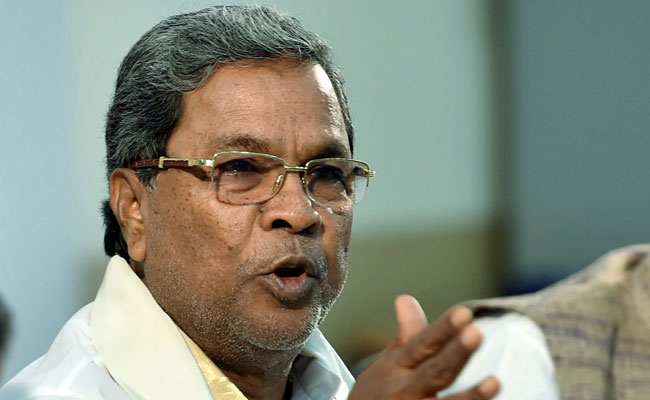
Chamarajanagara (Karnataka) (PTI): Karnataka Chief Minister Siddaramaiah on Tuesday accused the central government and its agencies of consistently targeting Congress members by using searches on their properties, and questioned why similar action is not taken against BJP leaders.
He was reacting to searches conducted by the Enforcement Directorate on Monday on several individuals, among them the sons of Karnataka Congress MLA N A Haris and the grandson of former Union Cabinet minister K Rahman Khan, in connection with a cryptocurrency-linked money laundering case.
"The central government always targets Congress leaders. Will they raid the houses of BJP leaders?" Siddaramaiah said in response to a question. More than a dozen premises in the city were searched as part of the operation carried out by the ED under the provisions of the Prevention of Money Laundering Act (PMLA).
The premises searched comprised those of Mohammed Haris Nalapad and Omar Farook Nalapad, the sons of the MLA; Aqeeb Khan, the grandson of veteran Congress leader K Rahman Khan; and an alleged crypto hacker, Srikrishna Ramesh, alias Sriki, officials said.
The money laundering case stems from Karnataka Police FIRs and charge sheets filed in a 2017 case involving the hacking of national and international websites, theft of bitcoins, and the sale of these stolen virtual digital assets (VDAs) through crypto platforms by the alleged hacker Sriki and his associates.
Mohammed Haris Nalapad, Omar Farook Nalapad, and Aqeeb Khan are alleged to be beneficiaries of the proceeds of crime generated through this crypto-linked activity, officials added.