Sonia Gandhi opposes 'corporatization' of Rae Bareli coach factory, raises issue in Lok Sabha
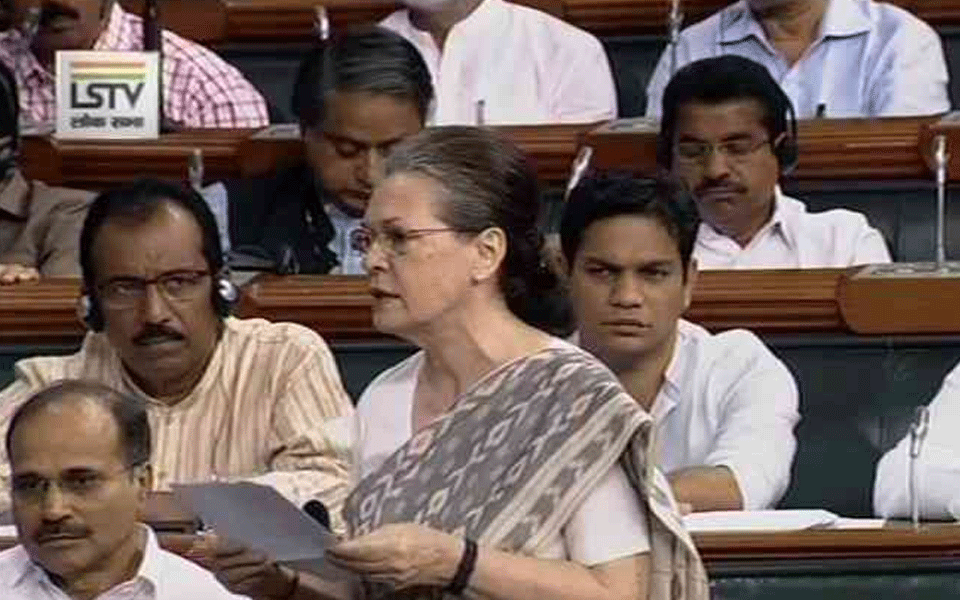
New Delhi: UPA Chairperson Sonia Gandhi Tuesday raised in the Lok Sabha the issue of corporatisation of railway's Modern Coach Factory in her Rae Bareli constituency and accused the government of selling the country's assets to private players at a throwaway price.
This was a rare instance when Gandhi raised an issue during the Zero Hour.
She said the government has decided to corporatise six railway production units and the Modern Coach Factory is one of them.
"Those who don't understand the real meaning of corporatisation....It is actually the first step towards privatisation. They are selling the country's assets to handful private players at a throwaway price. This will leave thousands unemployed," she said.
Gandhi is the leader of the Congress Parliamentary Party.
Although Adhir Ranjan Chowdhury leads the party in the Lok Sabha, Gandhi is alway seen as the guiding force for the Congress in the House.
On Tuesday, she was the first one to speak during the Zero Hour. As she rose from her seat, the entire opposition was seen thumping desks.
Taking a dig at the government, she said the unit was started during the UPA regime to promote "Make in India", an initiative of the Modi government.
The MCF is the most modern factory of the Indian Railways and manufactures best coaches at cheapest rates, she asserted.
"The government has invested heavily in it (MCF). It is difficult to understand why the government wants to resort to corporatisation," she said.
She said the future of 2000 workers remains uncertain due to the government's move.The primary job of the PSU is welfare of the people and not to benefit capitalists, she said.
Gandhi also slammed the government for stopping the practise of having a separate railway budget. "Can we not expect parliamentary scrutiny for such types of decisions," she said.
She also highlighted the condition of Hindustan Aeronautics Ltd, Mahanagar Telephone Nigam Ltd and Bharat Sanchar Nigam Ltd.
"Pandit Jawaharlal Nehru had termed Public Sector Undertakings as temples of modern India. Today, it is sad to see that these temples are under threat," she said.
Let the Truth be known. If you read VB and like VB, please be a VB Supporter and Help us deliver the Truth to one and all.
What is Iran’s 10-point plan? Key demands ahead of US talks in Islamabad
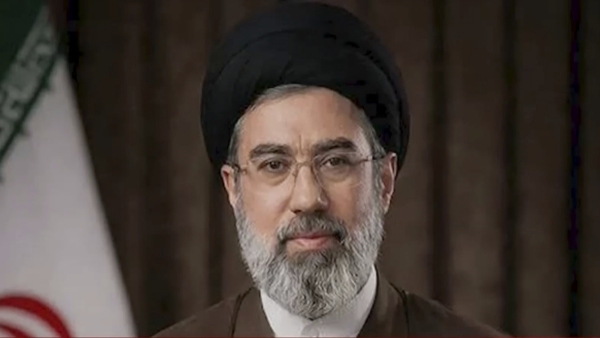
Tehran/Islamabad: Iran has outlined a 10-point plan as the basis for upcoming talks with the United States, expected to begin in Islamabad on April 11, according to a statement from the Iranian Supreme National Security Council.
The plan lays out Tehran’s key political, military and economic demands, and is being seen as a framework for negotiations following the recent escalation in the region.
Strait of Hormuz at the centre
A major focus of the plan is the Strait of Hormuz, a critical global shipping route. Iran has proposed “controlled passage through the Strait of Hormuz in coordination with the Iranian armed forces,” which it says would give the country a unique economic and geopolitical position.
The plan also calls for the “establishment of a safe transit protocol” in the Strait that would guarantee Iran’s dominance under an agreed mechanism.
Call to end conflict
Iran has demanded “the necessity of ending the war against all elements of the axis of resistance,” signalling its expectation that hostilities should stop not only in Iran but also involving allied groups in the region.
US troop withdrawal
Another key demand is the “withdrawal of US combat forces from all bases and deployment points in the region,” indicating Tehran’s long-standing position against American military presence in West Asia.
Sanctions relief and compensation
The plan places strong emphasis on economic measures. It calls for “full payment of Iran’s damages according to estimates,” along with “the lifting of all primary and secondary sanctions and resolutions of the Board of Governors and the Security Council.”
It also seeks “the release of all Iranian assets and properties frozen abroad,” which have been a major point of contention for years.
Binding global guarantee
Finally, Iran has demanded that all these terms be formally recognised through “a binding Security Council resolution,” suggesting it wants international legal backing to ensure enforcement.
What this means
The 10-point plan reflects Iran’s broader push for security guarantees, economic relief and regional influence. The upcoming talks in Islamabad are expected to test how far both sides are willing to negotiate on these demands.