TikTok illegally collecting data received by China: Shashi Tharoor
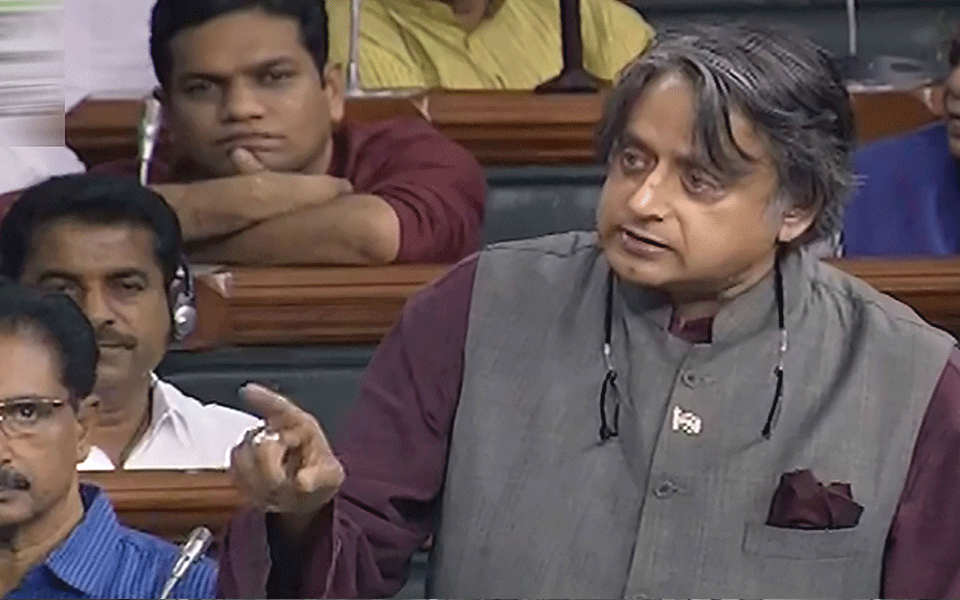
New Delhi, July 1: Congress leader Shashi Tharoor on Monday alleged that TikTok app is illegally collecting data which is being received by China and termed it as an issue of national security.
Speaking during the Zero Hour in Lok Sabha, Tharoor said he would like to draw the attention of the House to India's vulnerability to data leakage and surveillance due to the absence of a robust comprehensive data protection framework.
In the age of smartphones, apps, social media and the internet, India is generating mind-boggling data, and it can be exploited by the vested interests to engage in profiling, to make profits and for political control, he said.
"Recently, the federal regulators in the US slapped a fine of 5.7 million dollars on the social media app TikTok for illegally collecting data on children," he said, adding that there are reports that the Chinese government receives data from TikTok through the wholly state-owned China Telecom.
Describing it as a "national security issue", Tharoor said he would urge the government to introduce a comprehensive legal framework to protect fundamental right to privacy and and save democracy of the country.
BJP MP Meenakshi Lekhi raised the issue of water scarcity in various cities across the country and said efforts should be made for rain water harvesting.
She also suggested that rather that planting sugarcane, farmers can opt for millets, as sugarcane requires a lot of water.
Let the Truth be known. If you read VB and like VB, please be a VB Supporter and Help us deliver the Truth to one and all.
What is Iran’s 10-point plan? Key demands ahead of US talks in Islamabad
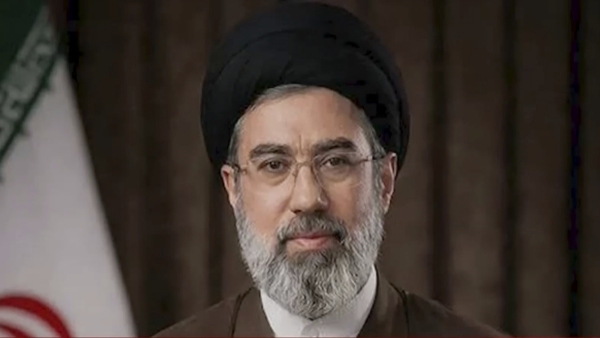
Tehran/Islamabad: Iran has outlined a 10-point plan as the basis for upcoming talks with the United States, expected to begin in Islamabad on April 11, according to a statement from the Iranian Supreme National Security Council.
The plan lays out Tehran’s key political, military and economic demands, and is being seen as a framework for negotiations following the recent escalation in the region.
Strait of Hormuz at the centre
A major focus of the plan is the Strait of Hormuz, a critical global shipping route. Iran has proposed “controlled passage through the Strait of Hormuz in coordination with the Iranian armed forces,” which it says would give the country a unique economic and geopolitical position.
The plan also calls for the “establishment of a safe transit protocol” in the Strait that would guarantee Iran’s dominance under an agreed mechanism.
Call to end conflict
Iran has demanded “the necessity of ending the war against all elements of the axis of resistance,” signalling its expectation that hostilities should stop not only in Iran but also involving allied groups in the region.
US troop withdrawal
Another key demand is the “withdrawal of US combat forces from all bases and deployment points in the region,” indicating Tehran’s long-standing position against American military presence in West Asia.
Sanctions relief and compensation
The plan places strong emphasis on economic measures. It calls for “full payment of Iran’s damages according to estimates,” along with “the lifting of all primary and secondary sanctions and resolutions of the Board of Governors and the Security Council.”
It also seeks “the release of all Iranian assets and properties frozen abroad,” which have been a major point of contention for years.
Binding global guarantee
Finally, Iran has demanded that all these terms be formally recognised through “a binding Security Council resolution,” suggesting it wants international legal backing to ensure enforcement.
What this means
The 10-point plan reflects Iran’s broader push for security guarantees, economic relief and regional influence. The upcoming talks in Islamabad are expected to test how far both sides are willing to negotiate on these demands.