Trial in 2008 Malegaon blast case over, NIA seeks `commensurate' punishment for Pragya Thakur, other
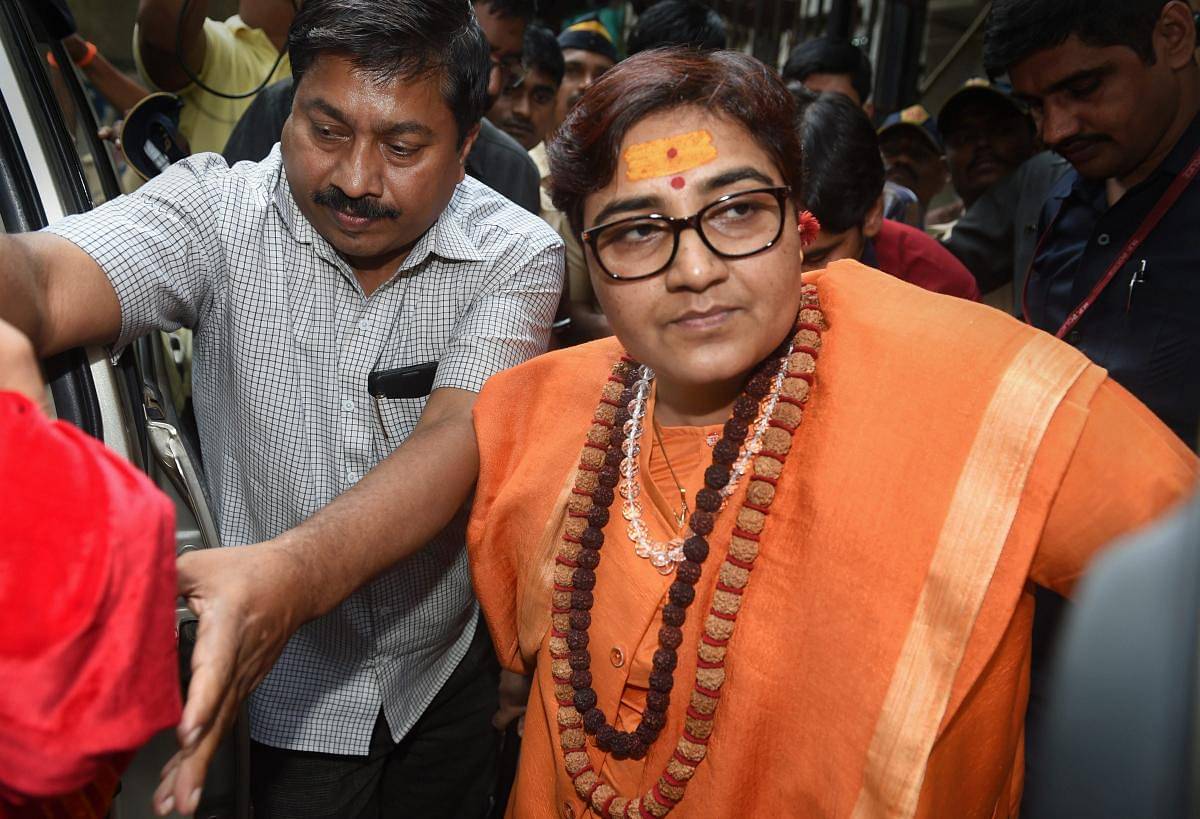
Mumbai (PTI): Almost 17 years after a blast killed six people and left over 100 injured in Maharashtra's communally sensitive Malegaon town, the trial in the case got over on Saturday with the special NIA court adjourning the matter to May 8 for judgement.
The National Investigation Agency, which probed the case, sought "commensurate punishment" for the accused who include former MP and BJP leader Pragya Thakur.
On Saturday, the prosecution filed its final written arguments, marking the end of the trial, presided over by A K Lahoti, special judge for NIA cases.
The prosecution submitted that the blast in Malegaon -- a town with a sizable Muslim population -- was orchestrated by the conspirators to terrorize a section of Muslim community, disrupt essential services, create communal tensions, and threaten the state's internal security.
Six people were killed and over 100 injured when an explosive device strapped to a motorcycle went off near a mosque in the town, about 200 km from Mumbai, on September 29, 2008.
Besides Pragya Thakur, Lt Col Prasad Purohit, Major (retired) Ramesh Upadhyay, Ajay Rahirkar, Sudhakar Dwivedi, Sudhakar Chaturvedi and Sameer Kulkarni are the accused in the case, charged under the Unlawful Activities (Prevention) Act (UAPA) and Indian Penal Code.
The NIA said in its final submission that based on "relevant, admissible, cogent, trustworthy, wholly reliable and proved evidence" it "conclusively and cogently" established the crucial circumstances to form a complete chain of events.
It was established that the accused were "directly involved in the part of larger conspiracy hatched amongst themselves and (were) instrumental in causing a bomb explosion," the document said.
The blast took place during the holy month of Ramzan, just before the Navratri festival, the NIA pointed out, adding that the intention of the accused was to strike terror in a section of the Muslim community.
The act was part of "their larger conspiracy" to "establish 'Aryawrat (Hindu Rashtra)", the prosecution contended.
It urged the court to convict the accused "for commission of serious terror offences" and award "commensurate punishment" in the interest of justice.
During the trial, the prosecution presented 323 witnesses, of which 34 turned hostile.
The case was initially probed by the Anti Terrorism Squad (ATS), Maharashtra, before being transferred to NIA in 2011.
The central agency in its charge sheet filed in 2016 gave a clean chit to Thakur and three other accused- Shyam Sahu, Praveen Takalki and Shivnarayan Kalsangra- saying it found no evidence against them.
The court, however, discharged Sahu, Kalsangra and Takalki but ruled that Pragya Thakur will have to face the trial.
The charges framed against the accused on October 30, 2018, included sections 16 (committing terrorist act) and 18 (conspiring to commit terrorist act) of the UAPA and IPC sections 120 (b) (criminal conspiracy), 302 (murder), 307 (attempt to murder), 324 (voluntarily causing hurt) and 153 (a) (promoting enmity between two religious groups), among others.
Let the Truth be known. If you read VB and like VB, please be a VB Supporter and Help us deliver the Truth to one and all.
Chhattisgarh: FIR against Vedanta group chairman Anil Agarwal, others after blast kills 20 workers
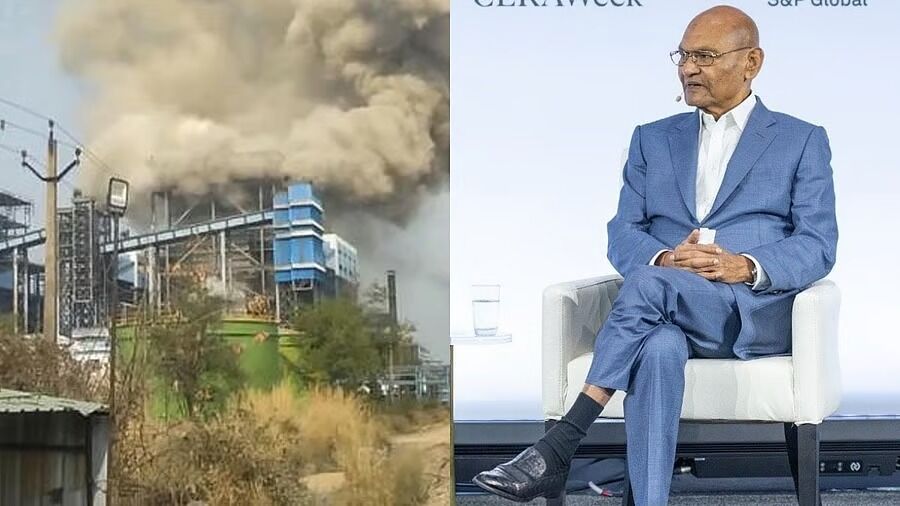
Sakti (Chhattisgarh) (PTI): The Chhattisgarh police on Thursday registered an FIR against Vedanta Group chairman Anil Agarwal and others in connection with the blast at the firm's power plant in Sakti district that claimed 20 lives, an official said.
The explosion occurred on April 14 at the Vedanta plant in Singhitarai village when a steel tube carrying high-pressure steam from the boiler to the turbine burst, leaving several workers with severe burn injuries. The incident claimed 20 lives and left 16 persons injured.
A case has been registered at Dabhra police station under sections 106 (causing death by negligence), 289 (negligent conduct with respect to machinery) and 3(5) (common intention) of the Bharatiya Nyaya Sanhita, Sakti Superintendent of Police Prafull Thakur said.
"Eight to ten individuals, including Vedanta Group chairman Anil Agarwal, have been named in the FIR. If more persons are found responsible during the investigation, their names will be added," Thakur told PTI.
Investigation into the incident is underway and several reports are awaited, including post-mortem reports of the deceased and findings from the forensic science laboratory and the industrial health and safety department, he said.
"A technical team has also been constituted to probe the cause of the blast. Further sections will be added if required after all reports are received," the SP said.
Following the incident, the opposition Congress had demanded registration of an FIR against the plant management and a judicial inquiry into it.