Two die of electrocution as rains lash Thane district
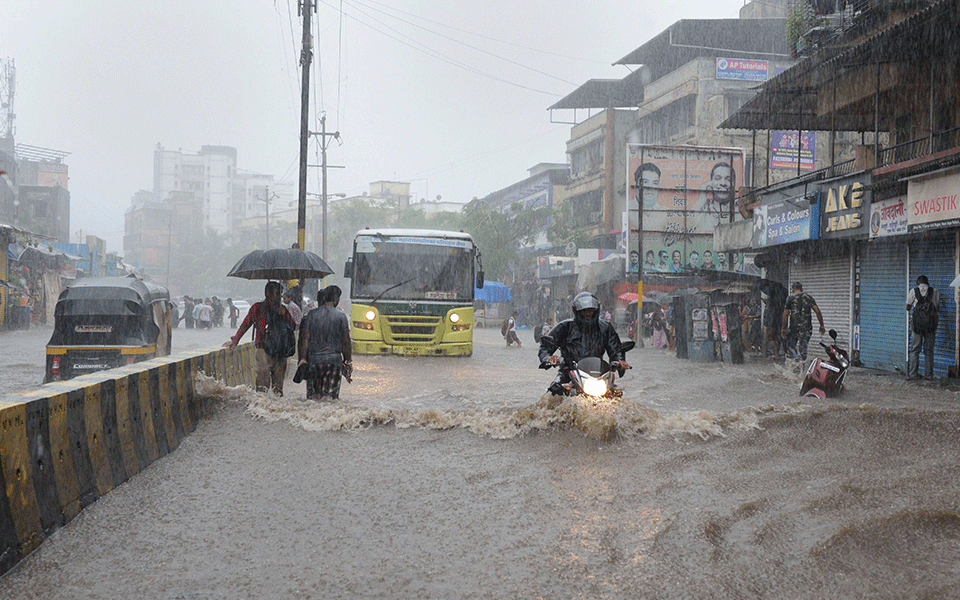
Thane: Two persons died of electrocution in separate incidents in Thane district of Maharashtra, caused by incessant rains, officials said on Saturday.
Both the incidents took place late Friday night, they said.
While the first incident happened in Thane city, the other one occurred in Ambarnath, officials of the District Disaster Management Cell said.
In the first incident, Nagesh Nirange (46) died when a live wire fell on him after a tree got uprooted and snapped the electricity lines in Rabodi area of Thane, the officials said.
In Ambarnath, 22-year-old Vishnu Solanki, a rickshaw driver, who was standing near the Shivaji Nagar auto stand outside the railway station died after a tree fell on the power cables.
The electricity lines along with the tree crashed on to a tin shed, where Solanki was standing. He died on the spot due to electric shock, the officials said, adding that four rickshaws were damaged in the incident.
Bodies of the victims were sent for post-mortem and cases of accidental death were registered by the police in both the incidents.
Heavy rains led to incidets of tree collapse in parts of the city, in which some cars got damaged, the officials said.
The retaining wall of a nullah on Ambedkar Road in the city collapsed on Saturday morning, although nobody was injured in the incident, they said.
Let the Truth be known. If you read VB and like VB, please be a VB Supporter and Help us deliver the Truth to one and all.
What is Iran’s 10-point plan? Key demands ahead of US talks in Islamabad
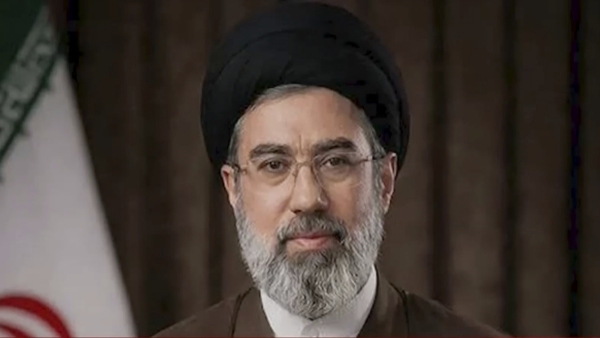
Tehran/Islamabad: Iran has outlined a 10-point plan as the basis for upcoming talks with the United States, expected to begin in Islamabad on April 11, according to a statement from the Iranian Supreme National Security Council.
The plan lays out Tehran’s key political, military and economic demands, and is being seen as a framework for negotiations following the recent escalation in the region.
Strait of Hormuz at the centre
A major focus of the plan is the Strait of Hormuz, a critical global shipping route. Iran has proposed “controlled passage through the Strait of Hormuz in coordination with the Iranian armed forces,” which it says would give the country a unique economic and geopolitical position.
The plan also calls for the “establishment of a safe transit protocol” in the Strait that would guarantee Iran’s dominance under an agreed mechanism.
Call to end conflict
Iran has demanded “the necessity of ending the war against all elements of the axis of resistance,” signalling its expectation that hostilities should stop not only in Iran but also involving allied groups in the region.
US troop withdrawal
Another key demand is the “withdrawal of US combat forces from all bases and deployment points in the region,” indicating Tehran’s long-standing position against American military presence in West Asia.
Sanctions relief and compensation
The plan places strong emphasis on economic measures. It calls for “full payment of Iran’s damages according to estimates,” along with “the lifting of all primary and secondary sanctions and resolutions of the Board of Governors and the Security Council.”
It also seeks “the release of all Iranian assets and properties frozen abroad,” which have been a major point of contention for years.
Binding global guarantee
Finally, Iran has demanded that all these terms be formally recognised through “a binding Security Council resolution,” suggesting it wants international legal backing to ensure enforcement.
What this means
The 10-point plan reflects Iran’s broader push for security guarantees, economic relief and regional influence. The upcoming talks in Islamabad are expected to test how far both sides are willing to negotiate on these demands.