Two girls found hanging at SAI hostel in Kerala's Kollam
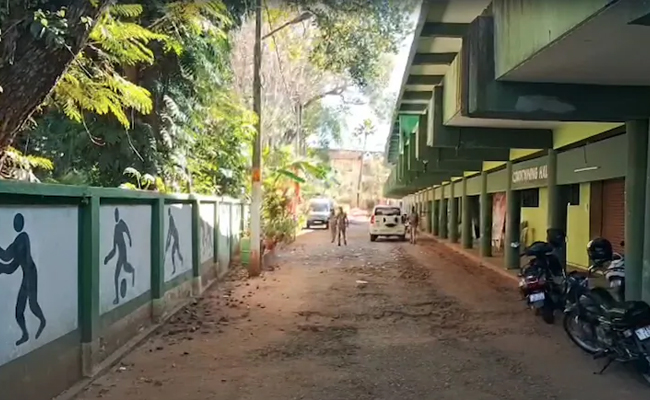
Kollam: Two sports trainees were found hanging in a room at the Sports Authority of India (SAI) hostel in Kollam on Thursday morning, police said.
The deceased girls, aged 17 and 15, were residents of Kozhikode and Thiruvananthapuram. They were found around 5 am when the other hostellers noticed that the two had not turned up for the morning training session, NDTV reported.
According to police, repeated knocks on the door of the room went unanswered, hostel authorities broke open the door and found both girls hanging in the room.
The 15-year-old girl was staying in a different room but had spent Wednesday night in the other girl's room. The two were last seen together by other hostel inmates early in the morning, police said.
The 17-year-old girl was an athletics trainee studying in Class 12, while the other one was a kabaddi player and a Class 10 student.
No suicide note was recovered from the room, police said. Further investigation is under way.
(Assistance for overcoming suicidal thoughts is available on the state’s health helpline 104, Tele-MANAS 14416.)
Let the Truth be known. If you read VB and like VB, please be a VB Supporter and Help us deliver the Truth to one and all.
MP boat tragedy: Death toll rises to 10 with recovery of one more body; 3 tourists still missing
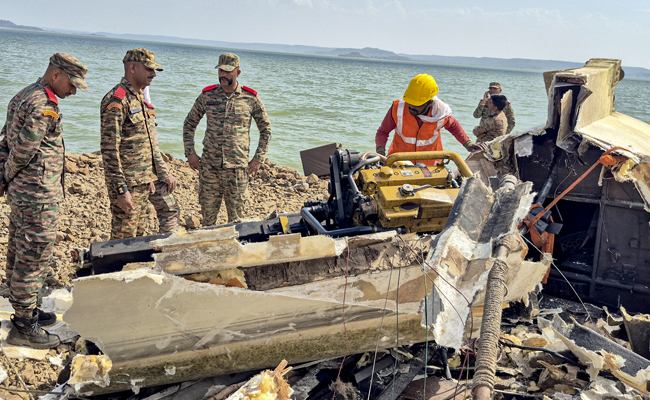
Jabalpur (PTI): The body of a child was retrieved on Saturday evening from Bargi Dam in Jabalpur district of Madhya Pradesh, raising the death toll in the cruise boat tragedy that took place two days ago to ten, while search continued for three missing tourists.
The boat, operated by the state tourism department, capsized during a storm on Thursday evening with some of the survivors alleging negligence and safety lapses such as life jackets not being distributed in time.
The body recovered on Saturday evening was possibly that of six-year-old Viraj Soni, said Sub-Divisional Officer of Police (SDOP) Anjul Ayank Mishra.
"The identity will be confirmed after family members identify the body," he told PTI.
Kamraj, an employee of the Ordnance Factory at Khamaria, his five-year-old son Tamil, and another child Mayuram (5) who had come from southern India were still missing.
Authorities have arranged equipment to search deep waters of the dam and are getting a generator to facilitate diving operations, Mishra added.
Divers and disaster response teams have expanded the search radius to five km, he said.
Of the 41 identified passengers on board the ill-fated vessel, 28 were rescued, police said.
More than 200 rescuers, including around 20 Army divers airlifted from Agra, joined the search operation that resumed at 5 on Saturday morning. The operation, involving the National Disaster Response Force, State Disaster Response Force and local divers, was briefly affected at around 9 am due to strong winds, officials said.
Post-mortem examinations of nine deceased persons have been completed, Mishra said.
"Our priority is to search for the missing persons. We will also register a First Information Report in the case soon," he said.
Police said CCTV footage near the boarding point showed 43 people heading towards the boat while the identities of 41 passengers have been confirmed so far.
The state government on Friday ordered a probe into the tragedy and dismissed three crew members. It also banned operation of similar vessels in the state.