Ali Larijani, believed to be running Iran since the beginning of the war, is killed in a strike
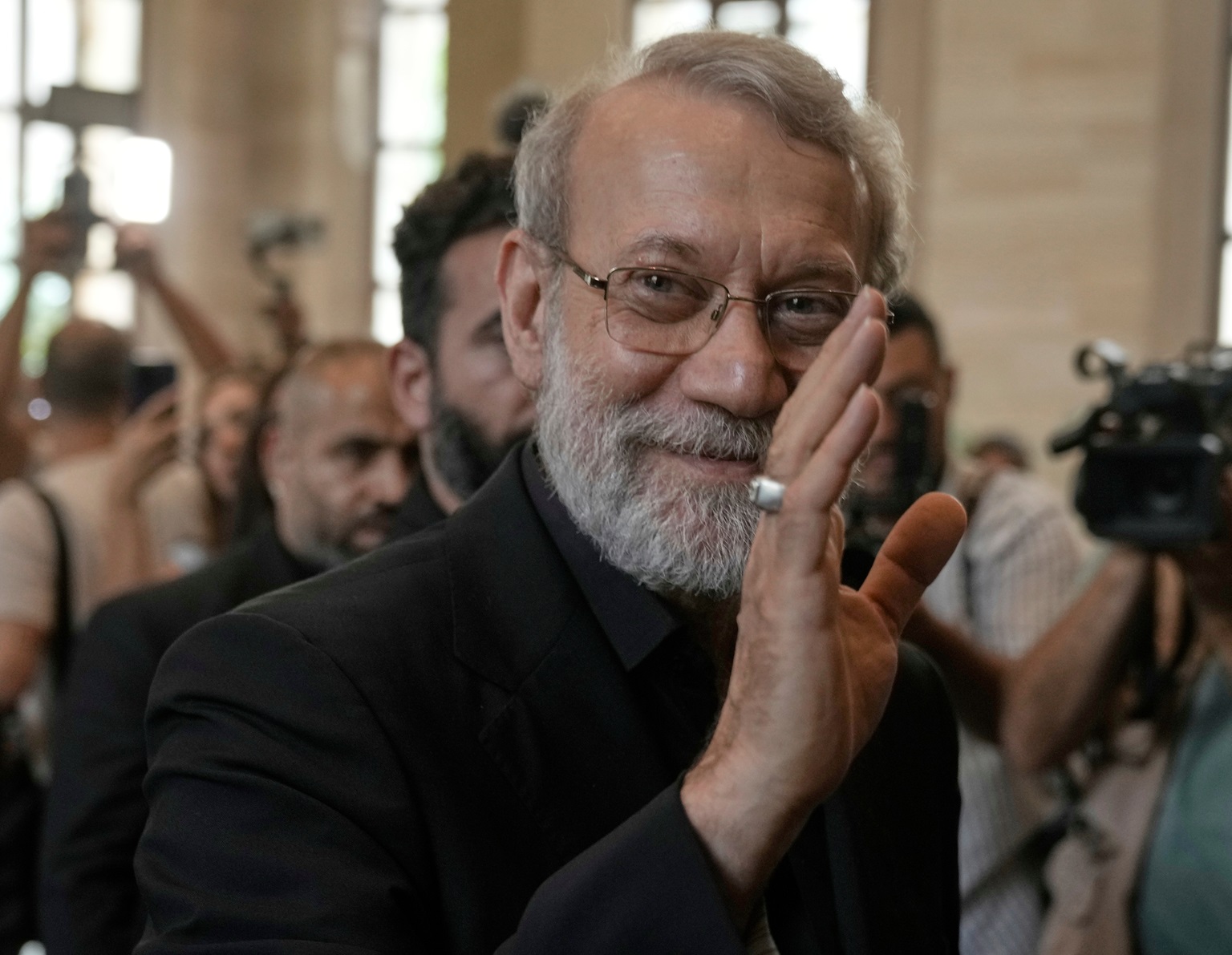
Dubai, Mar 18 (AP): Ali Larijani, a top Iranian security official and a conservative force within Iran's theocracy, was killed in an Israeli strike, Iranian authorities confirmed Tuesday. He was 67.
Larijani was widely believed to be running the country following the killing of its supreme leader in U.S. and Israeli strikes late last month that sparked a widening war. Israel said earlier Tuesday that it had killed Larijani, but it was several hours before Iran confirmed his death.
He had been appointed to advise Supreme Leader Ayatollah Ali Khamenei on strategy in nuclear talks with the Trump administration and traveled to Oman to meet with mediators just two weeks before the war began. Like other top Iranian leaders, Larijani was under heavy U.S. sanctions and implicated in the violent repression of mass protests in January.
He was ineligible to become supreme leader after Khamenei's death because he is not a Shiite cleric. But he was widely expected to serve as a top adviser, and many believed he was running the country as U.S. and Israeli strikes have driven Iran's leadership underground. The Supreme National Security Council said his son Morteza Larijani was also killed.
ALSO READ: Iran says no response to US outreach for talks amid escalating conflict
A week ago, after U.S. President Donald Trump threatened to attack Iran “TWENTY TIMES HARDER” if Tehran stopped oil flowing through the Strait of Hormuz, Larijani responded on X.
“The sacrificial nation of Iran doesn't fear your empty threats. Even those bigger than you couldn't eliminate Iran,” he wrote. “Be careful not to get eliminated yourself.”
Larijani was born into one of Iran's most famous political families, which many media outlets have compared to the Kennedys in the United States. One brother, Sadeq, served as the head of Iran's judiciary, while another, Mohammad Javad, was a senior diplomat who closely advised the late Khamenei on foreign affairs.
Over the years, Larijani issued increasingly hard-line threats. In the 1990s, he served as Iran's culture minister, tightening censorship. He served as parliament speaker from 2008 to 2020, and most recently as head of the Supreme National Security Council.
He wrote at least six philosophy books, including three exploring the works of German philosopher Immanuel Kant.
Let the Truth be known. If you read VB and like VB, please be a VB Supporter and Help us deliver the Truth to one and all.
Chadha, others wouldn't have left AAP had it followed 'right' path: Anna Hazare
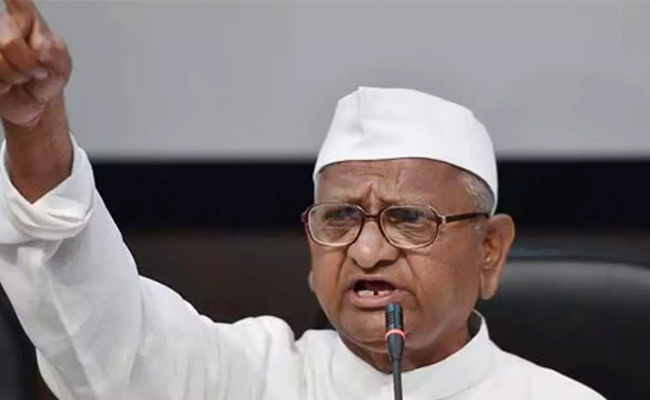
Mumbai (PTI): Social activist Anna Hazare has said Raghav Chadha and six other Aam Aadmi Party (AAP) Rajya Sabha members would not have quit the party had it followed the "right" path.
"Everyone has the right to hold an opinion in a democracy. They (Chadha and others) must have faced some trouble, which is why they left," Hazare told reporters on Friday in Ahilyanagar district of Maharashtra.
AAP Rajya Sabha members Raghav Chadha and Sandeep Pathak addressed a joint press conference in Delhi on Friday, announcing their exit from the Arvind Kejriwal-led party to join the BJP.
Chadha claimed that nearly two-thirds of AAP's Rajya Sabha members had quit the party and would function as a separate faction.
"It is their (AAP leadership’s) fault. Had that party followed the right way, they would not have left," Hazare said.
Hazare reiterated that Chadha and others must have faced difficulties within AAP, and that is why they left. "Had the party gone in the right direction, they would not have quit the party," he added.
"There must be some or the other reason (for their leaving AAP). In a democracy, every person has a view about where to stay and leave," Hazare said.
The Chadha-led exodus marks a significant setback for the Kejriwal-led party since its formation in 2012, which followed the momentum of Anna Hazare’s anti-corruption movement.