UGC declares 22 institutions fake, degrees from these ‘universities’ invalid
New Delhi: The University Grants Commission (UGC) has declared 22 institutions across India as fake universities, warning students that these entities are operating without proper recognition and are not authorised to award degrees under the UGC Act, 1956.
Any qualifications obtained from these institutions, the Commission said, hold no academic or professional validity.
The latest case to come under scrutiny is the Institute of Management and Engineering, located in Kotla Mubarakpur, Delhi. The UGC clarified that the institute is neither established under any Central or State Act nor recognised under Sections 2(f) or 3 of the UGC Act. Consequently, its engineering degrees are invalid.
Delhi tops the list with the highest number of fake universities, according to an updated list released by the Commission in October 2025. These fake universities are:
All India Institute of Public & Physical Health Sciences (AIIPHS)
Commercial University Ltd., Daryaganj
United Nations University; Vocational University
ADR-Centric Juridical University
Indian Institute of Science and Engineering
Viswakarma Open University for Self-Employment
Adhyatmik Vishwavidyalaya (Spiritual University)
World Peace of United Nations University (WPUNU)
Institute of Management and Engineering, Kotla Mubarakpur.
Uttar Pradesh follows the capital in terms of the number of fake universities. The list includes:
Gandhi Hindi Vidyapith, Prayag
Netaji Subhash Chandra Bose University (Open University), Aligarh
Bhartiya Shiksha Parishad, Lucknow
Mahamaya Technical University, Noida.
Andhra Pradesh:
Christ New Testament Deemed University; Bible Open University of India, Visakhapatnam.
West Bengal:
Indian Institute of Alternative Medicine and Institute of Alternative Medicine and Research, Kolkata.
Maharashtra:
Raja Arabic University, Nagpur.
Puducherry:
Sree Bodhi Academy of Higher Education, Thilaspet.
Additionally, two institutions earlier declared fake in March 2022 remain on the list: Badaganvi Sarkar World Open University Education Society, Belgaum (Karnataka) and St. John’s University, Kishanpattam (Kerala).
Meanwhile, the UGC has approved 101 universities and 20 Category-I institutions to offer Open and Distance Learning (ODL) programmes for the 2025-26 academic year, scheduled to commence in July-August.
Let the Truth be known. If you read VB and like VB, please be a VB Supporter and Help us deliver the Truth to one and all.
Iqra aims to create leaders for community: Syed Mohamed Beary at Annual Day in Mangaluru
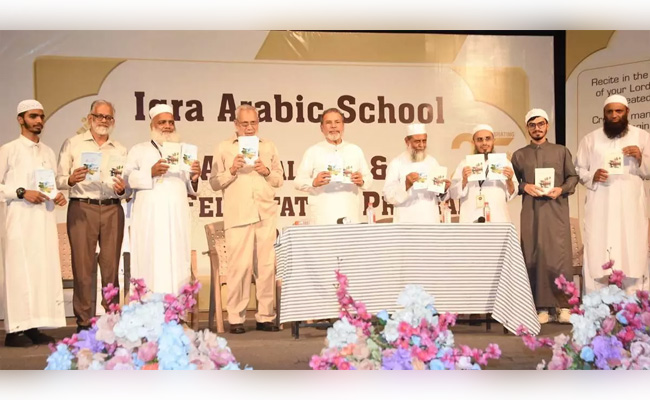
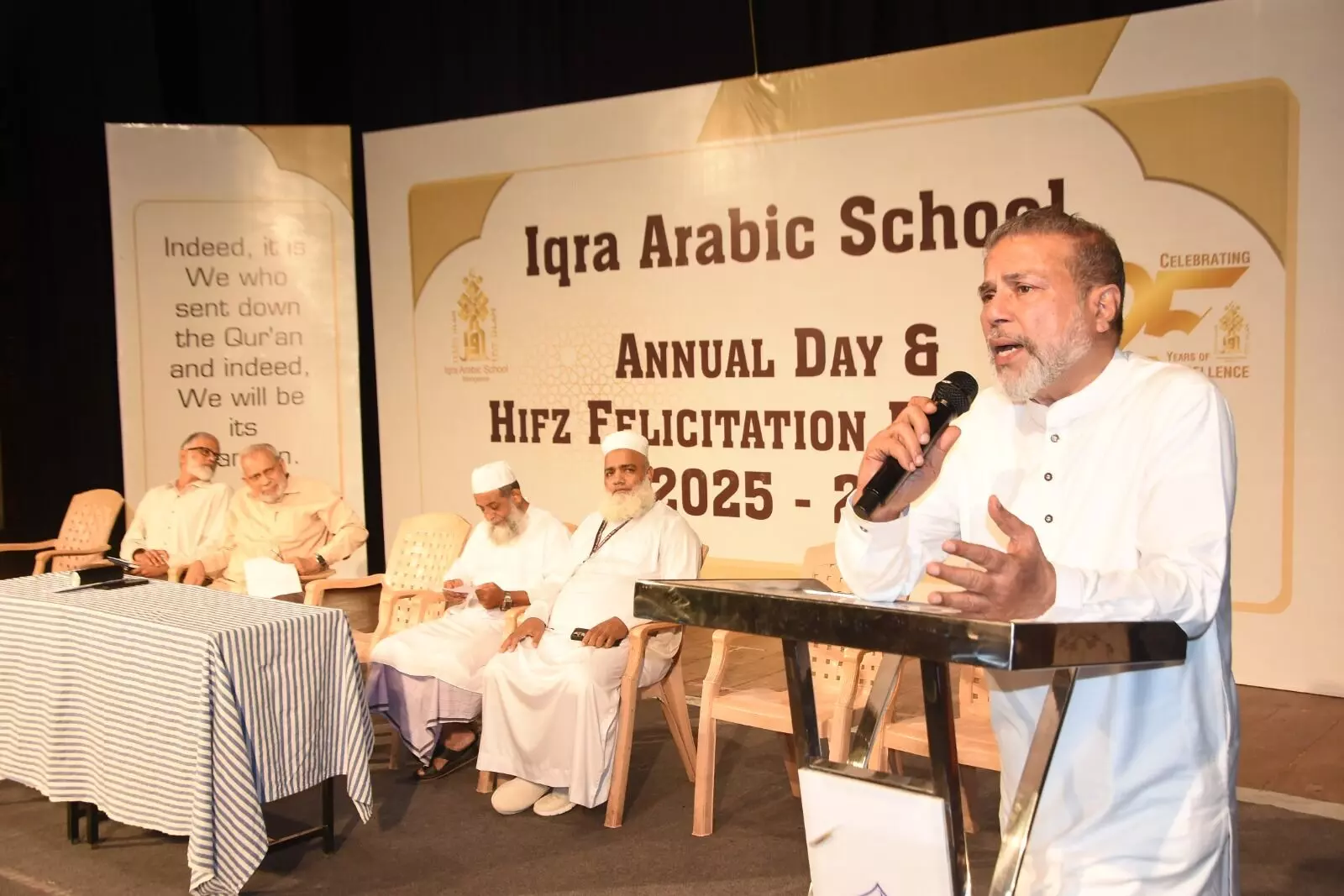
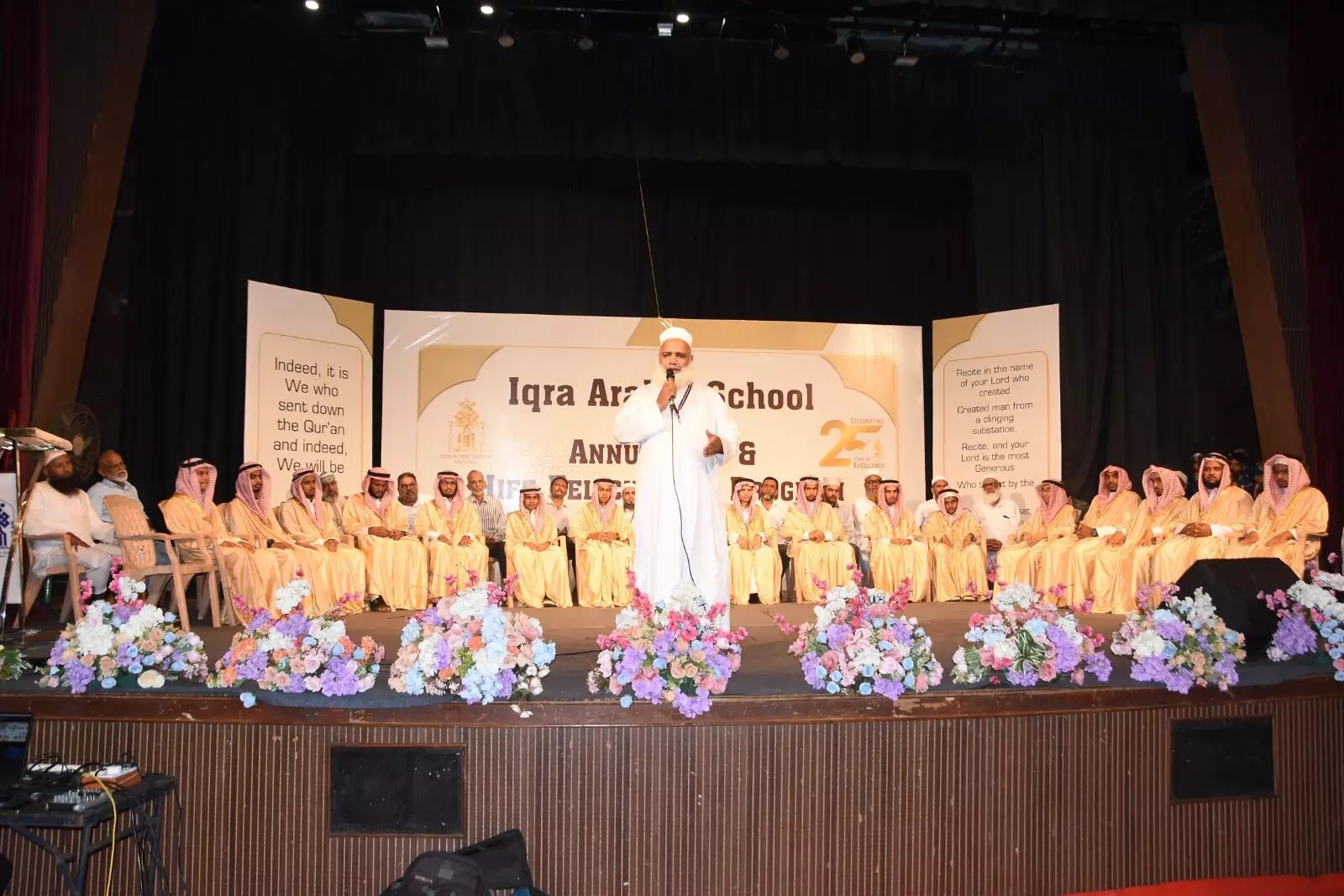
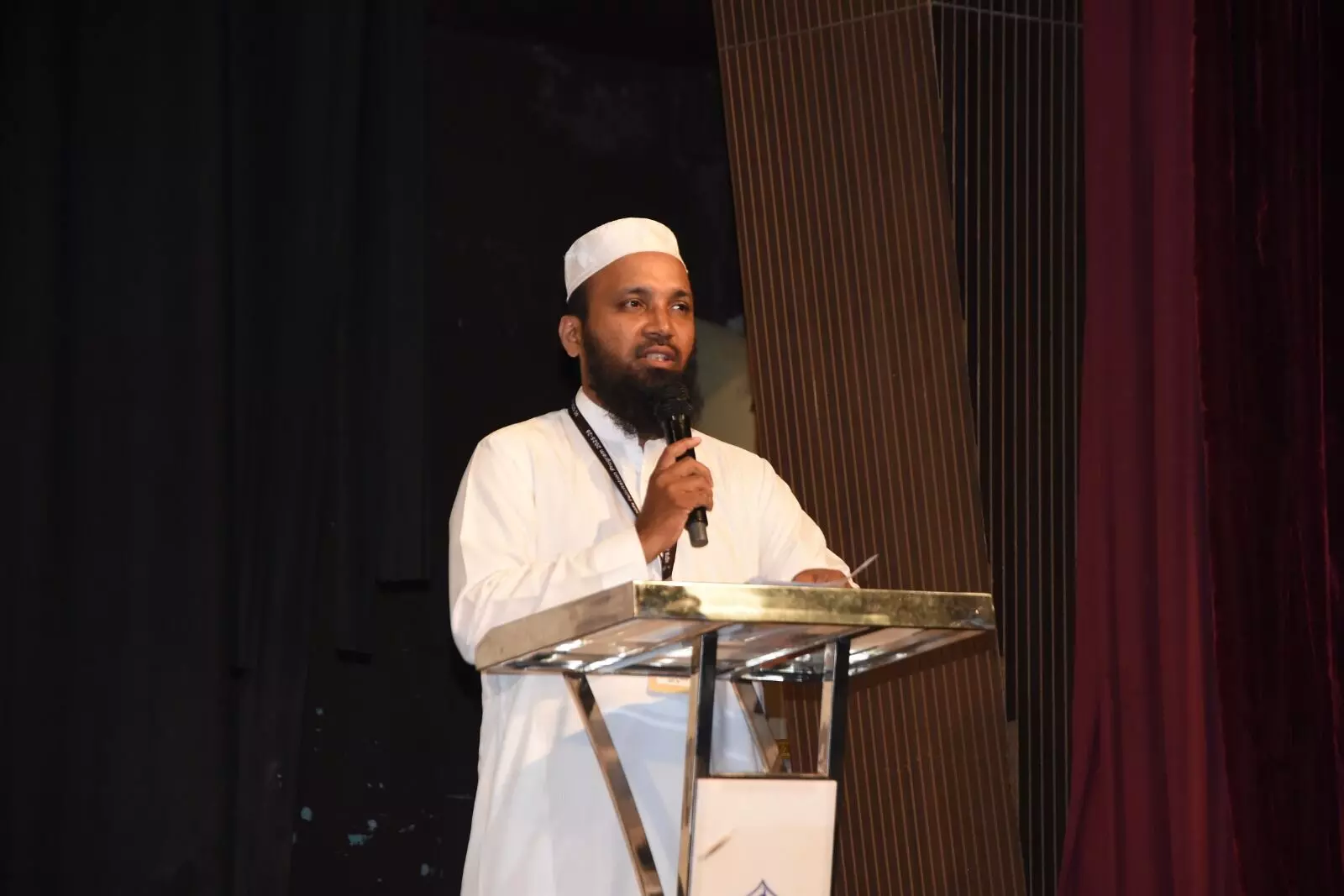
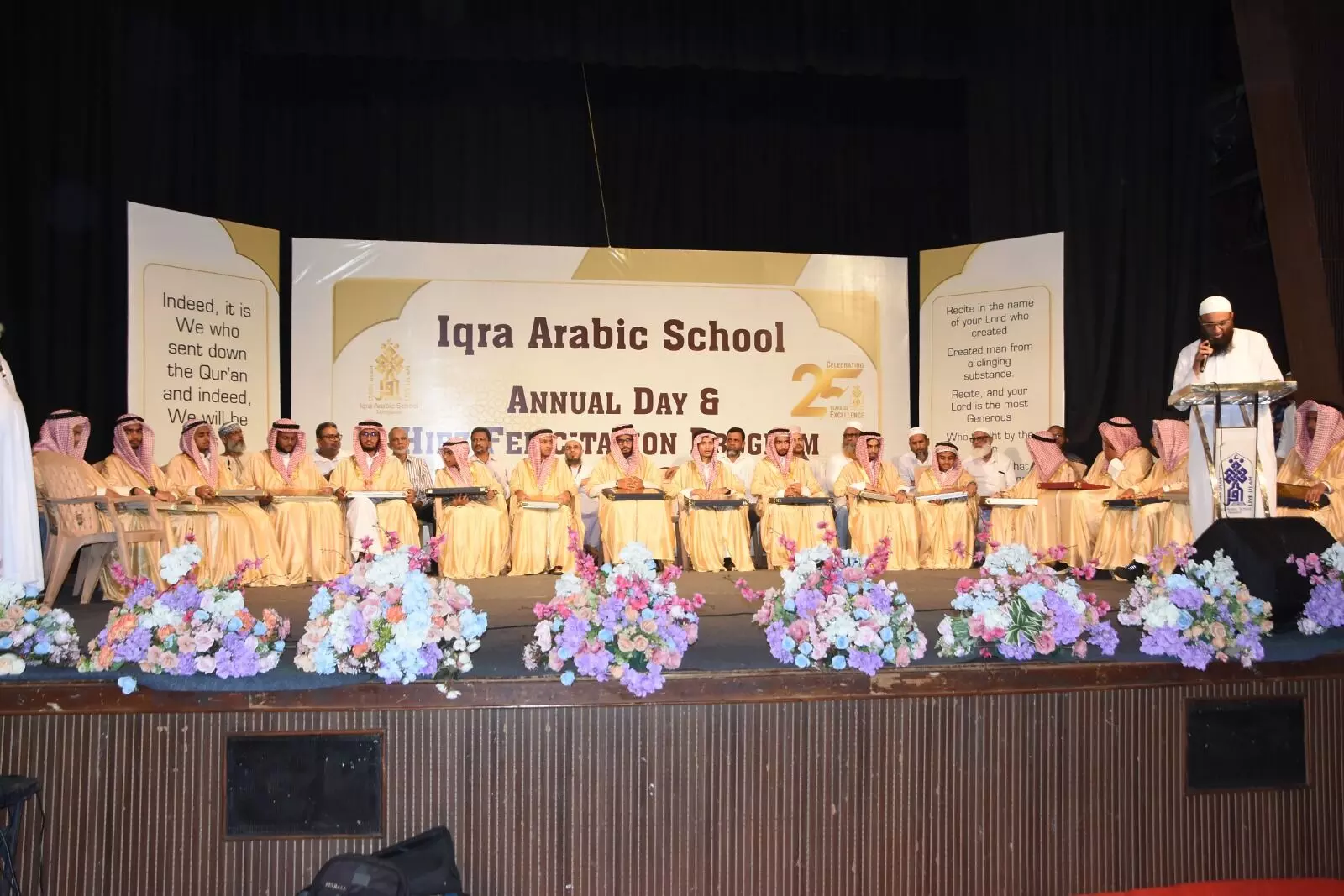
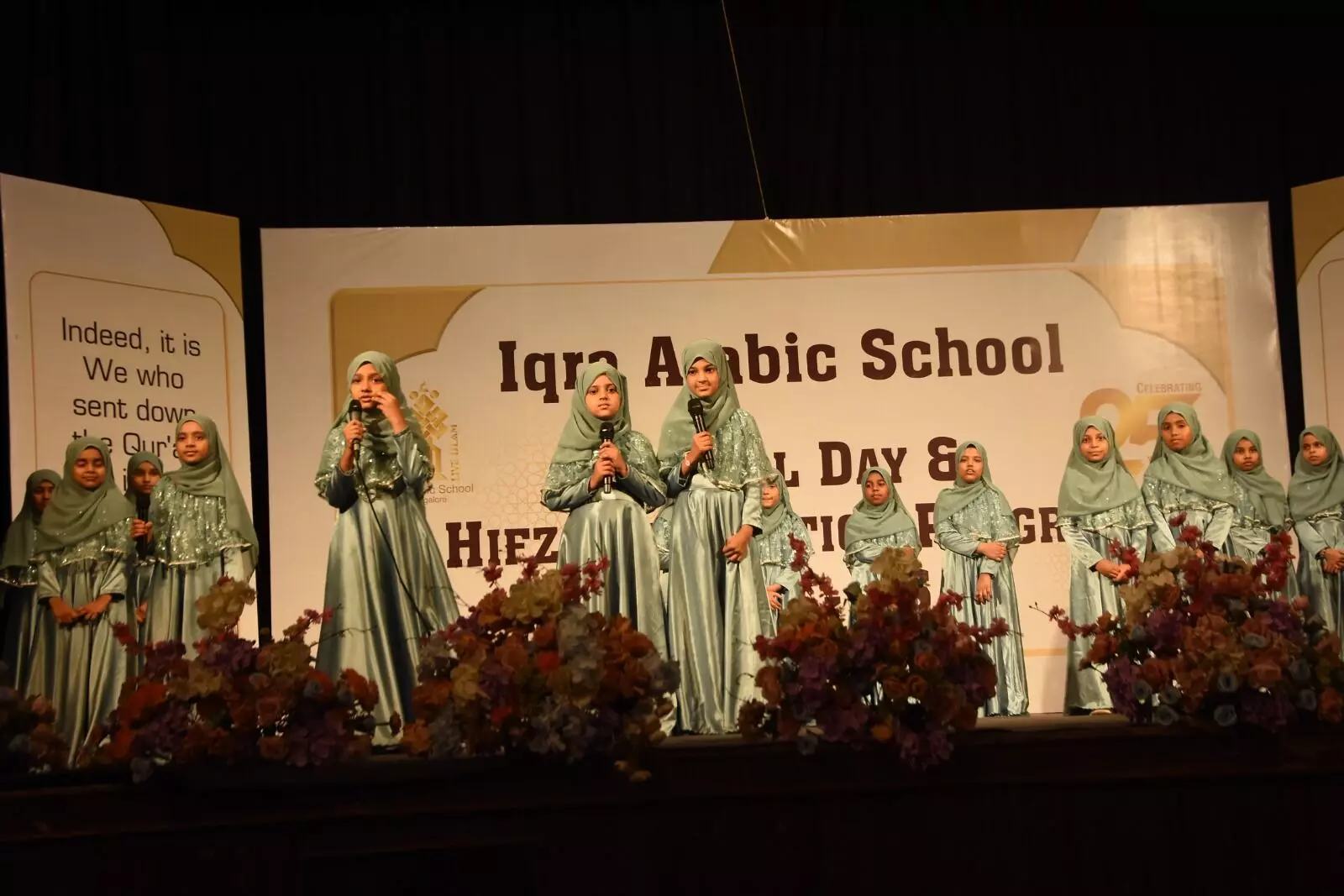
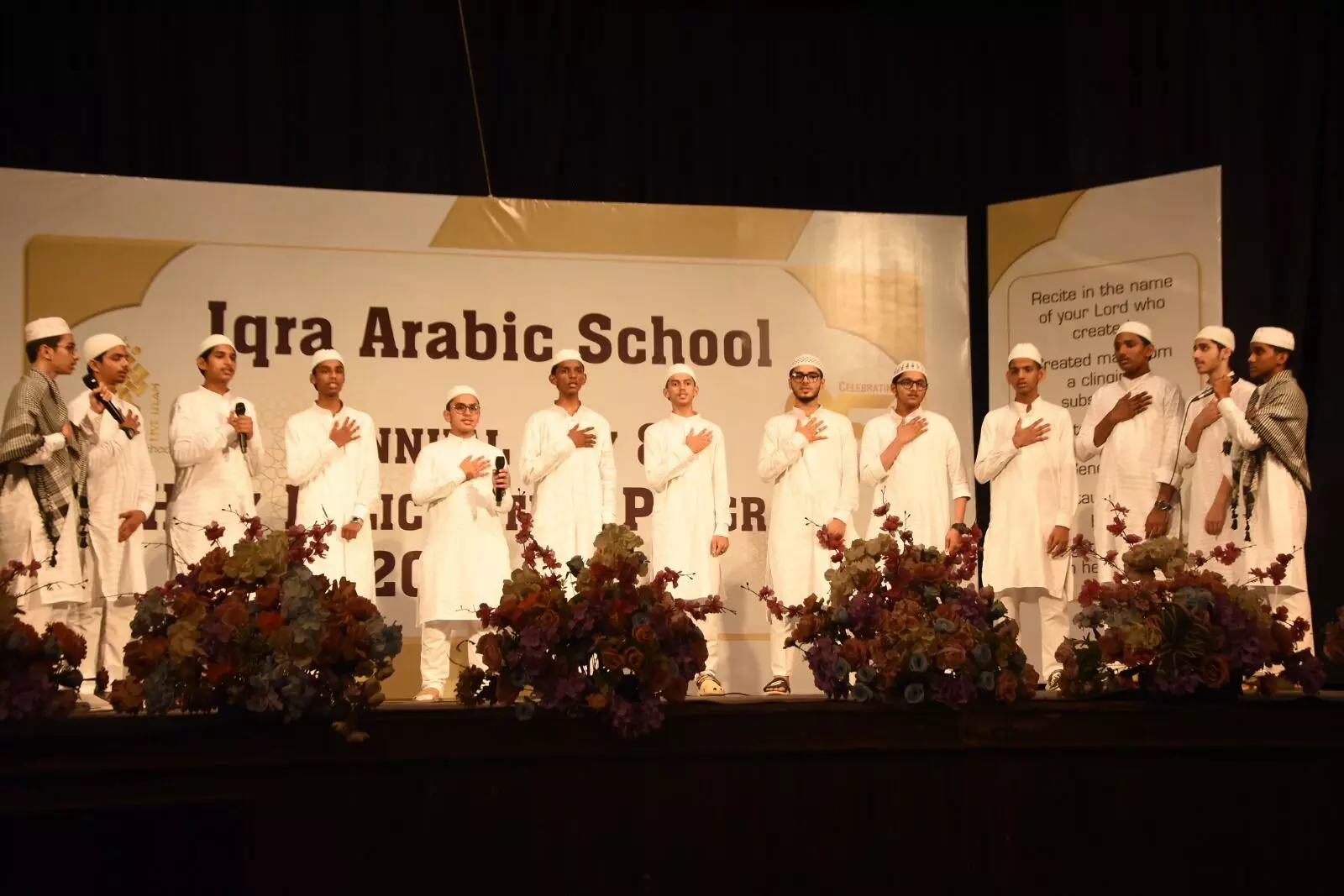
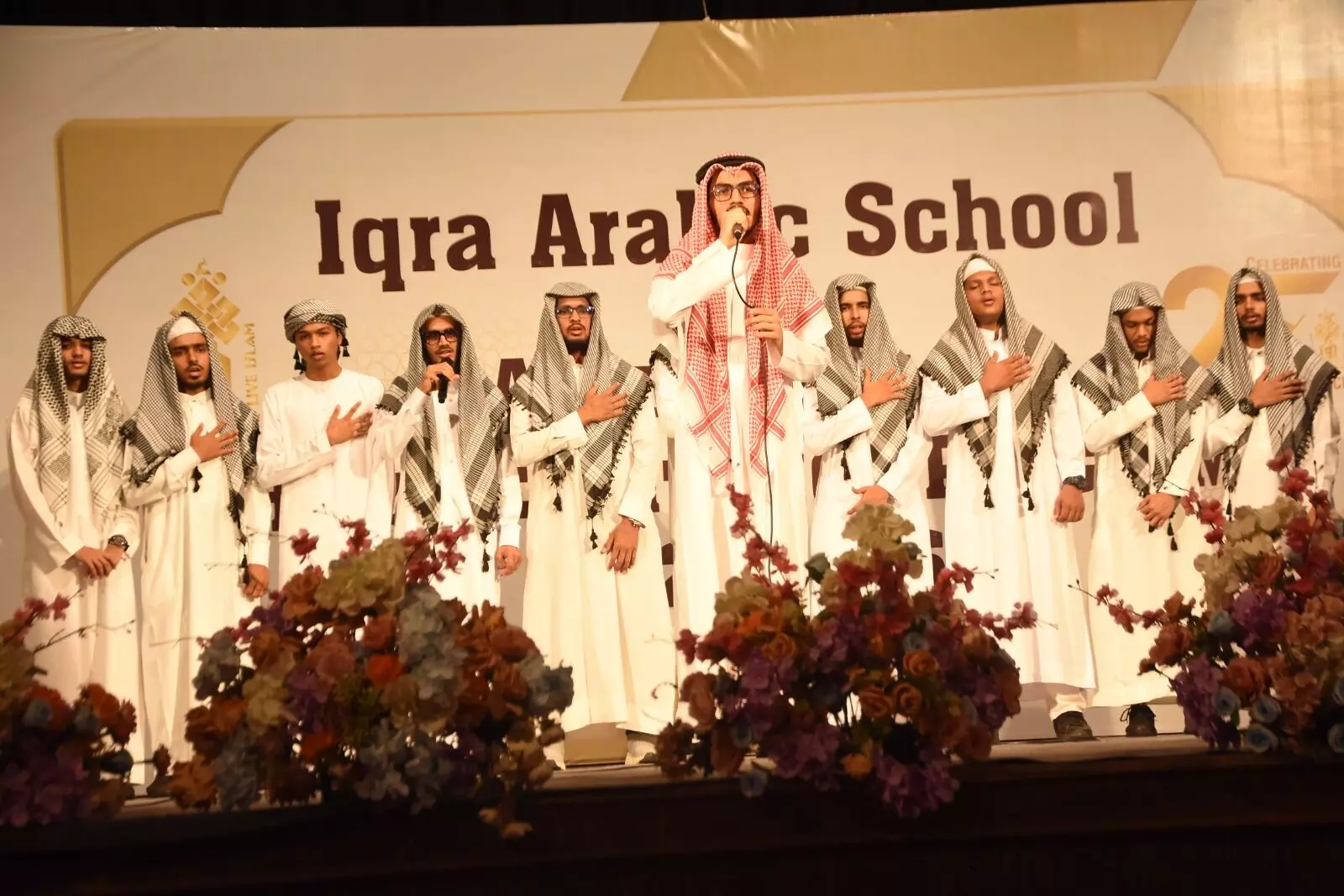
Mangaluru: “The aim of Iqra is to create leaders for the community,” said Syed Mohamed Beary while presiding over the Annual Day 2026 and Hifz felicitation programme of Iqra Arabic School, highlighting the institution’s focus on leadership and long-term community development.
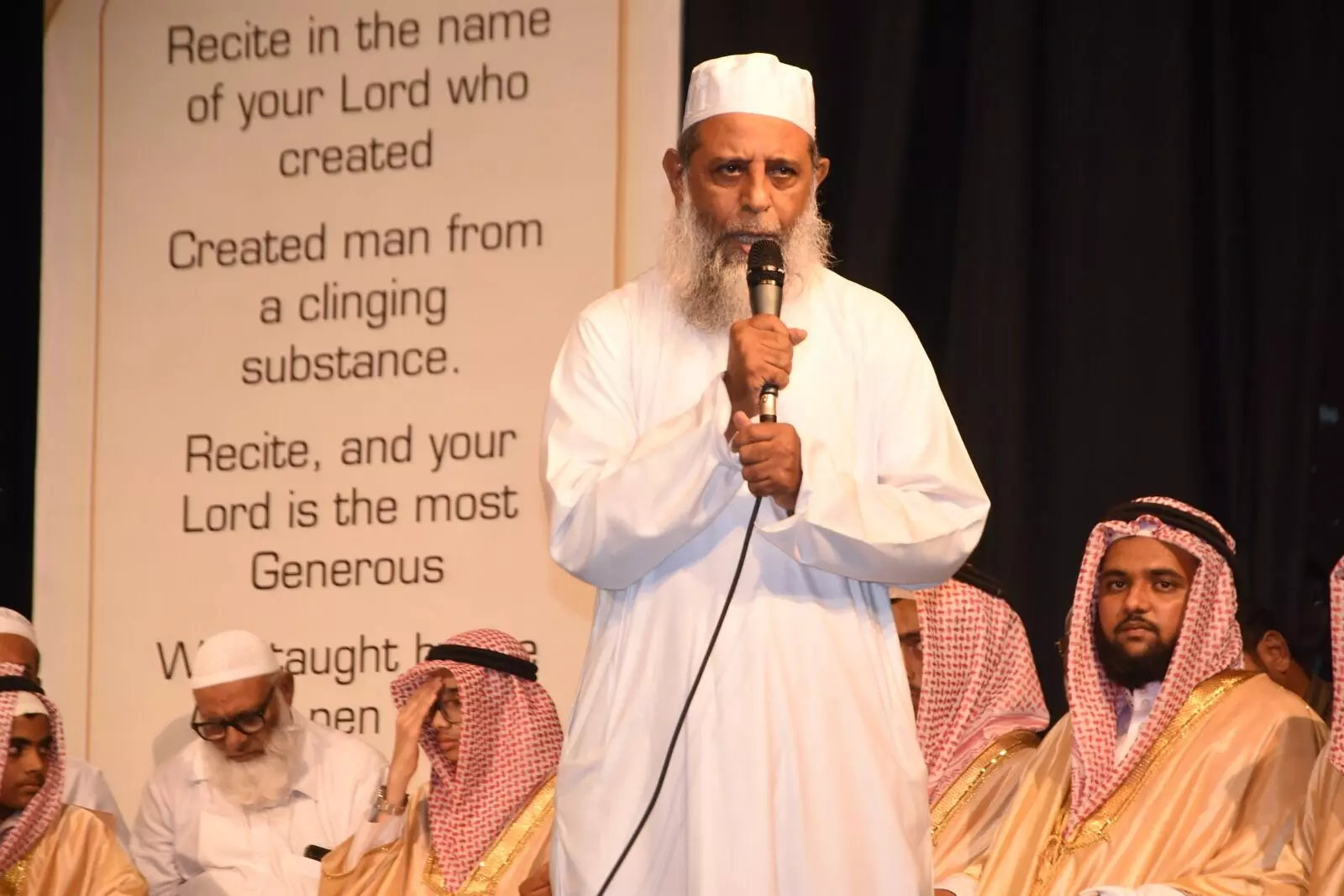
Presiding over the event, Syed Mohamed Beary, Chairman of the Moulana Abul Hasan Ali Nadwi Educational and Charitable Trust, Mangaluru, spoke at length about the journey of the institution since its launch in 2000. He recalled the early days of the school and said it was started with a clear vision to serve the community through education rooted in values. He expressed pride in how the institution has grown over the years, both in strength and in its role within the community.
He said Iqra Arabic School was not built only to provide basic education, but to nurture individuals who can take responsibility and guide society. According to him, the institution has consistently worked towards shaping students into capable leaders who can face present-day challenges while staying connected to their roots. He stressed that the focus has always been on building character along with knowledge.
The programme was compered by Moulana Farhan Nadwi, who introduced the vision of the institution and said the school strives to prepare leaders and scholars who can respond to modern challenges faced by the community.
Chief guest Moulana Maqbool Kobatte, Principal, Jamia Islamia Bhatkal, congratulated the students and their parents for completing the memorisation of the Qur’an. He said these Huffaz are part of Allah’s promise of preserving the Qur’an until the Day of Judgement. He described the Qur’an as a guide for life and said while recitation is important, it is equally necessary to practise its teachings. He also noted that in the race for worldly success, people are moving away from values such as humanity, brotherhood and unity.
Taha Mateen, Chairman and Managing Director of ACURA Speciality Hospital, said the community should not forget its Islamic roots and history. He recited lines of poetry by Iqbal: “Kabhi ae nawjawaan Muslim tadabbur bhi kiya tu ne, wo kya gardu tha tu jiska hai ek toota hua taara.” He stressed the need to understand the Qur’an and recognise its importance, and urged students to continue learning across different fields without stopping at any stage. He congratulated the students, parents and the management.
Dr. C P Habeeb Rahman, Chairman and Managing Director o Unity Health Complex, Mangaluru said there is a need for introspection within the Muslim community to understand what has gone wrong and why it has fallen behind despite contributing to global civilisation. He also spoke about the lack of leadership within the community.
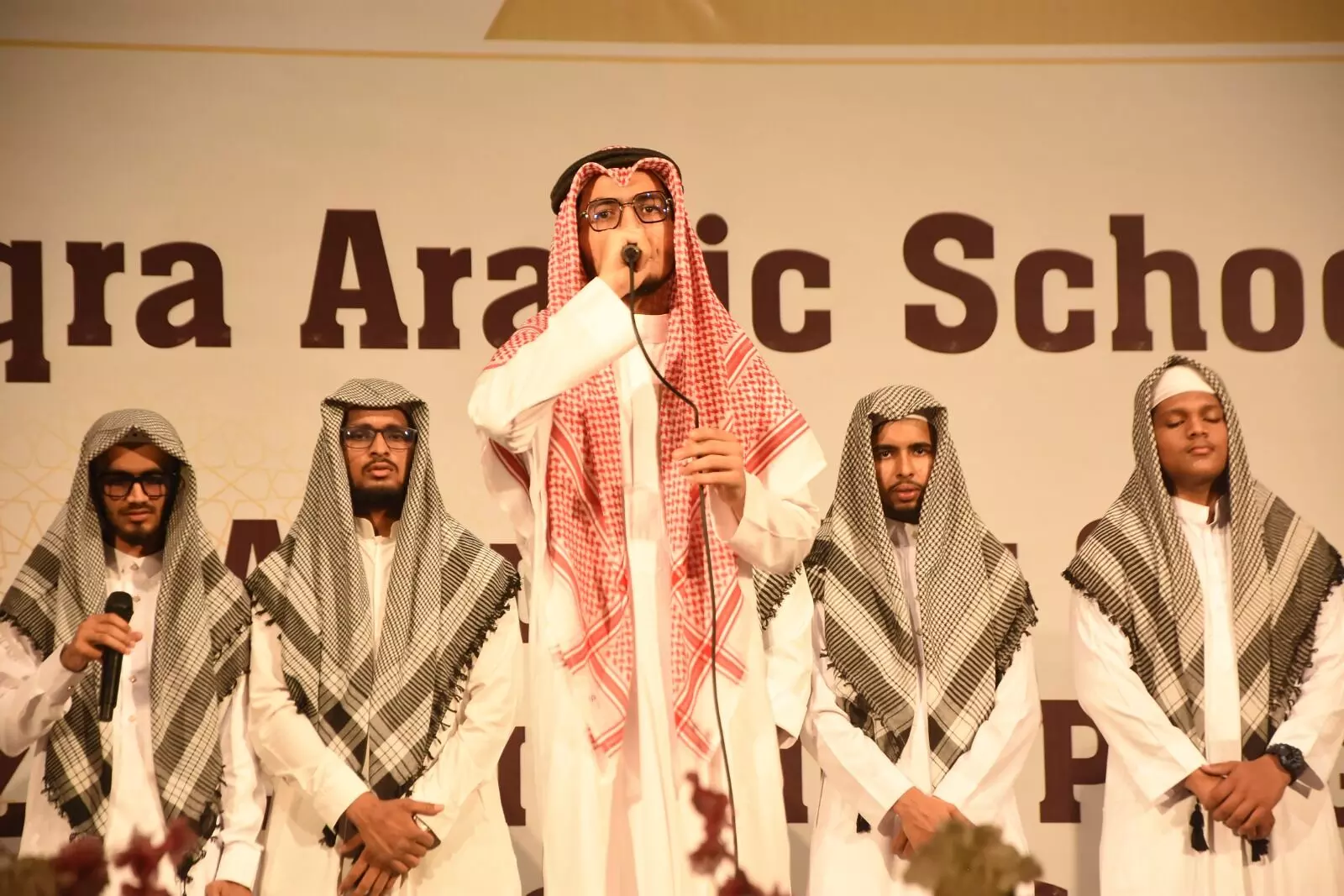
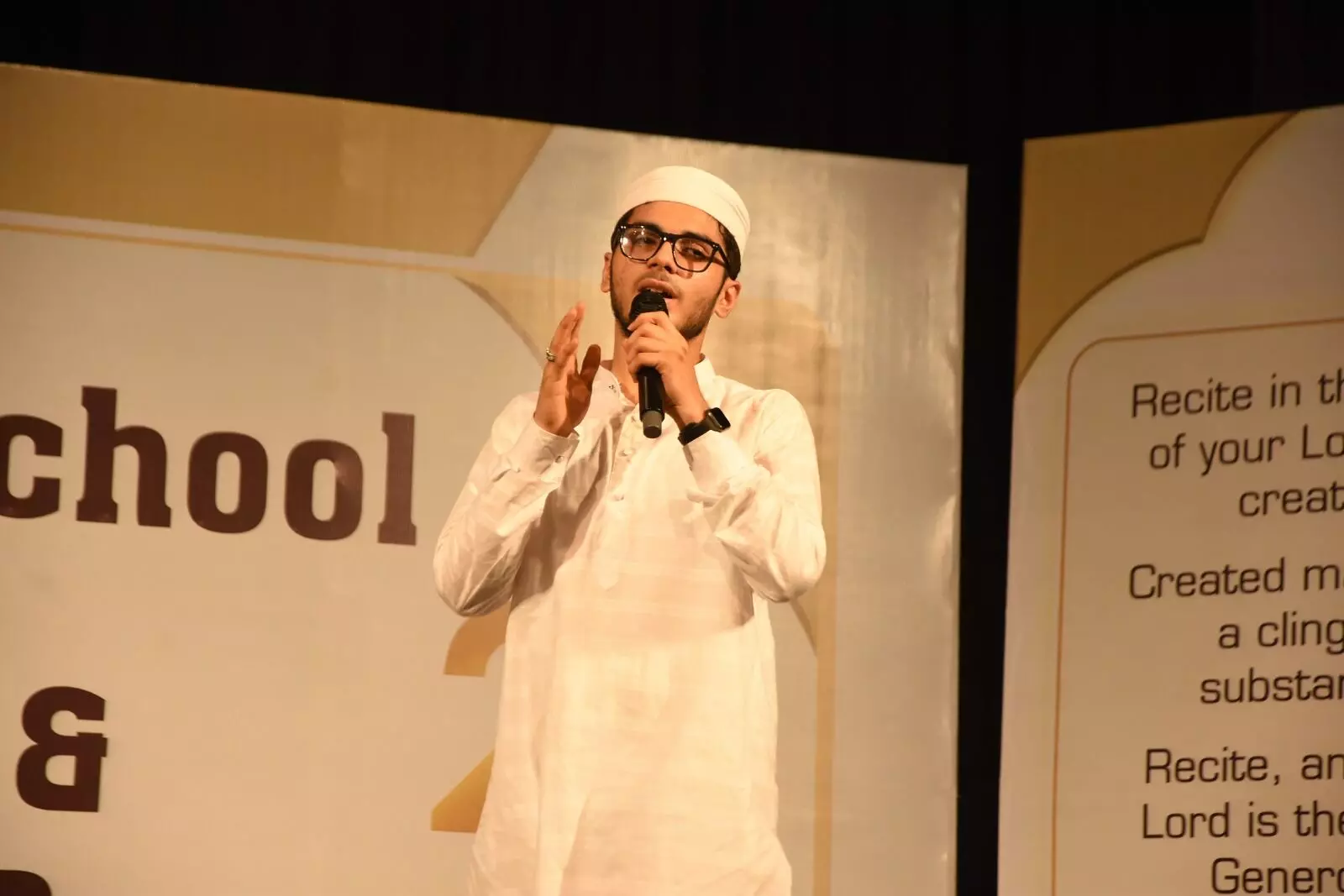
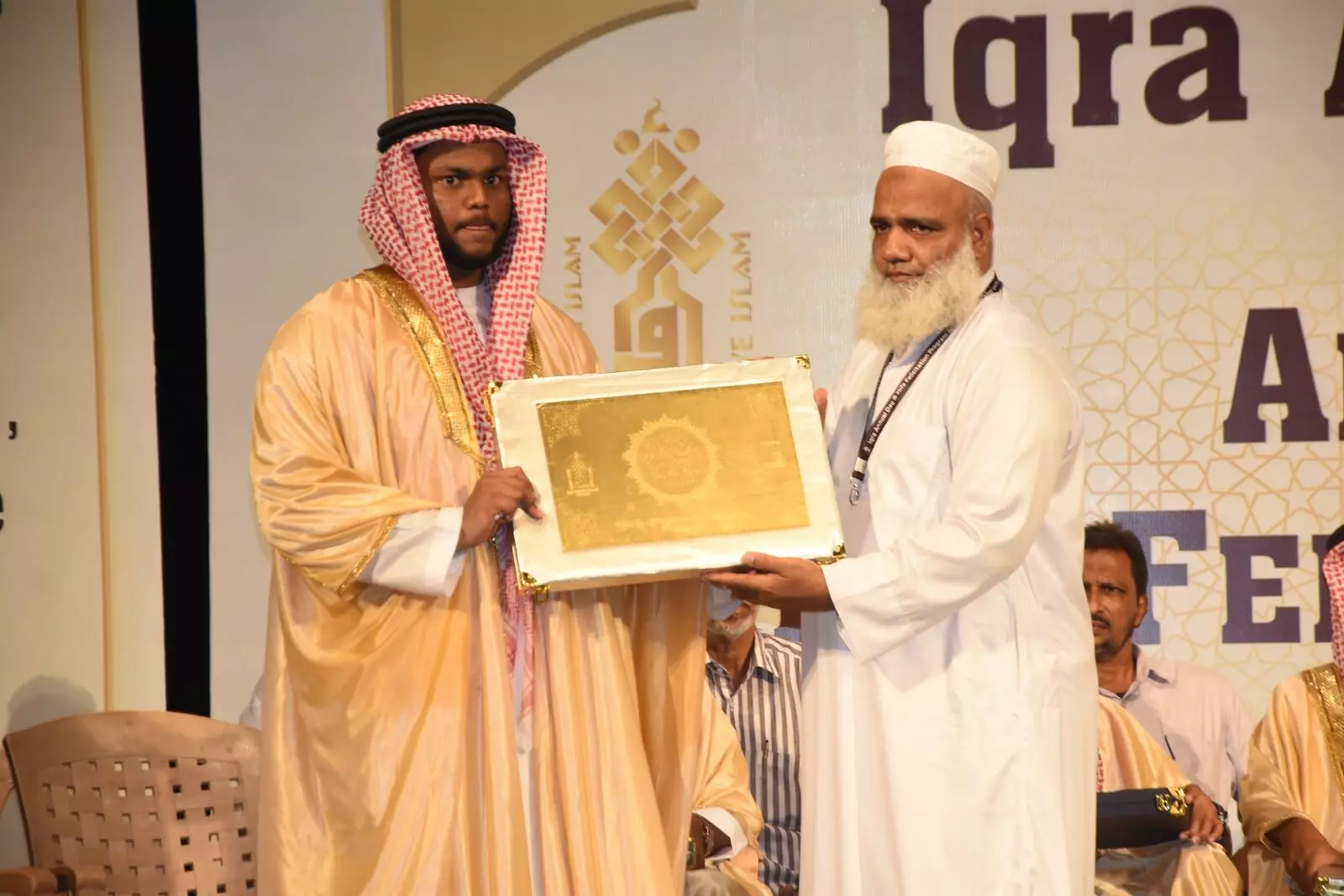
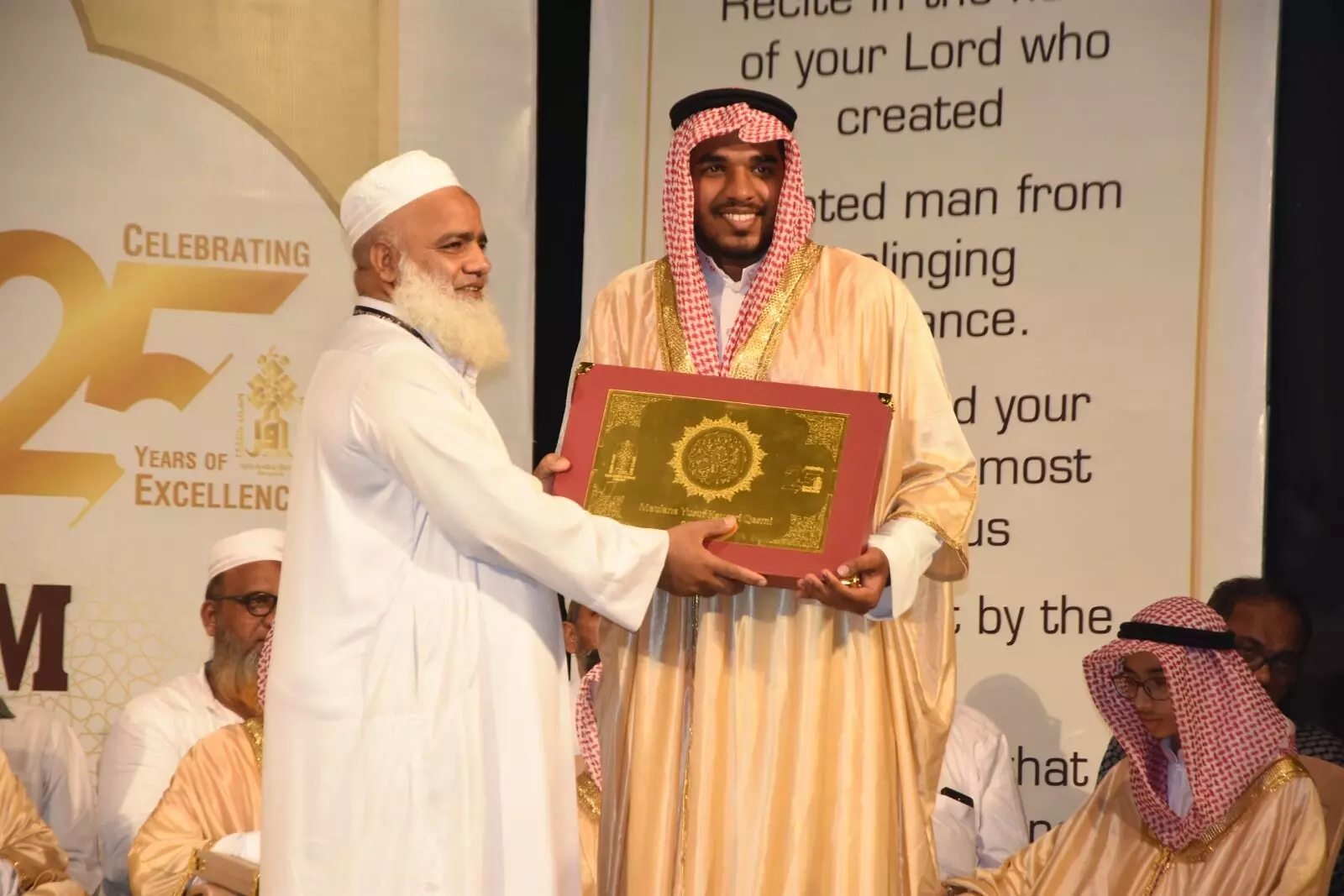
Students presented cultural programmes based on Islamic teachings during the event. Two of the books authored by the students of the institution were also released during the event
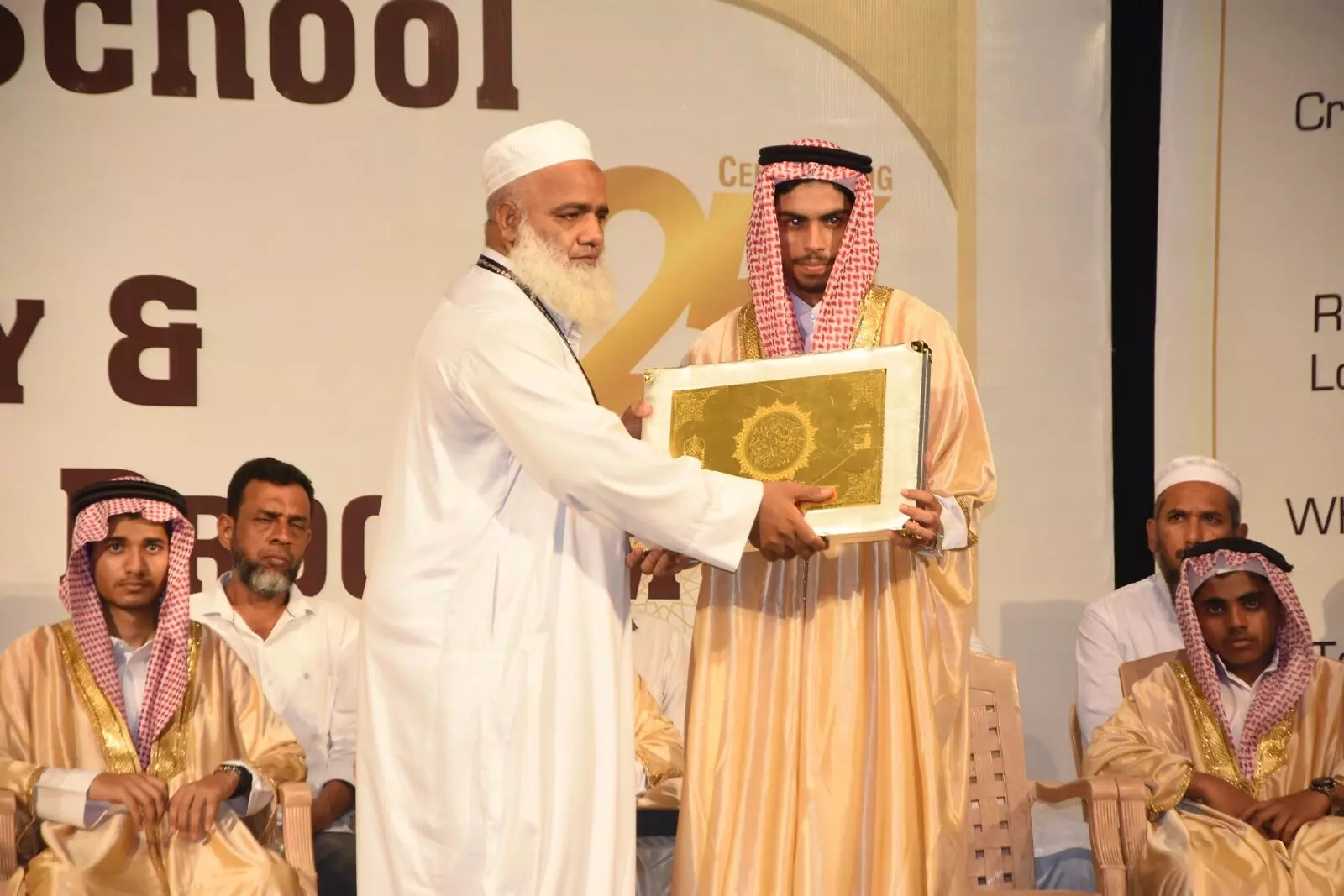
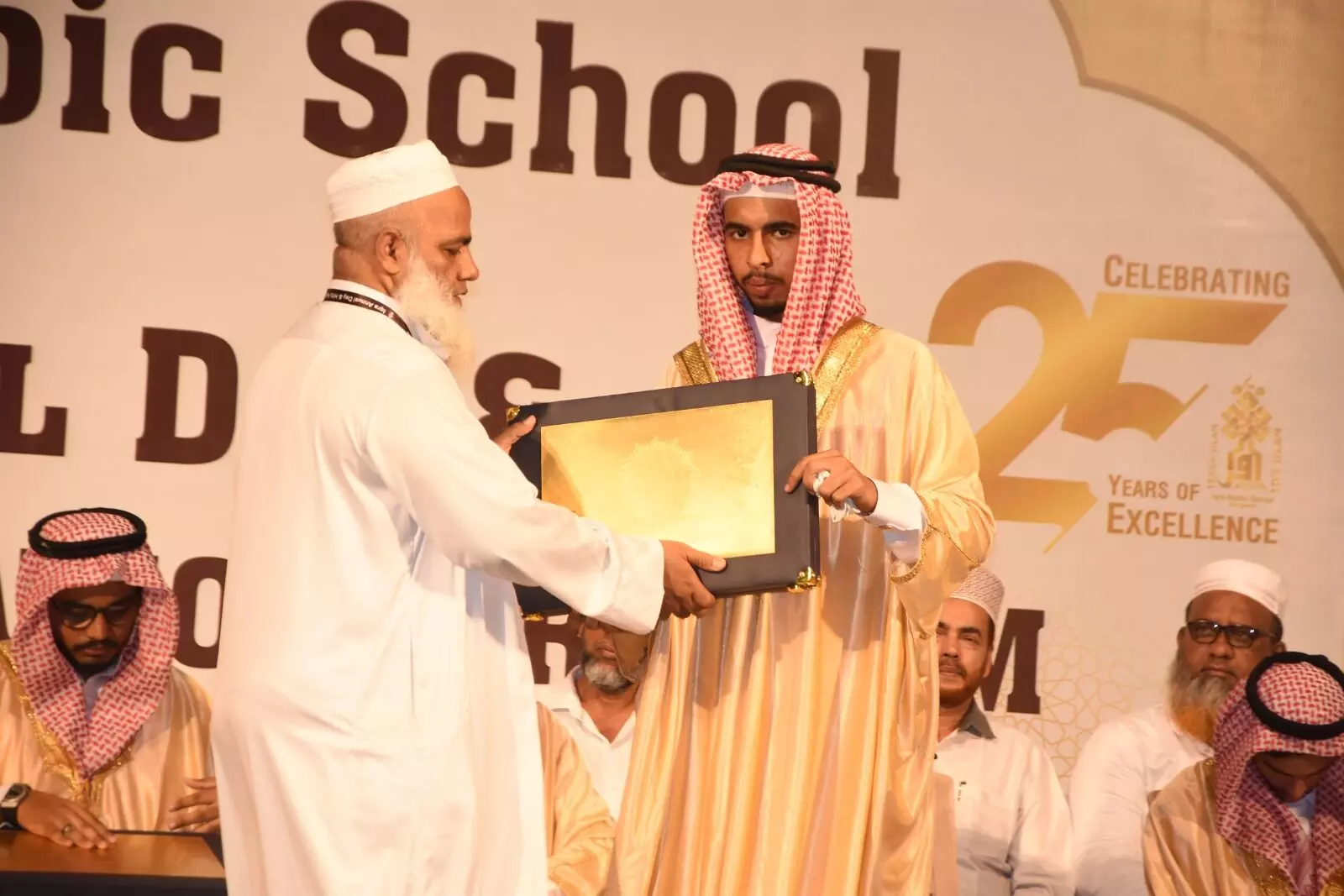
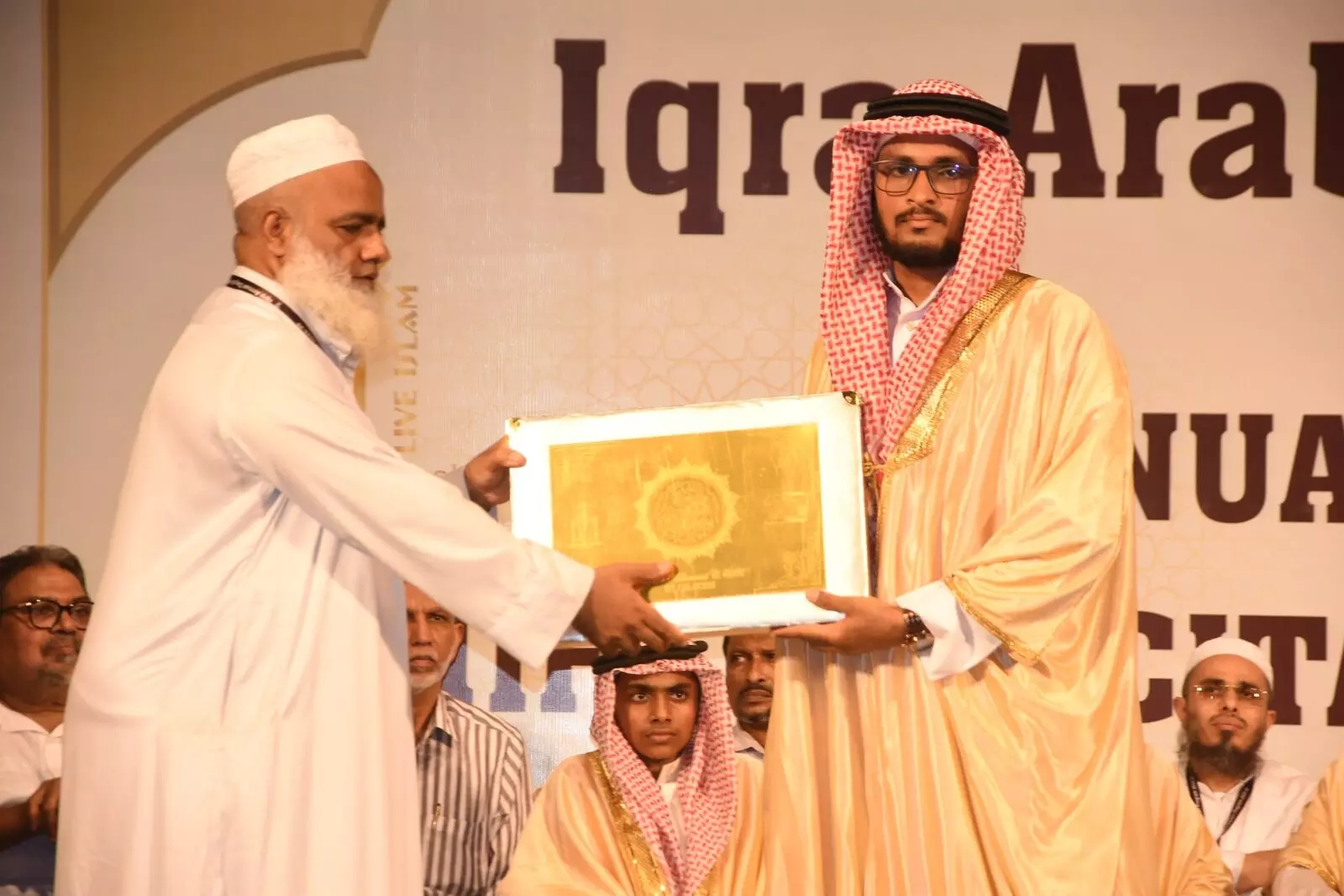
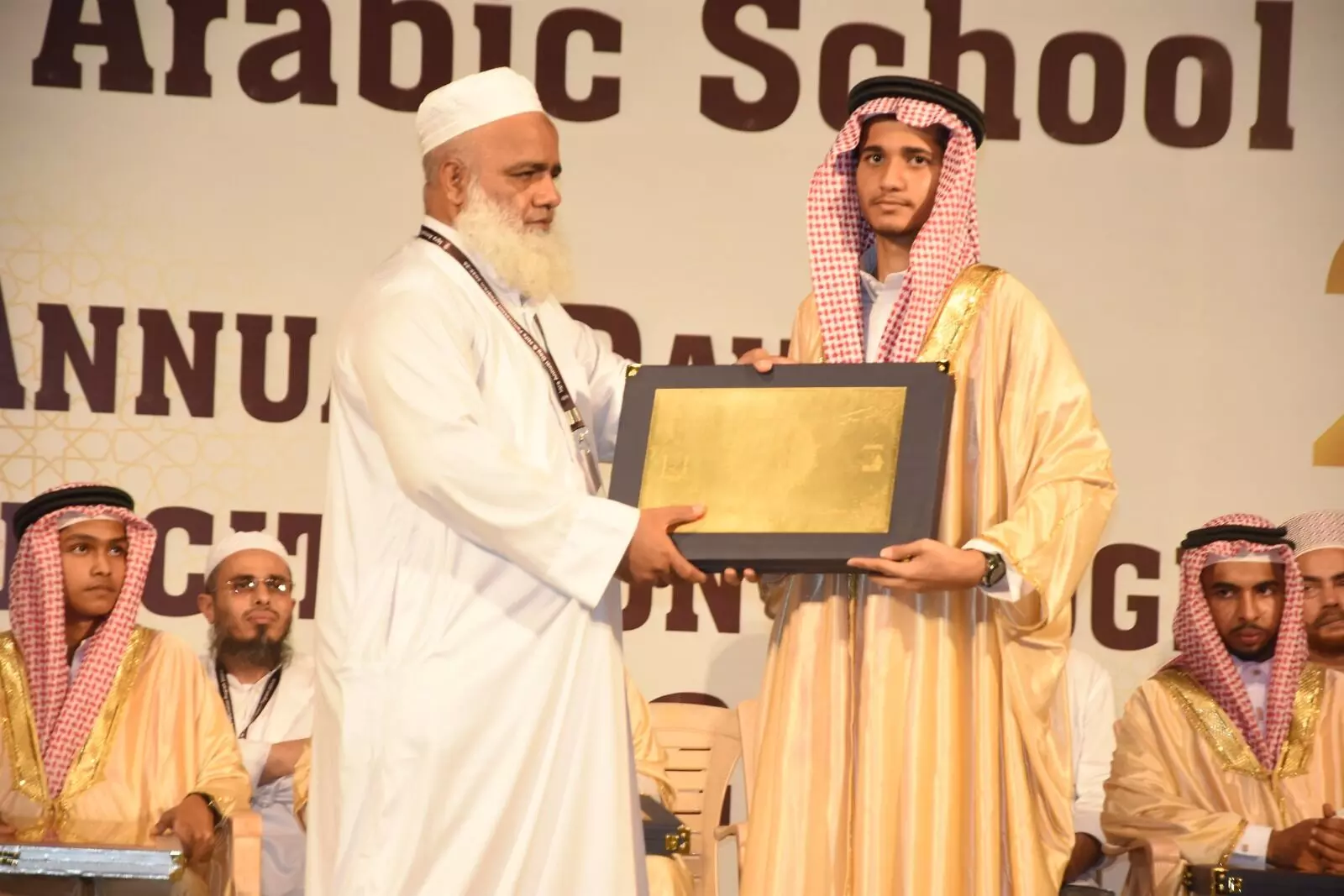
A total of 18 students who completed Hifz this year were felicitated and presented with mementos by the guests. The programme concluded with a vote of thanks by Moulana Salim Khalifa, the principal of the institution.