Umar Khalid is the leader India deserves, his arrest under UAPA is shocking: Yogendra Yadav
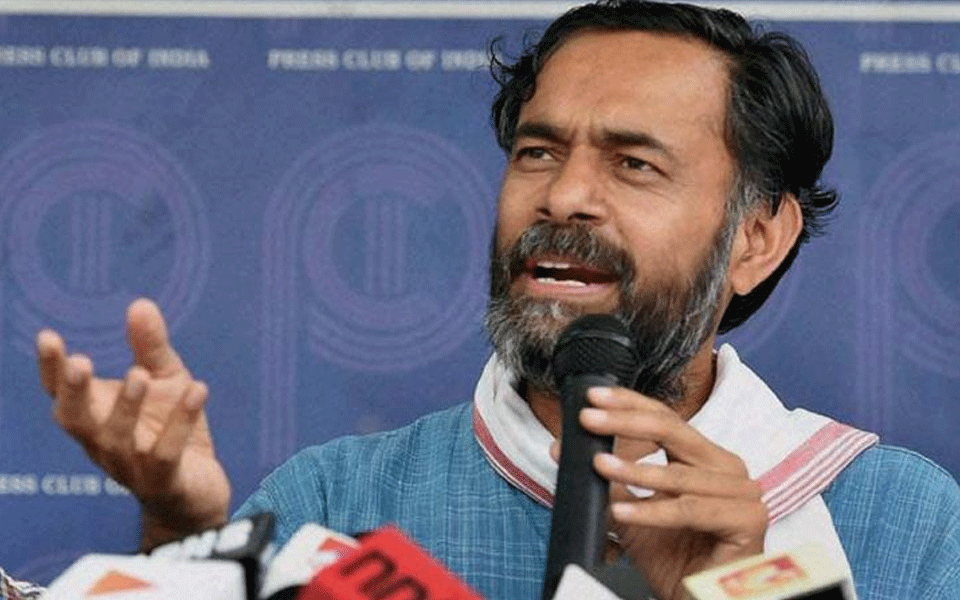
New Delhi: Swaraj India’s National President, Yogendra Yadav has said that wrongfully arresting a young intellectual and youth activist like Umer Khaled, using anti-terrorism law like UAPA, when he has opposed all kinds of violence and terrorism, is a dangerous development.
“Shocked that an anti-terror law UAPA has been used to arrest a young, thinking, idealist like @UmarKhalidJNU who has always opposed violence and communalism in any form. He is undoubtedly among the leaders that India deserves.
@DelhiPolice can't detain India's future for long”, he tweeted.
The former JNU student leader, Umar Khalid, was arrested late Sunday night on charges of conspiring the North-East Delhi riots that happened in February of 2020.
Shocked that an anti-terror law UAPA has been used to arrest a young, thinking, idealist like @UmarKhalidJNU who has always opposed violence and communalism in any form.
— Yogendra Yadav (@_YogendraYadav) September 14, 2020
He is undoubtedly among the leaders that India deserves.@DelhiPolice can't detain India's future for long.
Let the Truth be known. If you read VB and like VB, please be a VB Supporter and Help us deliver the Truth to one and all.
Two arrested in K'taka for assaulting minors, uploading CSAM content
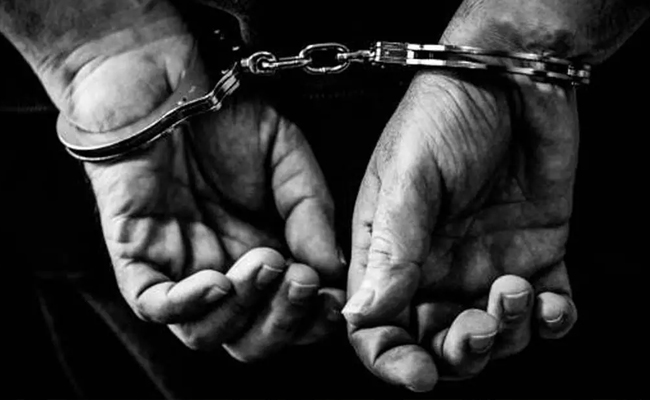
Bengaluru (PTI): Two men were arrested for allegedly sexually assaulting two minor girls, recording the acts on mobile phones and uploading the videos online as child sexual abuse material, police said on Thursday.
The accused have been identified as Kiran Kumar (29), hailing from Chitradurga district, and Aditya M K (20), hailing from Shivamogga district, they said.
A probe was initiated after information was received from the NCRP portal regarding a suspected instance of creation of Child Sexual Abuse Material (CSAM) for online dissemination, police said.
Accordingly, a case was registered at Kaggalipura Police Station under relevant sections of the IT Act on May 10, they added.
Investigation revealed that two minor girl victims were exploited and videos were created and uploaded to the internet. The child victims have subsequently recorded their statements as per procedure and further necessary legal steps have been taken, Pronab Mohanty Director General of Police, Cyber Command, said in a statement.
Based on the statements of the victims, the accused persons, who allegedly assaulted the minors, recorded the acts on mobile phones and uploaded the videos online, were arrested, he said.
Following the probe, sections 65(2) (rape) and 70 (gangrape) of the Bharatiya Nyaya Sanhita, along with relevant sections of the POCSO Act, have been added to the FIR, police said.
Officials collected relevant information and on May 12, arrested the accused persons and seized three mobile phones belonging to them, in which the videos had allegedly been recorded, he said.
The accused were later produced before the court and taken into police custody for further investigation, he added.
According to him, in CSAM cases, police usually apprehend offenders who have downloaded such content or have kept them in their possession after obtaining them from elsewhere, usually the internet.
"The present case is one of the very few instances where content creators and uploaders have been apprehended," Mohanty added.